
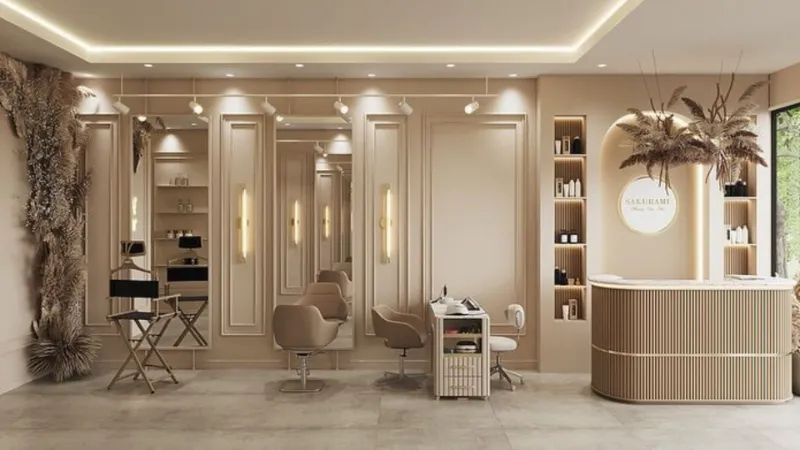
Walk into any thriving beauty business and you’ll notice something before a single service is even booked: the space itself sells the experience. Luxury salon interior design is no longer a nice-to-have for high-end beauty brands it’s the silent salesperson that convinces a client to trust you with their hair, their skin, and their money.
The problem most salon owners face is simple. They invest in the best stylists, the best products, and the best equipment, but the room around all of that talent still feels like a standard strip-mall salon. Clients notice the mismatch immediately, and premium pricing starts to feel unjustified.
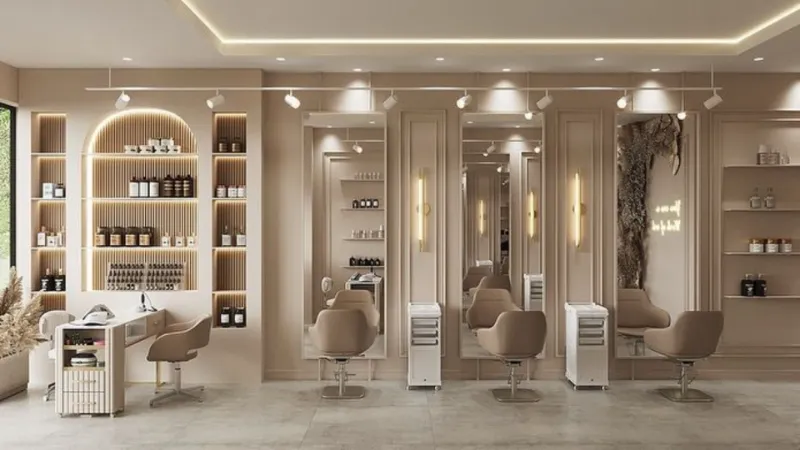
This guide solves that problem. Below, you’ll find eight proven salon design ideas, real-world examples, expert-level styling notes, and advanced insights on trends, sustainability, and future innovation everything you need to transform a functional salon into a destination clients brag about.
Make the Reception Area Feel Like a Five-Star Hotel Lobby
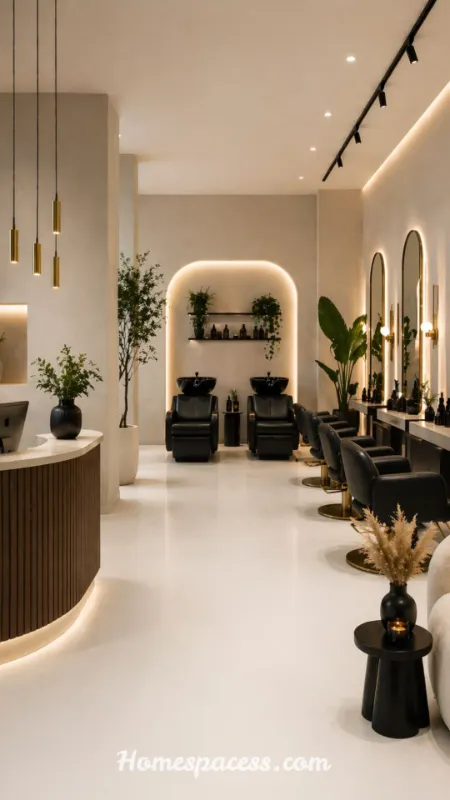
The reception desk is the first physical object a client touches with their eyes, so it needs to work harder than any other piece of furniture in a luxury salon interior. Think oversized stone or brass-clad counters, a single striking pendant light, and seating that feels closer to a boutique hotel lounge than a waiting room.
A mini case study: a Lahore-based salon rebranded its entrance with a curved marble reception desk, warm brass signage, and a fragrance diffuser tuned to a signature scent. Client-reported ‘first impression’ scores rose noticeably within three months, and no-show rates for consultations dropped because people arrived early just to sit in the space.
Small touches matter here too a signature scent, a curated coffee-table book stack, and soft instrumental music all reinforce that this is a high-end salon, not a walk-in chain.
| Style Note: Pair one bold material (marble, brass, or dark stone) with soft, neutral fabrics so the entrance feels premium without becoming visually loud. |
| Pro Tip: Keep the reception desk at least 6 feet from the entry door so arriving clients get a full, unobstructed view of the space before being greeted. |
See Related Articles: Workshop Design Ideas to Build a Smarter, Safer, and More Efficient Space
Layer Lighting Design the Way Jewelers Light a Display Case
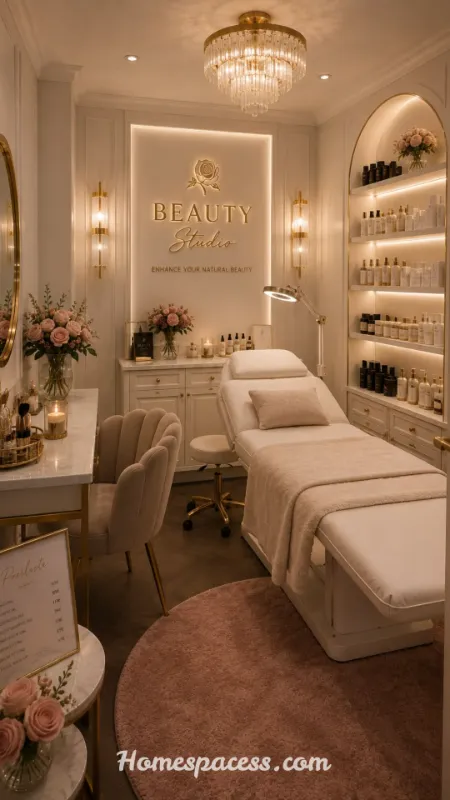
Lighting is the single most underrated tool in luxury salon design, and most salons still rely on flat, overhead fluorescents that flatten skin tones and wash out the room. High-end spaces instead layer three types of light: ambient (general glow), task (mirror-side precision), and accent (decorative drama).
For example, a color-correct 90+ CRI task light at every styling chair ensures colorists can match tones accurately, while a statement chandelier or sculptural pendant over the reception area adds theatrical warmth. The contrast between clinical precision and soft ambiance is what separates a premium salon from a budget one.
Dimmable circuits are essential too, since a morning blowout crowd and an evening bridal party need completely different moods from the same square footage.
| Style Note: Use warm white (2700K–3000K) bulbs throughout common areas, reserving cooler, color-accurate lighting strictly for technical work zones. |
| Pro Tip: Install lighting on separate dimmable circuits for reception, styling stations, and treatment rooms so staff can adjust mood without rewiring anything. |
Must-Read Articles: Tiny Patio Ideas: Space-Saving Designs to Transform Your Small Outdoor Area
Choose Premium Materials That Age Beautifully
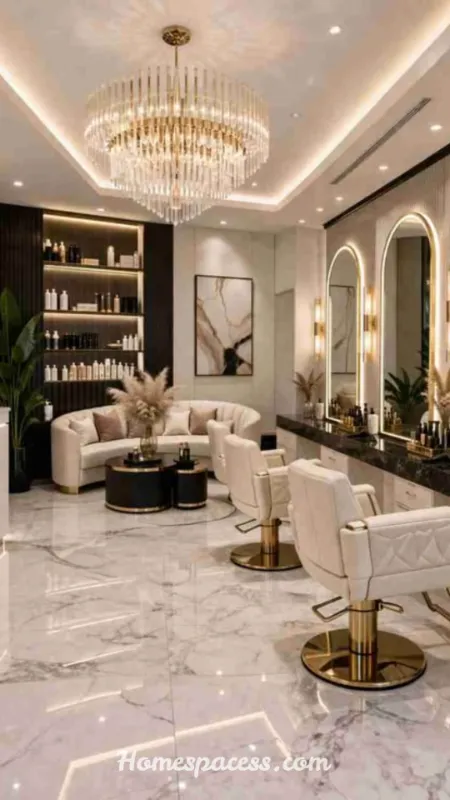
Marble, brushed brass, velvet upholstery, and natural wood are the backbone of nearly every award-winning salon interior because they patina gracefully instead of looking worn out. Cheaper laminate and vinyl surfaces might save money upfront, but they scratch, fade, and date the space within two or three years.
A real-world scenario: a salon in a competitive urban market replaced its plastic-topped styling stations with quartz composite counters and solid brass fixtures. The upfront cost was roughly 30% higher, but the owner reported the stations still looked showroom-new after four years of daily use, avoiding a costly early renovation.
Choosing durable, tactile materials is ultimately a long-term value decision disguised as a design one.
| Style Note: Mix no more than three signature materials (e.g., marble, brass, velvet) throughout the salon to keep the palette cohesive rather than cluttered. |
| Pro Tip: Test material samples under your actual salon lighting before ordering marble and stone can shift dramatically in tone under warm versus cool bulbs. |
You May Also Like: Front Garden Ideas for Every Style From Classic to Modern Homes
Design Private VIP Treatment Rooms for High-Ticket Services
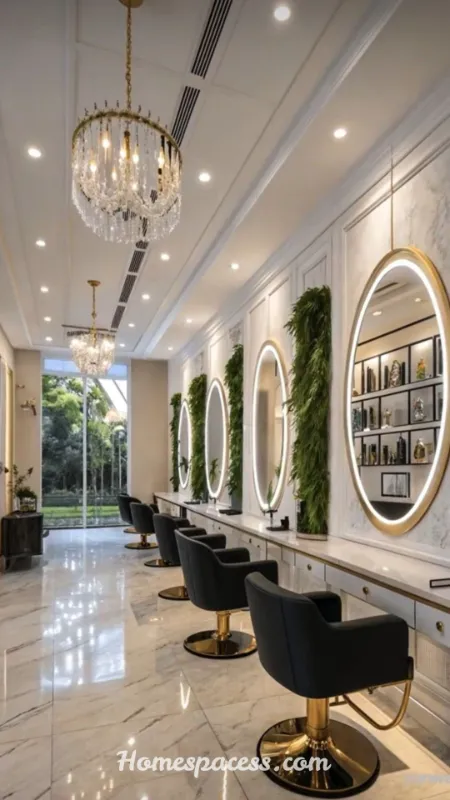
As service menus expand into keratin treatments, scalp therapy, and bridal packages, clients paying premium prices expect privacy, not an open floor plan. A dedicated VIP room with soundproofing, soft textiles, and independent climate control instantly justifies a higher price point for signature services.
Consider a mini case study: a salon added one 120-square-foot private suite with acoustic wall panels, blackout curtains, and a heated treatment chair. That single room became the highest-revenue-per-square-foot space in the building, booked almost entirely for color correction and bridal consultations.
Even without a full room, a curtained or partitioned alcove can create the same psychological sense of exclusivity for clients.
| Style Note: Use acoustic wall panels disguised as upholstered art pieces so soundproofing doubles as decor rather than looking clinical. |
| Pro Tip: Add a lockable personal storage nook inside VIP rooms clients value being able to secure a phone or bag without holding it during a service. |
Recommended for You: Creative Camper Interior Ideas to Make Your RV Feel Like a Dream Home
Build a Color Palette That Reinforces Your Brand Identity
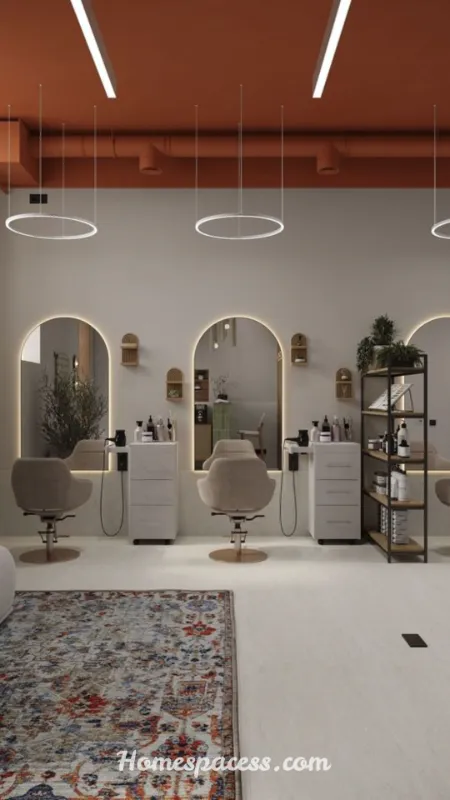
A cohesive color palette is what makes a luxury salon instantly recognizable on social media, and this is where semantic branding meets interior design. Deep emerald, warm terracotta, charcoal, and champagne tones consistently photograph well and read as premium across marketing materials and in-person visits alike.
For instance, a salon chain standardized on a charcoal-and-champagne palette across every location, and clients began tagging the brand’s signature colors in reviews and social posts without being prompted, effectively turning the interior into free marketing.
Avoid trend-chasing pastel palettes that photograph well for a season but date the space quickly; timeless jewel tones and neutrals age far better.
| Style Note: Limit the core palette to two dominant colors plus one metallic accent so every room feels intentional rather than randomly decorated. |
| Pro Tip: Test your palette against your brand’s Instagram grid before finalizing paint colors the room should photograph consistently with your existing marketing content. |
More on This Topic: 27 Salon Interior Design Ideas That Turn Clients Into Loyal Fans
Invest in Ergonomic, Statement Styling Stations
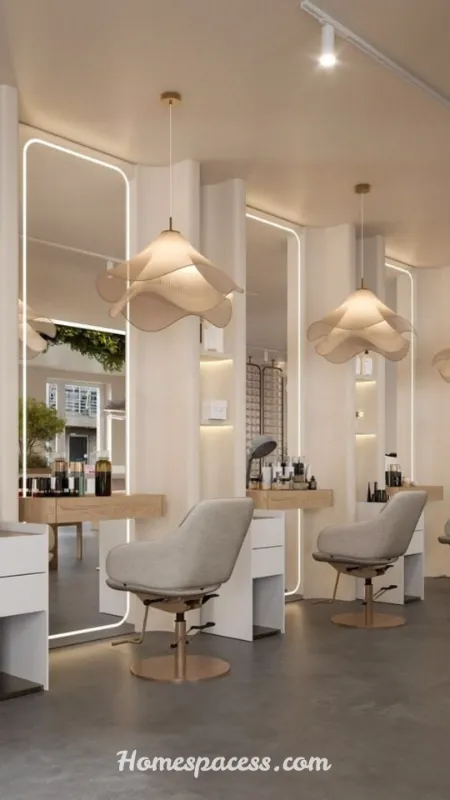
Great luxury salon interior design extends beyond decor into how staff physically move through the space every day. Styling stations are used for eight or more hours a day, so ergonomics directly affects staff retention, not just aesthetics. Adjustable-height chairs, anti-fatigue flooring mats hidden under stylish rugs, and well-spaced stations reduce stylist burnout while still looking editorial for clients.
A real-world scenario: a salon widened its station spacing from 4 feet to 5.5 feet and added cushioned anti-fatigue flooring beneath decorative runners. Staff turnover dropped the following year, and stylists cited physical comfort as a leading reason for staying.
Well-designed stations are simultaneously a client-facing design statement and a staff wellbeing investment, which is a detail most competitor guides overlook entirely.
| Style Note: Choose station chairs upholstered in performance velvet it reads as luxurious while resisting stains from color and product spills. |
| Pro Tip: Space stations at least 5 feet apart center-to-center to prevent elbow collisions during simultaneous services and to make the floor feel less crowded. |
See Also: BBQ Patio Ideas That Transform Your Outdoor Space
Control Acoustics So the Salon Sounds as Luxurious as It Looks
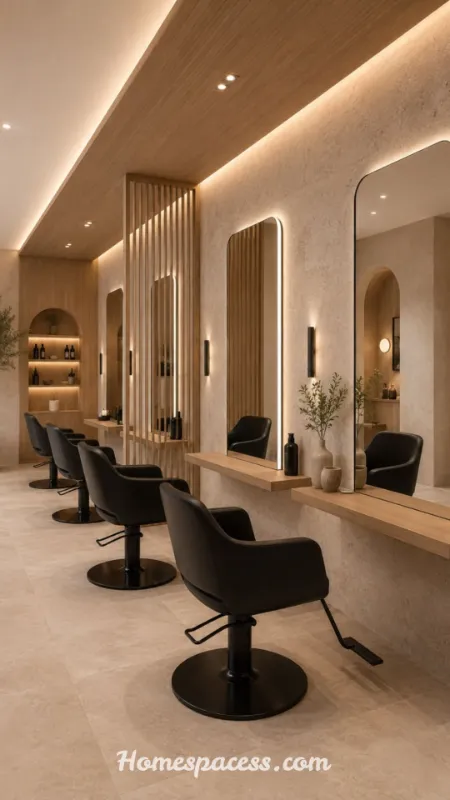
Hard surfaces like marble, tile, and glass create beautiful visuals but terrible acoustics, leaving many high-end salons echoing with hair dryers and chatter. Acoustic ceiling tiles, upholstered furniture, and strategically placed textiles absorb sound without compromising the polished aesthetic clients expect.
For example, a salon experiencing constant noise complaints installed felt acoustic panels behind a decorative slat-wood feature wall, cutting reverberation significantly while adding visual texture rather than detracting from it.
A curated ambient playlist, kept at a consistent low volume across zones, also reinforces the calm, spa-like mood that separates a premium salon from a busy commercial one.
| Style Note: Hide acoustic treatment behind decorative slat-wood panels or upholstered wall art so soundproofing never looks like an afterthought. |
| Pro Tip: Place at least one acoustic panel or textile element every 8–10 feet along hard-surfaced walls to noticeably cut echo without a full renovation. |
Related Articles: 25 Stunning Home Exterior Ideas That Actually Boost Curb Appeal
Use Statement Walls and Art to Create Shareable Moments
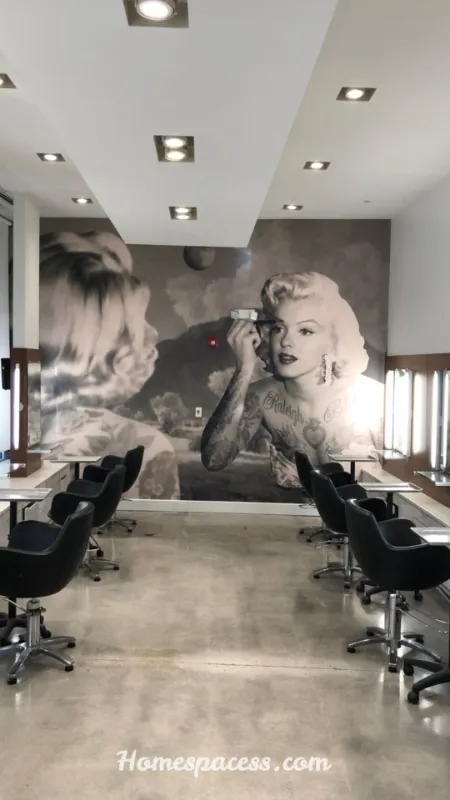
Every luxury salon needs at least one photogenic focal point designed specifically for client photos and social sharing. A hand-painted mural, a sculptural mirror wall, or a curated gallery of local artwork gives clients a natural reason to photograph the space and tag the business.
A mini case study: a salon commissioned a floor-to-ceiling botanical mural behind its blow-dry bar, and within months it became the most tagged location feature on the brand’s social channels, driving organic visibility with zero ad spend.
This kind of design decision blends interior design with marketing strategy, and it’s one of the highest-return, lowest-cost upgrades available to any salon owner.
| Style Note: Position statement walls directly opposite natural or ring-light-friendly lighting so client photos come out flattering without extra editing. |
| Pro Tip: Rotate a small section of wall art or seasonal decor every quarter to keep repeat clients discovering something new in the space. |
Conclusion
Great luxury salon interior design isn’t about one expensive feature it’s the layered result of thoughtful lighting, durable materials, smart acoustics, and a cohesive brand story woven through every corner of the space. Clients feel the difference the moment they walk in, and they pay for it willingly.
Start with one or two ideas from this guide, whether it’s upgrading your reception lighting or adding a single VIP treatment room, and build from there. A truly premium salon is built one intentional decision at a time so pick your next upgrade and get started today.
Advanced Insights & Topical Authority
Trend Analysis: Luxury Salon Interior Design in 2026 and Beyond
In 2026, luxury salon interior design is shifting away from stark minimalism toward what designers call ‘warm maximalism’ richer textures, curated clutter like books and plants, and layered lighting replacing the all-white, clinical salon look of the past decade.
Biophilic design is also accelerating, with living plant walls, natural stone, and daylight-mimicking lighting systems appearing in more premium builds, driven by client demand for wellness-oriented spaces rather than purely transactional service environments.
Technology integration is quietly reshaping the category too: augmented-reality mirrors for color previews and app-controlled ambient lighting are moving from novelty features into standard expectations at top-tier salons.
Expert Insights: Practical Tips for Real-World Salon Optimization
Veteran salon designers consistently point to one overlooked detail: traffic flow matters more than any single decor choice. A beautifully designed salon that forces stylists and clients into awkward, congested paths will feel chaotic no matter how expensive the furniture is.
A practical improvement many owners skip is zoning by noise and activity level placing blow-dry stations away from consultation areas, and treatment rooms far from the shampoo bowls, so no single zone disrupts another’s mood.
Experienced operators also recommend a six-month lighting and layout audit, since foot traffic patterns and service mixes shift over time, and a layout that worked at opening rarely stays optimal without adjustment.
Sustainability and Long-Term Value in Salon Design
Sustainable salon interior choices are increasingly a business strategy, not just an ethical stance. Low-VOC paints, FSC-certified wood, and energy-efficient LED systems reduce long-term operating costs while appealing to a growing segment of eco-conscious, higher-spending clients.
Durability is itself a sustainability metric that competitors often ignore: choosing solid materials that last a decade instead of laminate that needs replacing every two years reduces landfill waste and total lifecycle cost simultaneously.
Water-efficient shampoo bowls and recycled-content flooring are becoming differentiators in premium markets, giving salons a genuine sustainability story to share with clients rather than a superficial marketing claim.
Future Predictions: What’s Next for High-End Salon Interiors
Expect modular treatment rooms to become standard in the next few years, allowing a single space to convert between a private VIP suite and an open styling area depending on the day’s bookings, maximizing revenue per square foot.
Smart mirrors with integrated lighting sensors, AI-assisted color matching displays, and app-based ambiance controls will likely move from flagship luxury salons into mid-tier premium salons within the next several years as component costs fall.
Personalization at scale is also emerging some forward-thinking salons are experimenting with client-specific lighting and music presets tied to loyalty profiles, turning the physical space itself into a personalized service.
Common Mistakes and Overlooked Factors in Salon Design
The most frequent mistake in luxury salon design is prioritizing a photogenic reception area while neglecting the client’s full journey a stunning entrance followed by a cramped, poorly lit styling area undermines the entire premium impression.
Another overlooked factor is ventilation. Chemical services produce strong odors, and salons that don’t invest in proper HVAC and odor-control systems undercut an otherwise luxurious atmosphere the moment a client smells ammonia or bleach.
Finally, many owners underestimate storage needs, cramming product inventory into visible spaces. Hidden, well-organized storage keeps the client-facing areas of a high-end salon clean and uncluttered, preserving the polished experience from entry to exit.
Team Home Spacess shares simple, practical design ideas that work for real families. The team focuses on cozy décor, soft colors, and natural textures that make a space feel truly lived-in. From everyday decorating tips to creative home projects, Team Home Spacess is dedicated to helping readers create warm, comfortable, and inviting spaces with a fresh and personal touch.