

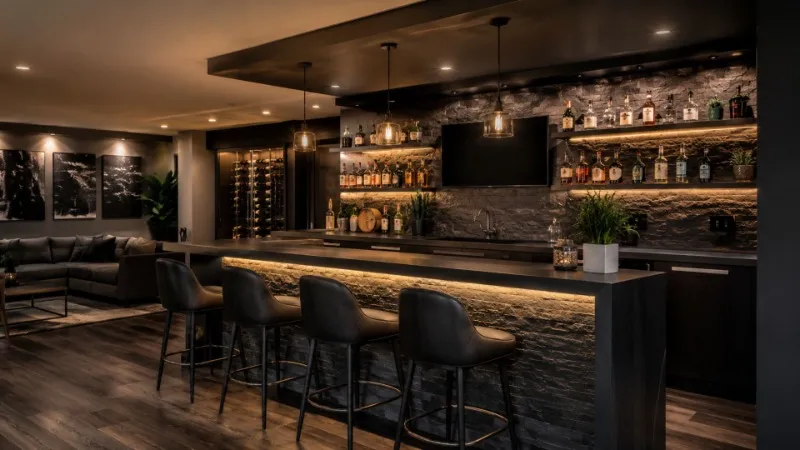
Basement bar ideas help homeowners create stylish entertainment spaces in unused home areas for relaxing gatherings offering smart design inspiration storage solutions lighting tips and modern comfort that turn simple basements into welcoming spots for family and friends enjoyment today. Basement bar ideas define creative ways to design a personal bar in the basement of a home. These ideas focus on comfort function and style. Homeowners use them to improve unused space and increase entertainment value.
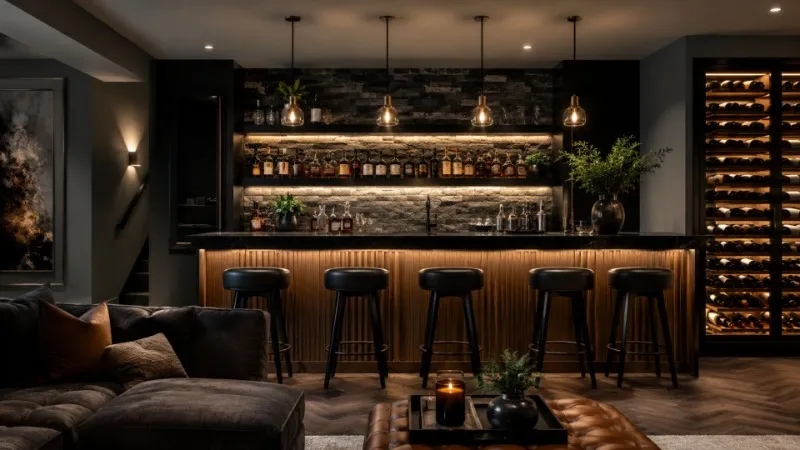
Building a basement bar is no longer just for the wealthy or the renovation-obsessed. With smart planning, the right ideas, and a clear vision, any homeowner can create a functional and stylish home bar that fits their personality and budget. Whether you prefer the warmth of a rustic wood bar, the sleek finish of a modern minimalist setup, or the nostalgia of a vintage pub corner the possibilities are truly endless.
In this guide, we break down of the most inspiring basement bar ideas, packed with practical insights, style notes, pro tips, and real-world examples you will not find anywhere else. By the end, you will know exactly which direction to take your space and how to make every square foot count.
Classic Wet Bar Setup
Timeless and Functional
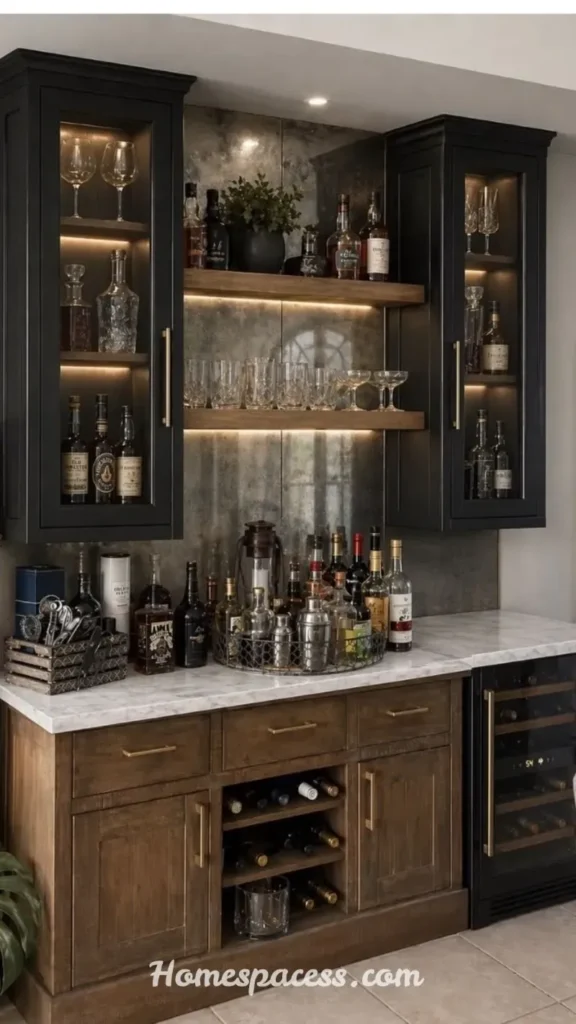
A classic wet bar remains one of the most popular basement bar ideas for good reason: it works. A wet bar includes a built-in sink, running water, a countertop, and dedicated storage for spirits, glassware, and bar tools. This setup eliminates the need to run upstairs every time someone needs ice or a water refill, making it both practical and party-friendly.
The key is placing the sink centrally, flanked by countertop workspace on both sides. Use quartz or granite countertops for durability and visual impact. Add open shelving above for bottles and a mini-fridge below for cold storage. Real-life example: A homeowner in Chicago converted a 200 sq. ft. basement corner into a wet bar with marble counters and under-counter wine storage and reported a 10% increase in home appraisal value.
💡 Pro Tip Install a dedicated hot and cold water line early in the renovation. Retrofitting plumbing after drywall is up can double your labor cost.
Must Read: Trendy Outdoor Bar Ideas for Modern Patio Makeovers
Rustic Wood and Brick Basement Bar
Warm and Inviting
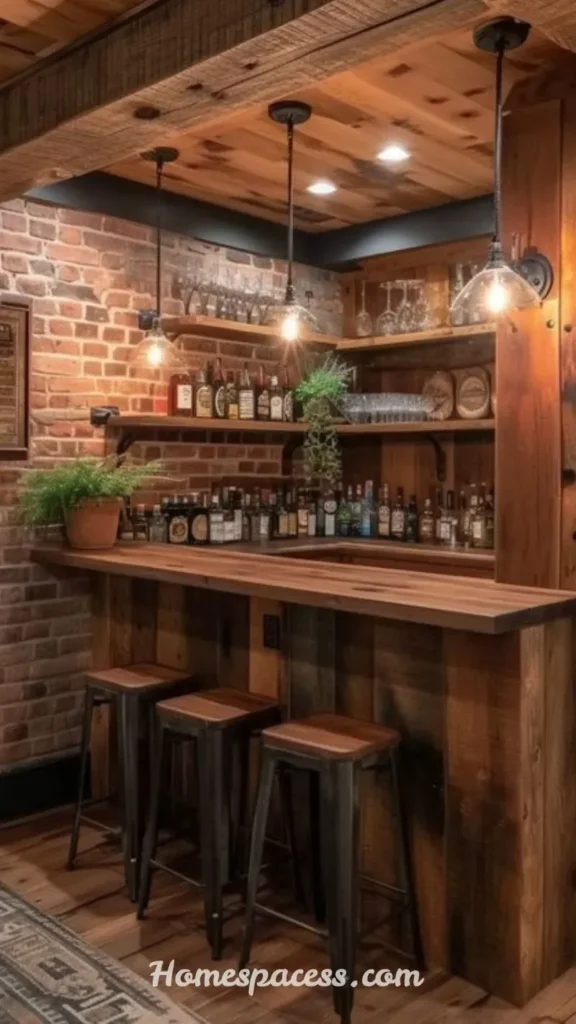
If you want your basement bar to feel like a cozy neighborhood tavern, rustic design is your best friend. This style uses reclaimed wood, exposed brick, and warm Edison-bulb lighting to create an atmosphere that is both welcoming and visually rich. It works exceptionally well in older homes where the basement already has raw brick walls or low wooden beam ceilings.
Consider using reclaimed barn wood for the bar face and floating shelves. Add a brick accent wall behind the liquor display to create a natural focal point. Install vintage-style bar stools with leather seats to complete the pub-like feel. A family in Kentucky used salvaged wood from their old barn to build a bar top saving over $1,200 in material costs while creating a truly one-of-a-kind piece.
💡 Pro Tip Seal reclaimed wood with a food-safe polyurethane finish if it will be used as a bar top. Unsealed wood absorbs spills and becomes impossible to clean over time.
Read More: Bedroom Curtain Ideas That Make Any Room Look Bigger and Brighter
Modern Minimalist Home Bar
Sleek Lines, Maximum Impact
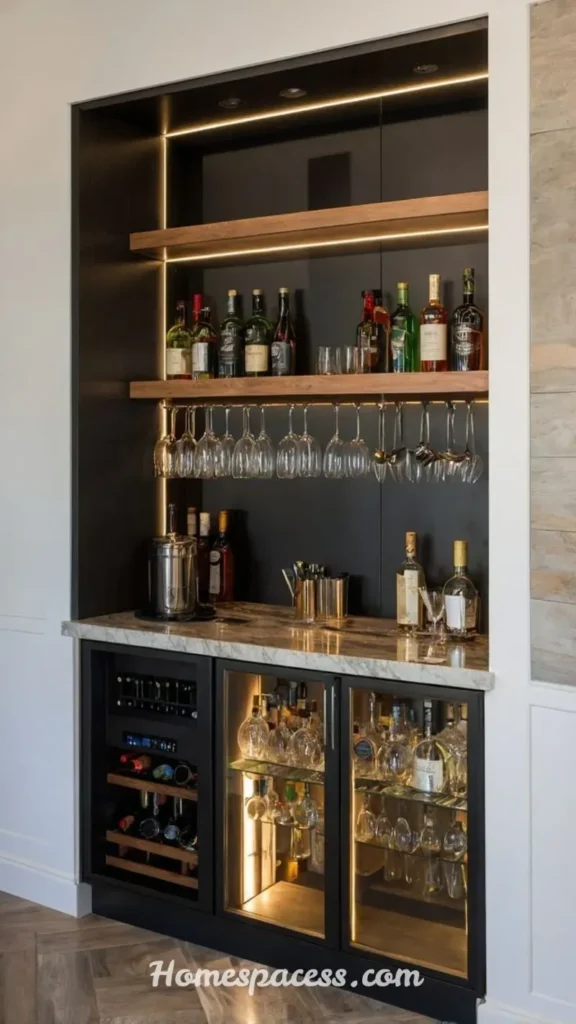
Modern minimalist basement bars strip everything down to clean geometry, muted palettes, and purposeful design. Think handleless cabinetry, floating bar shelves with integrated LED lighting, and a seamless countertop in concrete or white quartz. This style suits homeowners who prefer understated elegance over ornate detail.
The visual power of a minimalist bar comes from contrast a matte black faucet against a white counter, dark walnut shelves against pale gray walls. Keep the bar area uncluttered by using hidden storage inside custom cabinets. A design studio in Toronto built a minimalist basement bar for a client using only three materials poured concrete, brushed steel, and smoked glass and the result was stunning. Less truly is more when every choice is intentional.
💡 Pro Tip Backlit floating shelves are the secret weapon of minimalist bars. They highlight your bottle collection while eliminating the need for overhead lighting in that zone.
Also Read: Bookshelf Decor Ideas to Add Personality and Charm to Any Space
Sports Bar Style
The Ultimate Fan Cave Experience
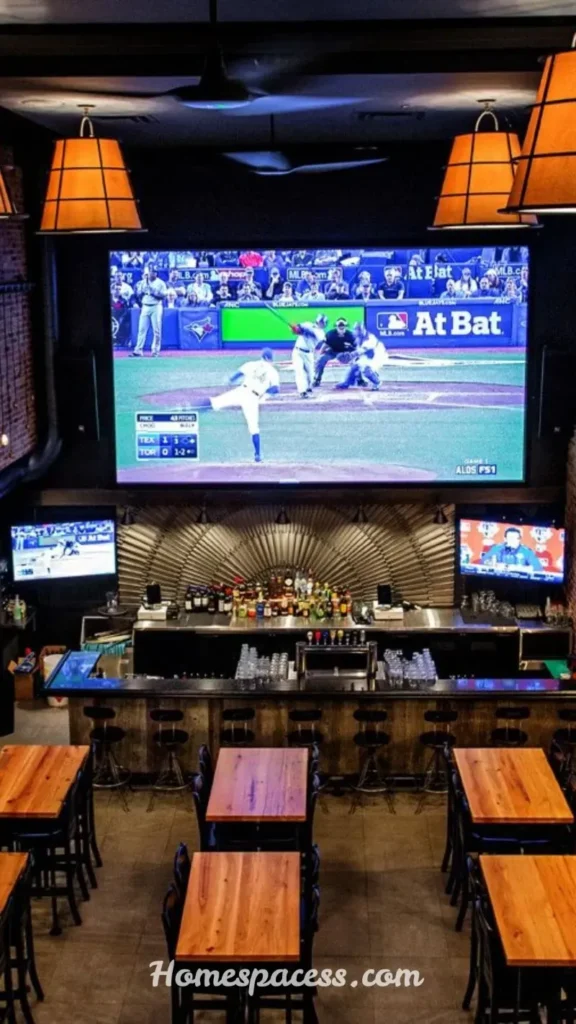
For the sports enthusiast, converting the basement into a sports bar-style space is the dream renovation. This setup combines a functional bar with a dedicated viewing area think large-screen TVs, team memorabilia, comfortable seating, and easy access to cold drinks. The bar anchors the room while the entertainment setup takes center stage.
Mount two or three large-screen TVs side by side or in an L-shape configuration so multiple games can be watched simultaneously. Use team colors in your upholstery and wall art. Add a commercial-style beer tap system (kegerator) under the bar for that authentic stadium feel. One homeowner in Dallas built an NFL-themed sports bar in his basement complete with a 4K projector wall, two mounted TVs, and a custom jersey display it became the neighborhood’s Super Bowl destination.
💡 Pro Tip Run all HDMI, power, and cable connections before drywalling. Future-proofing your A/V infrastructure in the walls saves enormous hassle when upgrading screens later.
More Explore: Front Garden Ideas for Every Style From Classic to Modern Homes
Speakeasy-Themed Bar
Hidden Luxury and Old-World Glamour
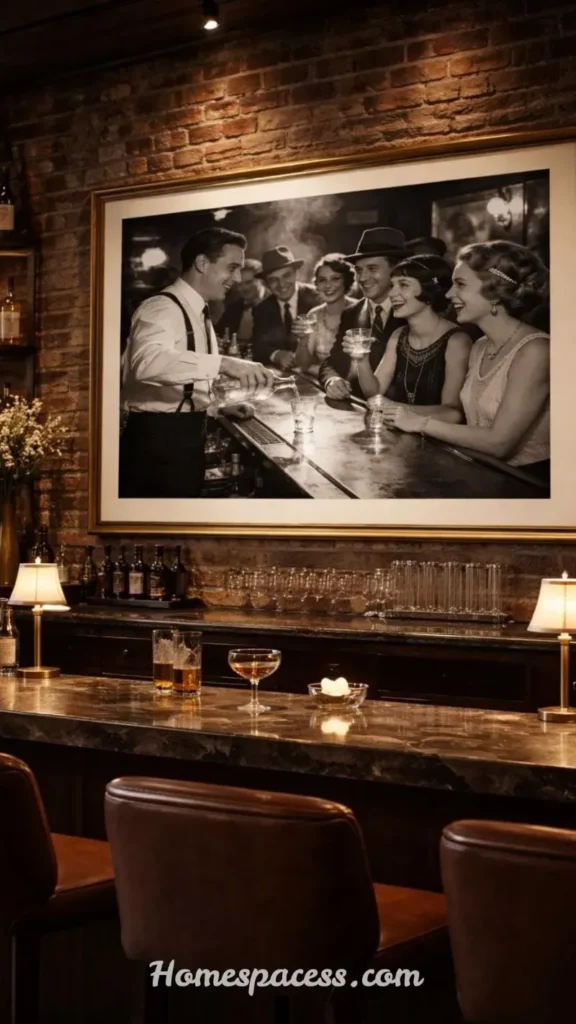
Nothing captivates guests quite like a speakeasy-themed basement bar. Inspired by the underground bars of the 1920s Prohibition era, this concept leans into dramatic lighting, dark jewel tones, plush seating, and a sense of theatrical secrecy. A hidden door entrance disguised as a bookshelf or a section of paneled wall adds an unforgettable first impression.
Use deep navy, burgundy, or hunter green on the walls. Choose curved booth seating in velvet or tufted leather. Install a backlit bar with vintage glass shelves and dark wood paneling. Add framed vintage cocktail posters and a custom neon sign for the finishing touch. A couple in New Orleans renovated a 300 sq. ft. basement into a speakeasy-inspired bar room and now regularly host cocktail evenings that their guests describe as unlike any home experience they have had.
💡 Pro Tip Add a hidden-door entrance using a bookshelf door kit (available on Amazon for $400–$800). It takes one weekend to install and delivers an extraordinary ‘wow’ moment every time.
Wine Cellar Bar Combo
For the Connoisseur
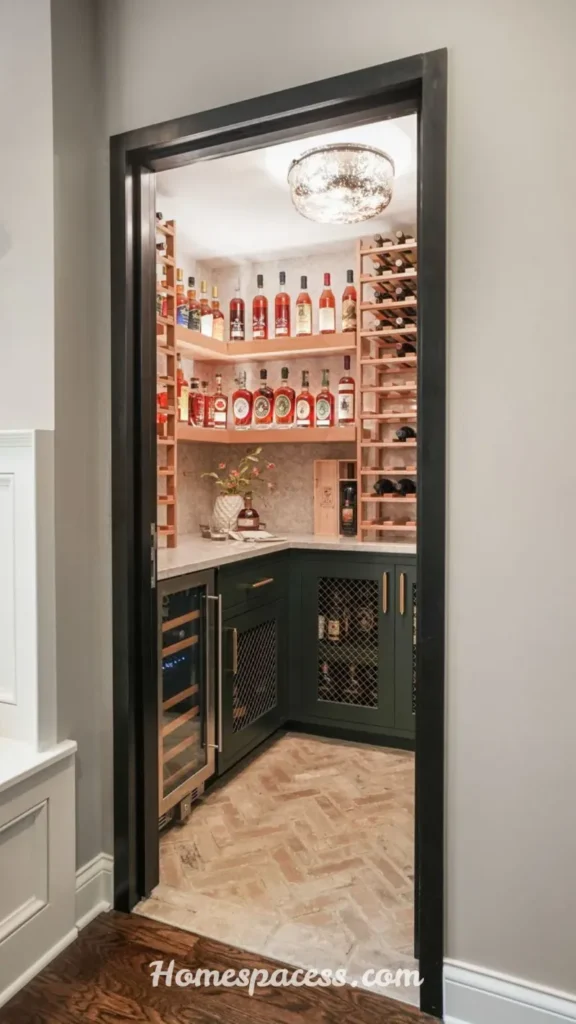
If you are a wine lover, why keep your collection hidden in a rack when it can become the centerpiece of your entire basement bar? A wine cellar bar combination merges temperature-controlled wine storage with an elegant tasting bar, creating a space that is as functional as it is breathtaking. Floor-to-ceiling wine racking systems on one wall instantly transform a plain basement into a sophisticated retreat.
The key to a proper wine cellar bar is climate control. Install a through-wall wine cooling unit to maintain 55°F (13°C) with 60–70% humidity ideal for long-term wine storage. Pair it with a marble tasting counter, a double-drawer wine fridge under the bar, and stemware racks overhead. A wine collector in Napa Valley built a 400-bottle cellar bar in his basement for around $18,000 and an appraiser valued the addition at over $25,000 toward the home’s sale price.
💡 Pro Tip Insulate your wine cellar walls with closed-cell spray foam rather than fiberglass batts. It provides a superior vapor barrier, which is critical for humidity control in wine storage.
Basement Bar with Game Room
Double the Fun
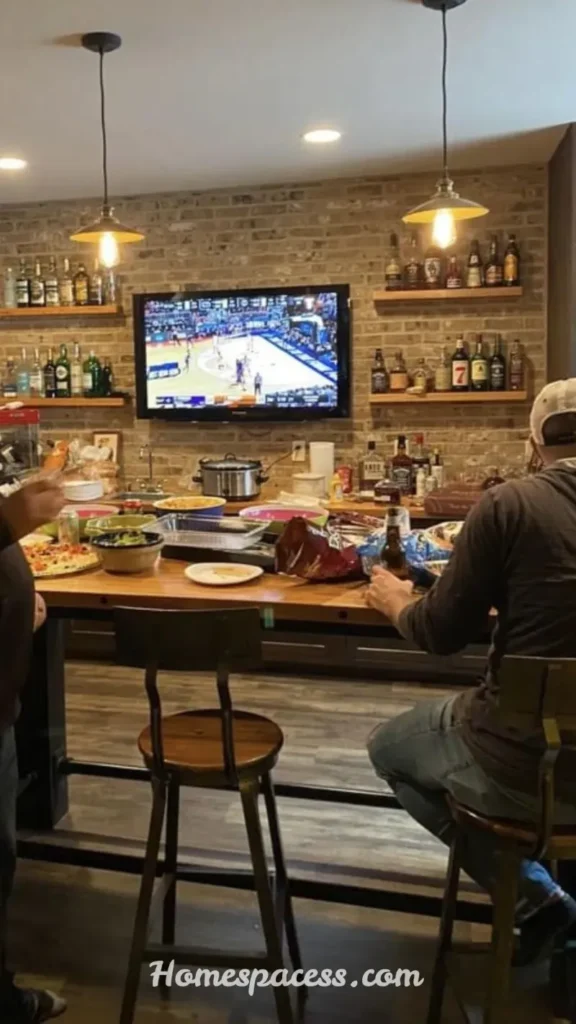
Combining a basement bar with a game room is one of the smartest layout decisions you can make. When entertainment spaces and social drinking are in the same zone, every gathering becomes effortlessly memorable. Whether it is a pool table, dartboard, shuffleboard, poker table, or a retro arcade corner a game room bar keeps guests engaged for hours.
Zone the space deliberately: keep the bar at one end with stools for casual conversation, and anchor the game room at the opposite end. Use an open-plan layout without interior walls to let the energy flow between both areas. Add overhead pendant lighting above the pool table and directional task lighting over the bar counter. A family in Michigan designed a 600 sq. ft. basement with a full L-shaped bar on one side and a billiards/arcade corner on the other and they reported that it eliminated the need for any external entertainment spending on weekends.
💡 Pro Tip Allow at least 5 feet of clearance on all sides of a pool table for comfortable cueing. Measure before buying many basements are too narrow for a full-size 9-foot table.
Industrial Chic Basement Bar
Raw Urban Aesthetic
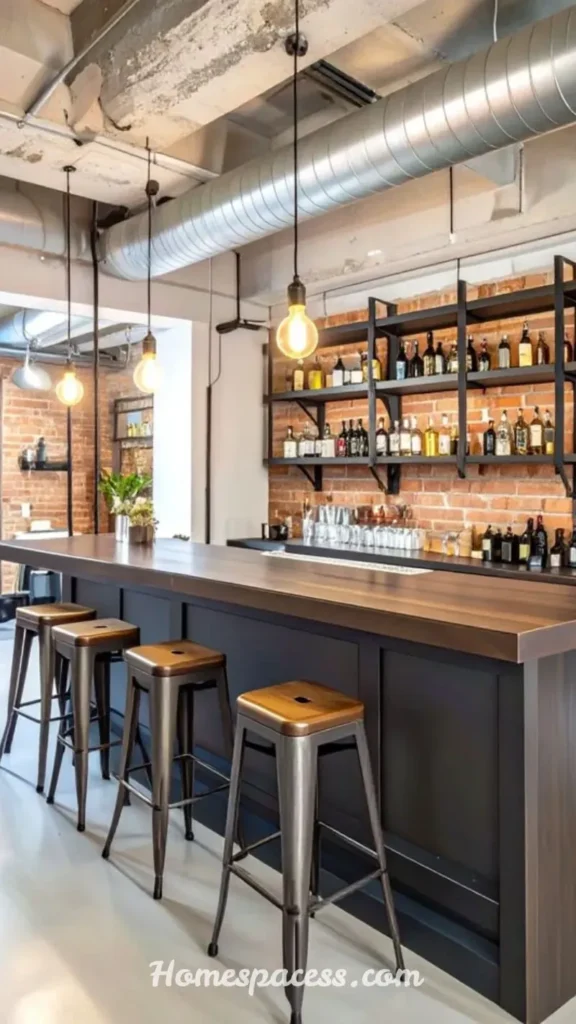
The industrial chic style has become one of the most popular directions for basement bar ideas in the past five years, and for good reason. Exposed ductwork, concrete floors, steel pipe shelving, and raw wood create a gritty-yet-sophisticated aesthetic that feels both urban and timeless. This style is particularly well-suited to basements that already have exposed joists or unfinished ceilings.
Rather than hiding infrastructure, celebrate it. Leave ductwork exposed and paint it matte black. Use galvanized steel pipe to build open bar shelving. Install a poured concrete bar top for a raw, one-piece look. Add industrial bar stools in aged leather and steel. A designer in Brooklyn built a full industrial bar in a Manhattan basement apartment using exposed concrete walls, steel-frame windows, and reclaimed factory shelving and the space was later featured in a design magazine.
🎨 Style Note Keep the color palette to black, charcoal, raw steel, and warm amber wood tones. Introduce a single pop of color through a neon sign or a patterned tile floor medallion.
Nautical or Tiki Bar
Bring the Resort Home
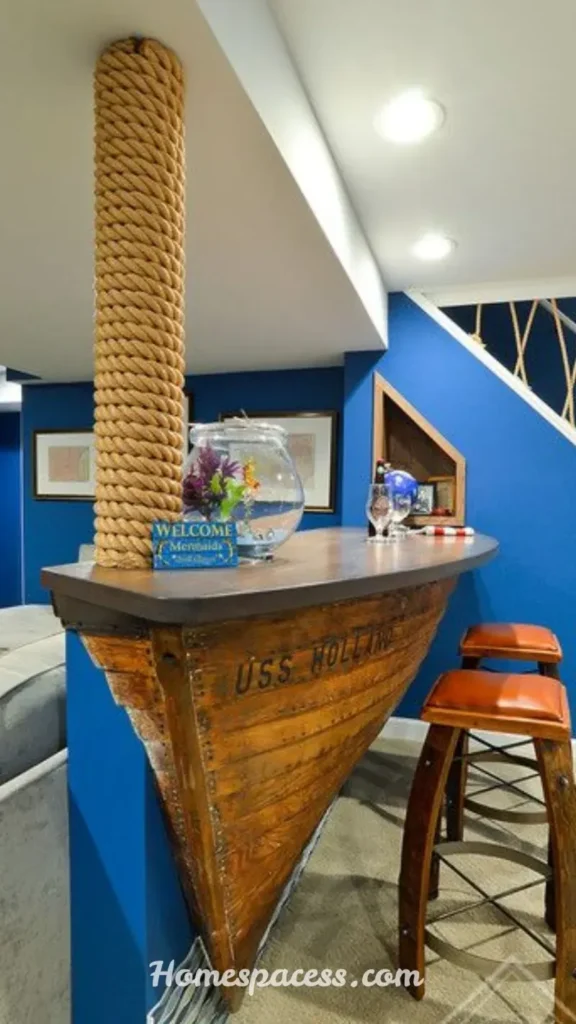
Not every basement bar needs to be serious. A nautical or tiki-themed bar is one of the most joyful and personality-rich approaches to home bar design. Rope details, bamboo accents, ship-lap paneling, surfboard art, and tropical plants transform your lower level into a permanent vacation destination. This style works especially well for homeowners in warmer climates or anyone who loves the beach aesthetic year-round.
For a tiki bar, use bamboo or thatch-style ceiling panels above the bar area, install a grass-skirt bar front, and stock colorful glassware. A nautical version leans into navy and white stripes, rope coils as decor, porthole mirrors, and weathered wood. A homeowner in Florida built a tiki bar in their walkout basement that opens to the pool patio creating a seamless indoor-outdoor entertaining flow that became the envy of the neighborhood.
💡 Pro Tip Add a small portable blender station and a mini fridge dedicated to frozen drink ingredients. A designated ‘frozen cocktail station’ is a crowd-pleaser at every summer party.
Luxury Lounge Bar
High-End Entertaining at Home
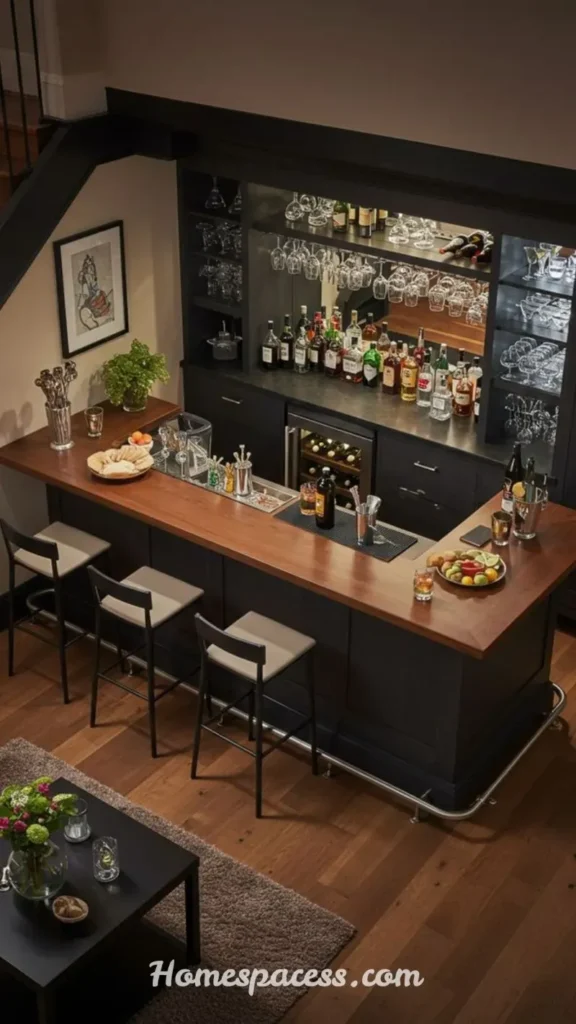
A luxury lounge basement bar blurs the line between a high-end cocktail bar and a private members’ club. This concept prioritizes premium materials marble, velvet, gold hardware, custom millwork paired with sophisticated ambient lighting and professional-grade bar equipment. It is a significant investment but delivers an unmatched atmosphere for entertaining and adds substantial value to the home.
Invest in a custom back bar with mirror panels, glass shelves, and integrated lighting. Choose a waterfall-edge marble bar top. Add a commercial-grade cocktail station with a dedicated ice maker, speed rail, and bar mat. Install a custom acoustic ceiling to control sound. A luxury renovation firm in Los Angeles completed a 500 sq. ft. basement lounge bar for a client at a $75,000 investment and the home sold for $120,000 above asking price, with buyers citing the bar as the deciding factor.
🎨 Style Note Use layered lighting: recessed dimmers overhead, sconces at bar level, and LED strips under shelving. Three lighting layers create a depth and richness that no single source can achieve.
DIY Budget Basement Bar
Big Style, Small Spend
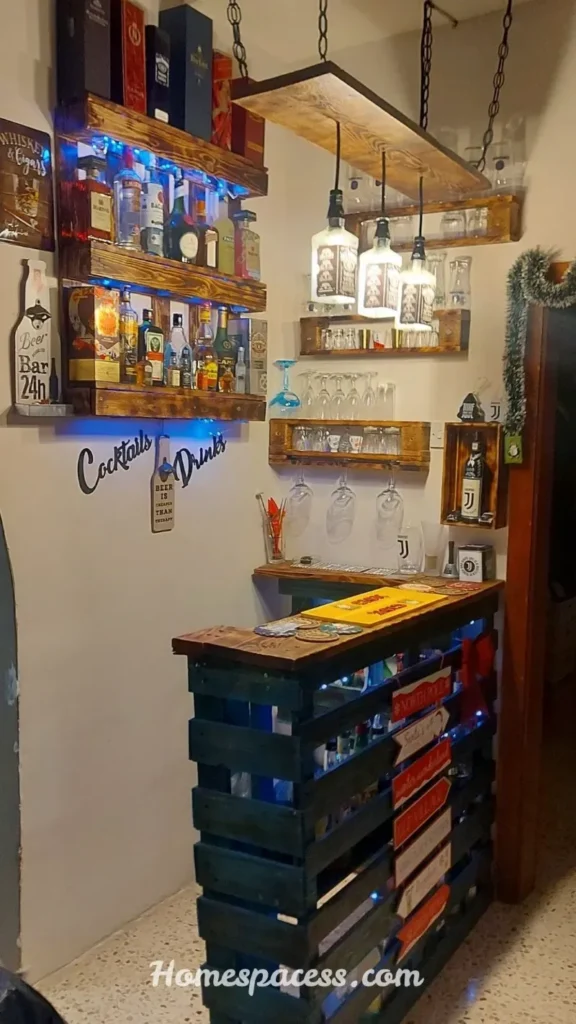
You do not need a $50,000 budget to build an impressive basement bar. With smart material choices and a willingness to do some work yourself, a fully functional and visually appealing DIY basement bar is achievable for under $3,000–$5,000. The secret is prioritizing where you spend and where you save and knowing the difference.
Use IKEA KALLAX or SEKTION cabinets as your base and add custom wood countertops cut to size at your local lumber yard. Frame out a basic bar structure using 2x4s and plywood, then clad the front in peel-and-stick brick or shiplap panels for a high-end look at low cost. Add a basic bar sink kit (available for under $200) and a compact countertop fridge. One DIY enthusiast built a full L-shaped bar in his basement for $2,800 using these techniques and it regularly gets mistaken for a professional installation by first-time visitors.
🎨 Style Note Peel-and-stick brick veneer panels ($40–$60 per sheet) are a game-changer for budget bars. They are lightweight, easy to cut, and look remarkably authentic when painted or stained.
💡 Pro Tip Build your bar frame 6 inches taller than you think you need. Bar height of 42–44 inches (counter height) accommodates both seated bar stools and standing guests comfortably.
Smart Bar with Integrated Technology
The Future of Home Entertaining
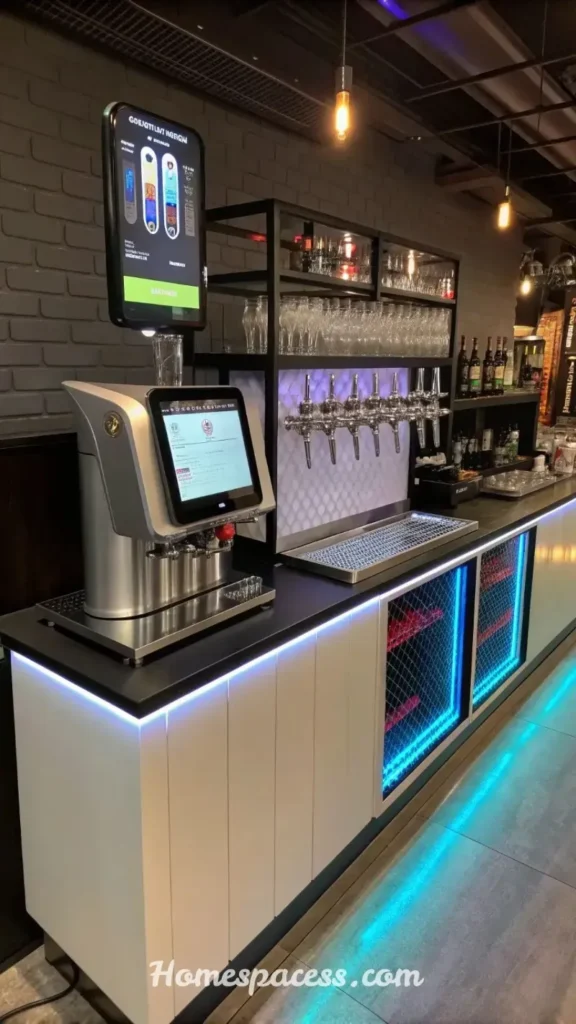
The smart home revolution has fully arrived in the basement bar. Today’s most forward-thinking basement bar ideas incorporate integrated technology from smart lighting controlled by voice or app, to automated wine dispensers, touchscreen cocktail recipe displays, and whole-basement audio systems. A smart bar does not just look impressive it functions at a level that traditional setups cannot match.
Install a Sonos or Q Acoustics in-ceiling speaker system for room-filling sound. Add Philips Hue recessed lights with programmable bar-scene presets a tap on your phone shifts the room from ‘cocktail party’ to ‘game night’ lighting. Use a smart thermostat zone to maintain consistent cellar temperatures. A tech-forward homeowner in Seattle integrated his basement bar with Amazon Alexa: voice commands control lighting, music, temperature, and even order restocking when inventory runs low through a smart fridge. The setup cost $6,500 in technology alone but placed the home in a completely different tier at resale.
🎨 Style Note Conceal all technology infrastructure behind clean panels. Exposed wires and visible tech hardware undermine the polished aesthetic of any bar style minimalist or luxurious.
💡 Pro Tip Install a dedicated 20-amp circuit for your bar’s electrical zone during renovation. Smart bars draw significant power, and a shared circuit will cause breaker trips during entertaining.
Conclusion
Basement Bar Ideas help you turn unused space into a stylish and useful area. They make your home more welcoming and fun for family and guests. You can choose simple, modern, or luxury styles based on your budget and taste. Good lighting, smart storage, and comfortable seating improve the overall look. With the right planning, any basement can become a relaxing entertainment spot. These ideas also increase home value and create a perfect place for gatherings and celebrations.
In the end, Basement Bar Ideas give you many ways to design a space that fits your lifestyle. Focus on comfort, function, and simple decoration for best results. Even small basements can look beautiful with smart design choices. Use creative layouts and practical materials to save money and space. A well-designed basement bar brings joy, relaxation, and a perfect home entertainment experience every day.
Trend Analysis
What Is Shaping Basement Bar Design in 2026–2027
The most significant trend reshaping basement bar ideas right now is the shift from purely aesthetic design to experience-driven spaces. Homeowners are no longer building bars simply to have a place to pour drinks they are curating entire environments. According to design professionals, the top emerging trends for 2026–2027 include biophilic elements (live plants integrated into bar design), curved bar silhouettes replacing boxy straight-line bars, and the rise of ‘dry bars’ non-alcoholic drink stations designed for wellness-conscious hosts.
Warm metallic finishes particularly unlacquered brass and aged bronze are rapidly replacing the chrome and polished nickel that dominated the previous decade. Japandi aesthetics (a fusion of Japanese minimalism and Scandinavian warmth) are gaining significant traction in basement bar design, producing serene, intentional spaces with natural materials, earthy tones, and an absence of clutter. Meanwhile, multifunctional bars spaces that convert from a bar to a coffee station to a casual workspace reflect the post-pandemic demand for rooms that serve multiple life purposes.
Looking ahead to 2026 and beyond, expect to see AI-assisted bar management smart systems that track inventory, suggest cocktail recipes based on available ingredients, and auto-reorder low-stock items. Voice-activated bar environments will become mainstream rather than a luxury. The ‘phygital’ bar (physical space enhanced by digital interfaces) where touchscreens embedded in bar tops display menus, recipes, and ambiance setting is already appearing in high-end residential builds and will trickle into the mid-market within two to three years.
Expert Insights
What Interior Designers and Contractors Know That You Don’t
One of the most consistently overlooked factors in basement bar planning is ventilation. Professional bar designers always install dedicated exhaust fans or integrate the bar zone into the home’s HVAC return system. Without adequate ventilation, odors from beer, spirits, and food accumulate in enclosed basement spaces creating a space that smells stale and uninviting regardless of how beautiful it looks. This is a $500–$1,500 investment that most DIYers skip and later regret.
Lighting placement is another area where amateurs and professionals diverge dramatically. Most homeowners install overhead recessed lights and stop there. Experienced designers always layer three types of lighting: ambient (general illumination), task (bright, directional light for bar work), and accent (mood and atmosphere). Without all three layers working together, a basement bar will look flat and uninspiring even with premium materials. Dimmer switches on every circuit are non-negotiable for a bar that transitions between daytime and evening use seamlessly.
Flooring choice in a basement bar has implications beyond aesthetics. Basements are susceptible to moisture and minor flooding. Luxury vinyl plank (LVP) flooring is the professional’s choice for basement bars it is 100% waterproof, comfortable underfoot, realistic in appearance, and far more forgiving than hardwood or laminate if moisture intrudes. Polished concrete is a second strong option but requires a topcoat sealer with a non-slip additive, especially behind the bar where spills are guaranteed.
Sustainability and Long-Term Value
Building a Bar That Lasts and Pays
The smartest basement bar investments are those that deliver both lifestyle value and measurable financial returns. Real estate professionals consistently report that a well-designed finished basement particularly one with a functional bar increases a home’s resale value by 10–15%. In competitive housing markets, a standout basement bar has been documented as a deciding factor in sale negotiations. It also significantly expands the pool of interested buyers, as many actively search for homes with entertainment-ready lower levels.
From a sustainability perspective, choosing reclaimed and responsibly sourced materials for your bar build is both environmentally responsible and financially smart. Reclaimed wood is not only visually superior it is also structurally dense and more resistant to warping and wear than new-growth timber. Recycled glass countertops, bamboo cabinetry, and VOC-free paints and stains contribute to a healthier indoor air quality, which is particularly important in enclosed basement environments.
Energy efficiency in a basement bar is an often-missed opportunity. LED lighting throughout, ENERGY STAR-certified mini-fridges and kegerators, and a properly insulated bar room all reduce ongoing operational costs. A homeowner who installs smart plugs on bar appliances shutting them off when not in use can save $200–$400 annually in electricity. Over a 10-year ownership period, these savings offset a meaningful portion of the original build cost, making sustainability an economic choice as much as an ethical one.
Future Predictions
Where Basement Bar Design Is Heading by 2030
The next five years will see basement bars evolve from static built environments into responsive, adaptive spaces. Modular bar systems pre-engineered units that can be reconfigured as entertaining needs change will replace traditional fixed millwork for many homeowners. This shift is already visible in the popularity of modular kitchen systems, and the trend is crossing into home bar design as manufacturers like IKEA, String Furniture, and boutique millwork companies develop flexible bar modules.
Augmented reality (AR) will transform how homeowners plan and visualize basement bars before a single board is cut. Apps like IKEA Place and Houzz already allow basic furniture visualization but dedicated home bar planning tools with AR overlays, material simulators, and lighting previews are in active development by several major home improvement companies. By 2027, homeowners will be able to walk through a fully rendered virtual version of their planned basement bar before committing to any purchases.
The non-alcoholic and wellness cocktail movement will also reshape basement bar design. Dedicated ‘wellness bar’ zones featuring kombucha taps, ceremonial matcha stations, adaptogen drink dispensers, and cold brew coffee systems will increasingly appear alongside or instead of traditional spirits bars. As health-conscious entertaining becomes the norm rather than the exception, basement bars will be designed to serve the full spectrum of guest preferences, making them more inclusive and more frequently used throughout the week.
Common Mistakes
and Overlooked Factors: Avoid These Costly Errors
The single most expensive mistake homeowners make when planning a basement bar is skipping the permit process. Many assume that because the basement is below grade and out of sight, permits are unnecessary. This is incorrect and potentially disastrous. Unpermitted work particularly plumbing, electrical, and structural modifications can void homeowner’s insurance claims, cause problems during home sale inspections, and result in fines or mandatory demolition. Always pull the necessary permits before beginning any basement bar renovation.
Another commonly overlooked factor is ceiling height. A basement bar requires a minimum ceiling height of 7 feet for a comfortable experience anything lower creates a cave-like feeling that guests find uncomfortable and claustrophobic. If your basement has a 6.5-foot ceiling, do not attempt to install recessed lighting or pendant fixtures they will be at eye level and dangerous. Instead, explore surface-mounted flat LED panels and avoid any design elements that draw the eye upward. Alternatively, consult a structural engineer about the feasibility and cost of lowering the basement floor to gain height.
Finally, many homeowners underestimate the importance of a dedicated storage plan. A beautiful bar with nowhere to store backup bottles, bar tools, cocktail ingredients, and glassware quickly becomes cluttered and dysfunctional. Build more storage than you think you need ideally a combination of open shelving for display, closed cabinetry for backup stock and tools, and a dedicated utility drawer for corkscrews, jiggers, strainers, and bar spoons. A bar that stays organized is a bar that gets used and enjoyed for years to come.

Team Home Spacess shares simple, practical design ideas that work for real families. The team focuses on cozy décor, soft colors, and natural textures that make a space feel truly lived-in. From everyday decorating tips to creative home projects, Team Home Spacess is dedicated to helping readers create warm, comfortable, and inviting spaces with a fresh and personal touch.