

A healthy green yard does not need harsh chemicals or high water bills. Traditional lawn care uses synthetic products that wash into waterways and harm soil health.
Switching to greener methods protects local wildlife and keeps grass healthy throughout the year. Simple changes to mowing, watering, and plant choices can lower monthly costs. These simple steps create an outdoor space that stays strong and healthy with less harm to nature.
Rethinking Traditional Yard Maintenance
Many homeowners are looking for cleaner ways to care for their yards. Working with experts like Eagle Lawns can help property owners build natural lawn care routines. These methods reduce the need for synthetic chemicals. Professional advice helps homeowners plan feeding schedules that support deep roots.
Traditional lawn care depends on synthetic fertilizers. Fast-release products make grass grow quickly, but they may harm soil health. They can also wash into nearby streams. Natural lawn care focuses on feeding the soil. It supports small organisms that break down nutrients and release them slowly.
Recycling Grass Clippings for Free Nutrients
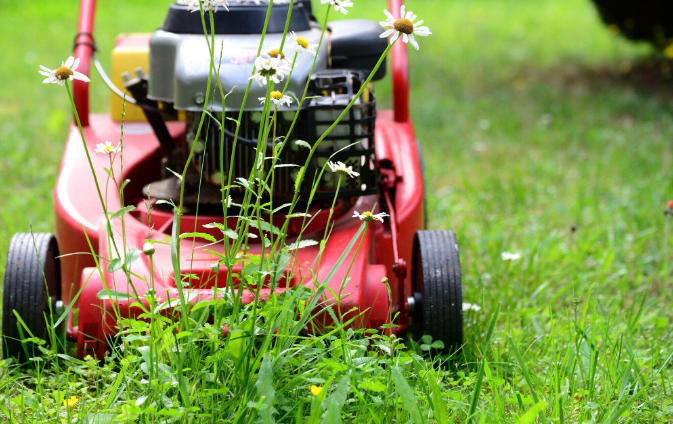
Mowing without a collection bag is one of the easiest ways to care for a lawn naturally. Leaving grass clippings on the ground lets them break down and return nutrients to the soil. Bagging grass clippings can remove most of the nitrogen applied to a lawn over a year. Leaving clippings in place returns nutrients to the soil, supports healthy soil life, and creates a natural source of fertilizer with every mow.
Mulching mowers cut grass into small pieces that settle near the soil. These pieces break down quickly and help feed the lawn without adding extra thatch when mowing is done properly. Set mower blades to remove only the top third of the grass to keep clippings small and easy to manage.
Selecting Native Plants and Permeable Surfaces
The plants and hard surfaces around a home affect how water moves through the yard and nearby areas. Native plants need less water because they are suited to local weather and soil and provide food and shelter for local wildlife. Porous surfaces allow rainwater to soak into the ground instead of running across the yard.
- Native plants grow well in local conditions and need less watering
- Permeable pavers let rain soak into the ground
- Gravel paths provide sturdy walkways
Combining native plants with porous surfaces helps create a balanced yard. Rain can soak into the ground where it falls and reduces runoff that can carry dirt and pollution into nearby waterways.
Implementing Smart Watering Routines
Too much water can cause more lawn problems than many homeowners expect. Short, daily watering sessions keep roots near the surface. Water deeply once or twice a week when needed, encouraging roots to grow deeper in search of moisture. Watering early in the morning reduces water loss from heat and sunlight. Rain sensors can stop sprinklers from running during storms.
Drip irrigation sends water straight to plant roots. It reduces the water lost through spray and evaporation and prevents water from landing on sidewalks and driveways. Simple upgrades to sprinkler controls can save thousands of gallons of water each season.
Build a Greener Yard for a Healthier Future
Sustainable lawn care creates an attractive yard and protects water supplies and local wildlife. The simple steps outlined above can improve yard health. Small changes in daily habits can bring lasting benefits to both property value and the environment.
Start with one green practice today to build a healthier yard for the future. To stay updated with our latest blog posts, explore our website.

Team Home Spacess shares simple, practical design ideas that work for real families. The team focuses on cozy décor, soft colors, and natural textures that make a space feel truly lived-in. From everyday decorating tips to creative home projects, Team Home Spacess is dedicated to helping readers create warm, comfortable, and inviting spaces with a fresh and personal touch.