

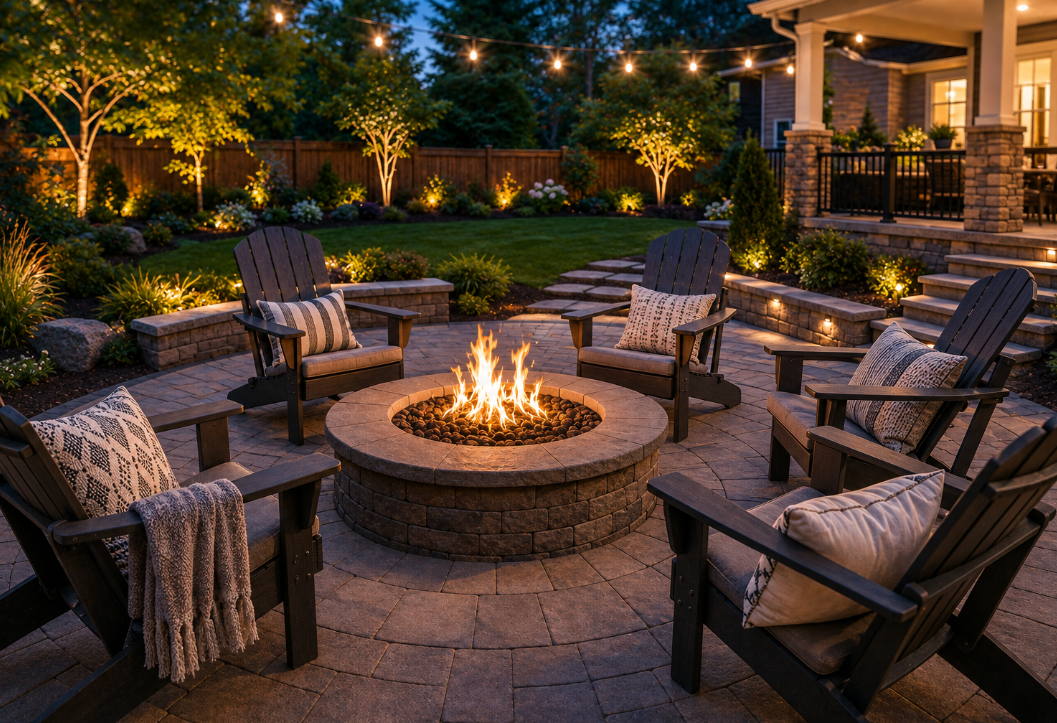
When searching for your next property, the most important things to look for in a backyard are sound structural fundamentals like grading, drainage, and retaining walls, rather than cosmetic staging. A beautifully staged yard often masks expensive underlying issues. You should base your buying decision on the physical health of the lot, not the furniture placed on it.
Outdoor areas heavily influence real estate decisions today. Recent data shows that 75% of homebuyers prioritize homes with outdoor living spaces over those lacking this feature. This high demand makes it incredibly easy to fall in love with a charming fire pit or twinkling string lights during a quick home tour. However, letting surface appeal distract you from expensive lot constraints is a fast track to buyer’s remorse.
Smart buyers approach property viewings differently. By evaluating a property with both a real estate and a contractor’s perspective, you ensure you are investing in sound fundamentals rather than just temporary decoration. Looking past the staging helps you accurately assess the space and buy a home that truly supports your life.
Why You Must Look Past Cosmetic Staging
Cosmetic staging creates a beautiful first impression, but smart homebuyers look deeper to avoid financial traps. Relying on temporary decorations distracts you from evaluating permanent structural fundamentals. Prioritizing solid utilities over easy visual updates protects your budget from expensive repairs.
Cosmetic staging is the strategic use of temporary items like outdoor furniture, potted plants, and decorative lighting to make a space feel inviting. These elements cost very little and leave with the seller. Permanent structural fundamentals include the retaining walls, concrete patios, soil grading, and drainage systems that stay behind. Industry research indicates that 97% of realtors believe curb appeal and outdoor presentation are important to attracting a buyer. Sellers know that a visually appealing yard distracts buyers from less glamorous structural problems.
Conducting Thorough Physical Audits During Inspections
To protect yourself, adopt the “Pay for the Invisible, Add the Visible” rule of thumb. You should prioritize homes with sound lot foundations, proper water management, and safe hardscaping. Partnering with a dedicated real estate agent in Seattle ensures you evaluate structural feasibility, review seller disclosure statements, and examine property tax assessments before making an offer. Conducting comprehensive sewer scope inspections, auditing foundation settlement, and inspecting drainage systems allows you to account for costly infrastructure repairs during negotiation. You can easily add a fire pit or a nice patio set later for a few hundred dollars. Fixing a cracked foundation caused by poor drainage will cost tens of thousands.
The core goal of your home search is preventing the mistake of falling in love with a feature instead of a life. A beautiful hammock does not matter if the yard floods every time it rains. Look past the presentation to evaluate what you are actually buying.
Factor 1: Lot Grading and Drainage Systems
Water management is the most critical element of a functional backyard. Proper lot grading protects your home’s foundation by directing water away from the structure. Ignoring runoff issues often leads to severe structural damage and leaves your yard permanently unusable.
Lot grading is the slope of the land around a house. A properly graded yard slopes gently downward and away from the foundation. This slope acts as your first line of defense against water intrusion. In rainy climates like the Pacific Northwest, effective water management is non-negotiable. Without a proper slope, rainwater pools against the concrete foundation, eventually seeping into basements or crawlspaces.
Poor runoff management causes expensive structural repairs and ruins the outdoor experience. A yard that fails to drain properly turns into a permanently muddy swamp during the wet season. You cannot garden, let pets run freely, or entertain guests in a bog.
Treat your property viewings as “Learning Tours” to spot these functional trade-offs. Compare the water management requirements of different properties. A steeply sloped lot offers great views but requires complex, expensive drainage catchments. A perfectly flat lot is easier to use but requires careful artificial grading to prevent water from sitting in place.
How to Spot Poor Water Management
Identifying poor drainage during a walkthrough saves you from buying a waterlogged property. Look closely for mushy grass, pooling water, and slopes angling toward the foundation. Spotting these red flags early helps you avoid heavy earthmoving and expensive landscaping overhauls.
During your tour, physically walk the perimeter of the yard. Look for standing water, muddy patches, or grass that feels unusually soft and mushy underfoot. Pay special attention to negative grading. If the ground visually slopes toward the house instead of away from it, you are looking at a guaranteed water problem.
Next, check the existing water management systems. Look for the presence of functional French drains and clear catch basins. Examine the gutter downspouts to see if they have proper extensions that carry water at least a few feet away from the foundation walls.
Fixing poor grading is not a simple weekend project. It is a heavy-duty landscaping task that requires specialized machinery, significant earthmoving, and a large budget. Knowing what to look for keeps you from inheriting someone else’s expensive drainage nightmare.
Factor 2: The Structural Integrity of Retaining Walls and Decks
Retaining walls, patios, and decks carry massive replacement costs if they fail. Inspecting the physical condition and safety of these existing structures prevents hidden repair bills. Evaluating these expensive hardscaping elements ensures you are buying a safe, structurally sound property.
Existing outdoor structures look great in listing photos, but their hidden condition dictates your future maintenance budget. Retaining walls hold back tons of soil and water pressure. If a retaining wall collapses, rebuilding it requires heavy equipment and highly specialized labor. Similarly, a failing deck is a massive liability that requires immediate demolition and replacement.
You can spot early signs of failing retaining walls with a careful visual check. Look for walls that visibly lean forward or bow in the middle. Check for cracking masonry, crumbling mortar, or rotting timber. You should also look for proper weep holes near the base of the wall. Without these small drainage holes, water builds up behind the wall and eventually forces it to collapse.
Evaluating the structural safety of existing decks requires inspecting the areas you rarely see. Look under the deck to check the condition of the concrete footings and the wooden support posts. Pay close attention to the ledger board where the deck attaches to the house. If this board lacks proper flashing or shows signs of rot, the entire deck is unsafe. Evaluating these elements with a licensed contractor’s technical eye before closing on the home gives you an accurate picture of what you are actually buying.
Factor 3: Natural Lot Flow, Privacy, and Sun Exposure
A yard’s natural layout, privacy, and sunlight dictate how well the space supports your everyday lifestyle. Evaluating the true usable area helps you determine if the environment actually fits your long-term needs. A realistic assessment prevents buying an impractical property.
A large lot size does not automatically equal a highly usable yard. You must evaluate the natural connection between the indoor and outdoor spaces. A yard accessed through a narrow side door is much harder to enjoy than one connected to the kitchen via large glass doors. You also need to assess the privacy level from neighboring properties. A yard surrounded by towering two-story homes looking directly down on your patio offers very little personal space.
Daily sun exposure is another critical factor for year-round usability. A yard shaded by massive evergreen trees will stay cool in the summer but might remain damp and dark all winter. If you plan to grow vegetables or want to sunbathe on the patio, you need a yard with strong southern or western exposure.
Modern homebuyers are prioritizing these personal use factors over pure financial returns.
According to a 2026 Houzz Outdoor Trends Study, the share of homeowners renovating to improve resale value declined to 15%. This indicates a clear shift toward prioritizing personal relaxation and long-term lifestyle goals.
Before touring homes, define exactly how you want to use your outdoor space. If you want a low-maintenance spot for morning coffee, do not get distracted by a massive property with a complex, high-maintenance garden. Match the yard to your realistic daily habits.
Factor 4: Renovation Potential and Hidden Costs
Estimating the true cost of future outdoor modifications is essential before you make an offer. Modifying a backyard often requires a massive budget, making it vital to assess existing conditions. Accurate calculations prevent you from buying a property you cannot afford to improve.
Many buyers assume they can easily flatten a slope, add a fence, or build a new deck after moving in. Estimating the true costs of these future outdoor renovations is essential because landscaping is rarely cheap. While the average US landscaping project costs $8,500, full design-builds for larger yards can easily range from $30,000 to $75,000. This makes it vital to assess the existing conditions before you buy the home.
Different projects carry distinct financial considerations. Use the following table to understand what drives the costs of common backyard additions.
| Renovation Type | Cost Factors to Consider |
|---|---|
| Entertainment Decks | Footings, ledger boards, material choices, permit requirements |
| Fencing | Linear footage, material, terrain slope, gate additions |
| Low-Maintenance Turf | Ground leveling, drainage installation, quality of base materials |
If a yard lacks the functional elements you need, factor those addition costs into your total buying budget. Buying a cheaper home that requires a $40,000 yard overhaul might cost you more in the long run than simply buying a home with completed, structurally sound hardscaping.
Assessing ADU and DADU Feasibility
Adding a backyard dwelling requires strict adherence to zoning rules, utility access, and lot constraints. Identifying these limitations upfront dictates whether your expansion plans are realistic. Consulting a construction expert helps you accurately calculate the true costs of these additions.
A Detached Accessory Dwelling Unit (DADU) is a standalone living structure built on the same lot as a primary residence. Both DADUs and attached ADUs are highly sought-after options for generating rental income or supporting multi-generational living. However, you cannot simply drop a tiny home into any backyard.
Lot constraints dictate ADU feasibility entirely. You must check local zoning rules to see if secondary units are legally permitted on the specific parcel. You also need to evaluate utility access, as trenching new sewer and water lines across a large yard is highly expensive. Lot size and slope also heavily impact the foundation costs for the new unit. Consulting with a team that offers in-house construction and renovation services helps you accurately calculate these complex expansion costs upfront.
Conclusion
Finding a dream backyard means looking past beautiful staging to evaluate the structural integrity, drainage, and true usability of the space. By thoroughly checking lot grading, retaining walls, and sunlight exposure, you protect yourself from buying a property with massive hidden liabilities.
The smartest approach to evaluating outdoor spaces is prioritizing invisible fundamentals over easily added cosmetic features. You can always add a new grill or comfortable seating, but fixing a badly graded, flooding yard is a major financial burden. Real estate is fun when it’s done right, especially when you have transparent guidance on a home’s true physical condition. To get both a real estate and contractor perspective on your next home search, book a consultation or a Learning Tour with Get Happy at Home today.

Team Home Spacess shares simple, practical design ideas that work for real families. The team focuses on cozy décor, soft colors, and natural textures that make a space feel truly lived-in. From everyday decorating tips to creative home projects, Team Home Spacess is dedicated to helping readers create warm, comfortable, and inviting spaces with a fresh and personal touch.