

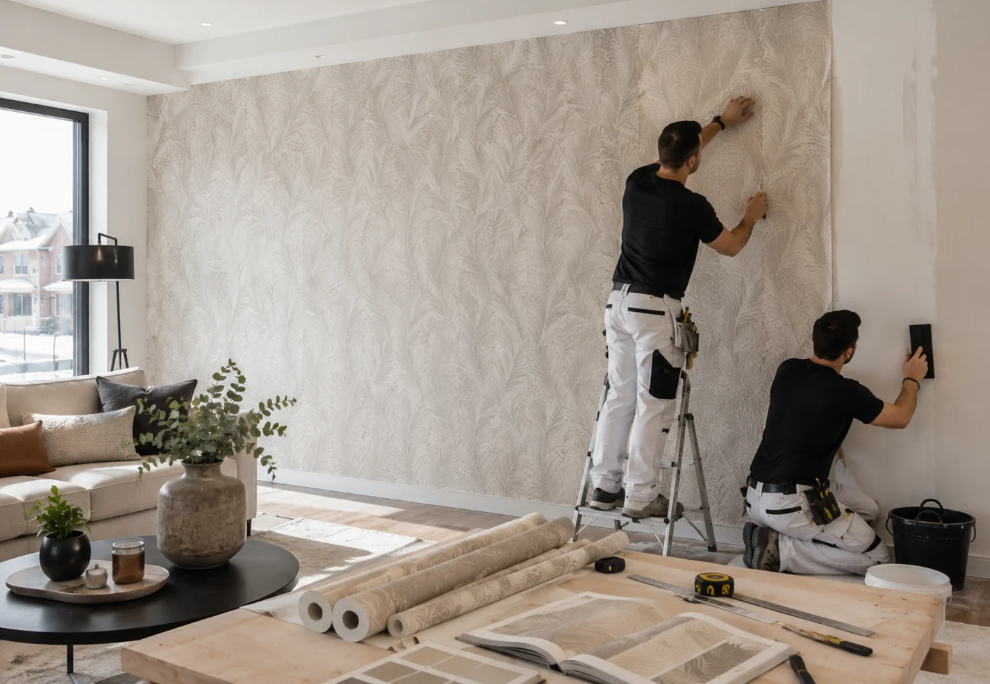
Wallpaper has returned to the center of interior design, and not only as a decorative afterthought. Homeowners now use it to define living rooms, soften hallways, and give bedrooms a sense of character that paint rarely achieves on its own. Yet the success of a wallpapered room depends less on the pattern itself than on the company that supplies it. A poor supplier can turn a straightforward installation into months of delays, mismatched rolls, and expensive corrections.
Choosing well takes some groundwork. The following considerations separate dependable suppliers from those that leave renovation projects stranded.
Start With the Range, Not the Price
It is tempting to begin by comparing prices, but a narrow or inconsistent catalogue is often the first sign of a weak supplier. A reliable company typically stocks several material types, including non-woven, vinyl, grasscloth, and paper-backed options, because different rooms place different demands on a wall covering. Bathrooms and kitchens need moisture resistance. Hallways need durability. Bedrooms can accommodate more delicate finishes.
Supplier knowledge matters as much as inventory. Staff who can explain why a vinyl-coated product suits a steamy room, or why a heavily textured covering needs a particular adhesive, are far more useful than those who simply point to a catalogue. If a supplier cannot answer basic technical questions about composition, washability, or fire ratings, that gap tends to show up later in the project.
Check Material Quality and Certifications
Quality is difficult to judge from a website image, which is why verifiable credentials carry weight. Reputable suppliers can document the standards their products meet. In many regions this includes fire safety classifications and low emission ratings, the latter being relevant for bedrooms and nurseries where indoor air quality is a concern. Products made with water-based inks and free from heavy metals are generally preferable for family homes.
Washability and lightfastness deserve attention too. Lightfastness describes how well a pattern resists fading under sunlight, and a rating on this point can save homeowners from discovering a bleached wall after a single summer. Suppliers who publish these details openly are usually confident in what they sell. Those who avoid specifics deserve closer scrutiny.
Always Order Samples First
Colour behaves differently on a screen than on a wall. Natural light, artificial lighting, and neighbouring paint colours all alter how a pattern appears, and a shade that looked soft online can read as harsh in person. Samples solve this problem cheaply.
A trustworthy supplier offers them readily, either free or at a modest cost, and ships them promptly. Where a physical showroom is within reach, such as a wallpaper shop Singapore homeowners can visit in person, handling large display books and full-size swatches adds a further layer of confidence before any order is placed. Back at home, samples should be taped to the actual wall and viewed in the morning, at midday, and in the evening. Taking a few days to do this is far less costly than hanging an entire room and regretting the result.
Understand Batch Numbers and Stock Levels
One of the most common and least understood problems in wallpaper projects involves batch variation. Rolls printed in separate production runs can differ slightly in tone, and the difference becomes obvious once the strips sit side by side. Professional suppliers print batch numbers on every roll and will usually ensure that an order comes from a single batch.
It is worth asking a few direct questions before ordering. Is the pattern in stock, or made to order? What is the lead time for reprints? Can additional rolls from the same batch be reserved for later repairs? Renovations rarely go perfectly to plan, and a wall damaged during furniture delivery may need a replacement strip years afterward. Suppliers that plan for this possibility show a longer view of their customer relationships.
Review Return and Sampling Policies Carefully
Wallpaper is often treated as a non-returnable product once a roll has been opened, and for good reason. However, policies on unopened rolls, damaged goods, and printing errors vary widely. The fine print should be read before payment, not after a problem appears.
Clear terms usually indicate an organised business. Vague wording, or policies that shift depending on who answers the phone, tend to signal trouble. Homeowners should look for specific timeframes for reporting defects, a defined process for replacements, and written confirmation of what counts as a fault versus an installation error.
Look at Reputation Beyond the Website
Polished websites cost little to produce, so reputation is better measured elsewhere. Independent review platforms, interior design forums, and local renovation groups often reveal patterns that a company’s own testimonials omit. A single complaint about a delayed delivery means little. A repeated pattern of unanswered emails or damaged shipments means a great deal.
Professional connections offer another useful signal. Interior designers, painters, and paperhangers deal with suppliers constantly and know which ones deliver accurate orders on schedule. A recommendation from an installer who has handled hundreds of rolls often carries more weight than any online rating.
Consider Delivery, Packaging and Support
Logistics can quietly undermine an otherwise good purchase. Wallpaper rolls are vulnerable to crushed edges and moisture, so packaging should be rigid and sealed. Suppliers who provide tracking, realistic delivery windows, and a clear contact point for problems reduce the risk of project delays.
Aftercare matters as well. Reliable companies provide installation guidance that reflects established professional paperhanging practices, such as priming the wall before the first strip goes up, and they recommend suitable adhesives to suit. They also help calculate quantities accurately. Miscalculating roll requirements is a frequent and costly error, particularly with large pattern repeats that generate more waste. A supplier willing to review room measurements before an order is placed is protecting both parties from avoidable mistakes.
Weigh Price Against Total Value
Price still counts, but it should be judged in context. Unusually low figures can indicate thin materials, poor printing, or hidden charges for delivery and samples. A slightly higher price that includes consistent quality, accurate batching, and responsive service is usually the better investment, especially when installation labour represents a significant share of the total cost.
Final Considerations
A dependable wallpaper supplier is recognisable through a combination of qualities rather than any single feature. Transparent product information, accessible samples, careful batch control, clear policies, and a visible record of satisfied customers all point in the right direction. Homeowners who invest time in checking these details before ordering give their renovation the best chance of finishing on schedule and looking as intended.

Team Home Spacess shares simple, practical design ideas that work for real families. The team focuses on cozy décor, soft colors, and natural textures that make a space feel truly lived-in. From everyday decorating tips to creative home projects, Team Home Spacess is dedicated to helping readers create warm, comfortable, and inviting spaces with a fresh and personal touch.