

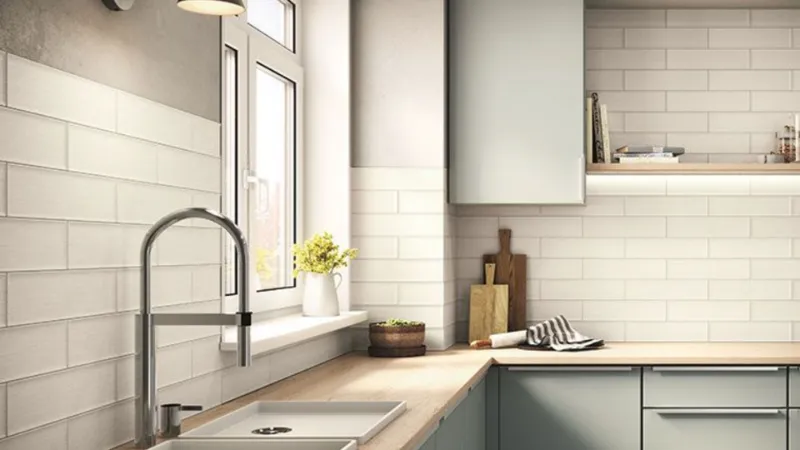
Staring at a blank, splattered wall behind your stove is frustrating, especially when every cooking session leaves another grease mark or tomato-sauce splatter you can’t scrub away. A tired or missing backsplash can make even a freshly renovated kitchen feel unfinished, and choosing the wrong one is an expensive mistake that’s hard to undo.
The good news is that the right kitchen backsplash ideas can solve both problems at once. A well-chosen backsplash protects your walls from daily wear while instantly elevating the whole room, whether you want a classic subway tile look, a dramatic stone slab, or an affordable peel-and-stick fix you can install this weekend.
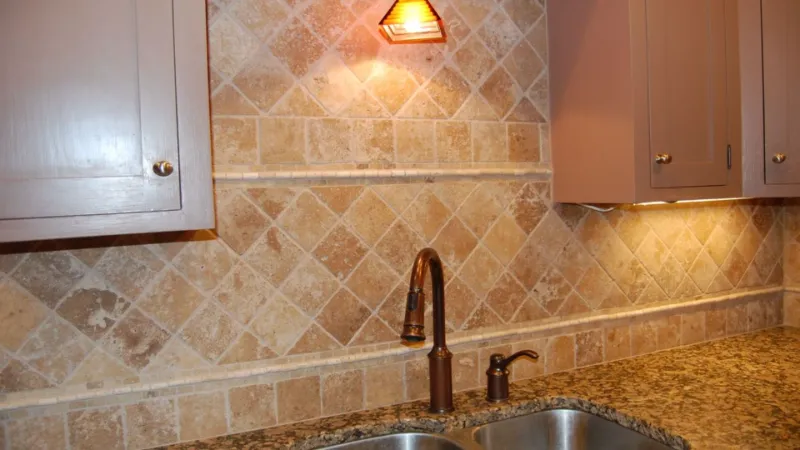
This guide walks through practical, style-note-backed backsplash design options for kitchens of every budget and layout, plus the deeper trends, expert tips, and common mistakes that most articles skip. By the end, you’ll know exactly which kitchen tile ideas fit your space and how to execute them without regret.
Classic Subway Tile Backsplash
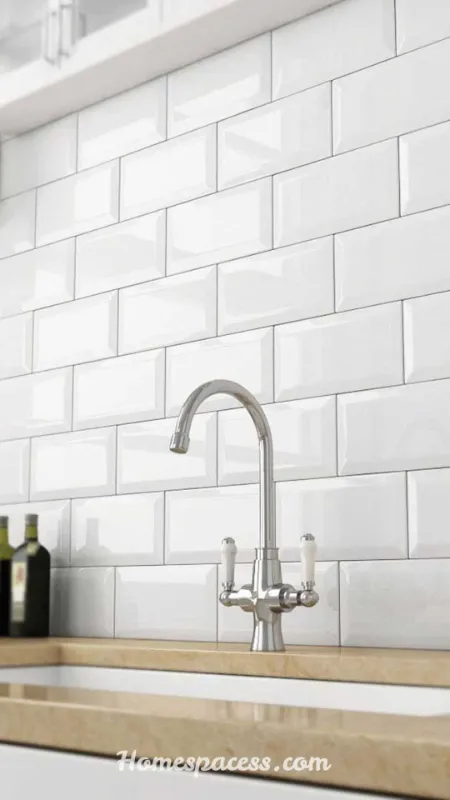
Few looks age as gracefully as the subway tile kitchen backsplash. Its clean rectangular lines work in farmhouse, coastal, and modern kitchens alike, which is why it remains one of the most requested kitchen backsplash ideas among designers year after year.
A homeowner renovating a 1990s kitchen in Ohio recently swapped a beige laminate counter-wall for white 3×6 subway tile with dark grout, and the kitchen photographed like a brand-new build for under $600 in materials. That contrast grout detail is what modernizes an otherwise traditional pattern.
Style Note:
Pair glossy white subway tile with matte black grout for a crisp, editorial look, or use warm ivory tile with a herringbone layout for added texture without extra cost.
Pro Tip:
Order 10% extra tile beyond your measured square footage to cover cuts, breakage, and future repairs, since matching dye lots later can be nearly impossible.
You May Also Like: Kitchen Rugs Ideas: Stylish Ways to Upgrade Your Kitchen Floor
Bold Patterned Cement Tile Backsplash
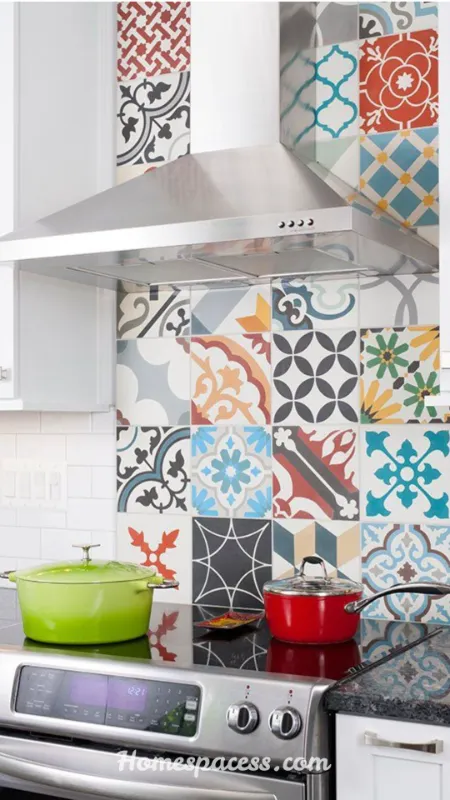
Patterned cement tiles bring color and personality that plain tile simply can’t match. These decorative backsplash tiles work especially well as a focal point behind a stove or sink, anchoring the whole kitchen’s design story.
Because the pattern does most of the visual work, the rest of the kitchen can stay simple. A small galley kitchen in Austin used a single wall of Moroccan-inspired cement tile and left the cabinets a plain white, proving that one bold statement kitchen backsplash can carry an entire renovation budget.
Style Note:
Limit patterned tile to one wall or the stove alcove; using it everywhere overwhelms the eye and competes with cabinetry finishes.
Pro Tip:
Seal cement tile with a penetrating sealer before grouting, since unsealed cement is porous and will stain permanently from grout pigment.
See Related Articles: Pantry Organization Ideas to Maximize Space and Keep Everything Neat
Natural Stone Slab Backsplash
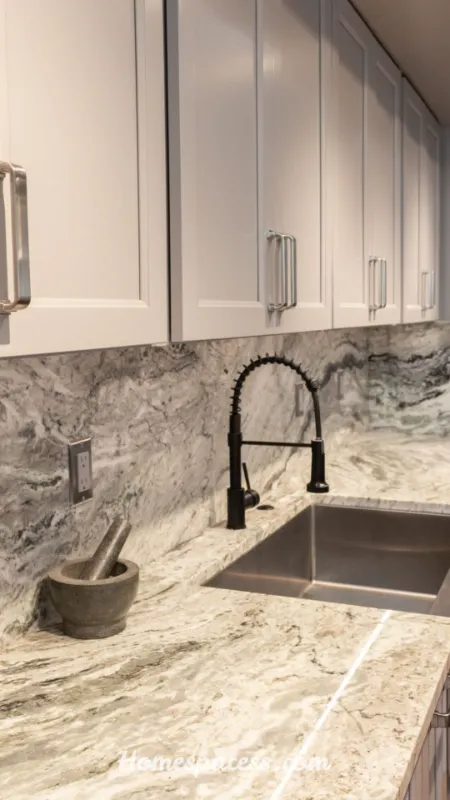
For a seamless, high-end finish, a stone slab backsplash in marble, quartzite, or granite extends the countertop material straight up the wall. This full-height, grout-free approach is increasingly popular in upscale kitchen remodels because it reads as luxurious without visual clutter.
This natural stone kitchen backsplash approach also hides seams behind the cooktop, so there’s no grout line to collect grease. It costs more upfront, but many remodelers consider it a long-term value investment rather than a decorative afterthought.
Style Note:
Choose a slab with dramatic veining and ‘book-match’ the pattern so it flows continuously from counter to wall for a marble-showroom effect.
Pro Tip:
Ask your fabricator for a leftover remnant slab instead of a fresh cut; it can cut material costs by 30–40% for a backsplash-sized piece.
Recommended for You: Colorful Kitchen Ideas: Bold Ways to Brighten Your Cooking Space
Handmade Zellige Tile Backsplash
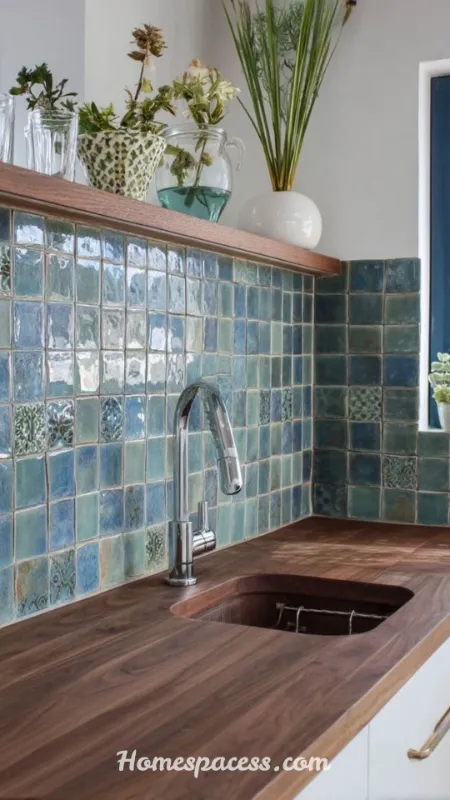
Zellige tile, hand-glazed in Morocco, has become one of the most sought-after artisan backsplash materials thanks to its subtle color variation and rippled, light-catching surface that mass-produced tile can’t replicate.
Every tile is slightly different, so no two zellige backsplashes look identical, which appeals to homeowners chasing a one-of-a-kind, designer-magazine finish rather than a big-box store aesthetic.
Style Note:
Stick to a single zellige color family (like sage or terracotta) across the whole wall; mixing multiple zellige colors can look chaotic in small kitchens.
Pro Tip:
Budget extra installation time and labor cost, since zellige’s irregular edges require skilled setters and wider grout joints than standard tile.
More on This Topic: Island Kitchen Ideas: 13 Stunning Designs That Transform Your Kitchen in 2026
Budget-Friendly Peel-and-Stick Backsplash
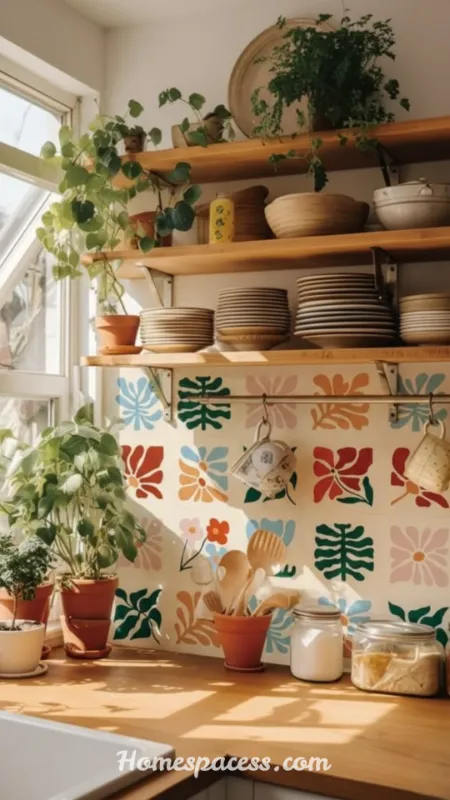
Renters and budget-conscious homeowners often turn to peel and stick backsplash panels, which mimic tile, marble, or metal finishes without demolition, grout, or a contractor. Many designs can be installed in an afternoon.
A young couple furnishing their first rental apartment used peel-and-stick subway-look panels behind their stove for around $80, and it transformed a dated white-tile wall into a photo-ready kitchen backsplash look in one weekend, fully removable at move-out.
Style Note:
Choose textured, embossed peel-and-stick tile rather than flat printed vinyl; the texture catches light and reads far more convincingly as real tile.
Pro Tip:
Clean and prime the wall with rubbing alcohol before applying panels, since grease residue behind a stove is the number one cause of peeling edges.
Must-Read Articles: Best Spice Racks Ideas to Transform Your Kitchen Storage
Glass Tile Mosaic Backsplash
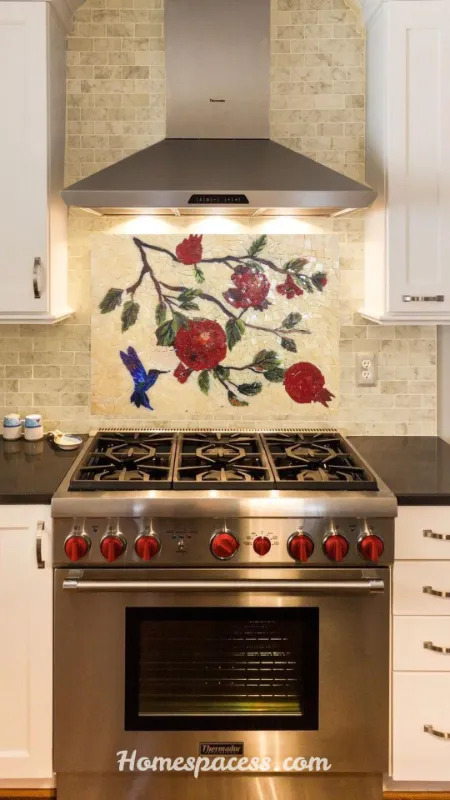
A glass tile backsplash reflects light beautifully, making it a smart choice for kitchens with limited natural light. Mosaic glass sheets add subtle shimmer without overwhelming a small space.
This glass kitchen backsplash option pairs especially well with stainless steel appliances and cool-toned countertops, since the glass tones can be selected to bounce and unify light across the whole kitchen wall.
Style Note:
Choose a mosaic with two or three tonal shades of the same color for gentle depth, rather than a rainbow blend that can date quickly.
Pro Tip:
Use white or light grey grout with glass tile; dark grout can show through translucent glass edges and dull the reflective effect.
Learn more here: Kitchen Lighting Ideas to Create a Cozy and Modern Cooking Space
Bold Colorful Tile Backsplash
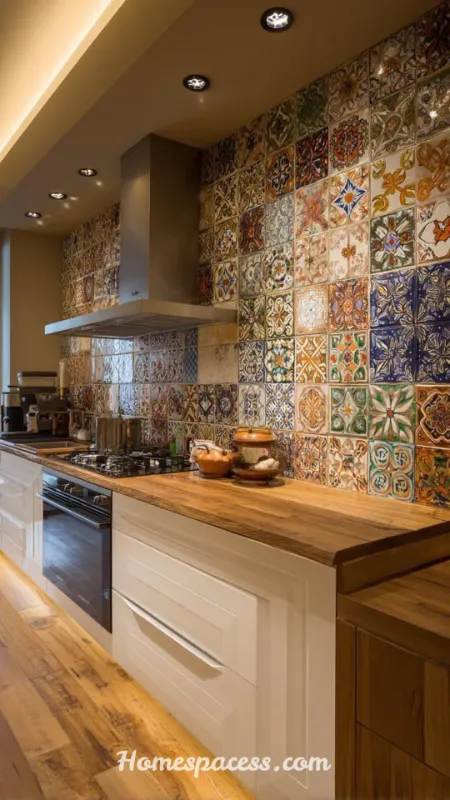
A colorful kitchen backsplash in emerald green, cobalt blue, or terracotta injects personality into an otherwise neutral kitchen and has surged in popularity as homeowners move away from all-white designs.
Because color trends shift, many designers recommend applying bold color only to the backsplash rather than cabinets or counters, since a wall of tile is far cheaper and faster to update later if tastes change.
Style Note:
Balance a bold backsplash color with neutral cabinetry and countertops so the tile reads as an intentional accent, not a mismatch.
Pro Tip:
Order a physical tile sample and view it under your kitchen’s actual lighting for 24 hours before committing, since color temperature drastically changes how saturated tones appear.
Don’t miss this guide: Kitchen Nook Ideas: Transform Dead Corners Into Cozy, Functional Spaces
Wood-Look Backsplash for Warmth
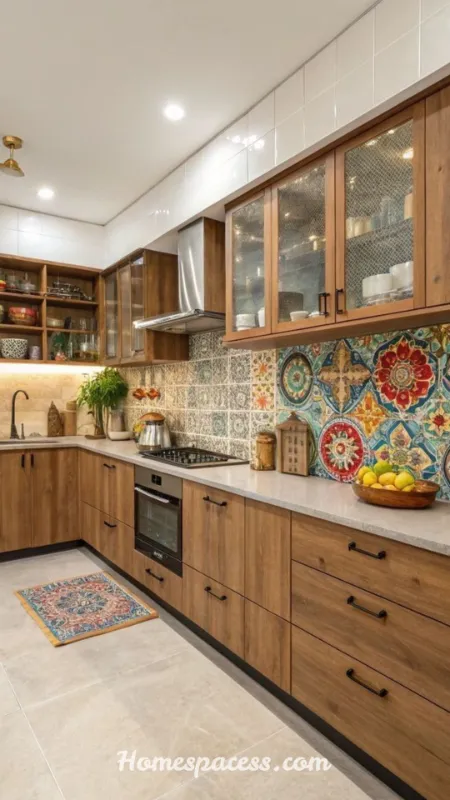
A wood look backsplash, whether real reclaimed planks sealed for moisture resistance or wood-look porcelain tile, adds warmth to modern and Scandinavian-style kitchens that can otherwise feel cold and clinical.
Porcelain wood-look tile has become the more practical choice for most homeowners’ kitchen backsplash projects, since it resists heat and moisture near the stove far better than actual timber while still delivering a convincing grain texture.
Style Note:
Run wood-look tile in a herringbone or vertical stack pattern to signal ‘intentional design choice’ rather than an attempt to fake real wood paneling.
Pro Tip:
Avoid real wood behind the stove or sink entirely; even sealed timber will warp or scorch over years of steam and heat exposure.
Textured 3D Tile Backsplash
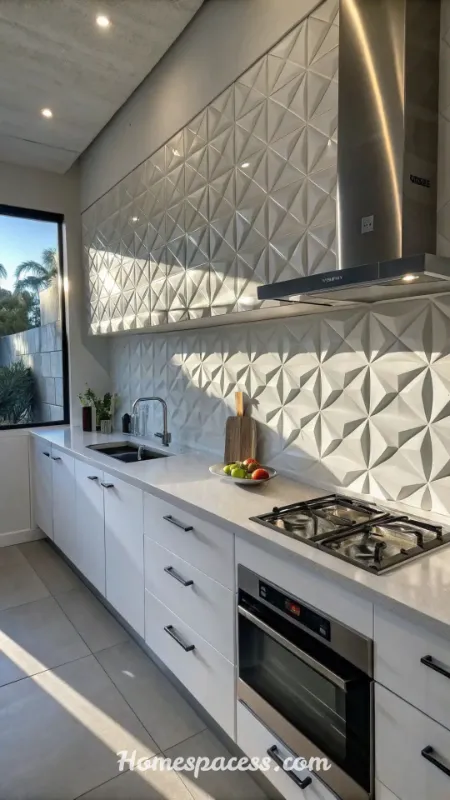
Dimensional, sculptural tile has become one of the standout modern backsplash ideas for 2026, with raised geometric or fluted patterns that create shadow and movement across an otherwise flat wall.
This texture works best as an accent rather than covering an entire kitchen, since the raised surfaces can be harder to wipe clean directly behind active cooking zones.
Style Note:
Use 3D textured tile behind an open shelving display wall or dining nook rather than directly behind the stovetop, where flat tile is easier to maintain.
Pro Tip:
Light textured tile with an angled sconce or under-cabinet LED strip; raking light dramatically enhances the shadow play that makes 3D tile worth the investment.
Full-Wall Slab Backsplash with Waterfall Edge
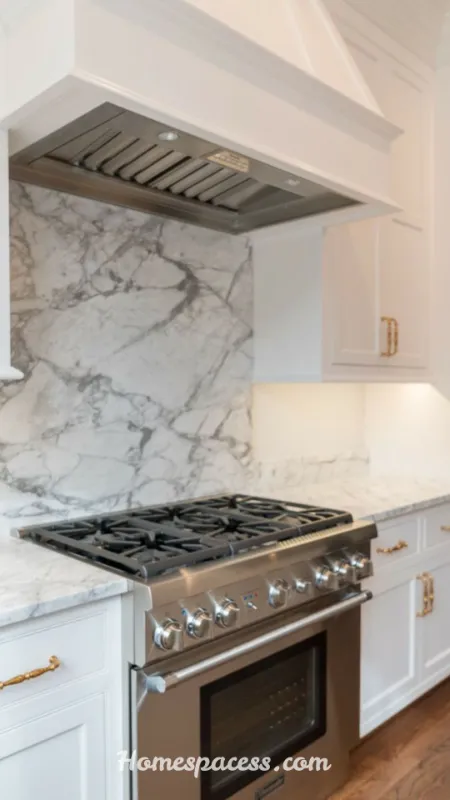
Combining a full-height slab backsplash with a waterfall countertop edge creates one continuous material story from counter to ceiling, a look increasingly featured in high-end kitchen renovations and design showrooms.
This approach suits open-concept kitchens where the backsplash wall is visible from the living or dining area, since the uninterrupted material reads as a design centerpiece rather than a utilitarian wall covering.
Style Note:
Reserve the waterfall slab treatment for a kitchen island or peninsula wall that’s visually prominent; it’s an investment feature that deserves a starring location.
Pro Tip:
Confirm slab thickness and seam placement with your fabricator early, since waterfall and full-height applications need larger, heavier slab sections than a standard countertop.
Final Thoughts
Choosing the right kitchen backsplash ideas comes down to matching your budget, maintenance tolerance, and style to a material built to last. Whether you go bold with patterned cement tile or keep it timeless with classic subway tile, the right backsplash protects your walls and elevates your entire kitchen. Start with a sample, check it under your own lighting, and pick the option that still excites you a year from now, not just today.
Beyond the Basics: Advanced Backsplash Insights
2026 Kitchen Backsplash Trends: What’s Actually Changing
In 2026, the biggest shift in kitchen backsplash trends is away from all-white minimalism and toward tactile, artisan-made materials. Zellige, handmade cement tile, and fluted 3D surfaces are replacing the flat subway tile walls that dominated the last decade, as homeowners look for texture that photographs well but also feels warmer in person.
Color is returning too, but strategically. Instead of an all-over accent wall, designers are using color-blocked tile zones, such as a bold hue behind open shelving paired with neutral tile near the stove. This hybrid approach lets homeowners commit to trend-forward color without redoing the whole kitchen if preferences shift.
Sustainability-driven material choices, covered in more depth below, are also reshaping trend forecasts. Recycled glass tile and reclaimed stone remnants are appearing in mid-range renovations, not just luxury builds, signaling that eco-conscious backsplash design is moving from niche to mainstream faster than most industry reports predicted.
Expert Tips for Choosing and Installing Your Backsplash
Professional tile setters consistently flag one overlooked step when planning a kitchen backsplash: ordering a full layout plan before a single tile goes up. Dry-laying your pattern on the floor first reveals awkward cuts around outlets and windows that are far cheaper to redesign on paper than to redo on a wall.
Grout choice matters as much as the tile itself. Epoxy grout costs more than standard cementitious grout, but it resists staining and cracking behind a stove far longer, which makes it the smarter long-term choice for any high-splatter zone even though it’s less forgiving to apply.
Finally, lighting changes everything. A backsplash that looks flat under store showroom lighting can look completely different under warm under-cabinet LEDs at home. Testing a sample tile in your actual kitchen, at both day and night, prevents the single most common buyer’s-remorse complaint installers hear.
Sustainability and Long-Term Value of Backsplash Materials
Not all kitchen backsplash materials age equally, and long-term value depends on more than upfront cost. Porcelain and natural stone last decades with minimal maintenance, while cheaper laminate or printed vinyl panels typically need replacing within five to seven years, making the ‘budget’ option costlier over a home’s lifetime.
Recycled glass tile and reclaimed stone remnants offer a genuine sustainability angle without sacrificing durability. Many manufacturers now disclose recycled content percentages, and choosing these options can also qualify for green-building credits in some renovation projects, an underused advantage most homeowners don’t realize exists.
From a resale perspective, a timeless, well-installed backsplash design consistently ranks among the higher-return kitchen upgrades appraisers note, particularly natural stone and classic tile patterns that won’t need updating before a future sale, unlike highly trend-specific colors or patterns.
Future Innovations Coming to Kitchen Backsplash Design
Antimicrobial glazes are moving from commercial kitchens into residential tile lines, with several manufacturers now offering silver-ion or copper-infused finishes that actively inhibit bacterial growth on high-touch cooking walls, a feature likely to become standard rather than premium within a few years.
Digitally printed large-format porcelain panels are also advancing quickly, allowing a single seamless slab-look panel to replace dozens of individual tiles. This reduces grout lines to nearly zero and is expected to make the luxury ‘slab backsplash’ look accessible at mid-range prices as production scales.
Smart integration is emerging too, with early adopters embedding discreet LED lighting or induction-charging strips directly behind translucent glass tile. While still a niche, high-cost feature today, it signals where modern backsplash ideas are heading as kitchens become more technology-integrated spaces.
Common Backsplash Mistakes Homeowners Overlook
The most frequent mistake is choosing tile before finalizing countertop and cabinet samples. A backsplash selected in isolation often clashes once placed beside the actual counter slab, forcing a costly re-selection mid-project that a simple side-by-side sample check would have prevented.
Many homeowners also underestimate outlet and switch placement. Standard outlet covers look jarring against patterned or textured tile, and installers can often use flush, tile-matching outlet plates instead, but only if that decision is made before installation, not after.
Finally, skipping a proper sealer on porous materials like cement tile or natural stone is a common and expensive oversight. Unsealed surfaces stain permanently within weeks near a stove, turning an expensive stone slab backsplash or cement tile wall into a maintenance regret that professional sealing would have entirely avoided.

Team Home Spacess shares simple, practical design ideas that work for real families. The team focuses on cozy décor, soft colors, and natural textures that make a space feel truly lived-in. From everyday decorating tips to creative home projects, Team Home Spacess is dedicated to helping readers create warm, comfortable, and inviting spaces with a fresh and personal touch.