


A Cozy Bedroom brings comfort, warmth, and peace into your personal space. Cozy Bedroom Ideas focus on soft textures, warm lighting, calming colors, and thoughtful decor. These simple ideas improve comfort, create a relaxing atmosphere, support better rest, and make your bedroom feel inviting every day.
A Cozy Bedroom creates a calm space where comfort meets style every day. It combines soft textures, warm lighting, relaxing colors, and personal touches to build a peaceful retreat. Small, thoughtful updates make the room feel welcoming, restful, and beautifully balanced for daily living.

Cozy Bedroom Ideas help create a space that feels warm, stylish, and functional. Layered bedding, natural materials, gentle lighting, and meaningful decor add lasting comfort. Simple improvements make a noticeable difference. A well-designed bedroom supports relaxation, encourages quality sleep, and provides a peaceful retreat throughout the year.
Layer Your Lighting
For Instant Warmth

Harsh overhead lighting is the fastest way to kill a cozy bedroom atmosphere. Instead, layer your light sources: a bedside lamp, a floor lamp, and warm white string lights work together to create depth. This layered approach mimics natural candlelight, which the brain associates with rest and comfort.
| Style Note: Stick to warm-toned bulbs (2700K–3000K) rather than cool white cool light keeps your brain alert, which works against the relaxing vibe you’re going for. |
| Pro tip: Put your bedside lamp on a smart plug or dimmer switch. Dimming lights 30 minutes before bed signals your body to produce melatonin naturally, making cozy bedroom lighting both an aesthetic and a sleep-hygiene upgrade. |
Create a stylish sleep space with: Bedroom Interior Ideas for every design preference.
Add Layered Textiles and Soft Textures
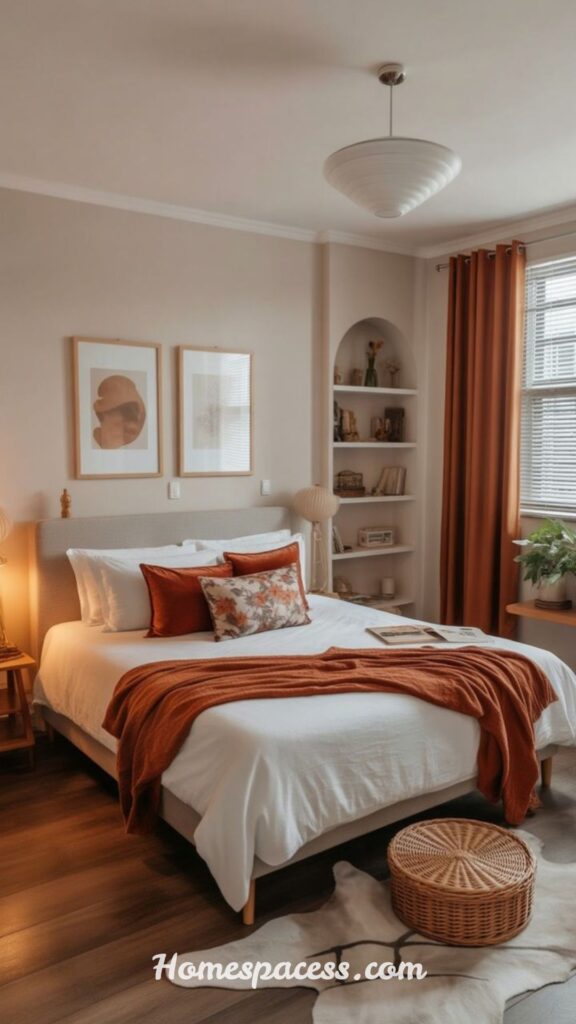
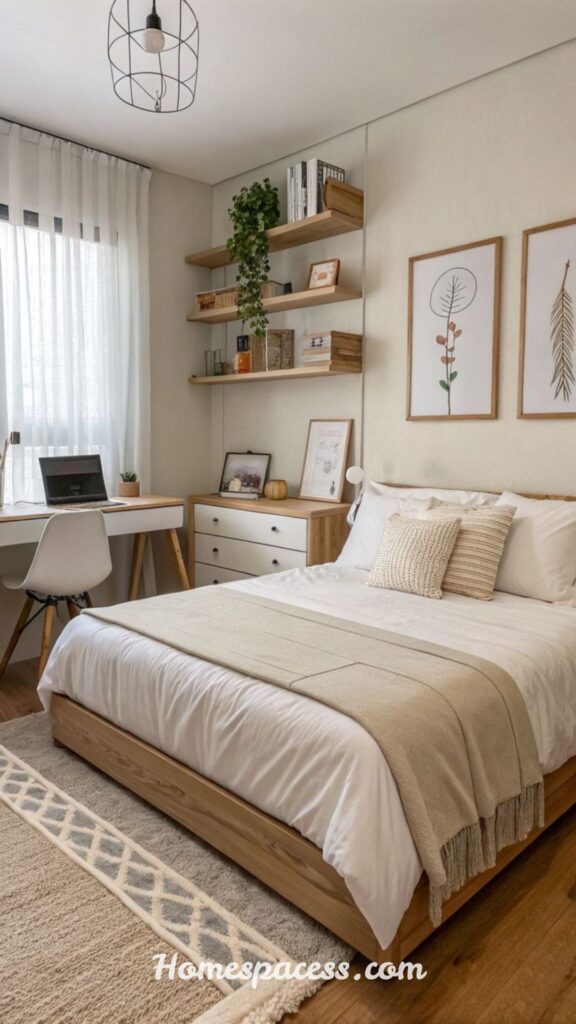
A cozy bedroom is a tactile bedroom. Combine a chunky knit throw, a faux-fur accent pillow, and a textured area rug to create visual and physical warmth. Mixing materials wool, linen, velvet adds richness without needing extra color.
For example, one small studio apartment redesign added just three throw pillows and a jute rug under the bed, and the room instantly felt 40% warmer without repainting a single wall proof that texture layering often beats a full makeover.
Style note:
Keep your palette to 2–3 complementary textures per layer so the room feels curated, not cluttered.
Pro tip:
Swap your textiles seasonally linen and cotton in summer, wool and sherpa in winter to keep the cozy aesthetic functional year-round, not just decorative.
Choose a Warm, Grounding Color Palette

Color psychology plays a huge role in cozy bedroom decor. Warm neutrals like terracotta, caramel, sage green, and deep clay create a grounded, enveloping feeling that cool grays and stark whites simply can’t match.
A real-life scenario: a homeowner repainted a stark white bedroom in a soft terracotta accent wall and paired it with cream bedding. Guests consistently described the room as “warm” and “inviting” despite no other changes to furniture or layout.
Pro tip:
If repainting isn’t an option (renters, take note), use warm-colored bedding, curtains, and rugs to achieve the same psychological effect without touching the walls.
Refresh your room with: Bedroom Decor Ideas that combine comfort and style.
Bring in Natural Elements

Wood, rattan, and plants instantly soften a room. A rattan headboard, wooden nightstands, or a woven basket for blankets add organic texture that synthetic materials can’t replicate. Even one or two houseplants like a snake plant or pothos improve air quality and visual softness.
Style note:
Group natural elements in odd numbers (three, five) designers use this “rule of odds” because asymmetrical groupings feel more organic and less staged.
Pro tip:
Low-maintenance plants are best for bedrooms since they don’t demand daily care, keeping your cozy retreat relaxing rather than another chore.
Maximize Comfort With Your Bed Setup
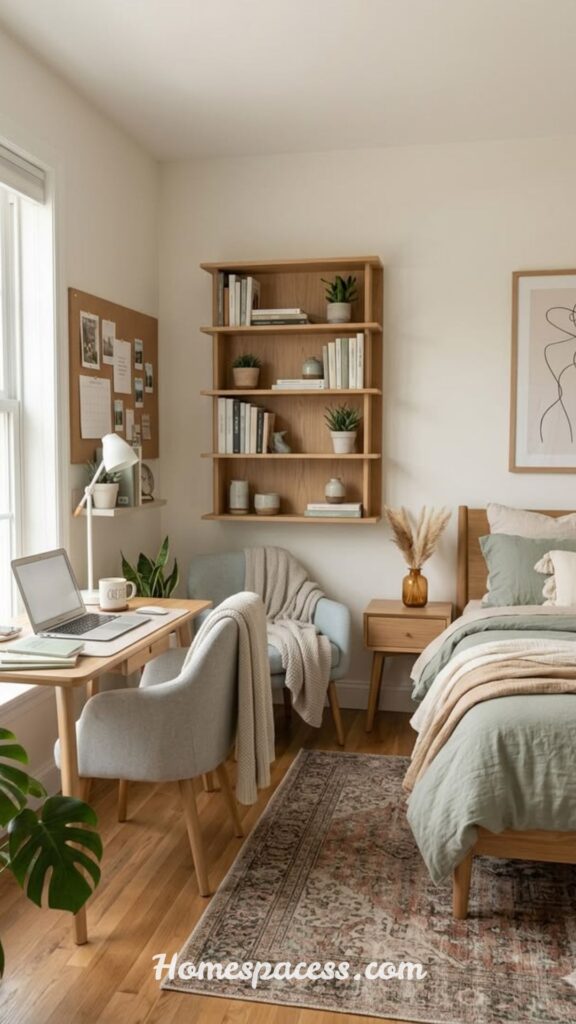
Your bed is the anchor of any cozy bedroom ideas design. Invest in a quality duvet, a mix of pillow sizes, and a weighted blanket if you struggle with anxiety or restlessness. Weighted blankets, backed by occupational therapy research, apply gentle pressure that can ease nighttime tension.
For instance, someone switching from a thin polyester comforter to a cotton-linen duvet with a weighted blanket layer reported falling asleep noticeably faster within the first week a small swap with an outsized impact.
Pro tip:
Wash bedding weekly in warm water; a fresh, soft bed feels cozier than an expensive one that’s overdue for a wash.
Find the perfect lighting in: Bedroom Lamp Ideas for a warm and cozy ambiance.
Use Scent to Reinforce the Cozy Feeling
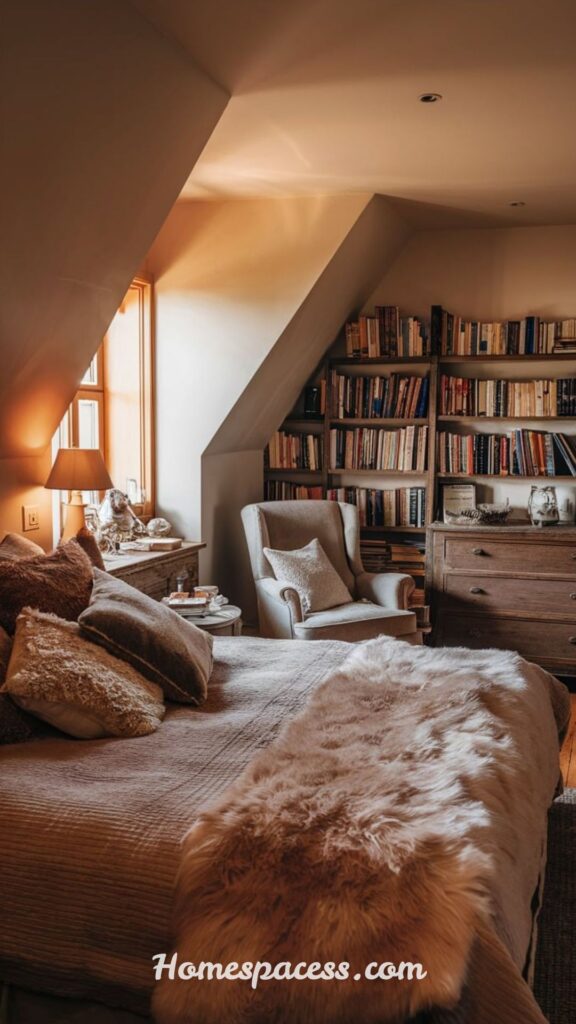
Smell is deeply tied to memory and mood, making it an underused tool in cozy bedroom ideas. A soy candle, reed diffuser, or linen spray with vanilla, sandalwood, or cedarwood notes can make a room feel warmer even before you flip a switch.
Pro tip:
Avoid overpowering synthetic fragrances near your pillow opt for lighter linen sprays instead of heavy candles close to where you breathe all night, protecting both comfort and air quality.
Declutter First, Decorate Second

No amount of styling fixes a cluttered room. Before adding cozy touches, clear surfaces, organize cords, and store out-of-season items. A minimalist-cozy hybrid approach sometimes called “hygge minimalism” keeps only what adds warmth and function.
Pro tip:
Use closed storage (baskets, ottomans with lids) instead of open shelving for anything that isn’t visually calming; visual clutter is one of the biggest overlooked barriers to a relaxing bedroom.
Complete your bedroom with: Bedroom Curtain Ideas that add elegance and privacy.
Create a Reading or Relaxation Nook

A small reading corner with a soft chair, throw blanket, and a floor lamp gives your bedroom a secondary cozy zone beyond the bed. This works especially well in larger rooms or awkward corners that otherwise go unused.
Pro tip:
Position the nook near natural light during the day and layer in a warm lamp for evening use dual-purpose zones make small bedrooms feel more intentional and functional.
Personalize With Meaningful Decor
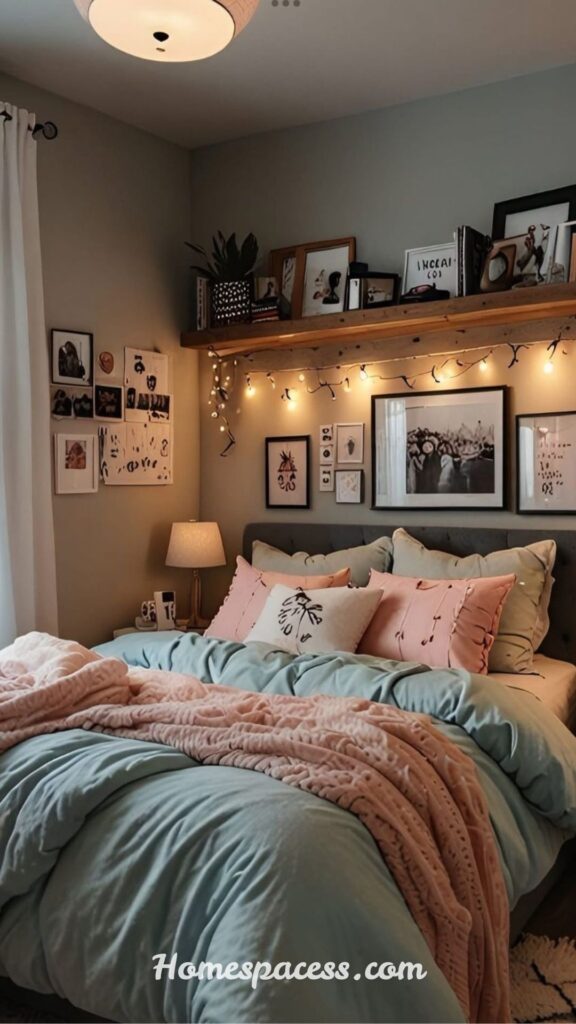
Generic hotel-style bedrooms rarely feel cozy because they lack personality. Add framed photos, travel souvenirs, or handmade items. Personal touches trigger positive emotional associations that generic decor simply cannot replicate.
Pro tip:
Rotate personal decor items seasonally (like swapping framed art or photo groupings) to keep the space feeling fresh without spending on new furniture.
Learn more here: Bedside Table Ideas That Make Every Bedroom Feel More Luxurious.
Balance Cozy With Functionality

A truly cozy bedroom still needs to function well clutter-free surfaces, good airflow, and blackout curtains all support comfort. Cozy shouldn’t mean cramped or stuffy; balance soft textures with breathable fabrics and proper ventilation.
Pro tip:
Choose blackout curtains with a thermal lining they block light for better sleep while also insulating the room, making your space cozier in both winter and summer.
Add a Statement Textile Overhead

A canopy, draped fabric panel, or soft fabric ceiling treatment above the bed adds a sense of enclosure that makes a room feel instantly more intimate. This “roof effect” is a favorite trick among boutique hotel designers because it visually lowers a tall ceiling and wraps the sleeper in softness.
For example, a bedroom with 9-foot ceilings that felt sparse and echoey was transformed with a simple sheer canopy hung from a ceiling hook above the headboard no structural changes, just fabric and gravity, and the room instantly read as warmer and more enclosed.
Style note: Choose lightweight, breathable fabric like linen or cotton gauze rather than heavy velvet overhead it keeps the look soft rather than theatrical.
Pro tip:
If you rent and can’t drill into the ceiling, use a tension rod mounted between two walls or an adhesive hook rated for the fabric’s weight to get the same cozy effect damage-free.
Curate a Cozy Soundscape
Coziness isn’t only visual sound shapes how a room feels just as much as decor. A small speaker playing low-volume ambient sound (rain, soft jazz, brown noise) or a windup mechanical clock’s gentle tick can make a bedroom feel more grounded and less sterile than total silence or jarring outside noise.
Pro tip:
Use a white noise machine with a warm, analog-style dial instead of a phone app the tactile object itself contributes to the cozy, low-tech feeling of the room, and it avoids the blue light and notification interruptions that come with using your phone at night.
Conclusion
Creating a cozy bedroom doesn’t require a big budget or a full renovation it comes down to layered lighting, warm textures, grounding colors, and small personal touches. Start with one or two changes, like swapping your lighting or adding a textured throw, and build from there. Your bedroom should feel like a retreat, not just a room. Try even one of these cozy bedroom ideas tonight and notice the difference in how you unwind.
Advanced Insights: Beyond the Basics
Cozy Bedroom Trends: What’s Shaping Design This Year and Beyond
2026 cozy bedroom trends are shifting toward “quiet luxury” rich, tactile materials in muted tones rather than loud maximalism. Think boucle headboards, unbleached linen, and matte ceramic lamps replacing the shiny, fast-decor pieces of recent years. This reflects a broader consumer shift toward slower, more intentional home design.
Looking ahead, expect biophilic bedroom design (nature-inspired materials and layouts) and circadian lighting systems smart bulbs that automatically shift color temperature throughout the day to become mainstream rather than premium add-ons. Sustainability-conscious buyers are also driving demand for organic, undyed textiles over synthetic fast-decor.
A useful takeaway: rather than chasing seasonal color trends, invest in timeless neutral bases and rotate small, inexpensive accents (pillows, throws) to stay current without redecorating every year.
Expert Insight: Optimizing Cozy Design for Real Sleep Quality
Interior designers and sleep specialists increasingly agree that cozy aesthetics and sleep quality are linked, not separate goals. Cooler bedroom temperatures (60–67°F) paired with visually “warm” decor actually optimize both comfort and sleep physiology a detail most cozy-decor articles overlook entirely.
A practical, real-world approach: keep your thermostat cool while layering warm-toned textiles and lighting. This “visual warmth, physical coolness” combination is what many boutique hotels use deliberately guests report feeling both cozy and well-rested, which is rarely achieved by rooms that are simply overheated.
Overlooked tip:
Position your bed away from direct HVAC vents; even a perfectly styled cozy room feels uncomfortable if airflow constantly disrupts the coziness you’ve built.
Sustainability and Long-Term Value in Cozy Bedroom Design
Fast-decor items cheap faux-fur throws, synthetic candles, particleboard furniture lose their cozy appeal quickly and contribute to landfill waste. A more strategic approach favors durable, natural materials: solid wood furniture, organic cotton bedding, and wool rugs that age well and retain their warmth-inducing texture for years.
For example, a solid oak nightstand costs more upfront than a laminate version, but it won’t chip or need replacing every two to three years making it the smarter long-term investment for a genuinely sustainable cozy bedroom.
This long-term mindset also applies to lighting: LED smart bulbs with adjustable warmth use less energy while lasting years longer than incandescent bulbs, aligning coziness with real energy savings rather than a one-time aesthetic choice.
Future Predictions: Where Cozy Bedroom Design Is Headed
Expect AI-assisted lighting and climate systems to become standard in cozy bedroom setups systems that automatically adjust warmth, brightness, and temperature based on time of day and even detected stress levels via wearables. This moves cozy design from static decor into responsive, adaptive environments.
Modular, multi-sensory design is also emerging: bedrooms that combine scent diffusers, sound machines, and lighting into a single app-controlled “cozy mode.” Rather than manually lighting a candle and dimming a lamp separately, homeowners will increasingly trigger an entire cozy atmosphere with one tap.
Practical implication: When buying smart home devices for your bedroom now, prioritize ones compatible with major ecosystems (Matter, HomeKit, Google Home) so your setup stays future-proof as integrated “cozy mode” systems become more common.
Common Mistakes That Undermine a Cozy Bedroom
One of the most overlooked mistakes is over-layering without editing piling on too many pillows, blankets, and decor items until the room feels cluttered rather than cozy. True coziness relies on curated abundance, not visual noise; remove items until the space feels calm, not crowded.
Another common error is ignoring scale: oversized furniture in a small room feels cramped, while tiny accessories in a large room feel sparse and cold. Matching furniture proportions to your actual room size matters more than most cozy-decor guides admit.
Finally, many people forget acoustic comfort. Hard floors and bare walls create echo and a “cold” auditory feel even in a visually warm room. Adding a rug, upholstered headboard, or fabric wall art softens sound as well as sight a detail that meaningfully elevates the cozy factor but is rarely discussed.

Team Home Spacess shares simple, practical design ideas that work for real families. The team focuses on cozy décor, soft colors, and natural textures that make a space feel truly lived-in. From everyday decorating tips to creative home projects, Team Home Spacess is dedicated to helping readers create warm, comfortable, and inviting spaces with a fresh and personal touch.