

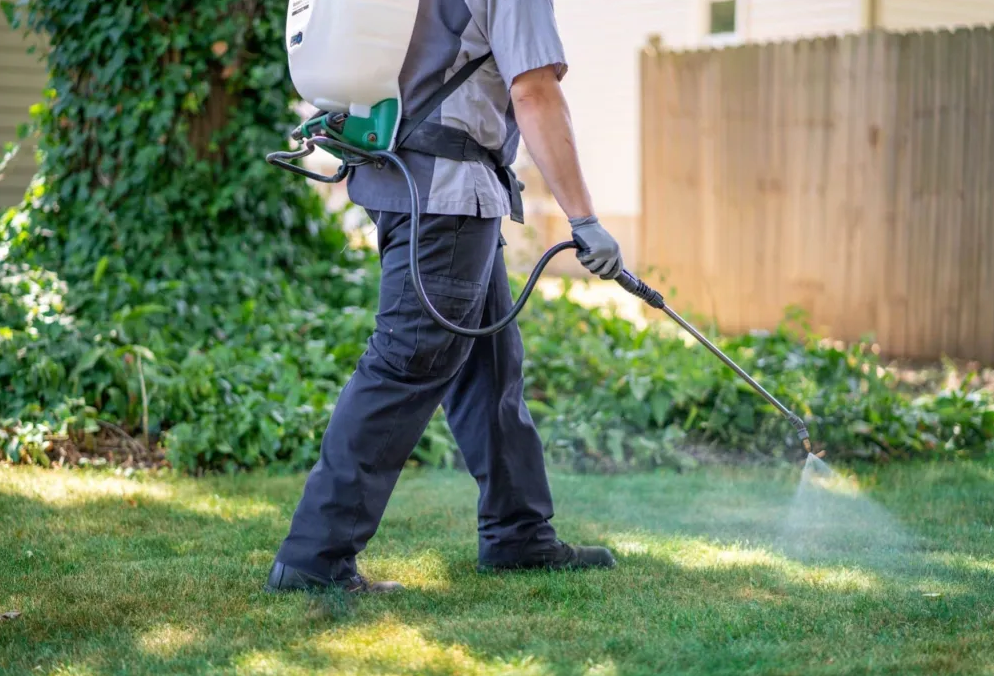
Salt air, afternoon downpours, and sprinklers that fire before sunrise give South Florida yards their lush, tropical look. They also hand insects a steady supply of water, shade, and shelter. A property can look spotless from the street while the strip of ground along its walls quietly favors mosquitoes, ants, cockroaches, and termites. Pest pressure in Broward County rarely begins with one dramatic failure. It builds from small, repeated moisture sources that nobody thinks to question. Knowing where that moisture collects, and how plants and irrigation feed it, makes prevention far more manageable than chasing each sighting as it appears.
How Coastal Humidity and Heavy Rain Set the Baseline
Most household pests are limited by water more than by food. A cockroach can survive weeks without a meal but only a few days without moisture, and subterranean termites depend on damp soil or damp wood to keep their colonies healthy. Coastal humidity supplies a background level of moisture that never fully drops, even during dry stretches. Add the summer rainy season, when storms arrive almost daily, and the ground around a house can stay saturated for months.
Mosquitoes respond fastest. Females lay eggs in any container or depression that holds water, and a bottle cap’s worth can be enough for a batch. Ants relocate toward drier shelter whenever soil floods, which often means wall voids, door frames, and attic insulation. Subterranean termites find the moist soil along foundations ideal for building mud tubes. The pattern is consistent. Wet conditions outdoors push or pull pests toward the structure, and humid air indoors makes the structure a comfortable place to stay.
Why Dense Planting Turns Into Pest Habitat Along the Walls
A thick hedge or a bed of tropical foliage does more than decorate. Leaves shade the soil beneath them, slowing evaporation, so the ground under dense plants stays damp long after an open lawn has dried out. Layers of leaf litter add cover for cockroaches and give ants protected places to move food. Branches that touch siding or roof edges serve as bridges, letting insects walk straight from the garden onto the building without ever crossing bare ground.
Placement matters as much as plant choice. Shrubs planted tight against a foundation hold humidity against the wall, which can soften wood trim and encourage hidden moisture damage. Palms and ornamental grasses that drop fronds near the house create the same sheltered pocket. A bed that looked proportionate when the plants were young may crowd the structure within three or four growing seasons. Lush outdoor space is not the problem on its own. Unmanaged space, where vegetation and walls meet without any gap, is where pest activity tends to settle in.
Drainage and Irrigation Checks That Cut Off the Water Supply
Standing water is the simplest thing to fix and the most commonly missed. After a heavy storm, walk the property and look for puddles that remain for more than a day. Low spots in the lawn, clogged gutters, downspouts that empty beside the foundation, and saucers under potted plants all qualify. Regrading soil so it slopes away from the house, extending downspout outlets, and clearing gutters of debris address most of these problems at low cost.
Irrigation deserves its own inspection. Run each zone and watch for spray hitting walls, pooling near slab edges, or misting the same patch of mulch every morning. A cracked sprinkler head or a leaking line can wet one section of foundation for weeks without any visible sign indoors. Many Florida homes also run timers year-round, even though rainy months supply plenty of water. Adjusting schedules to the season reduces both pest habitat and waste. Residents who correct these conditions and still see mosquitoes or ants returning often benefit from an outside perspective, and a local provider such as Native Pest Management for Fort Lauderdale pest control can help identify moisture sources that are easy to overlook from ground level.
Reducing Damp Conditions Around Foundations and Exterior Walls
The foundation line is where moisture, vegetation, and structure all meet, so it deserves regular attention. Heavy mulch piled against stucco or siding holds water against the wall and offers termites a hidden route to wood. Keeping mulch thin and pulled back several inches from the building leaves a visible strip of soil, which makes mud tubes, trails, and nests much easier to spot. Landscape edging, planter boxes, and stacked firewood positioned against exterior walls produce similar hiding places.
A short routine keeps the area under control:
- Trim shrubs and tree limbs so that nothing touches the walls or roofline.
- Pull mulch back from the foundation and keep it shallow.
- Clear gutters and confirm downspouts discharge well away from the house.
- Run irrigation zones and check for overspray on walls or pooling near the slab.
- Empty containers, bird baths, and plant saucers that hold standing water.
- Inspect the foundation line for mud tubes, ant trails, or soft, discolored wood.
When the same trouble spots keep reappearing despite this routine, a professional inspection helps. A technician working in Broward County recognizes local patterns, such as which ant species favor irrigated beds and how fast termite pressure rises after the rainy season begins. Native Pest Management for Fort Lauderdale pest control is one example of a local team that evaluates moisture conditions together with pest evidence rather than treating either one alone.
Building a Seasonal Rhythm for Coastal Properties
Pest conditions in Fort Lauderdale change with the calendar, and maintenance works best when it follows suit. Late spring is the time to trim vegetation, refresh mulch at a safe distance from the walls, and test irrigation before the rains begin. During the wet months, quick walk-throughs after storms catch standing water before mosquito larvae mature. A full cycle from egg to adult can take as little as a week in warm weather, so timing counts.
Fall and winter offer a chance for deeper work. Drier weather makes it easier to regrade problem areas, repair gutters, reseal gaps around pipes, and inspect eaves and soffits. Keeping a simple log of what was checked and what was found, even a few lines on a phone, shows trends over time. If ants keep returning to the same corner every August, that corner has a moisture or access issue worth solving. Small, scheduled observations are far more reliable than reacting only when a nuisance becomes impossible to ignore.
Final Analysis
Coastal Florida will always be humid, and rain will always fall. What homeowners can control is how much of that moisture ends up concentrated against the building and how easily pests can move from the garden to the structure. Drainage, trimmed vegetation, accurate irrigation, and a clear, dry foundation line remove the conditions pests depend on, and they do so without relying on constant treatment.
Prevention at this level is practical rather than dramatic. A few inches of exposed soil, a downspout redirected, a hedge cut back from the wall: each change is minor, yet together they alter the environment a pest finds when it arrives. Where recurring activity persists, local professional support offers a second set of eyes and a treatment plan matched to the property. Used together, careful landscaping and timely expert input keep a green yard enjoyable instead of troublesome.

Team Home Spacess shares simple, practical design ideas that work for real families. The team focuses on cozy décor, soft colors, and natural textures that make a space feel truly lived-in. From everyday decorating tips to creative home projects, Team Home Spacess is dedicated to helping readers create warm, comfortable, and inviting spaces with a fresh and personal touch.