

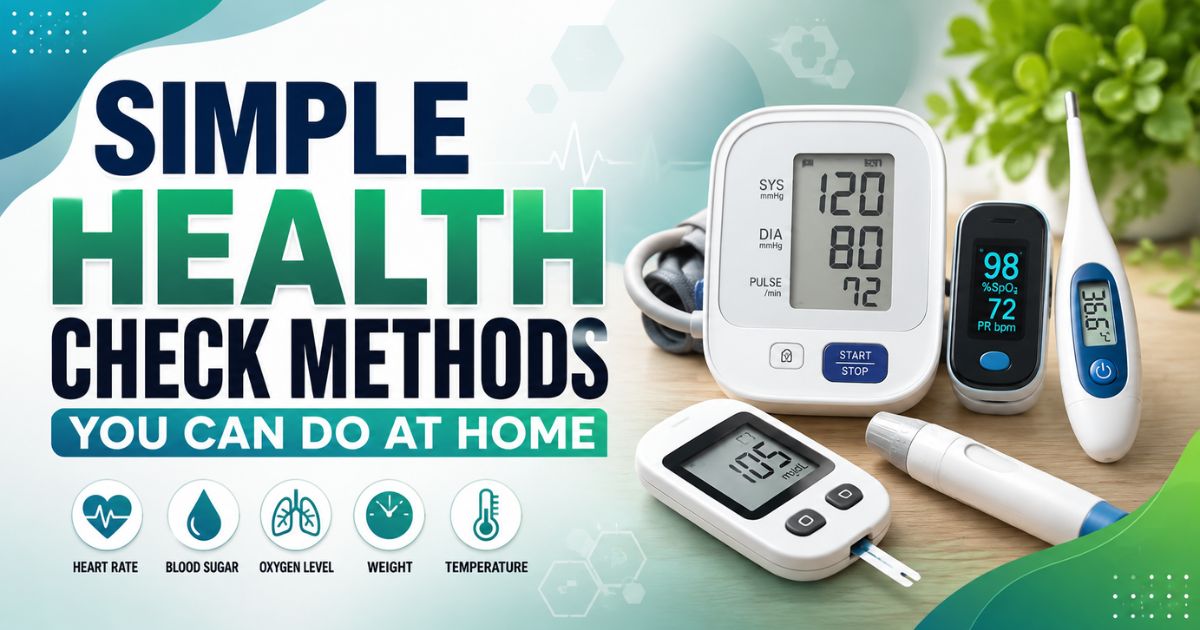
Checking your health doesn’t always need a doctor’s office. Many simple health check methods let you track your body’s basic signals right at home, in just a few minutes. These checks won’t replace a full medical exam, but they help you catch early warning signs and stay informed between doctor visits.
This guide walks you through easy, science-backed ways to check your heart rate, blood pressure, temperature, breathing, hydration, and more. Whether you’re a beginner who just wants peace of mind or a health professional looking for a quick refresher, you’ll find practical steps you can use today.
Why Simple Health Check Methods Matter
Simple health check methods give you a quick snapshot of how your body is doing. They take just minutes and need little to no equipment.
Doctors call these basic signals “vital signs.” They include your heart rate, blood pressure, temperature, and breathing rate. Tracking them regularly helps you notice small changes before they become bigger problems.
According to the CDC, regular health monitoring supports early detection of conditions like high blood pressure and diabetes, both of which often show no symptoms in early stages. That’s why home checks matter, even if you feel fine.
Here’s what makes these methods useful:
- They’re fast and low-cost.
- You don’t need medical training.
- They help you spot patterns over time.
- They support better conversations with your doctor.
Checking Your Pulse and Heart Rate
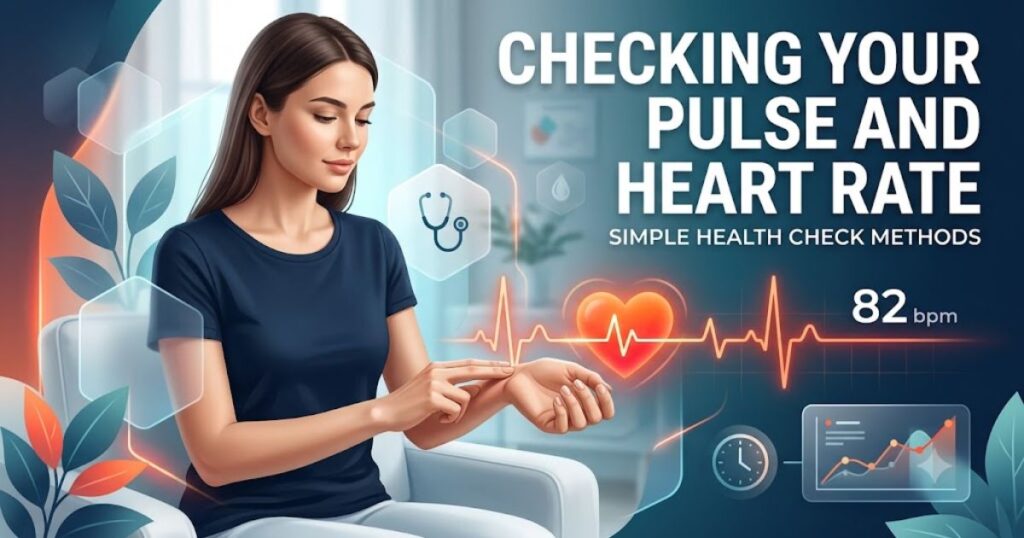
Answer: You can check your pulse by pressing two fingers on your wrist or neck and counting the beats for 60 seconds.
Your resting heart rate tells you how hard your heart works when you’re calm. A normal adult resting heart rate falls between 60 and 100 beats per minute, according to the American Heart Association.
Must Read: TheLaptopAdviser Expert Gaming Reviews 2026: The Complete Buyer’s Guide
How to Check Your Pulse Manually
- Sit down and relax for five minutes.
- Place two fingers (not your thumb) on your wrist, just below your thumb.
- Count the beats for 30 seconds and multiply by two.
- Repeat at the same time each day for consistent tracking.
A lower resting heart rate often means better cardiovascular fitness. A rate consistently above 100 or below 60 (without being an athlete) is worth mentioning to your doctor.
Measuring Blood Pressure at Home
Answer: Use a home blood pressure monitor, sit still for five minutes, and take the reading with your arm supported at heart level.
Blood pressure shows two numbers: systolic (top number) and diastolic (bottom number). A normal reading is generally below 120/80 mmHg.
Steps for an Accurate Reading
- Avoid caffeine, exercise, or smoking 30 minutes before testing.
- Sit with your back supported and feet flat on the floor.
- Rest your arm on a table at chest height.
- Stay quiet and still during the measurement.
- Take two readings, one minute apart, and average them.
Home blood pressure monitors are widely available and considered reliable when used correctly, based on guidance from the American Heart Association.
Don’t Miss This: OnlyWorkMoods com: Review 2026 What It Actually Is (And Why So Many Sites Are Writing About It)
Checking Body Temperature
Answer: A digital thermometer under the tongue for about 60 seconds gives an accurate body temperature reading.
Normal body temperature usually ranges from 97°F to 99°F (36.1°C to 37.2°C), though it can vary slightly by person and time of day.
Common ways to check temperature:
- Oral: Most common and fairly accurate for adults.
- Forehead (temporal) scanner: Fast and non-invasive.
- Ear (tympanic) thermometer: Quick, but needs correct placement.
- Armpit: Least accurate but useful as a backup.
A fever is generally considered 100.4°F (38°C) or higher.
Monitoring Breathing Rate
Answer: Count how many times your chest rises in 60 seconds while at rest to find your breathing rate.
A normal adult breathing rate is 12 to 20 breaths per minute when resting, according to health monitoring guidelines from the National Institutes of Health.
To check it:
- Sit or lie down comfortably.
- Don’t think about your breathing pattern too much, since this can change it.
- Count each full inhale-exhale cycle for one minute.
A rate consistently above 20 or below 12 breaths per minute at rest may need medical attention, especially if paired with shortness of breath.
Related Post: Is American Fashion Alaikas Com Actually Worth Your Money in 2026
Simple Hydration Checks
Answer: Check your urine color; pale yellow usually means you’re well hydrated, while dark yellow suggests you need more fluids.
Hydration affects energy, focus, and even heart rate. Here’s a simple color guide:
- Clear to pale yellow: Good hydration.
- Bright yellow: Slightly low, drink more water.
- Dark yellow or amber: Dehydrated, increase fluid intake.
- Very dark or brown: See a doctor if this continues.
Another quick test is the skin pinch test. Gently pinch the skin on the back of your hand. If it snaps back quickly, you’re likely hydrated. If it stays tented, you may be dehydrated.
Checking Blood Oxygen Levels
Answer: A pulse oximeter clipped on your finger shows your blood oxygen saturation (SpO2) within seconds.
A healthy SpO2 level is typically 95% to 100%. Readings consistently below 92% should be discussed with a healthcare provider.
Pulse oximeters are affordable, widely sold, and simple to use:
- Clean your fingertip and remove nail polish if present.
- Clip the device onto your finger.
- Stay still for 10-15 seconds until the reading stabilizes.
Weight and Body Composition Checks

Answer: Weigh yourself on the same scale, same time of day, ideally in the morning before eating, for the most consistent results.
Beyond the number on the scale, you can track:
- Waist circumference: A simple tape measure can indicate abdominal fat, linked to heart health risks.
- Body Mass Index (BMI): A general screening tool, though it doesn’t account for muscle mass.
- How clothes fit: A practical, low-tech way to notice changes over time.
Skin, Eyes, and Nail Checks
Answer: Look for unusual moles, yellowing skin or eyes, or changes in nail color, as these can signal underlying health issues.
Quick visual checks worth doing monthly:
- Skin: New or changing moles, unusual rashes, or slow-healing wounds.
- Eyes: Yellowing (possible liver issue), redness, or persistent dryness.
- Nails: Pale nails may suggest anemia; clubbing (curved nails) can point to lung or heart conditions.
These aren’t diagnostic tools, but they help you notice when something is off.
Sleep Quality Self-Check
Answer: Track how long it takes you to fall asleep, how often you wake up, and how rested you feel in the morning to judge sleep quality.
Good sleep supports nearly every other health marker, including heart rate and blood pressure. A simple sleep log for one week can reveal patterns like:
- Trouble falling asleep (over 30 minutes regularly)
- Frequent nighttime waking
- Feeling tired despite 7-9 hours of sleep
Comparison Table: Simple Health Check Tools
| Health Check | Tool Needed | Cost Range | Accuracy Level | Time Needed |
|---|---|---|---|---|
| Pulse/Heart Rate | Fingers or fitness tracker | Free–$100 | Good | 1 minute |
| Blood Pressure | Home BP monitor | $25–$60 | High | 3–5 minutes |
| Temperature | Digital thermometer | $8–$25 | High | 1 minute |
| Breathing Rate | None | Free | Good | 1 minute |
| Hydration | None (visual check) | Free | Moderate | Instant |
| Blood Oxygen | Pulse oximeter | $20–$40 | High | 15 seconds |
| Weight/BMI | Scale, tape measure | $15–$50 | Moderate | 1 minute |
Pros and Cons of At-Home Health Checks
Pros:
- Quick and low-cost
- No appointment needed
- Builds awareness of your body’s normal patterns
- Useful for tracking chronic conditions
- Helps prepare better questions for your doctor
Cons:
- Can’t diagnose medical conditions
- Home devices may have small measurement errors
- Anxiety-prone individuals may over-check and worry unnecessarily
- Doesn’t replace lab tests or imaging
- Results depend on correct technique
Expert Tips for Accurate Results
- Check at the same time daily. Body signals like blood pressure and heart rate shift throughout the day.
- Stay still for a few minutes before testing. Movement and stress raise heart rate and blood pressure temporarily.
- Keep a simple log. A notebook or phone app helps you spot trends, not just single readings.
- Use validated devices. Look for blood pressure monitors validated by organizations like the American Heart Association.
- Don’t test right after eating, exercising, or drinking caffeine.
Common Mistakes to Avoid
- Testing blood pressure with an unsupported arm
- Talking or moving during a reading
- Relying on a single reading instead of an average
- Ignoring consistently abnormal results
- Assuming home checks replace professional screenings
- Using an old or uncalibrated device
When to See a Doctor
Home checks are helpful, but some results need professional attention. Contact a healthcare provider if you notice:
- Blood pressure consistently above 130/80 mmHg
- Resting heart rate consistently above 100 or below 60 bpm (without athletic training)
- A fever above 103°F (39.4°C) or a fever lasting more than three days
- SpO2 readings below 92%
- Sudden, unexplained weight loss or gain
- New skin changes, especially moles that change shape, size, or color
These simple health check methods are meant to support, not replace, regular medical care.
FAQs About Simple Health Check Methods
What are the Simple Health Check Methods I can do at home?
Checking your pulse, blood pressure, temperature, and breathing rate are the simplest and most useful home health checks.
How often should I check my blood pressure at home?
Most healthy adults can check once or twice a week. People managing high blood pressure may need daily checks, as advised by their doctor.
Can I check my heart rate without any device?
Placing two fingers on your wrist or neck and counting beats for 60 seconds gives an accurate manual pulse reading.
What is a normal resting heart rate for adults?
A normal resting heart rate is between 60 and 100 beats per minute for most healthy adults.
How do I know if I’m dehydrated without lab tests?
Check your urine color. Pale yellow usually means good hydration, while dark yellow or amber suggests you need more fluids.
Are home blood pressure monitors accurate?
Validated home blood pressure monitors are generally accurate when used correctly, according to the American Heart Association.
What SpO2 level is considered normal?
A normal blood oxygen level (SpO2) is typically between 95% and 100%.
How can I check for early signs of poor health at home?
Track your vital signs regularly, watch for changes in skin, eyes, nails, sleep quality, and energy levels, and note any unusual symptoms.
Do simple health check methods replace a doctor’s visit?
These checks help you monitor your body between visits but cannot diagnose conditions or replace lab tests and physical exams.
What is considered a fever in adults?
A temperature of 100.4°F (38°C) or higher is generally considered a fever.
How can I check my breathing rate accurately?
Count how many complete breaths you take in 60 seconds while resting quietly, without focusing too much on your breathing.
What tools should beginners buy for home health checks?
A digital thermometer, a validated blood pressure monitor, and a pulse oximeter cover most basic home health check needs for beginners.
Conclusion
Simple health check methods put basic health awareness in your own hands. From checking your pulse to measuring blood pressure, temperature, and hydration, these small habits help you notice changes early and stay proactive about your wellbeing.
They aren’t a substitute for professional care, but they’re a smart, low-cost way to understand your body better every single day. Start with one or two checks, track them consistently, and share your patterns with your doctor at your next visit.

Team Home Spacess shares simple, practical design ideas that work for real families. The team focuses on cozy décor, soft colors, and natural textures that make a space feel truly lived-in. From everyday decorating tips to creative home projects, Team Home Spacess is dedicated to helping readers create warm, comfortable, and inviting spaces with a fresh and personal touch.