
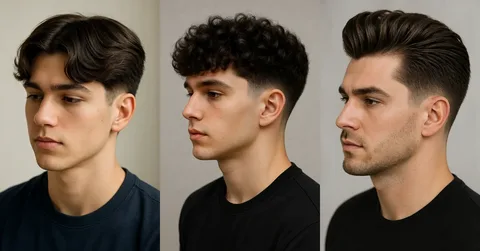
The low taper fade haircut is one of the most versatile and stylish men’s haircuts today. It offers a clean, polished appearance without creating the dramatic contrast associated with higher fades. Because the taper begins low around the ears and neckline, it keeps more hair on the sides while gradually shortening the hair toward the edges.
Whether you prefer a classic, professional look or a modern textured style, a low taper fade can be adapted to suit your hair type, face shape, and personal style. It also works well with many popular hairstyles, including textured crops, curly tops, quiffs, comb overs, and longer hair.
What Is a Low Taper Fade Haircut?
A low taper fade is a haircut where the hair gradually becomes shorter around the sideburns and neckline. Unlike a traditional fade that may extend farther up the sides of the head, a low taper keeps the transition close to the bottom of the hairline.
The result is a subtle and natural-looking fade. The hair above the taper remains relatively full, giving you plenty of options for styling the top.
The word “taper” refers to the gradual reduction in hair length, while “low” describes where that reduction begins. A skilled barber blends the different lengths carefully so there are no harsh lines between the longer and shorter sections.
This makes the low taper fade a particularly good choice for men who want a modern haircut that is noticeable but not overly aggressive.
Why Is the Low Taper Fade So Popular?
One of the biggest reasons men choose a low taper fade is its versatility. It can look appropriate in casual, professional, and formal settings.
A high fade can dramatically change the overall appearance of a haircut by removing a significant amount of hair from the sides. A low taper, on the other hand, creates a cleaner outline while preserving more of the natural shape of the hairstyle.
Another advantage is that it can be combined with almost any style on top. You can keep the top short and textured, medium-length and messy, or longer and swept backward.
The haircut also provides a clean appearance around the ears and neck. This can make even a relatively simple hairstyle look more refined.
Low Taper Fade vs. Low Fade
Although the names sound similar, a low taper fade and a low fade are not exactly the same.
A low fade usually begins fading around the lower sides of the head and gradually blends upward. Depending on the barber and desired style, the faded area can cover a larger section of the sides.
A low taper fade is generally more concentrated around the sideburns and neckline. More of the hair on the sides is preserved.
If you want a subtle change and prefer keeping some fullness around the sides, a low taper may be the better option. If you want a more noticeable faded appearance, a low fade could be more suitable.
Low Taper Fade vs. Mid and High Taper
The main difference between low, mid, and high tapers is where the taper begins.
A low taper starts close to the ears and neckline. It provides the most subtle transition.
A mid taper begins higher on the sides, creating a more noticeable change in the silhouette of the haircut.
A high taper starts even higher, producing a sharper and more pronounced appearance.
For men who want a conservative haircut that still looks modern, the low taper is often an excellent starting point. It can be especially useful if you are trying a taper fade for the first time.
Best Hairstyles to Pair With a Low Taper Fade
The low taper fade is not a standalone hairstyle. Instead, it works as the foundation for many different looks.
Low Taper With Textured Hair
Adding texture to the top creates a relaxed and contemporary appearance. Your barber can use scissors or texturizing techniques to create movement and separation.
This style is particularly useful for men who do not want their hair to look overly structured.
Low Taper With a Quiff
A quiff combines volume at the front with shorter sides. Pairing it with a low taper creates a balanced look that is stylish without being too dramatic.
A small amount of styling product can help maintain the volume and shape throughout the day.
Low Taper With a Curly Top
Men with naturally curly or wavy hair can combine their texture with a low taper. Keeping the curls longer on top creates contrast while the tapered edges provide a clean finish.
This is a good option if you want to maintain your natural curls while giving the haircut a more defined shape.
Low Taper With a Comb Over
A comb over provides a classic appearance, while the low taper adds a contemporary touch. This combination can work well in professional environments because the taper remains relatively subtle.
You can keep the top neat with a styling cream or pomade, depending on the amount of hold and shine you prefer.
Low Taper With Longer Hair
A low taper does not require short hair on top. Men with medium or longer hair can use the taper to clean up the edges while maintaining length above.
This creates an interesting contrast between the clean neckline and longer hair.
Which Hair Types Work With a Low Taper Fade?
One of the major benefits of this haircut is that it can work with almost every hair type.
Straight hair: A low taper works well with textured crops, side parts, quiffs, slicked-back styles, and messy hairstyles.
Wavy hair: The taper can emphasize the natural movement of wavy hair while keeping the sides and neckline neat.
Curly hair: Keeping the curls longer on top and tapering the edges can create a clean but natural appearance.
Thick hair: A low taper can remove some bulk around the edges while allowing you to maintain volume on top.
Fine hair: Keeping the sides relatively full can help maintain a balanced appearance. Texturing the top may also create the impression of additional movement and volume.
Your barber can adjust the taper and top length according to your hair’s natural characteristics.
Does a Low Taper Suit Your Face Shape?
A low taper is adaptable enough to work with many face shapes, but the hairstyle on top can be adjusted to create a more balanced overall appearance.
For a round face, adding some height or texture on top can help create a more elongated appearance.
For a square face, the clean edges of a low taper can complement strong facial features without making the haircut look overly severe.
For an oval face, most variations can work well because the proportions are naturally balanced.
For a long face, keeping some volume on the sides and avoiding excessive height on top can help maintain proportion.
Your barber can recommend the best combination based on your face shape, hairline, and hair texture.
How to Ask Your Barber for a Low Taper Fade
Knowing what to say to your barber can make it easier to get the result you want. Instead of simply saying “give me a low taper,” explain how much length you want to keep and what style you prefer on top.
You could say:
“I want a low taper around the sideburns and neckline. Keep the sides fairly full and blend the taper naturally. I want to keep the length on top.”
If you have a particular hairstyle in mind, mention it as well. For example, you might ask for a textured top, curly top, side part, or quiff.
Bringing a reference photo is also helpful. A picture gives your barber a clear idea of the shape, length, and level of fading you want.
How to Maintain a Low Taper Fade
Although a low taper is relatively easy to maintain, regular barber visits are important if you want to keep the fade sharp.
The neckline and area around the ears can become noticeable as the hair grows. Many men choose to refresh their taper every few weeks, although the ideal schedule depends on how quickly their hair grows and how clean they want the edges to look.
The top may require different maintenance depending on the style. A short textured haircut might need little more than a small amount of styling product, while a longer quiff or slicked-back hairstyle may require more daily attention.
Using a shampoo and conditioner suitable for your hair type can also help keep the hair healthy and manageable.
Styling Products for a Low Taper Fade
The best styling product depends on the look you want.
Matte clay is useful for textured, natural-looking hairstyles.
Pomade can provide a smoother finish and works particularly well for classic styles.
Hair wax offers flexible hold and can be useful for messy or textured looks.
Styling cream is a good choice when you want light control without making the hair feel heavy.
You do not necessarily need a large amount of product. Start with a small quantity and add more if necessary. Applying too much product can make the hair appear greasy or weigh down the hairstyle.
Is a Low Taper Fade Professional?
Yes. A low taper fade can be one of the more professional-looking fade styles because the transition is subtle and the haircut maintains more fullness around the sides.
The final appearance depends heavily on the hairstyle on top. A neat side part or comb over can create a formal appearance, while a messy textured top may look more casual.
If you work in a conservative environment, you can ask your barber for a subtle taper and avoid an excessively sharp or dramatic transition.
Final Thoughts
The low taper fade haircut is a versatile option for men who want a clean and modern appearance without removing too much hair from the sides. Its subtle transition around the ears and neckline makes it easy to combine with short, medium, curly, wavy, or longer hairstyles.
One of its biggest advantages is customization. You can choose the amount of length on top, adjust the taper to suit your preferences, and select a styling method that matches your lifestyle.
Before your next haircut, consider your hair type, face shape, preferred maintenance level, and the look you want to achieve. Showing your barber a reference photo and clearly explaining how much length you want to keep can help you get a result that suits you.
For men searching for a haircut that balances clean edges, versatility, and modern style, the low taper fade remains an excellent choice.
Team Home Spacess shares simple, practical design ideas that work for real families. The team focuses on cozy décor, soft colors, and natural textures that make a space feel truly lived-in. From everyday decorating tips to creative home projects, Team Home Spacess is dedicated to helping readers create warm, comfortable, and inviting spaces with a fresh and personal touch.