

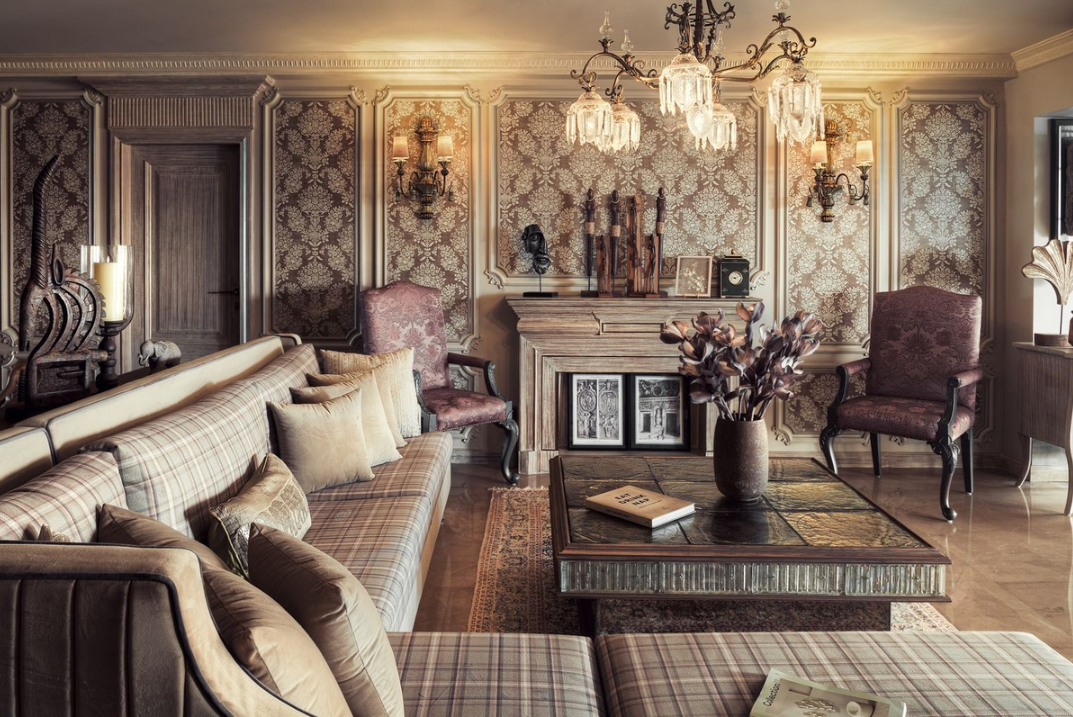
Presenting a distinctive property for sale requires a balance between preserving its character and helping prospective buyers imagine living there. In London homes, where original architectural details often sit alongside modern renovations, carefully selected vintage and antique pieces can provide visual interest without making the interior feel dated or overly traditional.
What Is Modern Heritage Staging?
Modern heritage staging combines selected period furniture, traditional materials and contemporary furnishings to complement a property’s architectural features. Rather than recreating a historical interior, the approach uses a small number of considered pieces to highlight the home’s character while maintaining a clean, practical presentation suited to prospective buyers.
For sellers considering home staging companies london, understanding this balance is particularly relevant when preparing Victorian terraces, Georgian townhouses and converted period flats. A vintage console beneath original cornicing or an antique dining table in a room with restored timber flooring can help connect the furniture to the building’s character. The objective is to make the existing features more noticeable, not to introduce a decorative theme that competes with them.
Modern heritage staging can also suit renovated properties where original details have been retained alongside contemporary kitchens, bathrooms or extensions. In these homes, a combination of older and newer furniture can create continuity between different parts of the property. However, the approach should respond to the actual architecture rather than rely on adding antique objects simply to suggest heritage.
The distinction matters because buyers need to assess the property itself. Furniture and accessories should clarify the layout, demonstrate how rooms can be used and draw attention to features worth retaining. They should not distract from maintenance issues, conceal defects or make the available space difficult to judge.
Using Vintage and Antique Furniture to Complement Period Features
Original architectural details can provide a natural starting point for selecting furniture. Victorian and Edwardian properties may feature decorative fireplaces, ceiling roses, picture rails, timber floors and bay windows. Georgian homes often have balanced proportions, tall sash windows and carefully arranged rooms. Staging choices should work with these features rather than introduce furniture that obscures them.
An antique wooden sideboard, for example, may sit comfortably against a plain wall in a dining room with original panelled doors. A vintage occasional table can complement a period fireplace without covering its surround, while a traditional dining table may help establish the purpose of a reception room with generous proportions. These pieces can introduce texture and contrast while allowing the building’s details to remain the main focus.
Scale is particularly important. A large Victorian cabinet may suit a spacious reception room but overwhelm a smaller converted flat with limited floor space. Similarly, an ornate antique chair placed in a narrow hallway can obstruct circulation and make the entrance feel cramped. Selecting fewer, appropriately sized items is usually more effective than filling every available corner.
The condition of each piece also affects the overall presentation. Scratched finishes, damaged upholstery and unstable furniture can detract from the property’s appearance, particularly when the surrounding interior has been carefully maintained. Sellers do not necessarily need valuable antiques or fully restored furniture. Well-presented vintage pieces with sound construction and a suitable finish can provide the desired character without becoming the focal point for the wrong reasons.
Placement should reflect the room’s architectural strengths. Furniture arranged around a fireplace can establish a clear seating area, while leaving sufficient space around a bay window preserves the outlook and allows natural light to enter. In rooms with original floorboards, rugs can define seating areas, but they should not cover so much of the floor that an attractive feature becomes difficult to appreciate.
Balancing Heritage Pieces with Contemporary Furniture
A successful modern heritage scheme depends on contrast. Pairing a single traditional piece with simpler contemporary furniture can prevent the interior from feeling like a period recreation. For example, an antique dining table can be combined with understated chairs, while a vintage chest of drawers may work alongside a contemporary bed and plain bedside tables.
Contemporary lighting can also help establish this balance. A simple pendant or modern table lamp can sit comfortably alongside older furniture, particularly where the shapes and finishes complement the room. There is no need to match every item to the property’s original period. A mixture of styles can help demonstrate how traditional architecture accommodates modern living.
Colour selection provides another way to maintain consistency. Soft whites, warm neutrals and muted earth tones can create a restrained backdrop for timber furniture, natural fabrics and metal finishes. These colours can also help prospective buyers focus on the proportions and details of a room rather than a highly individual decorative scheme. However, neutral does not have to mean completely colourless. A few carefully chosen cushions, an artwork or a textured rug can provide definition without overwhelming the interior.
Accessories should be selected according to their contribution to the room. A framed print, ceramic vase or small stack of books may help establish scale and provide context for a furniture arrangement. Too many decorative objects, however, can make shelves and surfaces appear crowded. Collectable items, elaborate ornaments and strongly themed accessories are best used sparingly when preparing a property for sale.
Modern renovations require a similarly measured approach. In a contemporary extension with large glazed doors and clean architectural lines, one vintage piece may introduce warmth and a sense of continuity with the older part of the house. Adding numerous antique accessories to an otherwise modern interior can make the scheme feel artificial, particularly if there is no genuine architectural connection.
The aim is to create a coherent presentation rather than demonstrate a particular design style. Each room should feel connected to the rest of the property, even where furniture styles differ.
Choosing the Right Pieces for the Property and Buyer
The type of property should guide the staging specification. A Georgian townhouse with high ceilings and generous reception rooms may accommodate substantial wooden furniture, while a compact Victorian conversion may benefit from lighter pieces with simpler silhouettes. In smaller flats, maintaining clear walkways and visible floor space is often more important than introducing additional decorative detail.
Room proportions should also influence furniture selection. Tall furniture can complement high ceilings, but it may feel imposing in rooms with lower ceilings or restricted natural light. Narrow console tables, compact dining arrangements and streamlined seating can be more suitable where floor space is limited. Before introducing a piece, sellers should consider whether it improves the room’s function or merely occupies space.
The intended buyer audience provides useful context, although assumptions should be avoided. A family considering a period house may appreciate seeing how a reception room accommodates everyday seating and dining. A buyer interested in a converted flat may place greater emphasis on flexible furniture arrangements, storage and the relationship between the living area and kitchen. In both cases, practical layout should take priority over decorative styling.
Budget is another consideration. Purchasing genuine antiques is not essential, and expensive pieces do not automatically improve a property’s presentation. Existing furniture may already provide the right character if it is in good condition and appropriately scaled. Where additional items are required, sellers can prioritise one or two distinctive pieces and combine them with simpler, more affordable furnishings.
Sellers should also consider the requirements of photography and viewings. Furniture that looks attractive from one angle may obscure a fireplace or make a room appear narrower in photographs. Before finalising an arrangement, check the room from the doorway and likely camera positions. Remove unnecessary accessories, keep surfaces tidy and ensure that important architectural features remain visible.
Finally, heritage staging should not be used to disguise the property’s current condition. Peeling paint, damaged flooring, faulty fittings and other visible maintenance issues should be addressed where appropriate. Furniture can support the presentation of a home, but it cannot replace essential repairs or resolve problems with the layout.
Conclusion
Modern heritage staging can help present the character of London’s period properties while keeping interiors relevant to contemporary buyers. The most effective approach is to let the building guide the furniture choices, using vintage and antique pieces selectively alongside simpler modern furnishings. Before preparing a property for photography or viewings, identify its strongest original feature and select furniture that complements it without blocking the view, restricting movement or competing for attention.

Team Home Spacess shares simple, practical design ideas that work for real families. The team focuses on cozy décor, soft colors, and natural textures that make a space feel truly lived-in. From everyday decorating tips to creative home projects, Team Home Spacess is dedicated to helping readers create warm, comfortable, and inviting spaces with a fresh and personal touch.