

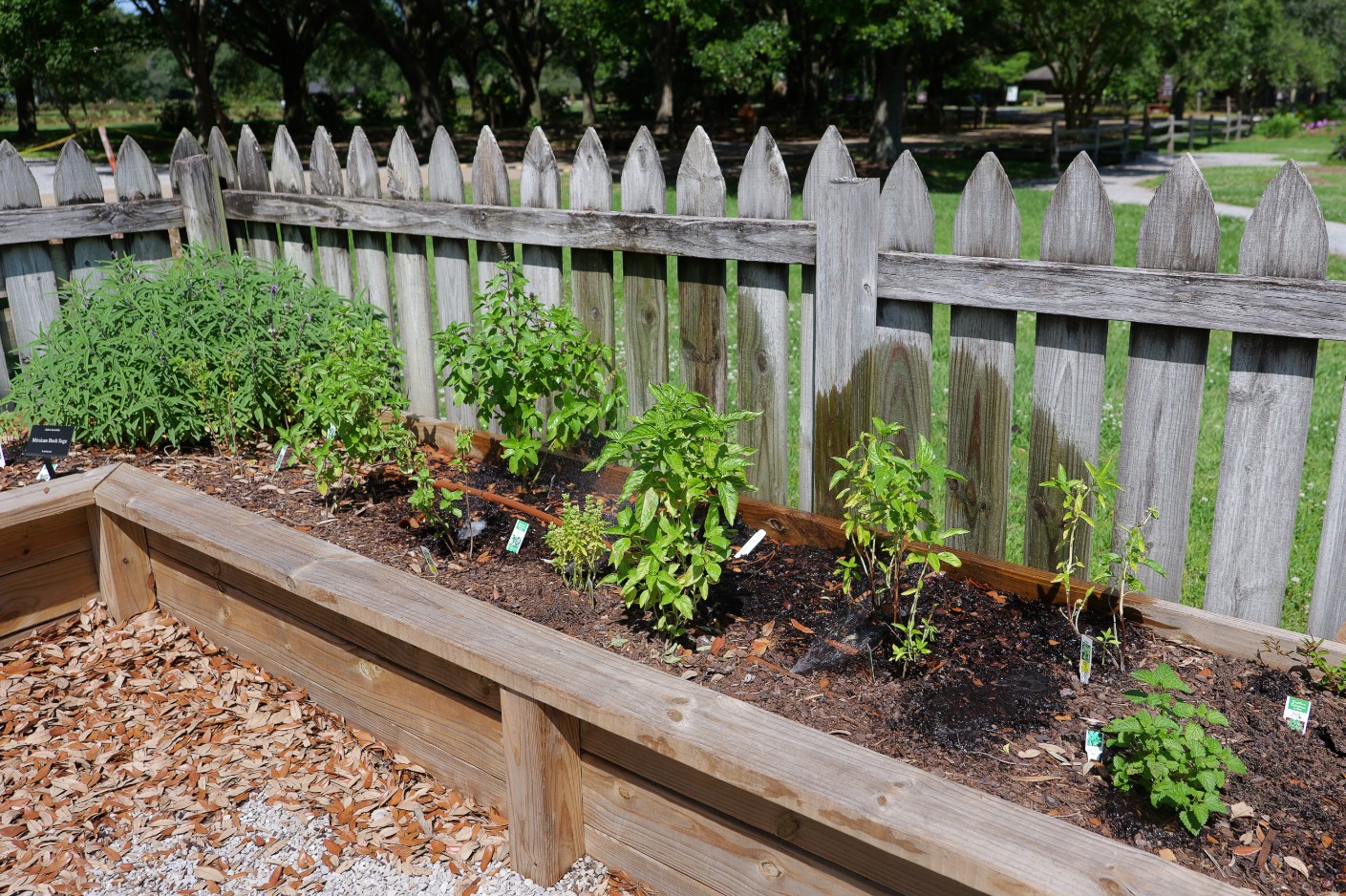
Timber is a natural choice for enhancing outdoor spaces. From sturdy retaining walls to raised garden beds and expansive decking, wood adds warmth and character to any backyard. However, integrating timber into your garden design comes with a significant caveat. The CSIRO estimates that termites cause roughly 1.5 billion dollars in property damage across Australia each year, with about one in five homes experiencing an attack at some point. While focusing on the structural integrity and aesthetic of your landscaping, it is crucial to consider how these materials might attract wood-destroying insects.
The Hidden Risks in Your Landscaping Design
The primary catalyst for termite invasions in residential gardens is direct ground-to-timber contact. When wooden retaining walls, deck posts, or untreated garden edging are placed directly into the soil, they create an open invitation for pests. Subterranean termites are highly dependent on moisture and actively avoid open air. They typically construct pencil-thick mud shelter tubes up concrete stumps, brickwork, or retaining walls to covertly reach dry timber.
Furthermore, how you position your landscaping features can compromise your home. Adding garden beds, heavy mulch, or paving directly against the perimeter of a house can easily bridge existing physical termite barriers. This allows pests to bypass defensive systems entirely and enter properties undetected. Such an oversight can instantly void a homeowner’s termite warranty and lead to devastating structural consequences.
Why Location and Climate Influence Termite Activity
Environmental factors play a massive role in pest behaviour. South East Queensland is officially designated as a high-termite-risk zone due to its humid, subtropical climate that creates ideal nesting conditions. Areas around the Logan River catchment, along with adjacent dense bushland corridors, provide a constant, moisture-rich environment. This actively supports massive subterranean termite colonies right on the edge of residential properties.
Because these regional conditions are so conducive to pest activity, local expertise is vital for prevention and early detection. Engaging professionals who understand the local ecosystem, like Control Pest Management in Logan, ensures that your garden structures and property boundaries are properly assessed for vulnerabilities before major damage occurs. The most destructive termite species in the region, Coptotermes acinaciformis, is known to hollow out structural timber beams in just three to six months, making proactive management absolutely essential.
Practical Steps to Safeguard Your Garden Structures
Protecting your landscaping investment requires a mix of smart design choices and ongoing vigilance. Australian Standards for termite management offer strict guidelines on how to keep both new builds and existing properties safe from structural degradation.
Here are several effective strategies to implement in your yard:
- Maintain visual inspection zones: Always keep a minimum 75mm exposed visual inspection zone at the slab edge of your building. This critical zone is frequently and incorrectly covered up by homeowners during weekend garden modifications.
- Use treated timber or steel: For any structure that requires direct contact with the ground, opt for high-grade treated timber, masonry, or galvanised steel to reduce your risk profile.
- Choose naturally resistant wood: When possible, select naturally termite-resistant timber species such as cypress pine, ironbark, or spotted gum for your outdoor projects.
- Control soil moisture: Fix leaky outdoor taps, ensure your retaining walls have adequate drainage, and direct rainwater runoff away from the structural foundations of your house and decking.
- Keep gardens away from external walls: Leave a physical gap between garden beds and the exterior walls of your home to prevent soil and mulch from acting as a bridge over termite barriers.
The Financial Importance of Routine Inspections
Many homeowners are shocked to discover that standard home and contents insurance policies in Australia almost universally exclude coverage for termite damage. Insurers classify pest infestations as a preventable issue that must be managed through routine property maintenance. Given that the average combined cost of termite treatment and subsequent structural repairs often exceeds ten thousand dollars per property, regular checks are a wise financial decision.
Australian Standards highly recommend that homes located in high-risk zones, especially those backing onto bushland or creeks, undergo professional pest inspections every six to twelve months. By combining smart landscaping practices with routine monitoring, you can enjoy the natural beauty of timber in your garden without the looming threat of hidden destruction. Proper planning and professional guidance will keep your outdoor sanctuary safe for years to come.

Team Home Spacess shares simple, practical design ideas that work for real families. The team focuses on cozy décor, soft colors, and natural textures that make a space feel truly lived-in. From everyday decorating tips to creative home projects, Team Home Spacess is dedicated to helping readers create warm, comfortable, and inviting spaces with a fresh and personal touch.