

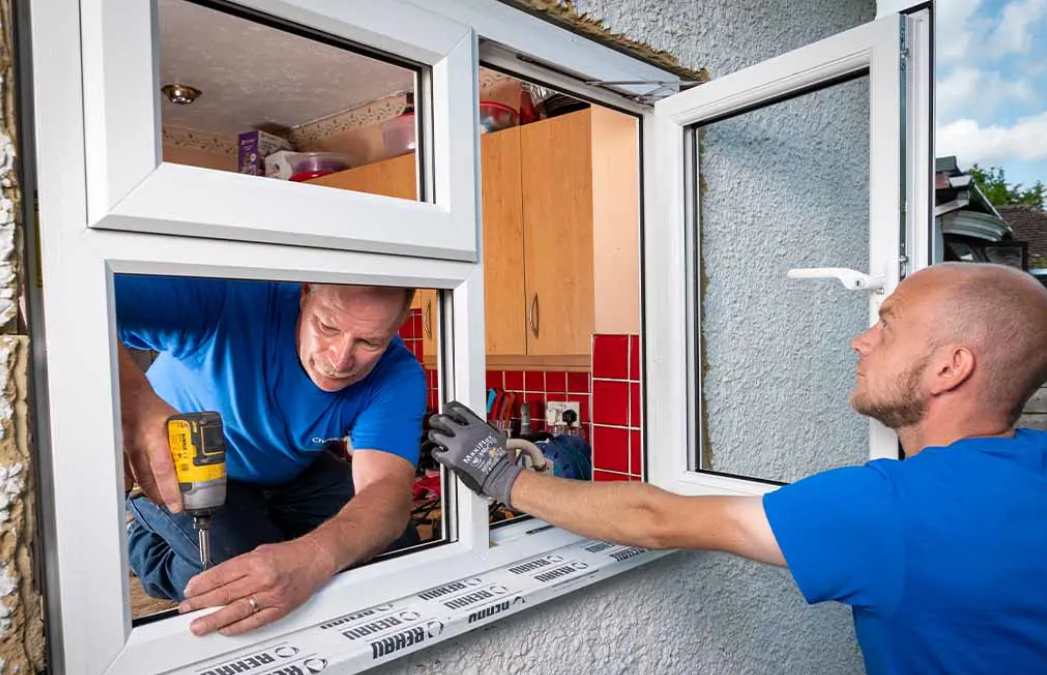
- Yes, in many homes you can add double glazing to your existing frames, as long as the timber or aluminium is still sound and deep enough to take a thicker glass unit.
- Retrofitting is usually cheaper, faster and less disruptive than full replacement, and it keeps the character of older villas and bungalows intact.
- Full window replacement makes more sense when frames are rotten, warped, badly corroded, or simply too thin to hold double glazed units safely.
If you live in an older New Zealand home, you probably know the feeling. Winter arrives, condensation runs down the inside of the glass every morning, and the heater seems to be fighting a losing battle against the cold coming off the windows. Double glazing is the obvious fix, but many homeowners stop short because they assume it means ripping out every window and starting again.
The good news is that this is often not the case. Depending on the condition and style of your joinery, you may be able to keep your existing frames and simply upgrade the glass.
How Retrofitting Works
Retrofitting means taking out the single pane of glass in your current sash or frame and replacing it with an insulated glass unit (IGU). An IGU is two panes of glass separated by a sealed spacer, with a layer of air or argon gas trapped between them. That trapped layer is what slows heat loss and reduces condensation.
Because an IGU is thicker than a single pane, the installer usually needs to rebate (cut back) the timber sash or fit a new glazing bead to make room for it. On aluminium joinery, the original glazing channel is often swapped for an adapter that holds the wider unit. Done well, the finished window looks almost the same from the street, which is a big plus for character homes.
Retrofit Options Worth Knowing About
There is more than one way to approach this, and the right choice depends on your frames, your budget and how much you want to change the look of the house.
- Glass replacement in existing sashes: The most common approach for timber villas and bungalows. The old glass comes out, the sash is modified, and a slim IGU goes in.
- Aluminium frame adaptation: For 1970s to 1990s aluminium windows, a new glazing adapter lets the existing frame take double glazed units without replacing the whole window.
- Secondary glazing: A separate panel fitted on the inside of the existing window. It is less invasive and sometimes suits heritage-listed properties, though it is not true double glazing.
- Low-E and thermally improved units: Upgrading to low emissivity glass within the retrofit can lift performance further without any extra change to the frame.
When we looked into Retrofit double glazing for our own 1920s weatherboard last year, the biggest surprise was how much of the original joinery could be saved. We had assumed the old rimu sashes would have to go, but after an assessment it turned out only two windows on the southern side needed full replacement. If you want a clear breakdown of how the process works, this guide on Retrofit double glazing explains it well. We ended up going with The Double Glazing Company after a friend down the road had theirs done, and the house has been noticeably warmer and quieter ever since.
When Full Window Replacement Is the Better Option
Retrofitting is not always the answer. There are situations where keeping the old frames would be a false economy, and an honest installer should tell you so.
Full replacement is usually necessary when the timber is rotten, particularly along the bottom rail and sill where water tends to sit. Soft or crumbling timber will not hold a heavy glass unit securely or keep a good seal. Badly warped sashes that no longer close properly are another warning sign, since a new IGU will not fix the gaps around the edges.
Aluminium frames can also reach the end of their life. Heavy corrosion, broken hardware, or frames with no thermal break may mean the frame itself is leaking heat faster than the glass. In those cases, new thermally broken joinery will give you far better results.
Finally, some older frames are simply too thin. If there is not enough depth to rebate the sash without weakening it, replacement is the safer route.
Making the Decision
The best first step is a proper on-site assessment. A good installer will check each window individually rather than quoting the same solution for the whole house. It is common to end up with a mix, retrofitting most windows and replacing one or two that are past saving.
For many Kiwi homes, keeping the existing frames is a practical way to get warmer rooms, lower power bills and less condensation without losing the character that made you fall for the house in the first place.

Team Home Spacess shares simple, practical design ideas that work for real families. The team focuses on cozy décor, soft colors, and natural textures that make a space feel truly lived-in. From everyday decorating tips to creative home projects, Team Home Spacess is dedicated to helping readers create warm, comfortable, and inviting spaces with a fresh and personal touch.