

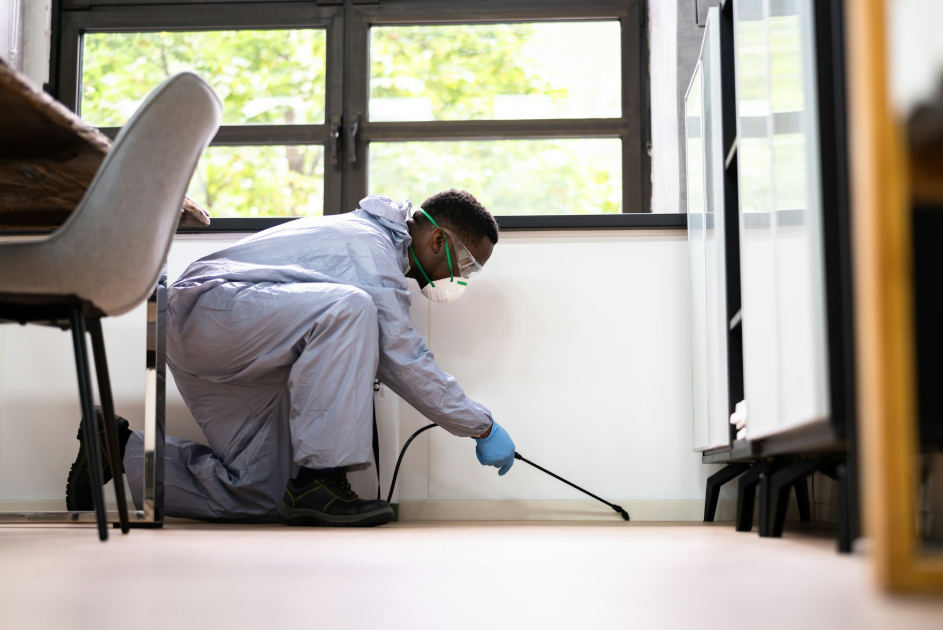
Pests rarely announce themselves in the bedroom first. They arrive through the parts of a house that sit between outdoors and indoors, then work inward once conditions allow. A mudroom with muddy boots, a garage stacked with boxes, and a sunroom that traps afternoon heat all offer a softer landing than a carefully kept living room. For Birmingham households, where humidity stays high for much of the year and storms push insects and rodents toward shelter, these buffer spaces often hold the earliest evidence of trouble. Learning what to look for, and where, shortens the gap between the first scout and the first decision.
Why Pests Reach the Buffer Zones Before the Bedrooms
Transitional rooms combine three things pests value: easy access, shelter, and low human traffic. Doors open and close all day, which lets insects slip in behind a person carrying groceries. Weatherstripping wears out faster in these spots, and thresholds sag where heavy shoes cross them.
Temperature and humidity also differ from the rest of the house. A garage swings between hot and cool, and a porch collects morning dew. Insects that cannot tolerate an air-conditioned bedroom still thrive in these halfway climates, so populations can build for weeks without anyone noticing.
Human habits play a part as well. People tend to clean kitchens and bathrooms regularly but leave mudrooms, laundry areas, and garages for a seasonal sweep. Dust, dropped crumbs, pet food, and stored cardboard accumulate in these places, giving small pest groups both food and cover. By the time activity reaches a bedroom, it has often been established in a transitional space for some time.
Mudrooms, Entry Halls, and Attached Garages
The mudroom and entry hall form the main funnel for anything entering the home. Shoes carry seeds and insect eggs, wet coats leave moisture on the floor, and pet gear brings outdoor debris into a warm room. A bench with hidden storage or a closet of seasonal clothing creates dark, still pockets where spiders and silverfish settle.
Attached garages add a larger exposure. Overhead doors seldom seal fully, and gaps along the bottom edge or at the corners allow crickets, ants, and mice to enter. Cardboard boxes, birdseed, pet food, and recycling bins serve as a food source and nesting material in one location. The shared wall with the house, along with any door leading inside, becomes the final barrier.
Sensible habits help. Lidded plastic bins in place of cardboard, a regular rotation of stored items, and a quick inspection of the door sweep between the garage and the kitchen reduce both food and entry. Floors should stay clear enough that a flashlight beam can run along the wall edge, since droppings and chewed material show up best there.
Sunrooms, Porches, and Laundry Rooms
Sunrooms and enclosed porches have a particular weakness: glass and screen cannot insulate like walls. Window seals dry out, tracks collect dead insects, and heat draws cluster flies and stink bugs to the warm side of the room in cooler months. Wicker furniture, cushions, and plant pots add hiding places that the room’s owners rarely move.
Laundry rooms bring in moisture and utility lines. Washer hoses, drain pipes, and dryer vents pass through walls, and the gaps around them lead directly to crawl spaces or exterior walls. Lint, detergent residue, and damp towels provide food and water for cockroaches and crickets. If insects keep appearing near these lines even after cleaning, a visit from a provider such as Magic City Pest Control in Birmingham can help trace where they are coming from and whether the access point sits inside the wall.
Regular checks matter more than deep scrubs here. Pulling the washer forward twice a year, wiping window tracks monthly, and shaking out porch cushions before use are small tasks that keep these rooms from becoming nesting areas.
Reading the Early Warning Signs
The first sign of pest activity in a transitional room is usually physical evidence rather than a live animal. Droppings appear along baseboards, behind appliances, and under shelves, and their size and shape give clues about species. Rodent droppings resemble dark grains of rice, while cockroach droppings look more like ground pepper.
Insects leave their own traces. Shed skins collect near windowsills and basement corners, particularly where cockroaches, spiders, or beetles molt. Fine webbing in upper corners, around light fixtures, or between stacked boxes suggests spiders feeding on smaller insects. Gnawed cardboard, torn bags of pet food, and scattered seed hulls point to rodents or pantry insects.
Patterns carry more weight than single sightings. One ant on a porch means little, but a steady line near a door frame means a colony is feeding nearby. The same holds for a few moths near a garage light compared with moths gathering inside sealed food bags.
A short list helps anchor routine checks:
- Droppings along walls, shelves, and utility lines
- Shed insect skins near thresholds and window tracks
- Packaging with chew marks or small holes
- Webbing in corners and around light fixtures
- Recurring insects clustered near doors or pipes
When several of these appear together, or when they return after cleaning and sealing, a professional evaluation from Magic City Pest Control in Birmingham or a comparable local service becomes worthwhile, since a trained inspector can see concealed activity that a homeowner cannot.
Building a Routine for Buffer Spaces
A monthly walk through each transitional area is enough to catch most problems. Start at the outside door and work inward, looking at thresholds, door sweeps, and the first few feet of floor. Check weatherstripping for gaps and replace it when it no longer meets the frame.
Next, look at storage. Items that have not moved in six months deserve a closer look, especially cardboard, fabric, and bagged food. Move them, sweep the area, and note any new evidence. Keeping a small notebook or phone log of dates and findings helps spot slow trends that memory misses.
Finally, address moisture. Fix leaking hose bibs, direct dryer vents outdoors, and run a dehumidifier in damp laundry rooms or garages if the air feels heavy. Dry spaces support fewer pests, and they make inspection easier.
Final Analysis
Transitional rooms act as an early alert system for the whole house. They are exposed enough to attract pests and quiet enough to hide them, so the first signs of trouble often appear there weeks before they reach a bedroom. Birmingham homeowners who treat these spaces as part of the inspection routine, rather than afterthoughts, usually catch problems while the solution is still simple.

Team Home Spacess shares simple, practical design ideas that work for real families. The team focuses on cozy décor, soft colors, and natural textures that make a space feel truly lived-in. From everyday decorating tips to creative home projects, Team Home Spacess is dedicated to helping readers create warm, comfortable, and inviting spaces with a fresh and personal touch.