

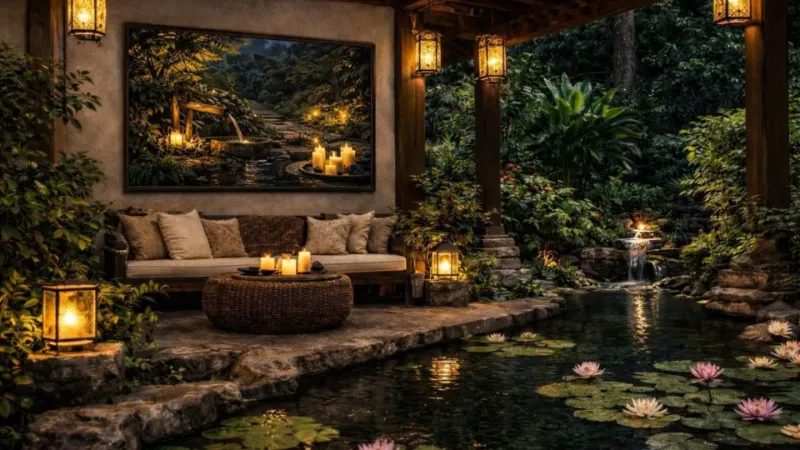
Your garden looks beautiful all afternoon, then the sun sets and it disappears into darkness. That’s the problem most homeowners face: a stunning outdoor space that only works for half the day. The right garden lighting ideas can change that completely, turning your yard into a warm, usable retreat every single evening.
This guide walks through practical garden lighting ideas, from budget-friendly solar stakes to professional-grade landscape lighting systems. You’ll also find expert insights on trends, sustainability, and the mistakes most people make when lighting their outdoor space. By the end, you’ll have a clear plan for a garden that glows exactly the way you want it to.
Pathway Lighting for Safe, Guided Movement
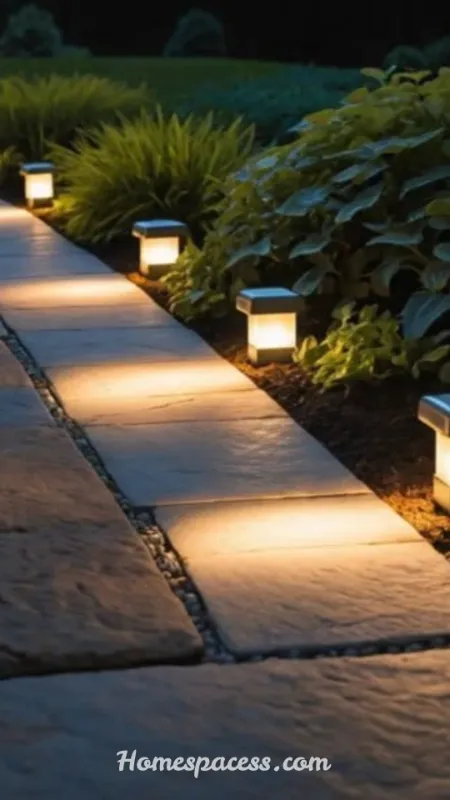
Pathway lighting is one of the most functional garden lighting ideas you can start with. Low, evenly spaced fixtures line walkways so guests can move safely after dark without tripping over steps, edging, or uneven soil. It also draws the eye through the garden, creating a natural sense of direction.
Imagine hosting a summer dinner party. Guests arrive after sunset, and instead of fumbling with phone flashlights, they follow a soft trail of light straight to your front door. That small detail leaves a lasting impression and instantly elevates the whole evening.
Style Note:
Choose fixtures with a consistent finish, such as matte black or bronze, so the path reads as one cohesive design rather than mismatched hardware.
Pro Tip:
Space path lights 6 to 8 feet apart for even coverage without creating a runway effect.
Recommended for You: Garden Party Ideas That Will Wow Every Guest
Solar Garden Lights for Effortless, Eco-Friendly Glow
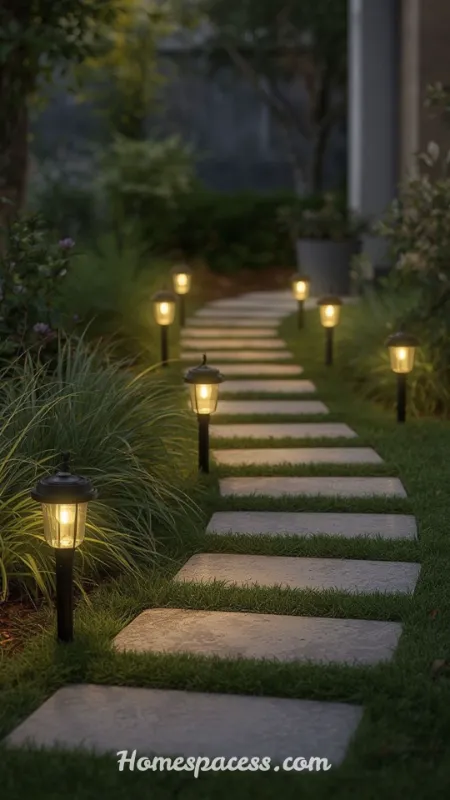
Solar garden lights are the easiest entry point into outdoor lighting because they need no wiring and no electrician. They charge during the day and switch on automatically at dusk, making them ideal for renters or anyone who wants results without a big installation project.
A homeowner with a shaded side yard once assumed solar lights wouldn’t work for her space. After switching to high-capacity panels and placing them in the few sunny gaps near her fence, she got a reliable six hours of light each night proof that placement matters more than the brand.
Style Note:
Pick fixtures with warm-white LEDs instead of cool-white for a cozier, more natural garden glow.
Pro Tip:
Clean solar panels monthly; dust and pollen buildup can cut charging efficiency by up to 30%.
You May Also Like: Simple Garden Decor Ideas for a Clean and Modern Outdoor Style
String Lights for Instant Ambiance
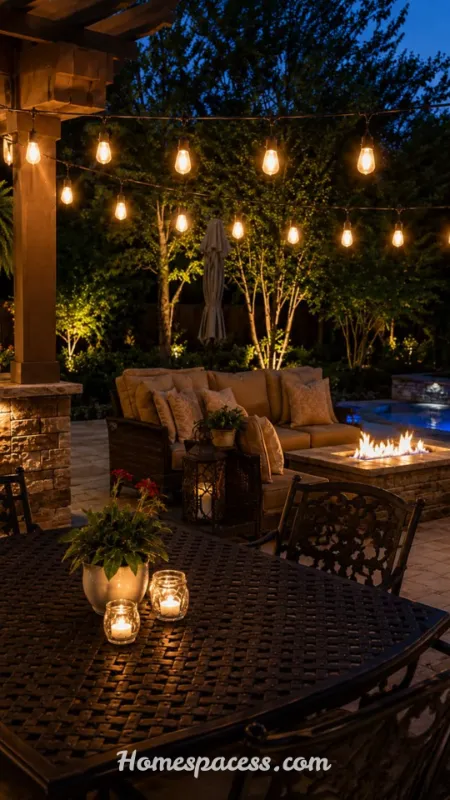
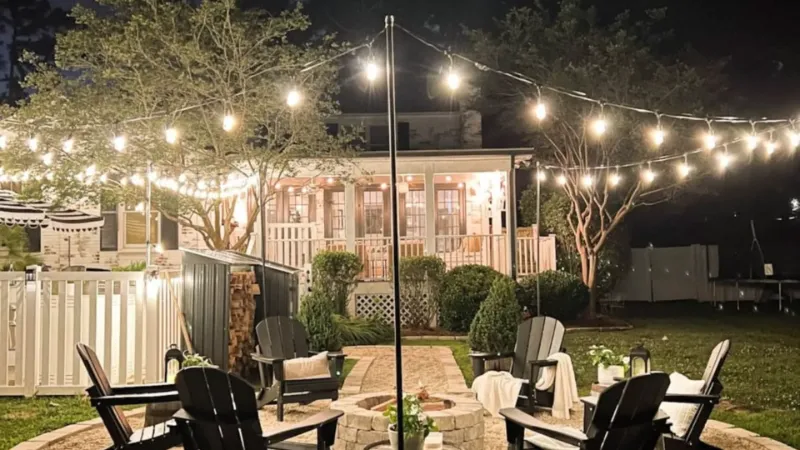
Few garden lighting ideas deliver as much atmosphere per dollar as string lights. Draped between trees, along a fence line, or over a patio, they create soft, diffused light that feels celebratory without being harsh or clinical.
For a backyard birthday gathering, crisscrossing string lights above the seating area instantly turns an ordinary lawn into an event space. The warm glow bounces off tablecloths and glassware, doing more visual work than a dozen matching lanterns ever could.
Style Note:
Globe-style bulbs suit modern gardens, while mini fairy lights fit cottage or bohemian themes better.
Pro Tip:
Use outdoor-rated, UL-listed string lights and check the weatherproof rating before mounting near sprinklers.
See Related Articles: 20 Stunning Flower Garden Ideas to Transform Your Outdoor Space
Uplighting to Highlight Trees and Architecture
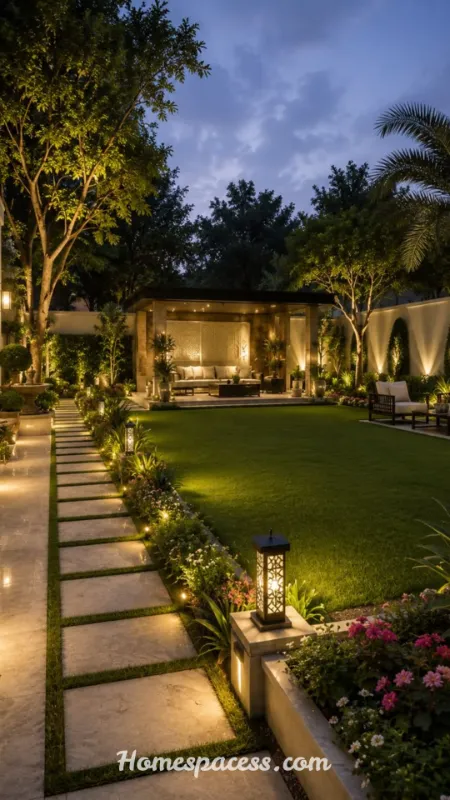
Uplighting places fixtures at ground level, aiming light upward into trees, columns, or architectural features. This technique adds drama and depth, making a mature oak or a textured stone wall the focal point of the entire garden after dark.
A landscape designer once described uplighting an old maple tree as ‘giving the garden a second personality at night.’ The same tree that provided shade by day became a sculptural centerpiece once light hit its branches from below.
Style Note:
Angle fixtures at roughly 45 degrees to avoid harsh glare while still capturing texture and shadow.
Pro Tip:
Use narrow-beam spotlights for tall, single trees and wide-beam floods for broader shrubs or walls.
Explore More: Backyard Design Ideas to Create Your Dream Outdoor Space
Deck and Patio Lighting for Extended Living Space
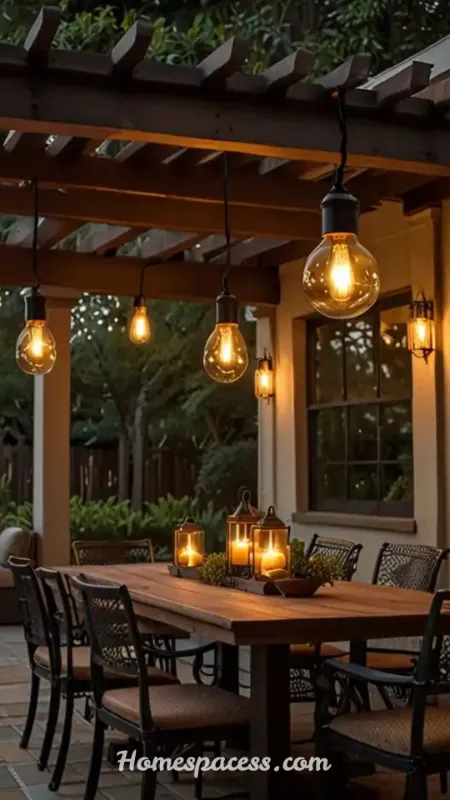
Deck lighting and patio lighting extend your home’s living area outdoors, letting families cook, dine, and relax well past sunset. Recessed step lights, post-cap fixtures, and under-rail strips all add function while keeping the space visually clean.
One family who added recessed lighting to their deck stairs found they used the space almost twice as often in summer, simply because it no longer felt unsafe or unusable once the sun went down.
Style Note:
Match fixture finishes to your railing or furniture hardware for a polished, unified look.
Pro Tip:
Install step lights on every other step at minimum; skipping too many creates dark gaps that undermine safety.
Related Articles: Front Garden Ideas for Every Style From Classic to Modern Homes
Lantern-Style Lighting for Classic Charm
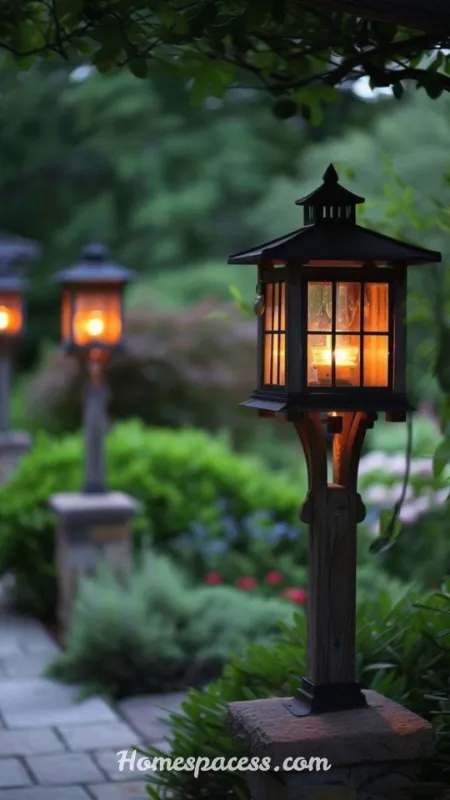
Lantern-style fixtures bring timeless character to a garden. Whether hung from a pergola, placed along a porch, or clustered on a patio table, lanterns work equally well with candles, LED inserts, or solar cells.
In a Mediterranean-inspired courtyard, wrought-iron lanterns hung at varying heights created layered shadows on the walls, giving the space a sense of history even in a newly built home.
Style Note:
Vary lantern heights slightly rather than lining them up perfectly; it creates a more organic, curated feel.
Pro Tip:
Use flame-effect LED bulbs indoors lanterns exposed to wind, so you get ambiance without the fire risk.
Must Read This Post: Workshop Design Ideas to Build a Smarter, Safer, and More Efficient Space
Downlighting for Soft, Moonlight-Like Coverage
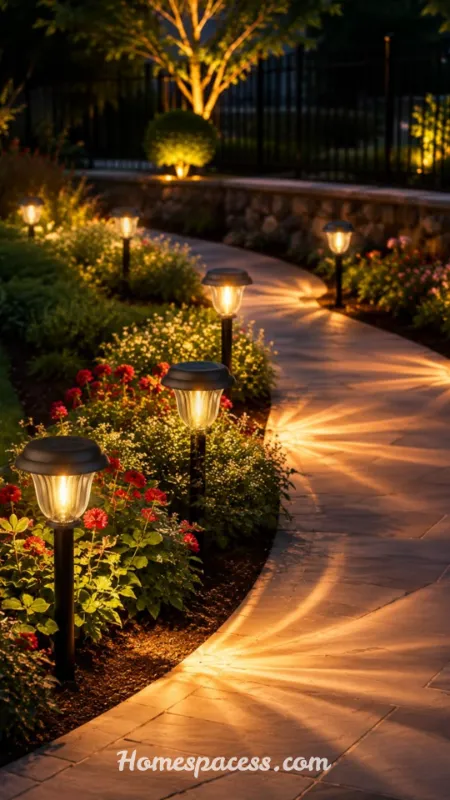
Downlighting, sometimes called moonlighting, mounts fixtures high in trees and points them downward. The result mimics natural moonlight filtering through branches, casting soft, dappled shadows across lawns and seating areas.
This technique works especially well in larger gardens where broad, ambient coverage matters more than highlighting a single feature. It’s subtle, but it changes the entire mood of a space.
Style Note:
Choose fixtures with a black or dark bronze housing so they disappear into the foliage during the day.
Pro Tip:
Mount downlights at least 10 to 15 feet high for the widest, most natural-looking spread of light.
Water Feature Lighting for a Dramatic Focal Point
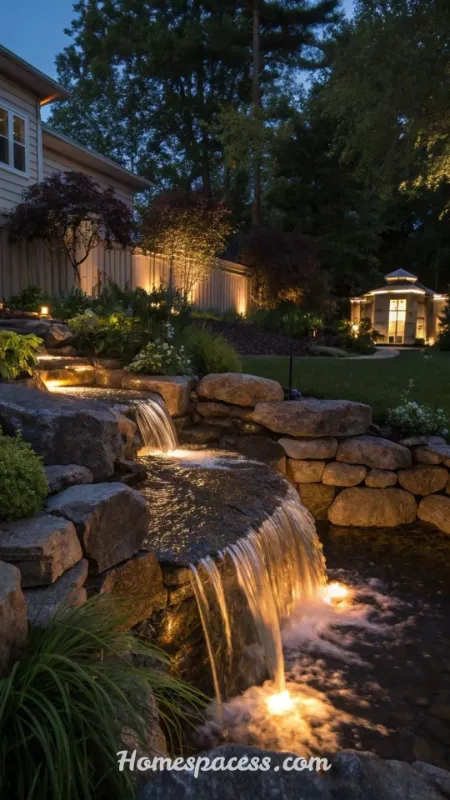
Lighting a pond, fountain, or waterfall adds movement and reflection that static fixtures can’t replicate. Submersible LEDs placed beneath the surface make water sparkle and ripple with light, creating one of the most photogenic garden lighting ideas available.
A homeowner with a small backyard koi pond added color-changing submersible lights and noticed guests consistently gathered near it during evening gatherings, proof that a single well-lit feature can anchor an entire outdoor layout.
Style Note:
Stick to cool blue or white tones for water features; warm amber tones can look murky underwater.
Pro Tip:
Always use fixtures rated specifically for submersion, not just ‘weatherproof,’ to avoid electrical failure.
Motion-Sensor Lighting for Security and Efficiency
Motion-sensor lights serve a dual purpose: they deter unwanted visitors and save energy by staying off until needed. Positioned near gates, side entrances, or dark corners, they’re one of the most practical garden lighting ideas for safety-conscious homeowners.
A couple who traveled frequently installed motion-sensor floodlights near their side gate after a series of neighborhood break-ins. They reported feeling noticeably more secure, and the lights also made late-night trash takeout far less stressful.
Style Note:
Choose adjustable sensitivity settings so passing cars or pets don’t trigger false activations.
Pro Tip:
Pair motion sensors with a dusk-to-dawn photocell so lights only activate after dark.
Colored and Smart Lighting for Personalization
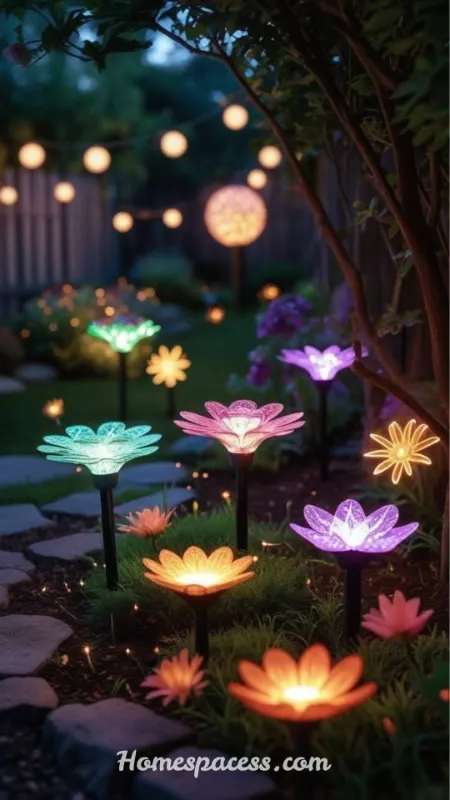
Smart outdoor lighting systems let homeowners change color, brightness, and schedules from a phone app. This flexibility means the same fixtures can create a calm blue glow for a quiet evening or a festive multicolor display for a party.
A family used app-controlled color-changing lights to mark holidays automatically, orange for Halloween, red and green for December, without ever touching a ladder or swapping bulbs. That kind of convenience is quickly becoming a baseline expectation.
Style Note:
Stick to one or two accent colors at a time; too many competing hues can feel chaotic rather than elegant.
Pro Tip:
Group smart fixtures into zones so you can dim the dining area while keeping pathway lights bright.
Low-Voltage Landscape Lighting Systems
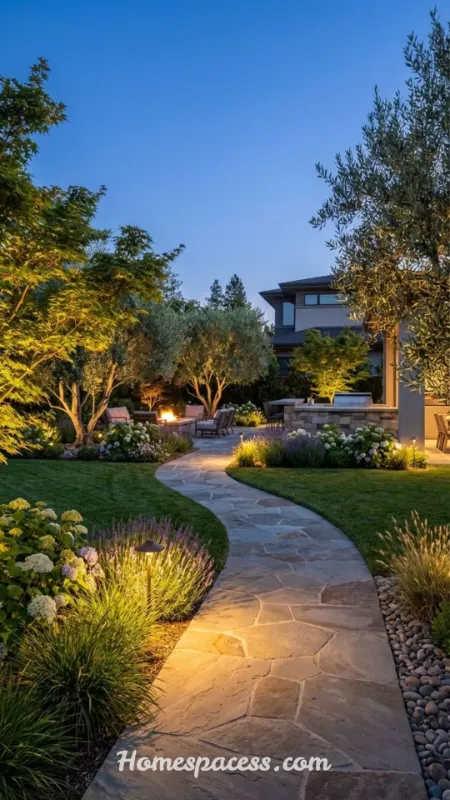
Low-voltage lighting systems run on a transformer that steps down household current to a safer 12 volts, making them a popular choice for landscape lighting across an entire property. They’re safer to install than line-voltage systems and cost less to run over time.
A landscaper who converted a client’s aging line-voltage setup to low-voltage LED fixtures cut the homeowner’s outdoor lighting energy use by more than half, while also improving brightness and consistency across the yard.
Style Note:
Bury cables at least 6 inches deep and use a consistent fixture family for a professional, cohesive result.
Pro Tip:
Choose a transformer rated for at least 20% more wattage than your current fixtures to allow for future additions.
Fire-Inspired Lighting for Cozy Gathering Spots
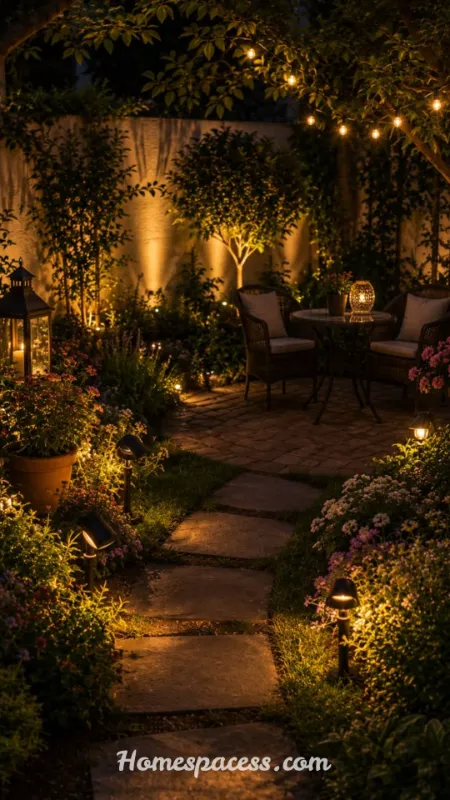
Fire pits, torches, and flame-effect lanterns bring warmth, both literal and visual, to a garden. Positioned around a seating area, they create a natural gathering point that encourages people to linger longer after the sun goes down.
One backyard renovation paired a gas fire pit with low uplighting on nearby shrubs, and the homeowners found their friends stopped drifting indoors after dinner. The combined glow made the outdoor space feel just as comfortable as their living room.
Style Note:
Keep fire-based lighting slightly separate from string lights or delicate fixtures to reduce heat-related wear.
Pro Tip:
Check local fire codes and maintain at least 10 feet of clearance from structures and overhanging branches.
Final Thoughts
Great garden lighting ideas don’t require a full landscaping overhaul, just thoughtful layering of pathway lights, accents, and ambiance to match how you actually use your space. Whether you start with a few solar garden lights or invest in a full low-voltage lighting system, the goal is the same: a garden that feels just as inviting at night as it does in daylight. Pick one or two ideas from this guide, try them this weekend, and watch how much longer your evenings outdoors start to last.
Going Deeper: Expert Perspective on Garden Lighting
Garden Lighting Trends in 2026 and Beyond
In 2026, garden lighting ideas are shifting toward layered, app-controlled systems rather than single-fixture solutions. Homeowners increasingly expect pathway, accent, and ambient lighting to work together as one coordinated system, controlled from a single app instead of separate switches and timers.
Warm-tone, tunable LEDs are also replacing older cool-white fixtures, as more people recognize that color temperature affects how relaxing a space feels. Expect this shift toward customizable warmth to continue as smart lighting becomes more affordable.
Looking ahead, integration with home energy systems is likely to grow. Some newer transformers already sync with solar battery storage, letting outdoor lighting draw from stored solar power overnight instead of the grid, a trend that will likely become standard within a few years.
Expert Insights: Getting the Most from Your Lighting Layout
Professional lighting designers consistently emphasize layering: combining pathway, accent, and ambient light rather than relying on one type alone. A garden lit only by string lights, for example, often looks flat once the novelty wears off, while a layered design keeps drawing the eye to different features.
Another overlooked tactic is planning lighting the same way you’d plan a room’s interior lighting, with distinct zones for tasks like grilling, seating, and pathways. This zone-based approach prevents the common mistake of over-lighting the whole yard evenly, which flattens depth and makes a space feel less intentional.
Finally, experienced installers recommend testing fixture placement at night before finalizing anything permanent. Temporary stakes or clip-on lights let you walk the garden after dark and adjust angles before committing to buried wiring or mounted hardware.
Sustainability and Long-Term Value in Outdoor Lighting
Solar garden lights and low-voltage LED systems aren’t just eco-friendly, they also reduce long-term costs significantly compared to older incandescent or line-voltage setups. LEDs typically last 25,000 to 50,000 hours, meaning a well-chosen fixture can outlast a decade of regular outdoor use.
From a resale perspective, thoughtfully designed landscape lighting consistently ranks among the outdoor improvements that add measurable curb appeal, since it showcases a property’s features during evening showings when natural light isn’t available.
Choosing dark-sky-friendly fixtures, ones that direct light downward rather than scattering it upward, also reduces light pollution and protects local wildlife, particularly nocturnal pollinators like moths that rely on natural darkness cycles.
Future Innovations in Garden and Landscape Lighting
Emerging technology is pushing garden lighting ideas toward greater automation. Sensor-driven systems that adjust brightness based on weather, foot traffic, or even the phase of the moon are already appearing in premium landscape lighting products.
Battery and solar efficiency are also improving quickly. Newer solar cells now charge effectively in partial shade, a major limitation that once made solar garden lights unreliable for anything but full-sun locations.
Longer term, expect closer integration between lighting and smart irrigation or security systems, allowing a single platform to manage a garden’s water, light, and safety features together rather than through separate, disconnected apps.
Common Mistakes to Avoid When Lighting a Garden
The most frequent mistake is over-lighting: installing too many fixtures at equal brightness, which erases shadow and depth instead of enhancing them. A well-lit garden should have contrast, not uniform glare across every surface.
Another common oversight is ignoring glare and eye-level placement. Fixtures aimed directly at seating areas or windows can create harsh, uncomfortable brightness rather than the soft ambiance most homeowners actually want from outdoor lighting.
Finally, many people skip planning for maintenance access, burying cables too shallow or placing solar panels where trees will eventually shade them. Considering plant growth and seasonal changes during installation saves significant rework a few years down the line.

Team Home Spacess shares simple, practical design ideas that work for real families. The team focuses on cozy décor, soft colors, and natural textures that make a space feel truly lived-in. From everyday decorating tips to creative home projects, Team Home Spacess is dedicated to helping readers create warm, comfortable, and inviting spaces with a fresh and personal touch.