

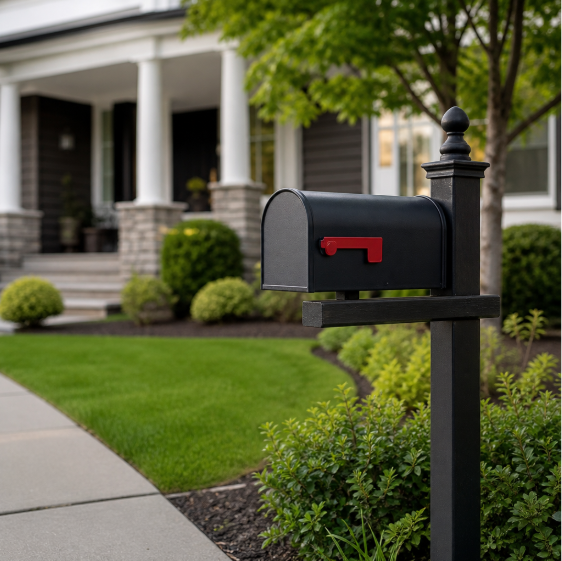
A mailbox without clear address numbers creates problems for mail carriers, delivery drivers, and emergency services. While many homeowners focus on house numbers at the front door, the mailbox itself often gets overlooked, leaving visitors and postal workers squinting at faded stickers or trying to decipher numbers that have peeled away. Making your mailbox address visible is not just about convenience; it directly affects mail delivery reliability and can even impact emergency response times when seconds matter.
The solution lies in choosing the right numbering system for your mailbox and installing it correctly. This guide covers the practical steps to select, apply, and maintain mailbox numbers that remain legible year after year, regardless of weather conditions or sun exposure.
Why Mailbox Visibility Matters
Postal regulations in many areas require address numbers on mailboxes, particularly in rural delivery zones where mailboxes line the roadside rather than sitting at individual properties. The United States Postal Service has specific guidelines about number visibility, and postal officials regularly emphasize that clearly marked mailboxes prevent misdelivery and help carriers complete routes efficiently.
Beyond postal requirements, emergency responders rely on visible addresses when responding to calls. Paramedics and firefighters often work in unfamiliar neighborhoods, sometimes at night or in poor weather. A mailbox with clear numbers at the street level can be the difference between immediate response and costly delays while crews search for the correct address.
Package delivery drivers face similar challenges, especially during peak seasons when they navigate unfamiliar routes. Clear mailbox identification reduces the likelihood of packages being left at wrong addresses, saving everyone the frustration of tracking down misdelivered items.
Choosing Mailbox Numbers That Last
Mailbox numbers face harsh conditions. They endure direct sunlight, rain, snow, and temperature swings that cause most materials to fade, crack, or peel within a few years. Cheap vinyl stickers might seem economical, but they typically degrade quickly, leaving you with an illegible mailbox that requires replacement.
Material Considerations
Metal numbers offer superior durability compared to vinyl or painted options. Aluminum resists rust and maintains its appearance through years of exposure. Some homeowners prefer reflective numbers that catch headlight beams at night, making addresses visible to drivers approaching from either direction.
For those seeking a clean, modern aesthetic, adhesive mailbox numbers made from recycled aluminum provide a floating appearance with concealed mounting that keeps the installation clean and professional. These numbers typically range from two to four inches in height, with the larger sizes offering better visibility from moving vehicles.
Size and Contrast Requirements
Numbers should be at least three inches tall for roadside mailboxes, though four inches works better for high-speed roads where drivers have less time to spot addresses. Contrast matters as much as size. Black numbers on a white mailbox or white numbers on a dark mailbox provide the clearest visibility. Avoid low-contrast combinations like gray on silver or brown on tan, which disappear in certain lighting conditions.
Installation Techniques for Different Mailbox Types
The installation method depends on your mailbox material and the type of numbers you have chosen. Standard metal mailboxes with painted or powder-coated surfaces accept adhesive numbers well, provided you prepare the surface properly. Plastic mailboxes require more attention because their surfaces expand and contract more dramatically with temperature changes.
Surface Preparation
Clean the mailbox surface thoroughly with isopropyl alcohol to remove any oils, wax, or dirt that would interfere with adhesion. Let the surface dry completely before proceeding. For best results, install numbers when temperatures are between 50 and 90 degrees Fahrenheit, as adhesives bond poorly in extreme cold or heat.
Mark the position of each number with a pencil before removing any adhesive backing. Use a level or measuring tape to ensure numbers sit straight and evenly spaced. Most people space numbers about half an inch apart, though this can vary based on aesthetic preference and the specific number combination.
Application Process
Peel backing from one number at a time and press it firmly onto the marked position. Apply pressure across the entire surface for at least 30 seconds, paying special attention to edges where peeling typically begins. Some installers use a roller or credit card to ensure complete contact between the adhesive and mailbox surface.
Avoid adjusting numbers once they make contact with the surface, as this weakens the adhesive bond. If you need to reposition a number, it is better to remove it completely, clean the surface again, and use a fresh number if available.
Coordinating Mailbox and Entrance Signage
While mailbox numbers help from the street, your home should have a cohesive address identification system that guides visitors from the curb to the front door. This means considering how your front door and entryway design incorporates house numbers alongside your mailbox approach.
Many homeowners choose to match the style of their mailbox numbers with those on their house, creating a unified aesthetic. If you select modern aluminum numbers for your mailbox, using the same finish and font on your house creates visual continuity. However, functionality trumps perfect matching. Your mailbox numbers need to be visible from a moving vehicle, while house numbers can be smaller since people view them while walking or from a parked car.
Maintenance and Replacement
Even durable mailbox numbers require occasional attention. Inspect them seasonally for signs of lifting, fading, or damage. Metal numbers may accumulate road grime or salt residue, particularly in winter months. Clean them with mild soap and water, avoiding harsh chemicals that might damage protective finishes or weaken adhesive bonds.
If numbers begin to lift at the edges, address the problem immediately rather than waiting for complete failure. Sometimes you can reattach a lifting number with additional adhesive, but often replacement is more reliable. Keep spare numbers on hand so you can make quick replacements when needed.
Replace mailbox numbers every five to seven years as a preventive measure, even if they still look acceptable. This schedule ensures you maintain optimal visibility before degradation becomes obvious. The modest cost of replacement numbers is worthwhile compared to the hassle of missed deliveries or emergency service delays.
Common Mistakes to Avoid
Many homeowners install numbers that are too small, assuming that what looks clear from three feet away will be equally visible from a moving vehicle. Test visibility by viewing your mailbox from the street at the speed limit before finalizing your choice. If you struggle to read the numbers from that distance, larger or higher-contrast options are necessary.
Another common error is placing numbers only on the side of the mailbox facing your house rather than the side facing traffic. Numbers should be visible to drivers approaching from the direction most commonly used by delivery services and emergency vehicles. In some cases, this means placing numbers on both sides of the mailbox.
Avoid decorative fonts that sacrifice legibility for style. Script or ornate typefaces may look elegant up close but become illegible from a distance or at speed. Simple, bold fonts with clear spacing between numbers always perform better in real-world conditions.
Final Considerations
Clear mailbox identification is a small detail that significantly affects daily life. It ensures reliable mail delivery, helps friends find your home easily, and provides crucial information for emergency responders. By selecting durable materials, installing them correctly, and maintaining them over time, you create a mailbox that serves its purpose year after year without requiring constant attention or replacement. The effort invested in doing it right the first time pays dividends in convenience and peace of mind.

Team Home Spacess shares simple, practical design ideas that work for real families. The team focuses on cozy décor, soft colors, and natural textures that make a space feel truly lived-in. From everyday decorating tips to creative home projects, Team Home Spacess is dedicated to helping readers create warm, comfortable, and inviting spaces with a fresh and personal touch.