

By a roofing industry contributor.
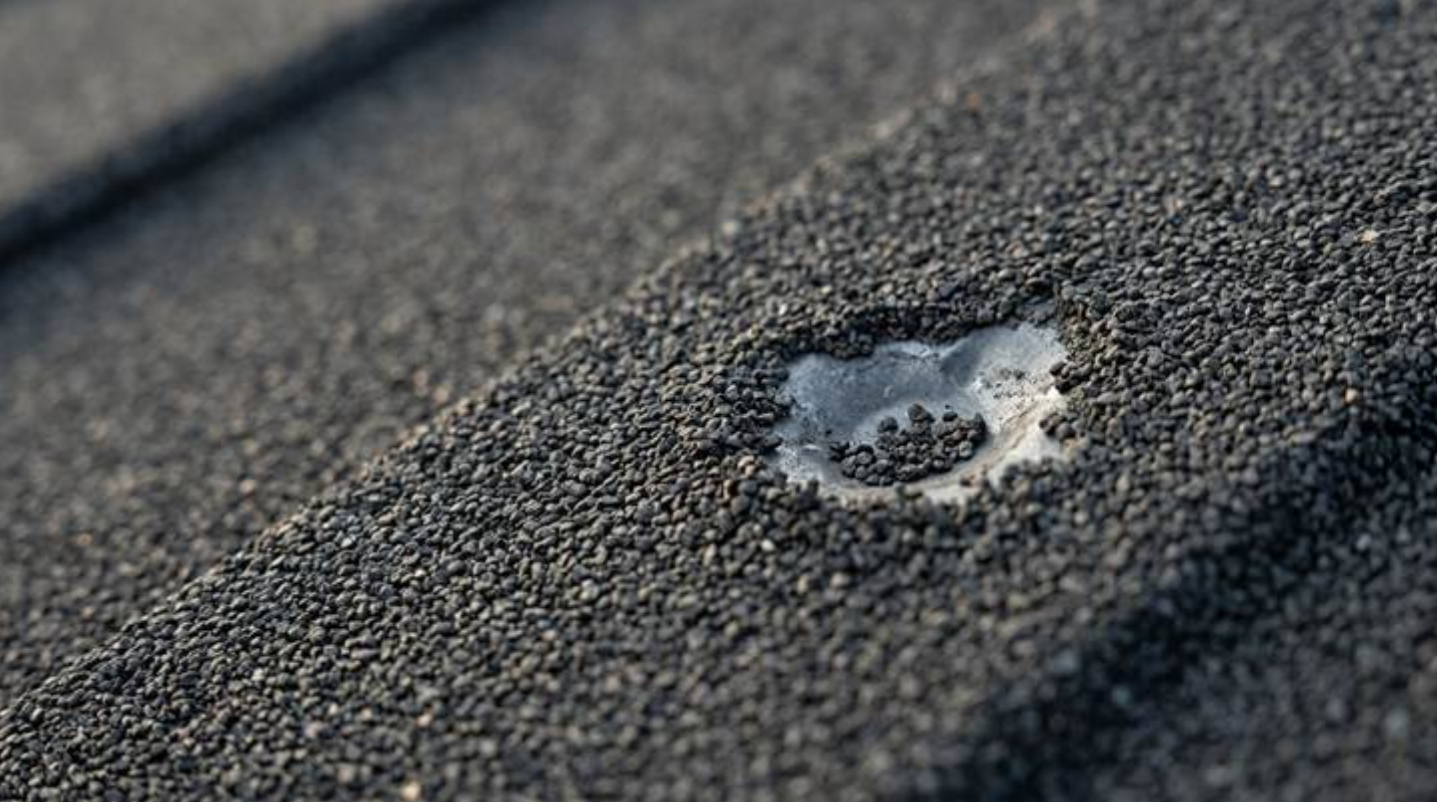
After a hailstorm, you might check your roof and feel relieved. You see a few small dings on your stone-coated steel panels, but no big holes or torn shingles. It’s easy to think this is just a small cosmetic problem. But the real problem isn’t the dent you see. It’s the rough texture you can no longer feel. The “stone” is a thick layer of tiny rock granules. They are glued to the metal to protect it from weather and the sun’s harmful UV rays.
When hail hits, it can knock these granules off, leaving a small, bare patch on the roof panel where it can start to fail early. The steel has a protective coating, but this small bare spot is now at risk. Over time, rain and sun will wear down the coatings, and rust can start to form. This is why a simple patch job often doesn’t work. You need to find a stone coated repair company, because they have the right tools and materials to glue on a new layer of matching granules, not just cover up a dent.
Quick answer: Damage to these roofs might look small, but it can cause big problems like rust and leaks. The key is to fix the missing granules, not just the dents. A good repair puts that protective layer back. This stops rust and keeps the roof strong.
What’s inside
- What Happens When Granule Loss Is Ignored?
- How Do You Evaluate a Stone-Coated Steel Repair Quote?
- Can Any Roofer Handle This Kind of Repair?
- Frequently Asked Questions
- The Real Risk Isn’t the Damage, It’s the Wrong Repair
What Happens When Granule Loss Is Ignored?
Ignoring missing granules makes your roof get old faster. A small repair can turn into a full replacement because rust can damage the steel underneath.
The stone coating is not just for looks; it’s the roof’s main line of defense. This layer of granules blocks the sun’s UV rays, which can break down the paint and other protective layers. It also protects the roof from scrapes and wear. When hail knocks the granules off, it creates a weak spot. At first, the primer and metal coating underneath still protect the steel. But being exposed to sun and rain, especially when water freezes and thaws, will break down these backup layers much faster.
This isn’t just a theory. It will cost you real money, and the longer you wait, the more expensive it gets as the damage spreads. One small spot of missing granules might not be an emergency, but if you see many spots all over the roof, it’s a bigger problem.
❝ Ask an inspector to check for “bruising” on the underside of the panels if attic access is possible. Sometimes, a hard hit that knocks off granules on top also makes a small dent on the inside. This can mean the metal was stretched, which makes that spot more likely to fail in the future.
Once rust starts, it can get under the edges of the nearby granules. This lifts them up and makes the damaged spot bigger. This process creates a cycle where the damage gets worse and worse, faster and faster. A bare spot the size of a quarter can turn into a rusty patch the size of your fist in just a few seasons. At that point, you can’t just recoat it with new granules. The whole panel often needs to be replaced, which is much harder and more expensive.
How Do You Evaluate a Stone-Coated Steel Repair Quote?
Look past the price on the quote. Focus on the materials and methods the contractor plans to use.
A good repair is a process with several steps. It rebuilds the roof’s protective layers. The most important detail is matching the materials. Ask the contractor for the exact brand of the repair kit they will use. Roof makers use special granule colors, sizes, and textures. Using the wrong kit will create a patch that looks different. It also might not stick to the roof correctly. A good pro can find out who made your roof and get the exact materials for a perfect match.
Next, look closely at their work plan. A good quote should list these clear steps:
1. Surface Preparation: The damaged spot must be cleaned of all dirt, dust, and loose granules.
2. Primer Application: A special primer is put on the bare metal. This helps the new coating stick and stops rust.
3. Base Coat and Granule Application: A thick, colored glue is spread on, followed by a thick layer of the right granules.
4. Clear Overglaze: A final clear coat is added. This locks the granules in and protects them from sun and rain.
A quote that just says “patching the roof” is a big red flag. This often means the contractor will take a shortcut. They might use a generic sealant and sprinkle on the wrong granules. This kind of fix is sure to fail.
❝ Ask specifically how the repair will affect your roof’s warranty. Will they give you a warranty for their repair work? Does using another company’s repair kit cancel the original warranty on the rest of your roof? Their answers tell you a lot about how good and honest they are.
Finally, ask for everything in writing. The contractor should give you a written plan that lists the steps above. This is the best way to make sure you get a strong, lasting repair. Roof makers and industry groups stress that a good repair needs careful prep work and the right materials to keep the whole roof system strong. Don’t accept vague estimates or verbal promises. Your roof is too important.
Can Any Roofer Handle This Kind of Repair?
No. Many roofers are good with asphalt shingles or other metal roofs. But fixing a stone-coated steel roof is a special skill. It’s more like fixing a car’s body than regular roofing. It’s a science problem. Using the wrong materials or methods will create a bad patch that makes the problem worse. The goal isn’t just to stop a leak. It’s to rebuild the factory finish on a small spot.
The most common mistake is using generic sealants. A roofer might just smear on some sealant, add some granules, and say it’s done. This repair will almost always fail because of how it reacts to temperature changes. Steel roofs expand in the heat and shrink in the cold. The special glue used at the factory is flexible, so it moves with the metal. But a generic sealant doesn’t expand and shrink at the same rate. As the roof heats up and cools down, the metal and the stiff patch pull apart. This will break the seal, and the patch will crack or peel off.
Another reason repairs fail is bad prep work. Just cleaning the spot isn’t enough. The bare metal needs a special primer. This primer is made to create a chemical bond with the metal’s protective coating. Without this step, the new coating has nothing to hold on to. This leads to a patch that can peel off after a few seasons of weather. The final clear overglaze matters too. It is not just a sealant. It has UV protection that keeps the colored granules and the base coat from breaking down in the sun and turning brittle.
❝ When you talk to a contractor, ask them to name the coating system in their repair kit and the temperature and humidity range it needs to be applied in. A true specialist will know this right away. If they can’t answer, they are probably using a generic product.
A bad repair can also damage the area around it. Strong solvents in some sealants that aren’t approved for these roofs can soften the factory finish next to the patch. This creates a weak ring that can start to peel over time, making the damaged area bigger. A proper repair needs someone who understands the coating system, not just how to fasten panels.
Frequently Asked Questions
How long does a stone-coated steel roof last?
A well-installed stone-coated steel roof can last for decades, but only if its protective surface stays intact. Damage that leaves the steel exposed can shorten that life a lot, especially in places with heavy moisture or freeze-thaw cycles. That is why fixing damage early is so important.
How does the cost of stone-coated steel compare to asphalt shingles?
Stone-coated steel costs more to install than a standard asphalt shingle roof. In return, it lasts much longer, stands up better to fire and wind, and may qualify for insurance discounts. For repairs, the cost depends less on the size of the damaged spot and more on the special labor and matching materials needed to fix it correctly.
Can you just paint over an area with granule loss?
No. Regular outdoor paint will not stick well to the remaining granules or the bare metal, and it is too thin to protect the panel from sun and moisture. A lasting repair rebuilds the original layers: primer, base coat, new granules, and a clear overglaze.
How long does a spot repair take to cure?
Most repair materials are dry to the touch within a few hours, but they need longer to fully cure and bond. Depending on the product, temperature, and humidity, that can take from a day to several days. Try not to walk on or disturb the repaired spots during this time.
The Real Risk Isn’t the Damage, It’s the Wrong Repair
A few spots of missing granules from hail or a fallen branch are rarely the most expensive problem with a stone-coated steel roof. The real money risk comes from a well-meant but wrong repair that makes the roof fail faster. Treating this material like a regular shingle, with generic sealant and mismatched granules, creates a new weak spot that breaks down as the metal heats and cools.
Your main job is not just to find someone to patch a spot. It is to find someone who can rebuild the factory finish on your roof. A proper repair puts the protective layers back in the right order with the right materials, so the panel can keep moving with the weather and blocking the sun for years.
A stone-coated steel roof is a long-term investment. Judge any repair by one question: does it keep the whole roof system strong? A good repair is one you can’t see and never have to think about again.
About the author
Restoration Contractors is a licensed and insured general contracting firm based in Arvada, serving the greater Denver area and the Colorado Front Range. Since 2018, the company has focused on property restoration following storm, fire, and water damage. Their teams handle projects ranging from roof repairs and full replacements to interior reconstruction and remodeling, working with homeowners from the first damage assessment through the final stages of construction.

Team Home Spacess shares simple, practical design ideas that work for real families. The team focuses on cozy décor, soft colors, and natural textures that make a space feel truly lived-in. From everyday decorating tips to creative home projects, Team Home Spacess is dedicated to helping readers create warm, comfortable, and inviting spaces with a fresh and personal touch.