

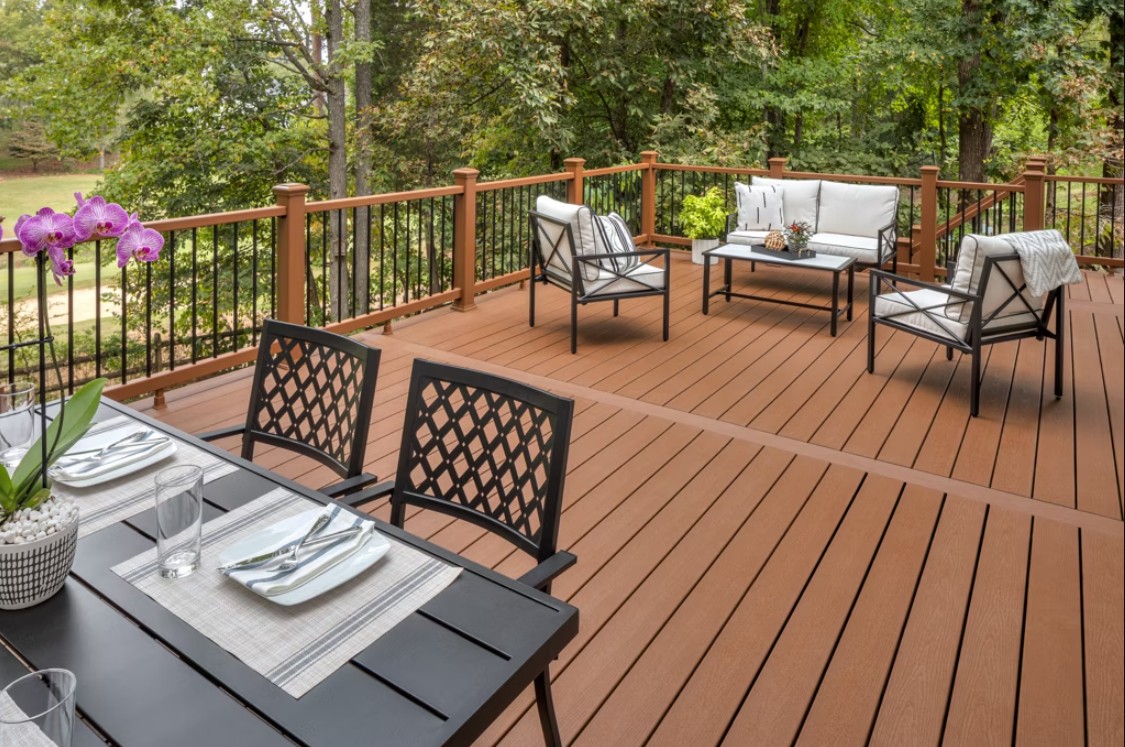
The Outdoor Living Shift
There has been a quiet but meaningful shift in how homeowners think about their properties over the past decade. The garden, the patio, the terrace — spaces once treated as afterthoughts — have moved to the centre of home design conversations. People want their outdoor areas to feel like genuine extensions of their interiors: comfortable, considered, and built to last. At the heart of that transformation is the deck. Whether you are working with a modest urban garden or a sprawling country plot, a well-designed deck can completely redefine how a space feels and functions. Yet for all the excitement around outdoor living, many homeowners still stumble at the first and most consequential decision: which material to choose.
Why Material Choice Matters More Than You Think
A deck is not a purchase you want to revisit in five years. Unlike furniture or soft furnishings that can be swapped out with relative ease, the structural surface beneath your feet is a long-term commitment. It endures rain, frost, UV exposure, foot traffic, and the occasional spilled glass of wine. The material you choose will determine not only how the deck looks on day one, but how it weathers over a decade, what kind of maintenance schedule you will be locked into, and ultimately whether the investment holds its value.
Traditional timber has long been the default choice, and its natural warmth is genuinely hard to replicate. There is something undeniably appealing about real wood grain underfoot. But timber comes with a demanding maintenance routine — oiling, sanding, treating, and the constant vigilance against rot, splinters, and warping. For many homeowners, that ongoing effort is simply incompatible with their lives. This is where the materials conversation becomes more interesting.
The Case for Low-Maintenance Solutions
It is worth being honest about what low-maintenance actually means in the context of outdoor materials. No surface is entirely maintenance-free — but some require dramatically less intervention than others. The question to ask yourself is how much time you are realistically prepared to spend on upkeep each year. If the answer is very little, then your material shortlist should reflect that from the start. Opting for a beautiful hardwood and then neglecting it through busy seasons does not just look poor — it accelerates deterioration and can compromise the structural integrity of the deck itself.
Understanding Composite as a Modern Alternative
Over the past fifteen years, composite materials have moved from a niche product to a mainstream choice, and for good reason. Composite boards are typically engineered from a blend of recycled wood fibres and polymer, creating a product that mimics the look of natural timber while resisting the vulnerabilities that make timber so demanding. They do not rot, they resist moisture absorption, they are largely impervious to insect damage, and they do not splinter underfoot — a meaningful advantage for households with children or bare-footed summer entertaining.
The early generations of composite boards were, frankly, unconvincing. The aesthetic was plasticky, the colour range limited, and the texture bore little resemblance to real wood. That criticism is far less relevant today. Premium composite decking has undergone significant development, with embossed grain textures, multi-tonal colour blending, and board profiles that genuinely compete with the visual appeal of natural timber. If your last encounter with composite was a decade ago, it is worth a fresh look.
Performance in Real Conditions
One of the most common questions about composite boards concerns how they perform in cold, damp climates. The short answer is: considerably better than timber. Quality composite materials are engineered to handle freeze-thaw cycles without cracking or warping, and their resistance to moisture uptake means they do not swell in wet conditions the way natural wood can. Anti-slip surface textures also make them a safer option for wet weather, which is a practical consideration in climates where rain is a fact of life for much of the year. Annual maintenance typically amounts to little more than a clean with soapy water — a stark contrast to the seasonal oiling and sanding cycle that softwood and even hardwood decks demand.
Planning Your Deck: Key Considerations Before You Buy
Before committing to any material, it pays to think carefully about the specific conditions your deck will face. A south-facing garden that catches afternoon sun for most of the year presents different challenges than a shaded north-facing plot. Sun exposure affects colour fade — even premium materials will shift slightly over time, though most quality boards are treated with UV inhibitors to minimise this. If your space is heavily shaded and tends to retain moisture, you will want to prioritise boards with strong anti-algae properties. Board width and profile also matter more than many buyers anticipate. Wider boards tend to suit contemporary architecture, while narrower profiles can feel more traditional and work well in period properties.
Colour selection is deceptively important. Lighter tones reflect heat and can feel cooler underfoot on hot summer days, while darker tones absorb warmth and can become uncomfortable in direct sunlight. The relationship between board colour and the surrounding materials — brick, render, stone, planting — is also worth thinking through before ordering samples. Many homeowners make the mistake of choosing a board in isolation rather than as part of a wider palette. Bringing home samples and viewing them in situ at different times of day will always give a truer sense of the finished result than any photograph.
Installation and Subframe
Even the finest surface board will underperform if the subframe beneath it is poorly constructed. The structural framework — typically timber joists or aluminium — needs to be correctly sized, spaced, and treated before any boards are laid. Composite boards require specific joist spacing to prevent flex underfoot, and the manufacturer’s guidelines should always be followed rather than adapted to match whatever timber happens to be available. A reputable installer will be familiar with these requirements; if yours is not, that is a warning sign worth heeding.
About Neotimber
Neotimber is a UK-based specialist in premium outdoor surface materials, with a strong focus on composite and timber alternatives for residential and commercial applications. The brand has built a reputation for combining genuine material quality with straightforward, transparent advice — an approach that resonates with homeowners who want to make a well-informed decision rather than be steered toward a particular price point. Their product range covers a variety of board profiles, colours, and finishes designed to suit different architectural styles and garden environments. For homeowners researching options, their detailed guidance on decking materials and installation is a practical starting point that goes beyond the basics.
Making a Decision You Will Not Regret
The most enduring outdoor spaces are the ones built with honest expectations. Understand what you are willing to maintain. Be clear about the aesthetic you are after. Consider the practical realities of your climate and how the space will actually be used — formal entertaining, children playing, early morning coffee, late evening dinners. When material choice aligns with those realities rather than simply following a trend or a budget shortcut, the result tends to be a deck that earns its place in your home for years rather than seasons. Take the time to choose well, and the outdoor space you have always intended to create will follow.

Team Home Spacess shares simple, practical design ideas that work for real families. The team focuses on cozy décor, soft colors, and natural textures that make a space feel truly lived-in. From everyday decorating tips to creative home projects, Team Home Spacess is dedicated to helping readers create warm, comfortable, and inviting spaces with a fresh and personal touch.