

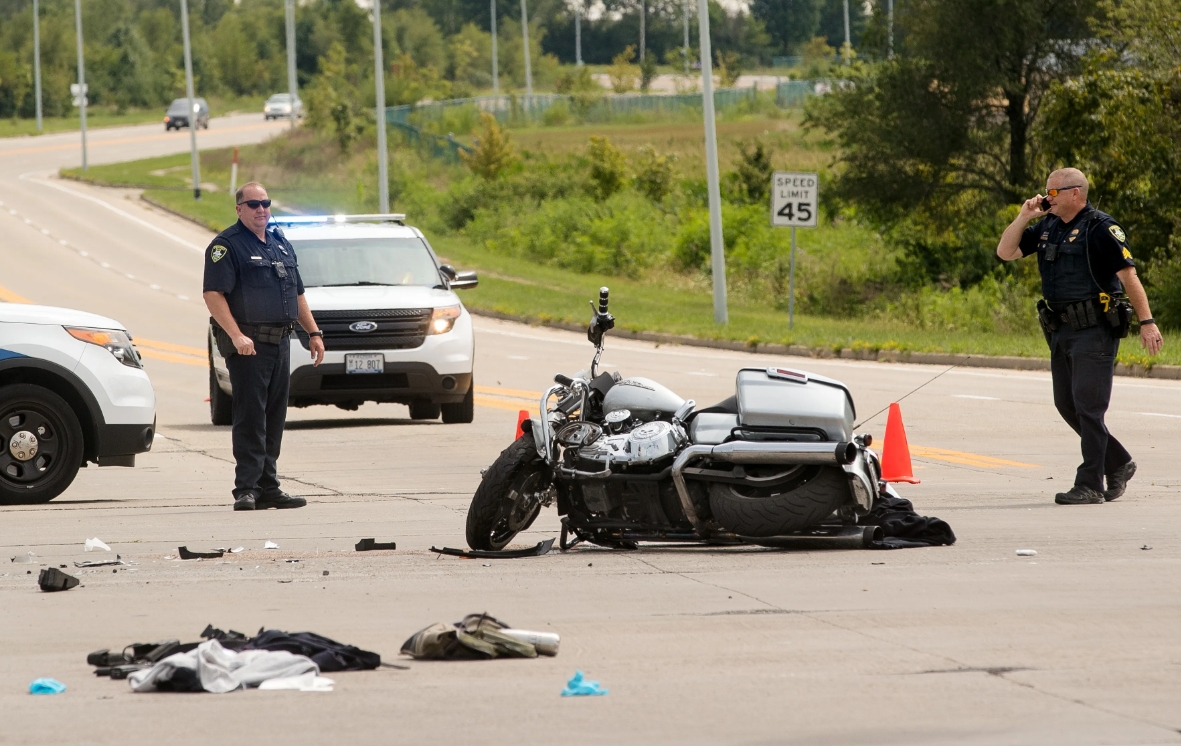
Your first season on a motorcycle is full of new skills. You are learning clutch control, how to lean through a curve, and how to stay visible in traffic. What most new riders never practice is what to do if a crash actually happens, and that gap can cost you. The choices you make in the first hours and days after a wreck can shape both your physical recovery and your ability to get paid for your losses.
If you ride in central Illinois and another driver caused your crash, talking with a motorcycle accident lawyer in Springfield can help you understand your rights before you sign anything or give a recorded statement. This guide walks through what new riders should know, from the scene of the crash to the insurance calls that usually follow.
Why a Crash Hits New Riders Differently
Experienced riders who go down have usually thought about it before. They know what their insurance policy covers, they carry their documents, and they have heard stories from friends who went through a claim. A newer rider often has none of that background, so the confusion after a crash can lead to quick decisions that are hard to undo later.
New riders also tend to blame themselves. It is natural to replay the moment and wonder whether a more skilled rider would have avoided it. But many motorcycle crashes are caused by drivers who turn left in front of a bike, change lanes without checking a blind spot, or follow too closely. Being new does not mean the crash was your fault, and you should not say that it was before the facts are clear.
Riding in Springfield, Illinois
Springfield is the state capital and the center of Sangamon County, and it offers the kind of riding that new motorcyclists enjoy. Riders cruise the historic Route 66 corridor, head out to the roads around Lake Springfield, and use busy routes like Veterans Parkway, Dirksen Parkway, and the Interstate 55 and Interstate 72 corridors to get across town. That variety is great for building skills, but it also puts beginners next to fast traffic, crowded intersections, and drivers who are not looking for motorcycles.
Central Illinois weather adds another layer. Spring and fall bring cool mornings, wet roads, and leaves or gravel near intersections. Illinois also does not require adult riders to wear a helmet, so many new riders in Springfield make that choice on their own. Wearing a DOT-approved helmet and full riding gear is still one of the best ways to limit injuries if something goes wrong.
What to Do at the Scene of the Crash
The first priority is safety. If you can move, get yourself away from traffic and call 911, even if the crash seems minor. Adrenaline can hide pain, and a police report creates an official record of what happened. Once you are safe, these steps can help protect you:
- Call 911 and ask for police to come to the scene so a crash report is filed.
- Accept medical help at the scene or get checked at an emergency room the same day.
- Take photos of your bike, the other vehicle, skid marks, road conditions, and nearby traffic signs.
- Get the other driver’s name, phone number, license plate, and insurance details.
- Ask witnesses for their names and phone numbers before they leave the area.
- Keep your damaged helmet and gear, since they can show how hard the impact was.
- Avoid apologizing or guessing about who was at fault while you are still shaken up.
If you are too hurt to do these things, that is okay. Ask a friend or family member to go back to the scene later to take photos, and put your energy into getting care.
Get Medical Care and Keep Good Records
Some motorcycle injuries do not show up right away. Concussions, internal injuries, and back or neck damage can feel mild at first and get worse over the next few days. Seeing a doctor quickly protects your health and creates a clear link between the crash and your injuries.
Keep a folder or phone album for everything related to the crash. Save medical bills, prescription receipts, repair estimates, and notes about missed work. A short daily journal about your pain, sleep, and the activities you can no longer do can also help show how the crash changed your life. These records matter because insurance companies rely on paperwork, not memories.
Be Careful When the Insurance Company Calls
Soon after a crash, an adjuster from the other driver’s insurance company may call you. They may sound friendly and ask for a recorded statement. Keep in mind that their job is to limit what the company pays. A new rider who says something like “I am still getting used to the bike” may later hear that comment used to argue that inexperience caused the crash.
You do not have to give a recorded statement to the other driver’s insurer right away. It is also smart to avoid accepting a quick settlement before you know the full cost of your injuries. A first offer often arrives before you finish treatment, and once you accept it, you usually cannot ask for more later.
How Fault and Deadlines Work in Illinois
Illinois uses a modified comparative fault rule. If you are found partly at fault, your compensation can be reduced by your share of the blame. If you are found more than 50 percent at fault, you cannot recover damages from the other party. This is why evidence and careful statements matter so much, especially when an insurer tries to put the blame on a newer rider.
Time limits also apply. In Illinois, most personal injury lawsuits must be filed within two years of the crash, and claims involving some government bodies can have shorter deadlines. Waiting too long can close the door on a valid claim, so it helps to get advice early, even if you are still deciding what to do.
Getting Back on the Bike After You Heal
Many new riders wonder whether they should keep riding after a crash. That is a personal choice, and there is no single right answer. If you decide to ride again, take it slow by starting in an empty parking lot and rebuilding your confidence one short ride at a time. Illinois has long offered free motorcycle training to residents through its state-funded Cycle Rider Safety Training Program, and a refresher course is a smart step for anyone coming back from an injury.
It also helps to study the most common crash risks so you can watch for them on future rides. The National Highway Traffic Safety Administration’s motorcycle safety resources explain how riders can stay visible, choose protective gear, and ride defensively. Pairing that information with real practice can make you a safer rider than you were before.
Moving Forward After Your First Crash
A crash early in your riding life can shake your confidence and your finances. A few simple steps can protect you while you heal: calling police, getting medical care, saving records, and being careful with insurance companies.
If another driver caused your crash in Springfield, getting clear answers about your options can make your next steps much easier to plan. Focus on your recovery first, keep good records, and make big decisions only after you understand where you stand.

Team Home Spacess shares simple, practical design ideas that work for real families. The team focuses on cozy décor, soft colors, and natural textures that make a space feel truly lived-in. From everyday decorating tips to creative home projects, Team Home Spacess is dedicated to helping readers create warm, comfortable, and inviting spaces with a fresh and personal touch.