

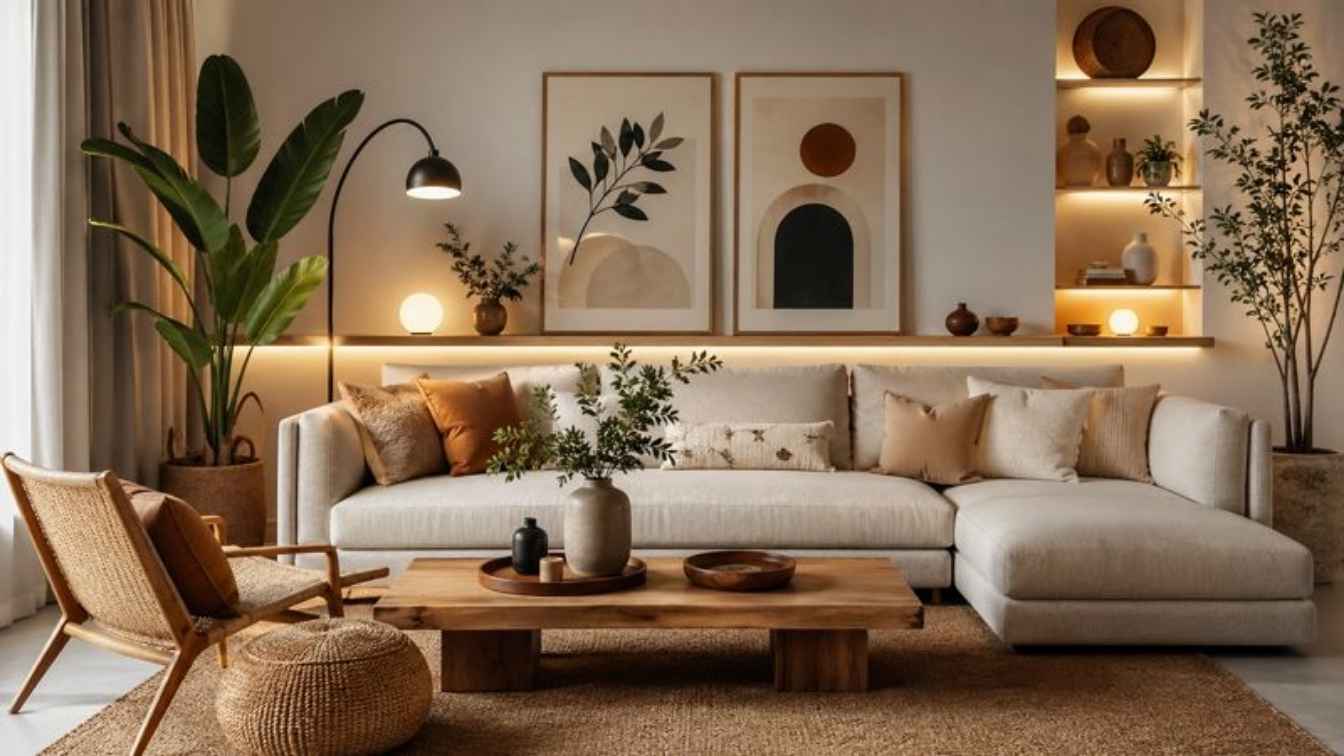
Most people settle. They hang a picture here, buy a rug there, and call it “decorated.” But there is a clear difference between a house that looks furnished and a home that feels alive. The problem is not budget or space it is knowing which home decoration ideas actually work and why they work.
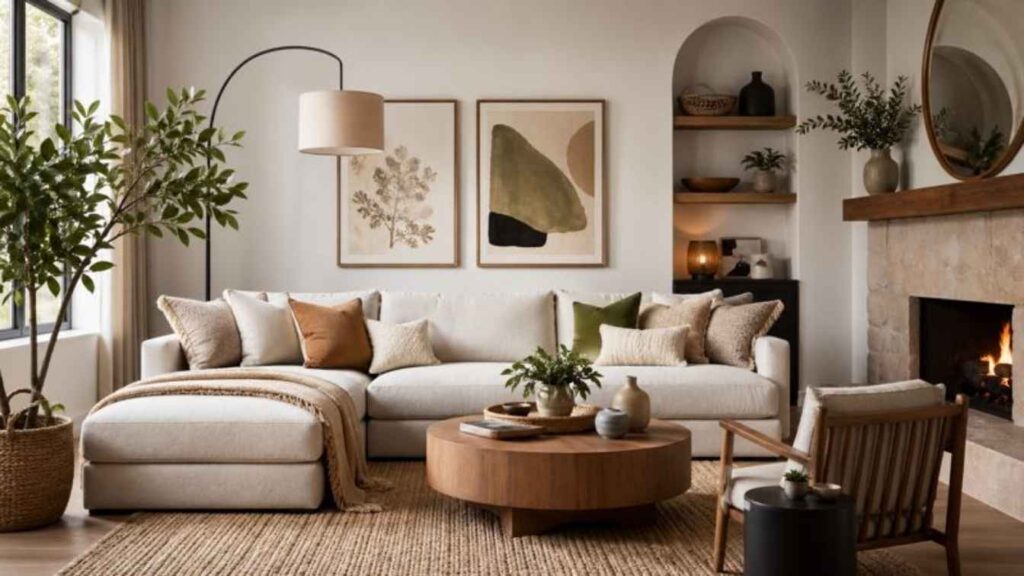
This guide goes beyond the usual surface-level advice. Whether you live in a compact apartment or a spacious villa, these 15 proven interior decoration ideas will help you design spaces that reflect your personality, improve your daily mood, and genuinely impress every guest who walks through your door. Let’s get started.
Use a Neutral Base with Bold Accent Colors
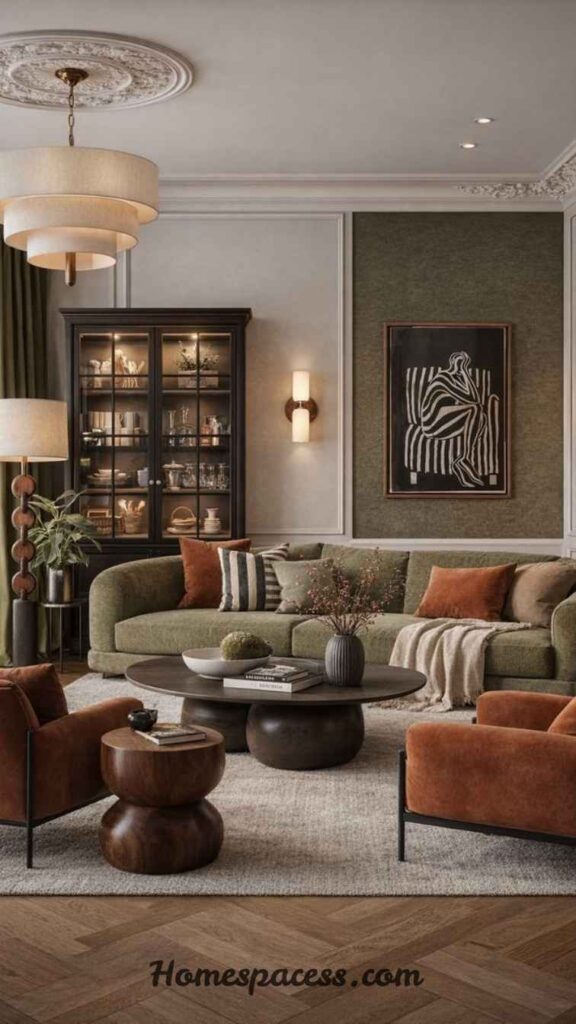
One of the most effective home decoration ideas is to build your room around a neutral palette whites, beiges, warm grays and then introduce 1–2 bold accent colors through cushions, throws, or art pieces. This gives your space visual harmony without looking sterile or bare.
The key insight most decorators miss: accent colors should appear in odd numbers. Place a terracotta vase, a burnt-orange cushion, and a small orange-toned painting together, and the eye reads it as intentional not accidental. This technique, called the “rule of three,” is used by professional interior designers to create visual rhythm across a room.
For example, a living room with white walls, a beige sofa, and three carefully placed navy blue accents feels curated and confident. It is far more impactful than painting every wall a different color and hoping it works.
Must Read: Patio Decor Ideas to Upgrade Your Backyard Without Overspending
Layer Your Lighting for Depth and Mood
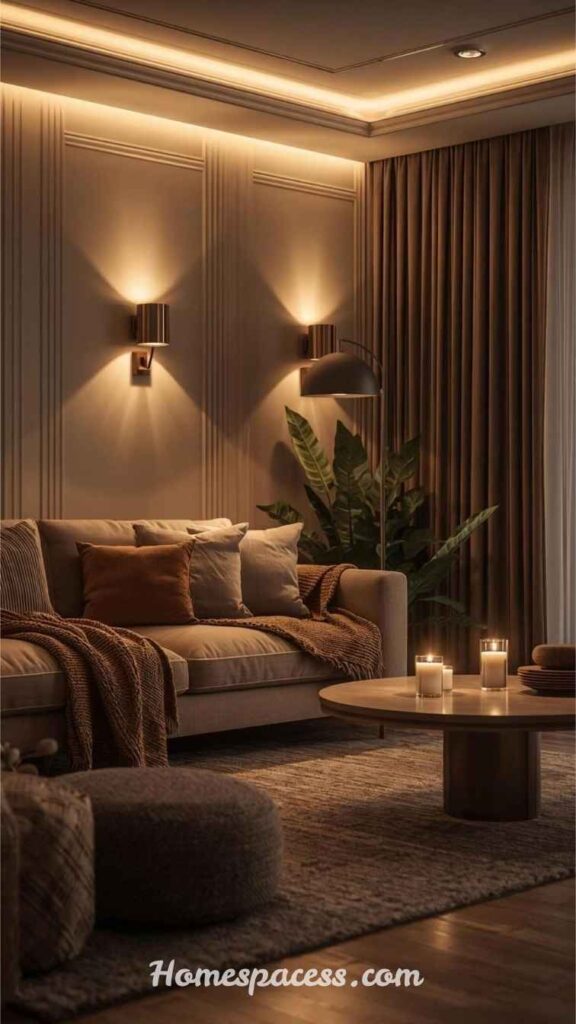
Lighting is the single most underrated element in home interior decoration. Most homes rely entirely on one overhead light, which creates a flat, hospital-like effect. Instead, layer three types of lighting: ambient (general overhead), task (desk or kitchen lights), and accent (floor lamps, sconces, candles).
When you layer lighting, you control the mood of a room at any hour. A warm-toned floor lamp in the corner makes a living room feel cozy at night, while bright task lighting under kitchen cabinets makes cooking more efficient. This is not a luxury modern LED strip lights and smart bulbs make layered lighting accessible at every budget.
A practical tip:
dim switches on your overhead lights cost very little to install and immediately transform how a room feels. Pair them with a warm-white LED (2700K–3000K color temperature) for a natural, flattering glow.
Don’t skip: Kitchen Lighting Ideas to Create a Cozy and Modern Cooking Space
Incorporate Indoor Plants to Add Life and Texture
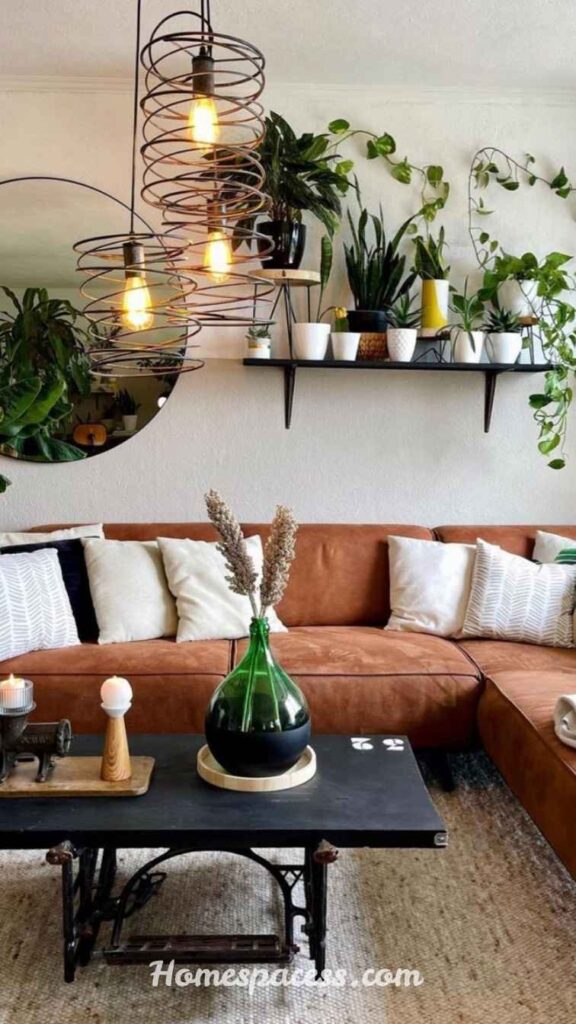
Indoor plants are among the easiest home decoration ideas that deliver outsized results. A single large-leafed plant a monstera, fiddle-leaf fig, or snake plant can anchor an entire corner and bring in the warmth and texture that furniture alone cannot provide.
Beyond aesthetics, research consistently shows that indoor plants reduce stress, improve air quality, and increase feelings of well-being. This makes them not just decorative but genuinely functional additions to your home. For low-maintenance options, pothos, ZZ plants, and succulents thrive with minimal care.
A clever grouping strategy: place plants in odd-numbered clusters at different heights using plant stands, shelves, and floor pots. This layered approach mirrors how plants grow in nature and creates a lush, intentional look rather than isolated pots scattered randomly around the room.
Also Read: Gaming Desk Ideas: Stylish and Functional Setups for Every Budget
Create a Gallery Wall That Tells Your Story
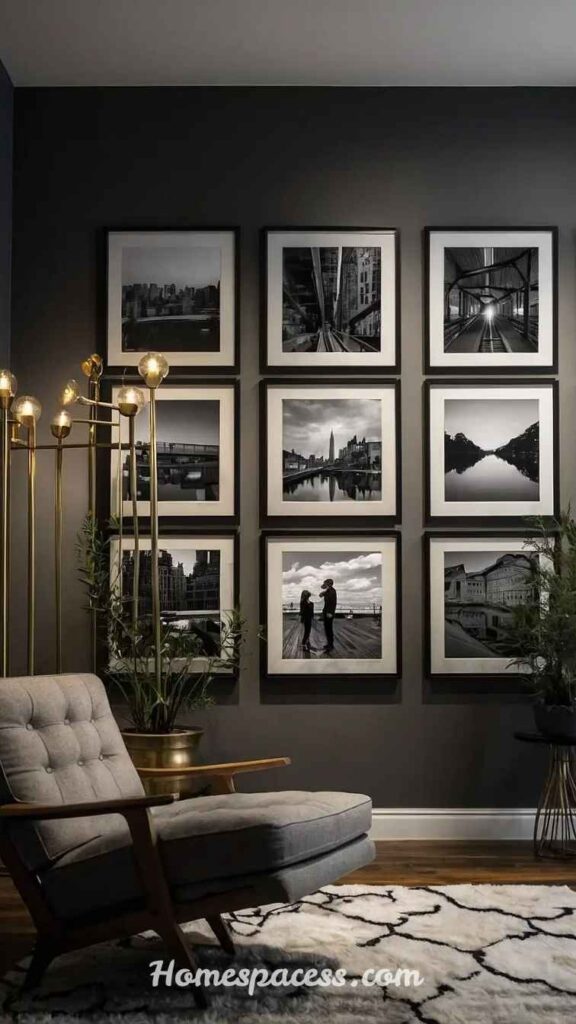
A gallery wall is one of those room decoration ideas that adds personality and sophistication without requiring expensive furniture. The secret is curation choose a consistent theme (black-and-white photography, travel prints, abstract art) and vary the frame sizes while keeping the frame style uniform.
Before hammering any nails, lay your frames on the floor and arrange them until you find a composition you love. A good rule: keep consistent 2–3 inch gaps between frames for a clean, gallery-like feel. The wall behind a sofa, staircase, or dining table is often the best location, as these are natural focal points where the eye is drawn.
What competitors rarely mention: gallery walls do not need to be expensive. Mix printed family photos, affordable art prints from online marketplaces, and even frameless canvas paintings. The result can look just as sophisticated as a gallery featuring thousand-dollar original pieces.
Read More: Living Room Curtain Ideas for a Cozy and Modern Home Look
Use Mirrors Strategically to Expand Space
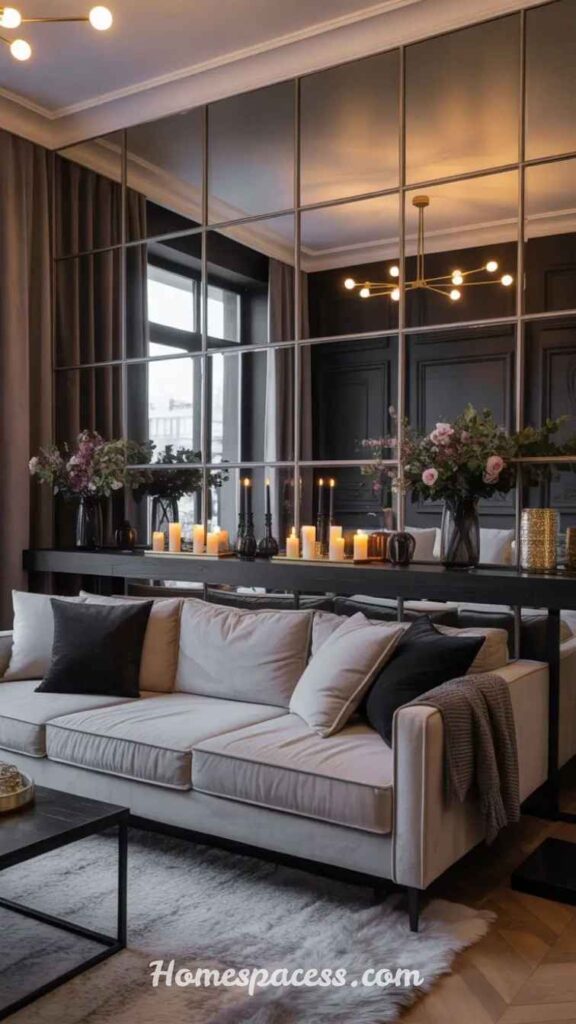
Mirrors are a classic home decoration idea, but most people use them wrong they place a single mirror over a vanity and stop there. In reality, a large mirror positioned opposite a window can double the apparent natural light in a room and make it feel significantly larger.
Decorators call this the “mirror doubling” technique. A floor-length leaning mirror in a small bedroom, or a wide rectangular mirror behind a dining table, creates depth and elegance that is disproportionate to its cost. Even a cluster of small, differently shaped mirrors on a single wall creates a stylish art-like installation.
Choose mirror frames that complement your room’s overall style. An ornate golden frame suits a classic or maximalist interior, while a simple black or frameless mirror works best in modern or Scandinavian spaces. The shape matters too arched mirrors are trending in 2026 and add an architectural quality to any wall.
Invest in Quality Textiles and Soft Furnishings
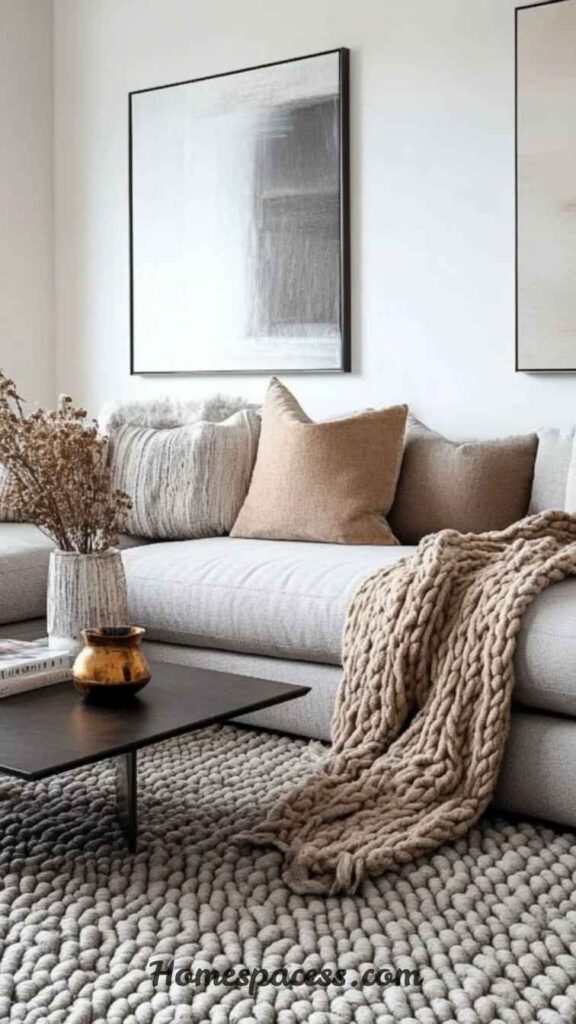
Textiles rugs, curtains, cushions, throws, and bedding are arguably the fastest way to transform a room’s atmosphere. A high-quality area rug under a sofa anchors the seating area and immediately makes a room feel designed rather than assembled.
The rule most people miss: your rug should be large enough that the front legs of all major furniture pieces sit on the rug. A rug that is too small floats awkwardly in the middle of the room and breaks the visual flow. For a standard living room, a 8×10 foot rug is usually the minimum you should consider.
Layer different textures for richness:
a linen sofa with velvet cushions, a jute rug topped with a soft wool throw. This contrast in texture makes a room visually interesting and physically inviting. Curtains hung close to the ceiling (rather than just above the window frame) also make ceilings appear dramatically taller.
Declutter and Use Smart Storage as Decoration
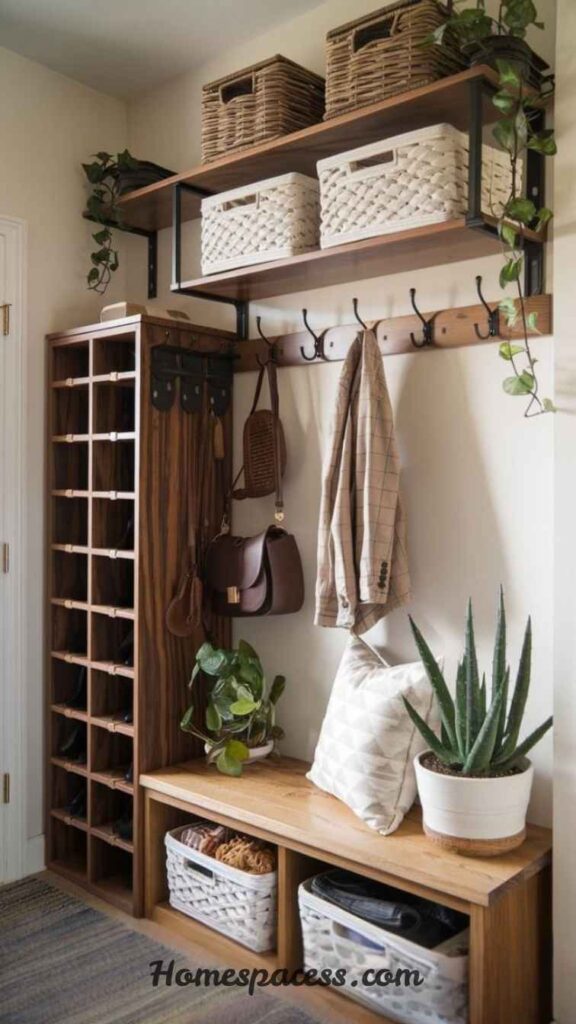
No amount of beautiful home decoration can overcome clutter. Decluttering is arguably the highest-return activity you can do before decorating. A clean, organized space looks larger, calmer, and more intentional even with minimal decor.
But smart storage can itself become a decorative element. Open shelving styled with books, plants, objects, and art rather than packed with random items turns a functional element into a visual feature. The “bookshelf styling” trend, where books are grouped by color or alternated with decorative objects, turns an ordinary shelf into a curated display.
Hidden storage furniture ottomans with storage inside, beds with drawers underneath, coffee tables with lift-tops keeps everyday clutter invisible without sacrificing function. In small homes especially, this dual-purpose approach to furniture is one of the most practical interior decoration ideas available.
Refresh Walls with Wallpaper or Textured Paint
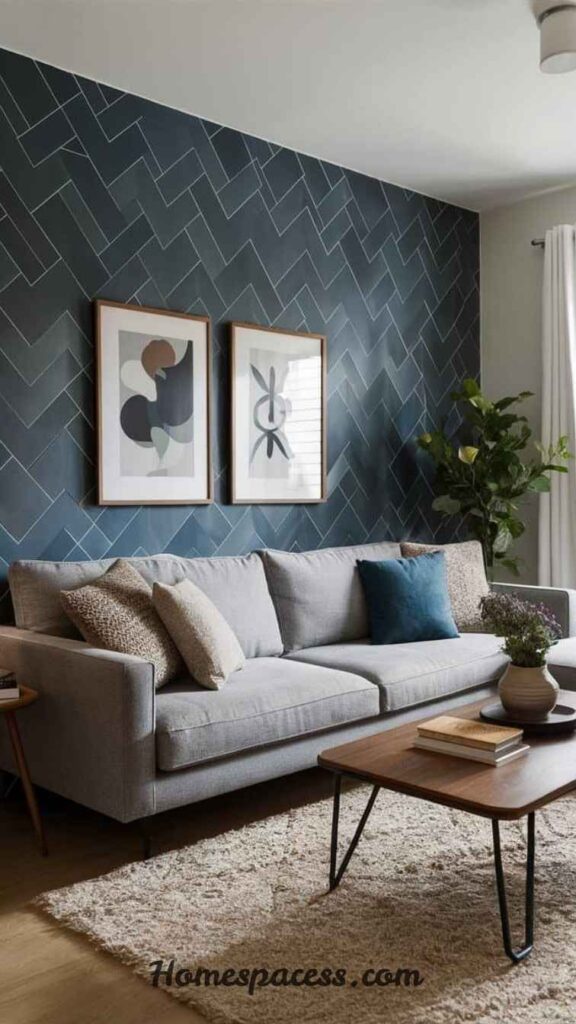
Plain white walls are safe but forgettable. One of the most impactful home decoration ideas is to introduce pattern or texture to at least one wall per room. Wallpaper, once considered dated, has made a dramatic comeback with modern botanical, geometric, and abstract designs.
You do not need to wallpaper an entire room a single accent wall behind a bed or sofa is enough to anchor the room and create a focal point. Peel-and-stick wallpaper options make this even more accessible for renters or those who change their minds frequently. For a more permanent option, limewash paint creates a beautiful, organic texture that looks expensive but is surprisingly affordable.
A pro tip most guides skip: choose wallpaper patterns that scale appropriately to your room size. Small, intricate patterns can overwhelm a small room, while large-scale botanical prints feel dramatic and intentional in the same space. Scale your pattern to your room.
Style Your Coffee Table Like a Designer
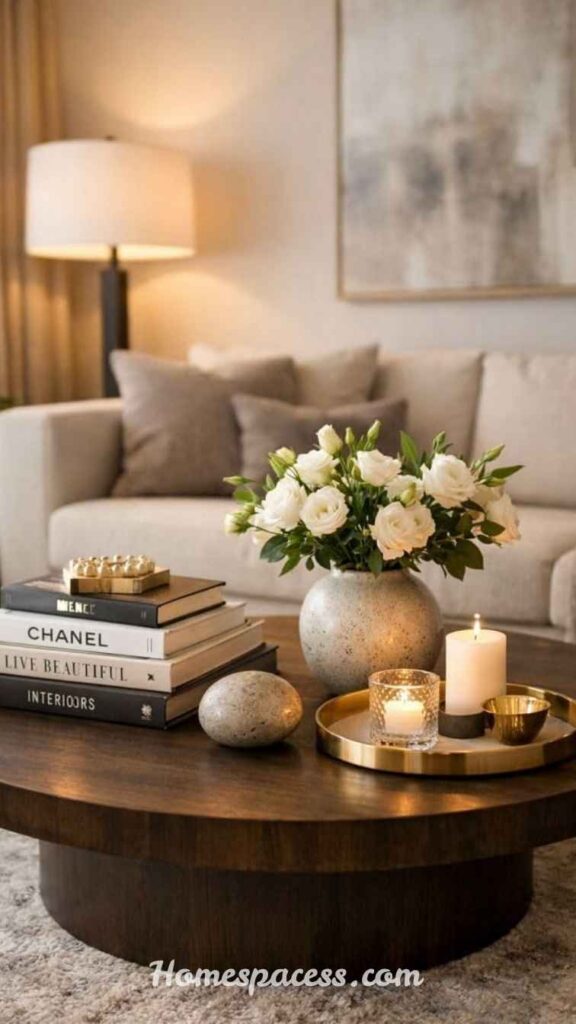
The coffee table is often overlooked as a decoration opportunity, yet it sits at the visual center of most living rooms. A well-styled coffee table uses the “stack, vary, and add life” formula: stack a few interesting books, vary the height with a small sculptural object, and add a living element like a small plant or fresh flowers.
Keep your coffee table styling to three or four items maximum. More than that tips from curated to cluttered. A tray is an excellent tool here grouping several items on a tray creates visual cohesion and makes the styling look intentional rather than random.
The items you choose should reflect your personality. Travel books, a unique sculptural piece from a local artisan, a scented candle, and a small trailing plant all say something about who lives in the home. This personal touch is what separates professionally designed spaces from showrooms that feel cold and impersonal.
Redefine Your Entryway as a First Impression
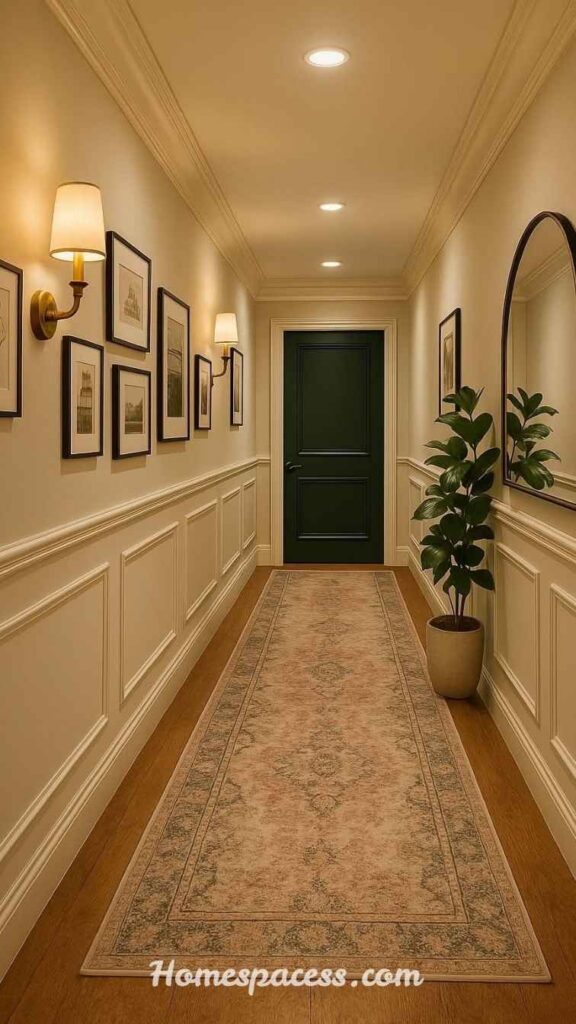
Your entryway sets the emotional tone of your entire home yet it is one of the most neglected areas in home decoration. A well-designed entryway communicates that the rest of the home is equally thoughtful and considered.
Even in a tiny entrance, you can create impact with a console table, a mirror, a small plant, and a piece of art. Add a stylish tray for keys and a wall hook for bags. This small investment immediately makes your home feel more organized and welcoming. For homes without a formal entryway, create the illusion of one with a rug that defines the zone just inside the front door.
Lighting matters especially here a pendant light or wall sconce in the entryway creates a warm, inviting welcome. It signals that you have thought carefully about every part of your home, not just the rooms guests spend the most time in.
Mix Old and New for a Collected, Layered Look
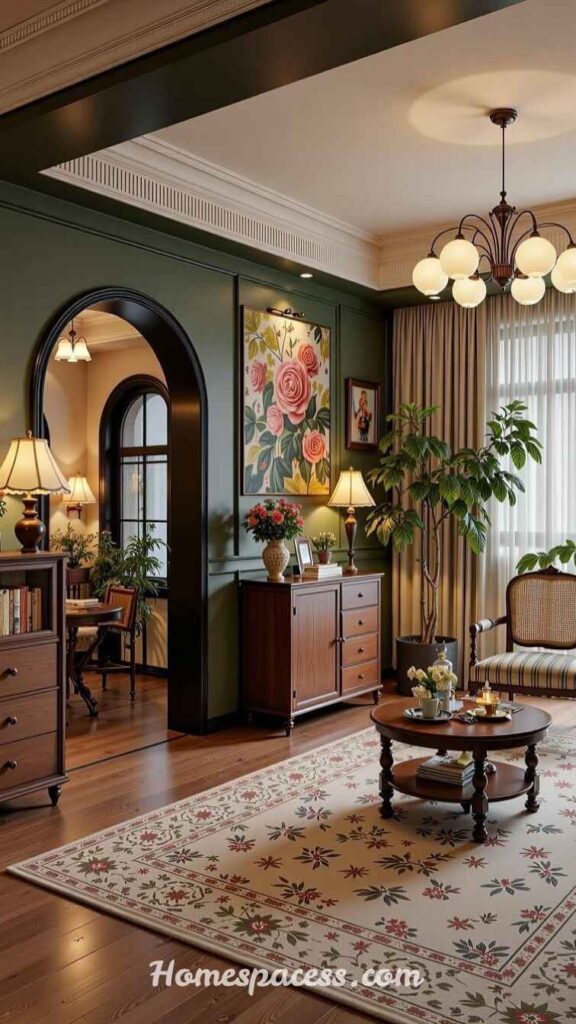
One of the secrets professional interior designers use is mixing furniture and décor from different eras. A mid-century modern chair beside a rustic wooden table, or a contemporary sofa against an antique rug, creates a layered, “collected over time” aesthetic that feels far more authentic than a room where everything was bought at once.
This approach also happens to be budget-friendly. Thrift stores, vintage markets, and online secondhand platforms are excellent sources for unique pieces that add character. A single vintage lamp or an old wooden crate repurposed as a side table can transform a room from generic to genuinely interesting.
The key is balance too much of one era tips into themed rather than layered. A good rule: mix at least two distinct design periods in any room and ensure they share at least one common element, such as color, material, or scale.
Personalize with Meaningful Objects and Collections
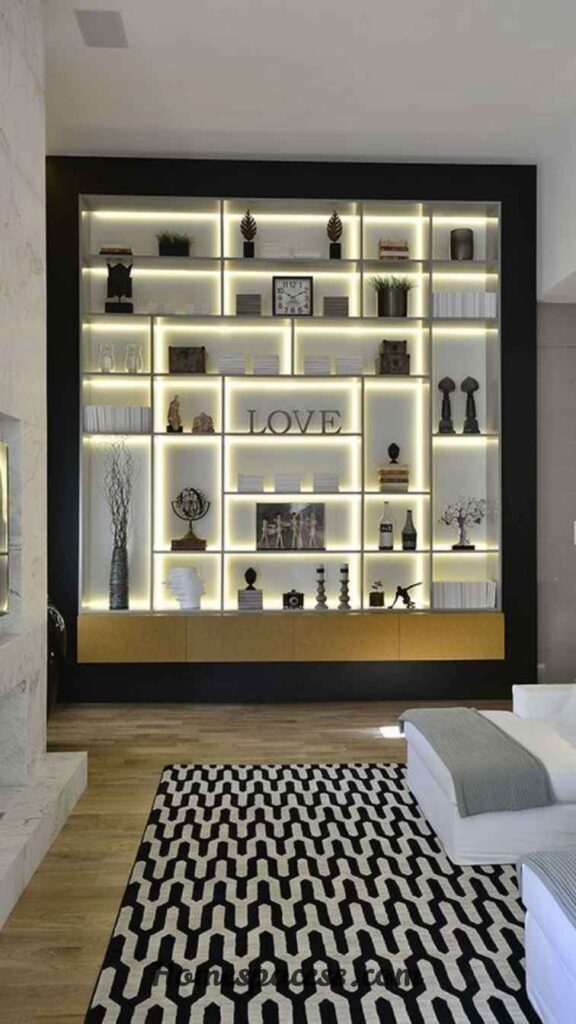
The home decoration idea most often missing from “top 10” lists is this: display what you love. Collections of objects vintage cameras, ceramic vases, travel souvenirs, handmade pottery tell the story of the person who lives in the space and create genuine talking points when guests visit.
The art of displaying a collection is in the editing. Choose your best pieces and group them intentionally. A cluster of similar objects (same material, color, or category) always looks better than the same objects scattered throughout the home. Display them on a floating shelf, inside a glass cabinet, or arranged on a tray.
This approach also future-proofs your decoration. As you collect new meaningful objects over time, your home evolves naturally without requiring a complete redesign. The space grows with you which is what good interior decoration should always do.
Maximize Natural Light with Window Treatments
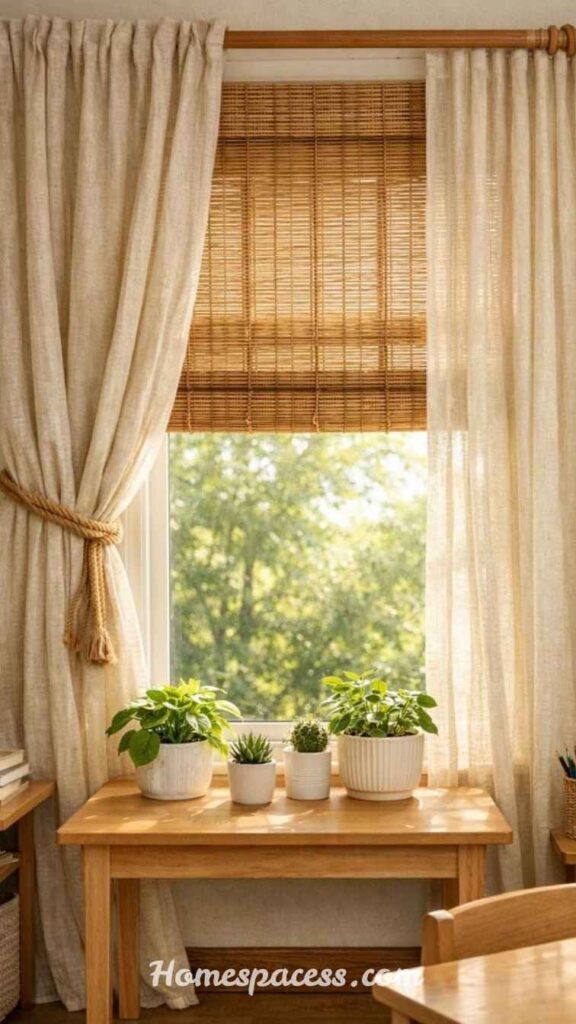
Natural light is the most flattering, energy-efficient, and mood-boosting element in any home. Yet many people inadvertently block it with heavy, poorly chosen window treatments. Choosing the right curtains and blinds is one of the most impactful home decoration ideas you can implement.
Sheer white or linen curtains allow diffused natural light to enter while providing privacy. Hang them as close to the ceiling as possible and let them fall to the floor this creates an elegant, elongated effect that makes rooms feel taller and more spacious. For rooms that need blackout options, use double curtain rods to layer sheers with heavier blackout panels.
In rooms with limited windows, maximize every ray of light by keeping window sills clear, using light-reflective paint colors (warm whites, light creams), and placing mirrors opposite windows. Even a modest window can flood a room with beautiful light when treated correctly.
Define Zones in Open-Plan Spaces
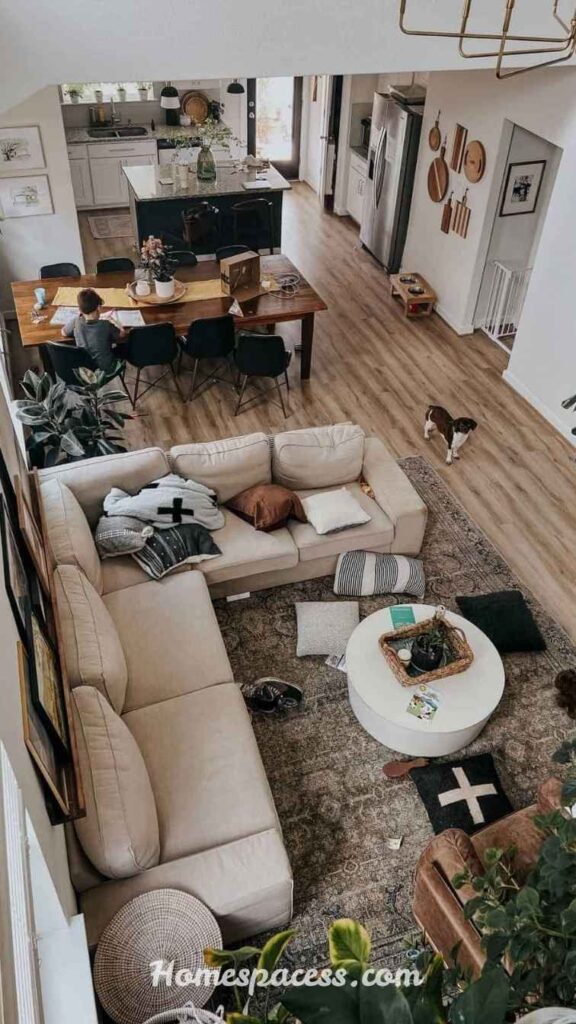
Open-plan living is popular but can feel undefined and difficult to decorate effectively. The solution is to use furniture placement, rugs, and lighting to create distinct “zones” a living zone, dining zone, and workspace zone within the same open space.
Each zone should have its own rug (to anchor it visually), its own lighting source (to give it independent ambiance), and its furniture arranged to face inward (rather than toward the walls). This arrangement creates the psychological experience of being in separate rooms, even though the space is actually open.
Room dividers, bookshelves used as partitions, or even a carefully placed sofa facing away from another seating area can define zones beautifully without physical walls. This is one of the most practically valuable interior decoration ideas for modern homes and apartments.
Refresh Your Space Seasonally with Small Swaps
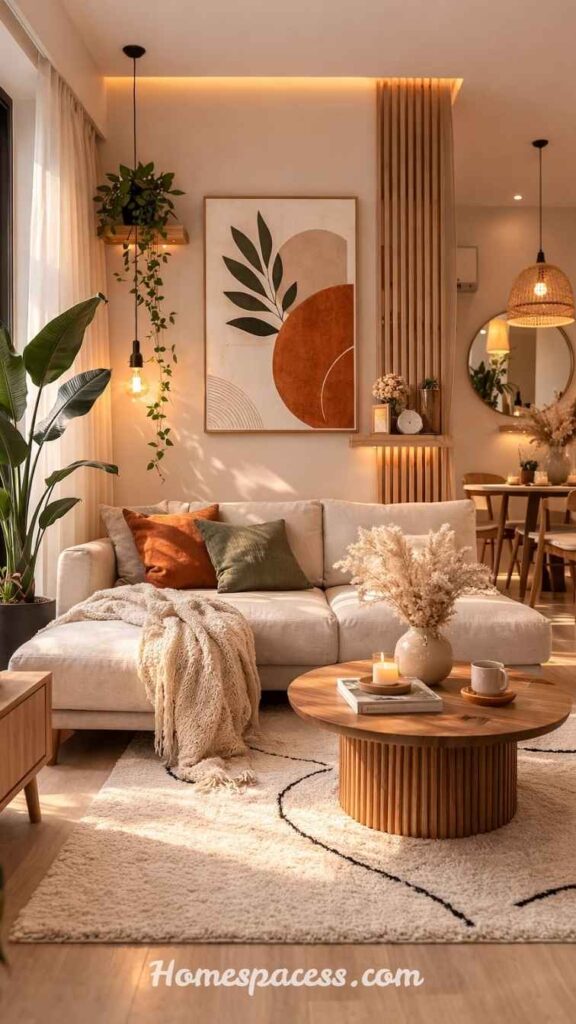
Professional decorators know that a home feels fresh and alive when it evolves with the seasons. You do not need a full redesign small, strategic swaps are enough to completely change a room’s atmosphere every few months.
In spring and summer, swap heavy velvet cushions for linen or cotton covers, bring in fresh botanicals, and use lighter, brighter accent colors. In autumn and winter, layer thick throws, introduce warm amber tones, and add candles for a cozy, hygge-inspired atmosphere. These swaps are inexpensive but dramatically change how a space feels.
This approach also keeps your relationship with your home feeling dynamic rather than static. When a space evolves, you notice and appreciate it more which ultimately makes you happier in the place you spend most of your time.
Conclusion
Great home decoration isn’t about following trends or spending more it’s about understanding the principles that make spaces feel considered, calm, and genuinely yours. From layered lighting to biophilic touches, the 15 home decoration ideas in this guide are built on the same logic that professional designers apply daily.
The rooms that stand the test of time share three qualities: function that fits the people who live there, materials chosen for longevity, and a visual restraint that leaves room for life to happen. Apply even three or four of these ideas and you’ll notice the difference immediately.
Trends Analysis
2026–2027 Home Decoration Trends: What’s Rising and What’s Fading
The home decoration landscape is shifting faster than at any point in the past decade. Here’s what the data, trade shows, and leading designers are signalling for the next two years.
| Trend | Status 2026 | Trajectory 2027 | Why It Matters |
| Biophilic Interiors | Dominant | Evolving to “rewilding” | Post-pandemic need for nature indoors; deepens into moss walls, indoor water features |
| Japandi (Japanese-Scandinavian) | Maturing | Merging into “Wabi-Nordic” | Perfectly timed for sustainability wave; celebrates imperfection and craftsmanship |
| Quiet Luxury | Peak | Shifting to “Loud Quiet” | Backlash against maximalism; one bold object in a restrained room becoming key formula |
| Warm Earth Tones | Dominant | Expanding to ochre + terracotta | Replacing the grey-white decade; warmer hues proven to reduce cortisol levels |
| Curved Furniture | Rising | Mainstream by 2026 | Softens angular architecture; arch forms and boucle fabric become affordable at mass market |
| Maximalism | Niche | “Curated Maximalism” emerges | Gen Z aesthetic; the shift from IKEA minimalism to personality-led layering |
| Open Plan Living | Declining | Room-within-room replaces it | WFH culture drove demand for acoustic separation; zoning replacing open-concept |
The most important underlying trend isn’t any single aesthetic it’s the shift toward emotionally intelligent interiors. Designers and consumers are increasingly choosing materials, colours, and layouts based on their psychological effects, not just their visual appeal. Research from the British Institute of Interior Design confirms that warm-toned, textured, biophilic rooms correlate with lower reported stress levels and higher life satisfaction scores among occupants.
“The next frontier in home design isn’t aesthetics it’s neuroscience. We’re designing for the nervous system, not the Instagram grid.”
Expert Insights
What Interior Designers Do Differently
Professional interior designers approach decoration with a systematic logic that most homeowners never see. Understanding their methodology gives you a framework that works for any space, style, or budget.
Start with the floor plan, not the furniture: Before buying anything, tape out the furniture footprint on your floor using painter’s tape. Walk around it. Open doors. Check traffic flow. Designers call this the “paper doll” technique it prevents the most expensive mistake in home decoration: buying the wrong-sized sofa.
Professional designers also use a concept called “borrowed architecture” the practice of using paint, wallpaper, curtains, and lighting to create the illusion of architectural features the room doesn’t have. A dark paint stripe painted at dado-rail height mimics actual wood moulding. Floor-to-ceiling curtains suggest high ceilings even in a standard-height room. A rug that defines zones makes one room function as two. These techniques cost a fraction of renovation but produce comparable visual results.
The “squint test”: Squint at your room until the details blur. What remains visible? Those are your dominant forms and colours the real backbone of your design. If what you see looks chaotic even blurred, there’s too much visual competition. Simplify until the blurred version looks calm.
Another underused professional practice is designing from the ceiling down. Most homeowners start with furniture and work their way up. Designers start with the ceiling: what lighting fixture anchors the room? What ceiling colour or treatment creates the right volume? Only then do they work down to walls, floors, and furnishings. This top-down logic ensures that every element supports the lighting plan the single most transformative variable in any room.
Sustainable
Home Decoration: Long-Term Value Over Fast Fashion
The “fast furniture” model cheap pieces replaced every few years is increasingly scrutinised for its environmental and economic costs. A flatpack shelf that costs £40 and lasts three years is more expensive over a decade than a solid hardwood equivalent at £180 that lasts a lifetime. Sustainability in home decoration isn’t just an ethical choice it’s a financially rational one. The shift toward buy-less, buy-better is the most significant long-term change in consumer home decoration behaviour.
Sustainable decoration operates on three principles. First, material longevity: solid wood, stone, ceramic, and brass outlast particleboard, MDF, and chrome-plated zinc often by decades. Second, timeless aesthetics over trend-driven pieces: invest in classic silhouettes for large furniture and express trend through easily replaceable small decoratives. Third, second-hand as first choice: vintage and pre-loved furniture carries embodied craftsmanship, unique character, and zero new manufacturing emissions three advantages no new fast-furniture piece can claim.
The 10-year test: Before buying any furniture piece, ask
Will I still want this in 10 years?
If the answer is uncertain, buy it second-hand. If the answer is yes, invest in quality. This single question filters out most impulse decoration decisions.
Future Innovations
The Future of Home Decoration: Innovations Arriving by 2028
Technology and material science are converging with interior design in ways that will fundamentally change how we decorate our homes within the next three years. These aren’t speculative concepts they’re products and systems already in development or early market stages that will reach mainstream consumers by 2027–2028.
Arriving 2026
AI Room Planning Tools
Smartphone apps that scan your room in 3D and generate styled decoration options in real time already in beta at IKEA and Wayfair.
Arriving 2026–2027
Smart Circadian Lighting
Automated systems that shift colour temperature throughout the day based on time and occupant biology replacing manual dimmer control entirely.
Arriving 2027
Bioreactive Wall Surfaces
Living wall panels with embedded microorganisms that purify air and change colour with humidity early prototypes shown at Milan Design Week 2024.
Arriving 2027–2028
Adaptive Furniture
Modular systems that physically reconfigure for different uses a bookshelf that converts to a room divider or a sofa that expands to a guest bed via app control.
Mainstream by 2028
AR Decoration Preview
Consumer-grade augmented reality glasses that overlay furniture and colour choices onto your live room view before purchase eliminating decorator’s remorse.
Emerging Now
Cradle-to-Cradle Materials
Furniture and textiles designed from the outset to be fully recyclable or compostable driven by EU regulation tightening on textile and furniture waste from 2025.
The broader implication of these innovations: the boundary between architecture and decoration is dissolving. Surfaces will become programmable, furniture will become responsive, and the “fixed” nature of a decorated room will give way to spaces that adapt in real time to their occupants’ needs. Homeowners who understand decoration principles now will be better positioned to adopt and direct these tools purposefully rather than reactively.
Common Mistakes
The 7 Most Common Home Decoration Mistakes (and How to Fix Them)
These are the errors that appear most frequently in real homes and the ones that are most often invisible to the homeowners making them.
- Buying furniture before measuring: The most expensive and avoidable mistake in home decoration. Always measure your room, doorways, and staircases before purchasing. Draw a rough floor plan to scale. Many showrooms have “normal” scale rooms that make furniture appear smaller than it will be in your actual space.
- Treating paint as a final decision:Paint colours look dramatically different under different lighting conditions, at different times of day, and in different proportions on a full wall versus a sample card. Always test large swatches (at least A4 size) on your actual wall, and observe them at morning, noon, and evening before committing.
- Under-sizing every rug:If in doubt about rug size, go larger. An undersized rug looks like a bath mat in the centre of a room. When your furniture can’t sit on it, the rug sits awkwardly in the middle of the floor like an afterthought because it is one.
- Ignoring the ceiling the fifth wall: Most homeowners paint ceilings white and forget about them. A ceiling painted in a slightly deeper tone of your wall colour adds cocooning warmth. A wallpapered ceiling turns a plain room into an event. At minimum, make your ceiling colour an active decision rather than a default.
- Decorating in isolation rather than as a system: Each room should relate to the next through at least one shared element a repeating colour, material, or motif. Homes that feel designed have invisible threads connecting each space. Without this, even beautiful individual rooms can make a home feel incoherent when viewed as a whole.
- Prioritising style over function: A beautiful sofa that’s uncomfortable, or a dining table that seats the wrong number, or a kitchen island that blocks traffic flow these choices punish the people who live in the space every day. Style should always follow function, not compete with it. The best interior design is invisible in use.
- Finishing too fast rooms need time: The best-decorated homes weren’t completed in a weekend. They evolved. Resist the impulse to fill every surface immediately after moving in. Live in the space first. Understand where the light falls, where you spend time, what you actually need. Decoration added intentionally over time will always beat a rushed Saturday shopping spree.

Team Home Spacess shares simple, practical design ideas that work for real families. The team focuses on cozy décor, soft colors, and natural textures that make a space feel truly lived-in. From everyday decorating tips to creative home projects, Team Home Spacess is dedicated to helping readers create warm, comfortable, and inviting spaces with a fresh and personal touch.