

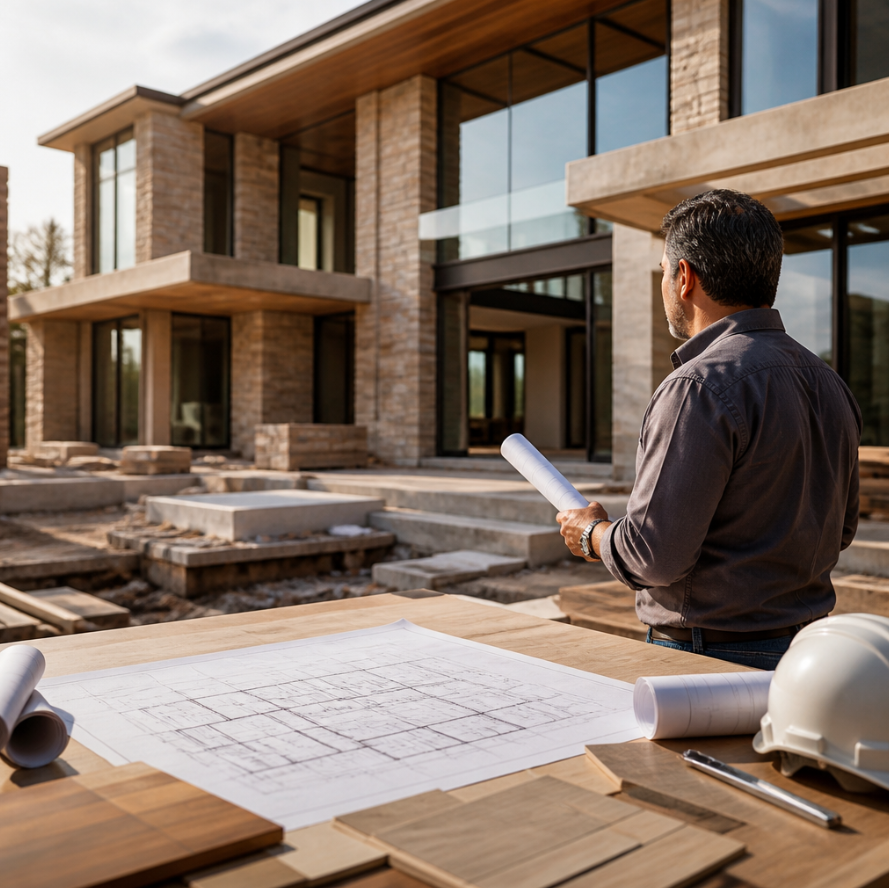
Building a custom luxury home represents one of the most significant investments and personal achievements in a homeowner’s life. Unlike purchasing an existing property, creating a bespoke residence allows for complete control over every detail, from architectural design to material selection. The process demands careful planning, substantial financial commitment, and collaboration with experienced professionals who understand the unique complexities of high-end residential construction.
The decision to pursue a custom build stems from diverse motivations. Some homeowners seek specific architectural styles unavailable in existing markets, while others prioritize energy efficiency, smart home integration, or specialized spaces that reflect their lifestyle. Whatever the driving force, the journey from initial concept to move-in day requires navigating numerous decisions, regulatory requirements, and construction phases. Partnering with experts in luxury home building ensures that vision translates into reality while maintaining quality standards and managing the inevitable challenges that arise during major construction projects.
The Planning Phase: Foundation of Success
Before any ground is broken, successful luxury home construction begins with comprehensive planning. This phase encompasses site selection, architectural design development, and establishing a realistic budget. The location you choose influences everything from foundation requirements to permitting timelines. Properties with challenging topography, environmental considerations, or historic district designations introduce additional complexity that must be addressed during early planning stages.
Architectural design represents where dreams take tangible form. Working with skilled architects who specialize in luxury residential projects ensures that aesthetic aspirations align with structural feasibility and building codes. This collaborative process typically involves multiple design iterations, exploring various layouts, exterior treatments, and interior flow patterns. The goal is creating spaces that not only look exceptional but function seamlessly for how you actually live.
Budget Development and Financial Planning
Establishing a comprehensive budget requires more than simply calculating square footage costs. Luxury home construction involves premium materials, custom millwork, high-end fixtures, and specialized systems that significantly impact final costs. According to industry resources like detailed cost analyses from construction publications, building a custom home can range dramatically based on location, specifications, and finishes. Realistic budgeting accounts for base construction costs, site preparation, landscaping, contingencies for unforeseen issues, and often overlooked expenses like permit fees and temporary housing during construction.
Financial planning extends beyond the construction budget itself. Most custom home projects require construction loans that convert to permanent mortgages upon completion. Understanding draw schedules, interest reserves, and lender requirements prevents financial surprises during the build process. Many homeowners benefit from consulting with financial advisors who specialize in real estate to structure financing optimally.
Navigating Regulatory Requirements
The regulatory landscape for residential construction varies significantly by jurisdiction, but all custom home projects must comply with local building codes, zoning regulations, and permitting processes. These requirements exist to ensure structural safety, environmental protection, and community standards. Understanding what approvals are needed and how long they typically take prevents frustrating delays once you’re ready to begin construction.
Zoning regulations dictate what can be built on specific parcels, including setback requirements, height restrictions, and lot coverage limits. Some communities impose additional architectural review processes, particularly in planned developments or areas with homeowner associations. Before finalizing property purchases or design plans, thorough due diligence on regulatory constraints is essential. For comprehensive guidance on this complex aspect, resources like detailed legal information about home improvement projects provide valuable insights into contractual obligations, permit requirements, and homeowner protections throughout the construction process.
Building Permits and Inspections
Once designs are finalized, obtaining building permits begins the official approval process. This typically requires submitting detailed architectural plans, structural engineering documents, and sometimes energy compliance calculations. The review period varies but can extend several weeks or months depending on jurisdiction workload and project complexity. Building departments conduct multiple inspections throughout construction—foundation, framing, mechanical systems, and final occupancy—each requiring successful completion before proceeding to subsequent phases.
The Construction Process
With permits secured and financing in place, actual construction transforms plans into physical structure. The sequence typically progresses from site preparation and foundation work through framing, mechanical system installation, exterior finishing, and finally interior completion. Each phase presents unique challenges and requires coordination among numerous specialized trades.
Site preparation involves clearing, grading, and establishing utility connections. Foundation work must account for soil conditions, drainage requirements, and structural loads. The framing phase creates the skeleton of your home, establishing room layouts and roof structures. As walls go up, the project becomes visually tangible, marking an exciting milestone in the journey.
Systems Integration and Interior Finishes
Modern luxury homes incorporate sophisticated mechanical, electrical, and plumbing systems that demand expert installation and integration. HVAC systems maintain comfort efficiently, electrical panels support extensive lighting and appliance loads, and plumbing networks serve multiple bathrooms and specialty features like spa tubs or outdoor kitchens. Smart home technology adds another layer, requiring careful planning for networking infrastructure, automation controls, and future expandability.
Interior finishes represent where personal style truly shines. Cabinetry, countertops, flooring, lighting fixtures, and paint colors transform construction spaces into livable luxury. This phase demands countless decisions, and having established preferences early streamlines the selection process. Many homeowners work with interior designers who coordinate finishes cohesively while managing procurement and installation timelines.
Quality Construction Standards
Superior construction quality separates luxury homes from standard builds. This encompasses everything from foundation waterproofing and framing precision to finish carpentry details and paint application. Experienced builders maintain rigorous quality control throughout construction, addressing issues immediately rather than discovering defects after completion. Material selection plays a crucial role—premium products typically offer better performance, longevity, and warranties compared to builder-grade alternatives.
Attention to detail manifests in numerous ways: tight building envelopes that enhance energy efficiency, properly flashed windows and doors that prevent water intrusion, carefully executed tile work with consistent grout lines, and millwork with seamless joints. These elements may seem minor individually but collectively define the difference between adequate construction and exceptional craftsmanship. Reputable builders stand behind their work with comprehensive warranties and responsive service for any issues that arise.
Project Timeline Expectations
Custom luxury home construction typically requires twelve to eighteen months from groundbreaking to completion, though complex projects or challenging sites may extend longer. Weather conditions, material availability, and permitting delays introduce variables beyond anyone’s complete control. Establishing realistic timeline expectations from the outset prevents frustration when inevitable delays occur.
Regular communication with your builder keeps you informed about progress, upcoming decisions, and any issues requiring attention. Site visits allow you to observe work quality and address concerns promptly. However, excessive visits or mid-construction changes can disrupt workflows and extend schedules. Finding the right balance between involvement and allowing professionals to work efficiently contributes to smoother project execution.
Conclusion: Realizing Your Vision
Creating a custom luxury home represents a remarkable journey from initial concept through final completion. While the process demands significant time, financial investment, and decision-making, the result is a personalized residence that reflects your unique preferences and lifestyle needs. Success requires assembling the right team of professionals—architects, builders, designers, and consultants—who bring expertise, integrity, and commitment to excellence. By understanding what the process entails, planning thoroughly, and maintaining realistic expectations, homeowners can navigate the complexities of luxury home construction and ultimately enjoy the profound satisfaction of living in a space created specifically for them.

Team Home Spacess shares simple, practical design ideas that work for real families. The team focuses on cozy décor, soft colors, and natural textures that make a space feel truly lived-in. From everyday decorating tips to creative home projects, Team Home Spacess is dedicated to helping readers create warm, comfortable, and inviting spaces with a fresh and personal touch.