
Creating an outdoor living area that withstands the elements while maintaining aesthetic appeal requires thoughtful planning and material selection. Whether you’re constructing a pergola, deck, or entertainment zone, the foundation of any successful outdoor project lies in understanding how different materials perform under varying environmental conditions. From temperature fluctuations to moisture exposure, outdoor structures face challenges that indoor construction never encounters, making informed decisions critical to long-term success.
Understanding Wood Behavior in Outdoor Applications
Wood remains one of the most popular choices for outdoor construction due to its natural beauty, workability, and structural integrity. However, wood is a hygroscopic material that responds dynamically to environmental moisture levels. As humidity rises and falls throughout seasons, wood expands and contracts across its grain, creating movement that builders must anticipate during design and construction phases.
This natural behavior affects everything from joint design to fastener selection. Boards installed during humid summer months will contract during dry winter periods, potentially creating gaps or causing fasteners to loosen. Conversely, materials installed in low-humidity conditions will expand when moisture levels rise, potentially causing buckling or warping if adequate space for movement wasn’t incorporated into the design. Understanding these principles transforms amateur projects into professional-grade installations.
Material Selection for Outdoor Projects
The species and grade of wood you select dramatically influences both the appearance and longevity of your outdoor structure. Not all lumber performs equally when exposed to weather, insects, and fungal decay. Cedar has emerged as a premier choice for outdoor applications due to its natural resistance to rot and insect damage, combined with dimensional stability that minimizes warping and splitting. When choosing building materials for exterior projects, consider not just initial cost but lifecycle value, including maintenance requirements and expected lifespan under your specific climate conditions.
Pressure-treated lumber offers another viable option, particularly for structural components that require maximum strength and ground contact resistance. However, the chemical treatment process can affect appearance and requires proper handling during installation. Tropical hardwoods like ipe and cumaru provide exceptional durability but come with higher material costs and sustainability considerations. Each material presents distinct advantages, making project-specific evaluation essential rather than defaulting to a single solution for all applications.
Designing Functional Outdoor Bar Areas
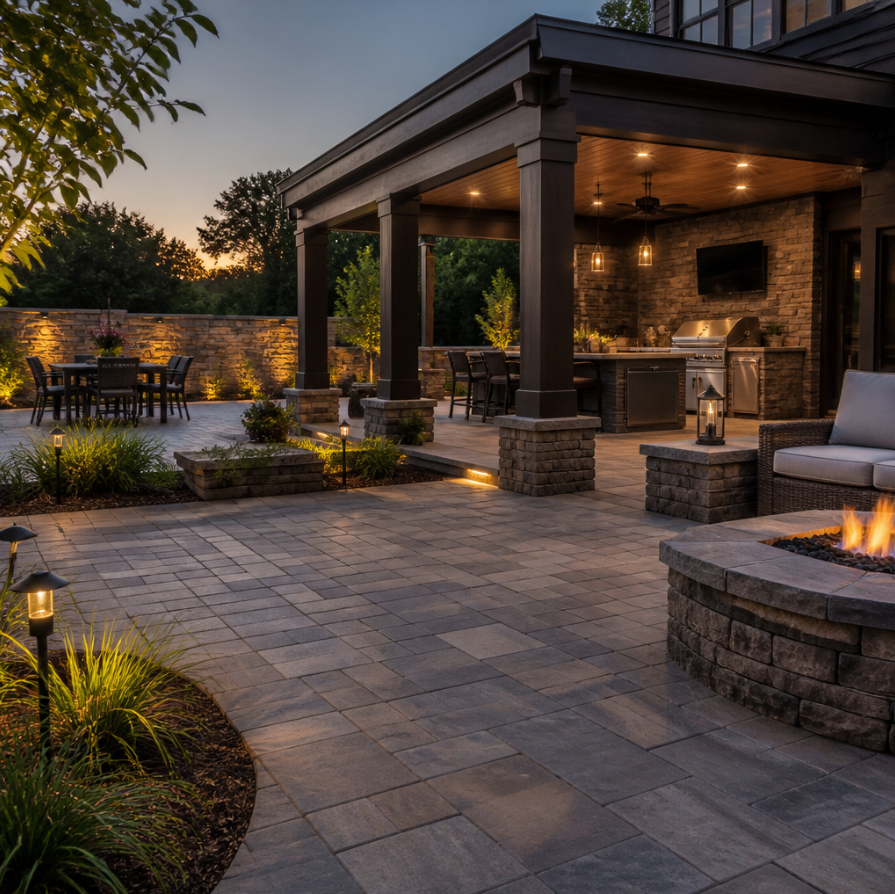
Outdoor entertainment spaces have evolved beyond simple patios into sophisticated living areas complete with full amenities. A well-designed outdoor bar serves as both a functional preparation area and a social gathering point that enhances property value and lifestyle quality. The key lies in balancing aesthetic appeal with practical durability, ensuring your investment provides years of reliable service.
When planning your space, explore various outdoor bar ideas that complement your home’s architectural style while maximizing functionality. Consider factors like proximity to kitchen access, protection from prevailing weather, and integration with existing landscape features. Counter height, storage capacity, and utility access all influence the final design, requiring careful consideration during the planning phase rather than attempting adjustments after construction begins.
Structural Considerations for Entertaining Spaces
Beyond material selection, proper structural design ensures your outdoor entertainment area remains safe and functional for decades. Load-bearing calculations must account for not just static weight but dynamic forces from wind, snow accumulation, and occupancy loads. Footings need to extend below frost lines in cold climates, preventing heaving and settling that compromises structural integrity.
Drainage planning often receives insufficient attention during design yet proves critical to longevity. Water that pools on horizontal surfaces accelerates decay regardless of material quality. Slight slopes, strategic gaps, and properly positioned drainage points protect your investment by directing moisture away from vulnerable areas. Even naturally rot-resistant materials benefit from design features that minimize prolonged water contact.
About Liberty Cedar
Liberty Cedar has established itself as a trusted supplier of premium cedar lumber products for residential and commercial applications. Their commitment to sustainable forestry practices ensures that today’s projects don’t compromise tomorrow’s forests, while their rigorous quality standards guarantee consistent material performance across every order.
Specializing in western red cedar products, the company serves contractors, builders, and DIY enthusiasts seeking superior materials for outdoor construction projects. Their product line spans dimensional lumber, decking materials, siding options, and specialty items designed specifically for exterior applications. By maintaining direct relationships with mills and implementing strict grading protocols, they deliver materials that meet professional standards while remaining accessible to homeowners undertaking their own projects.
Long-term Maintenance Strategies
Even the finest materials require appropriate maintenance to achieve their full potential lifespan. Understanding wood movement and its implications helps homeowners implement maintenance schedules that address problems before they become failures. Annual inspections should focus on fastener tightness, surface integrity, and signs of moisture intrusion or insect activity.
Finishing strategies vary based on desired appearance and protection level. Clear sealers preserve natural wood color while providing moisture barriers, though they require reapplication every one to three years depending on exposure. Semi-transparent stains add tint while allowing grain visibility, extending reapplication intervals compared to clear finishes. Solid-color stains provide maximum UV protection and longest intervals between maintenance but completely obscure wood grain patterns.
Seasonal Preparation and Care
Seasonal transitions present both challenges and opportunities for outdoor structure maintenance. Fall preparation includes thorough cleaning to remove organic debris that holds moisture against wood surfaces. Checking and tightening fasteners compensates for wood movement throughout summer months. Winter protection might involve covering vulnerable areas or applying additional sealant to horizontal surfaces that face maximum exposure.
Spring maintenance focuses on assessing damage from winter weather and addressing issues before they compound. This includes checking for splitting, warping, or fastener failure that occurred during freeze-thaw cycles. Early intervention prevents minor issues from evolving into structural problems requiring expensive repairs or complete replacement.
Conclusion
Building outdoor entertainment spaces that deliver lasting value requires balancing immediate aesthetic goals with long-term performance considerations. Material selection forms the foundation of success, but proper design, construction techniques, and maintenance practices determine whether your investment provides decades of enjoyment or requires premature replacement. By understanding wood behavior, selecting appropriate materials for your specific application, and implementing thoughtful maintenance schedules, you create outdoor spaces that enhance both property value and quality of life for years to come.

Team Home Spacess shares simple, practical design ideas that work for real families. The team focuses on cozy décor, soft colors, and natural textures that make a space feel truly lived-in. From everyday decorating tips to creative home projects, Team Home Spacess is dedicated to helping readers create warm, comfortable, and inviting spaces with a fresh and personal touch.