


Does your bedroom feel visually cluttered, overstimulating, or simply disconnected from how you want to feel at the end of the day? You’re not alone. Millions of homeowners struggle to create a bedroom that feels both visually cohesive and deeply restful and the solution is often hiding in plain sight. Neutral bedroom ideas consistently rank as the most enduring, versatile, and design-forward approach to bedroom décor, and for good reason.
A neutral bedroom isn’t about playing it safe. It’s about creating a sophisticated foundation that lets texture, form, and light do the heavy lifting. From warm beige and greige tones to soft whites, muted clay, and stone-inspired palettes, neutral color schemes offer unmatched flexibility to layer in personality without overwhelming the eye.
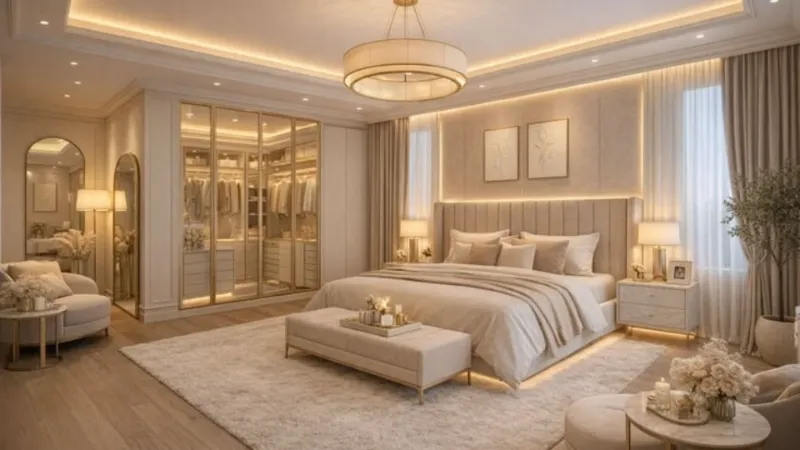
In this expert guide, you’ll discover stunning neutral bedroom ideas each packed with practical insights, styling strategies, and pro tips you won’t find anywhere else. Whether you’re redesigning from scratch or simply refreshing your space, these ideas will help you build a bedroom that feels like a true sanctuary. Let’s begin.
Layer Warm White Tones for an Airy, Effortless Base
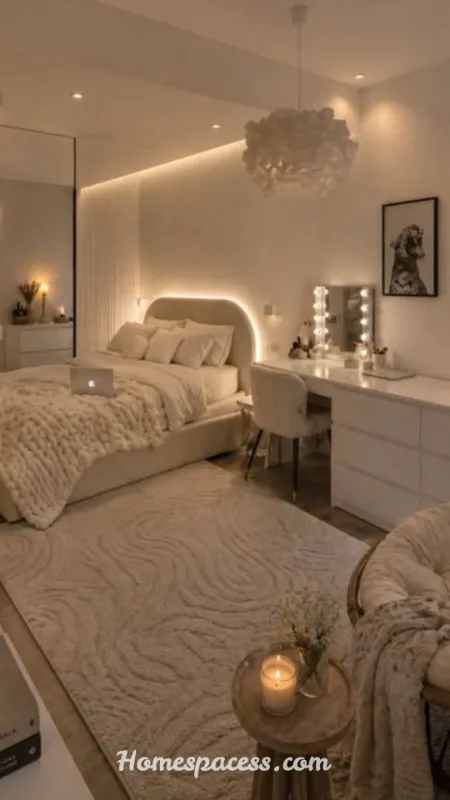
Warm white is the gold standard of neutral bedroom color palettes. Unlike stark, cool whites that can feel clinical, warm whites with undertones of cream, ivory, or soft yellow create an inviting, light-filled atmosphere. The key is to layer multiple shades walls in Benjamin Moore White Dove or Sherwin-Williams Alabaster, paired with warm-white bedding and slightly deeper trim, create a beautifully dimensional look that avoids monotony.
To prevent a warm white room from feeling flat, incorporate textural contrast through linen throw pillows, rattan side tables, or chunky knit blankets. These elements add visual depth without breaking the neutral color story. Natural wood furniture especially in light oak or blonde tones works beautifully against warm white walls and grounds the space naturally.
Lighting plays a critical role in warm white bedrooms. Choose warm-toned bulbs (2700K–3000K) for ambient lighting to enhance the cozy, enveloping quality of the palette. Avoid cool daylight bulbs, which can strip the warmth from neutral tones and create an unintentionally stark feel. A dimmer switch is one of the highest-value additions to any neutral bedroom.
💡 Pro Tip:
Layer three shades of warm white walls slightly lighter than trim, bedding between them to create a cohesive tonal effect that feels intentional, not accidental.
Must Read This Topic: Bedroom Lamp Ideas That Transform Your Space in 2026
Embrace the Greige Trend for the Perfect Warm-Cool Balance
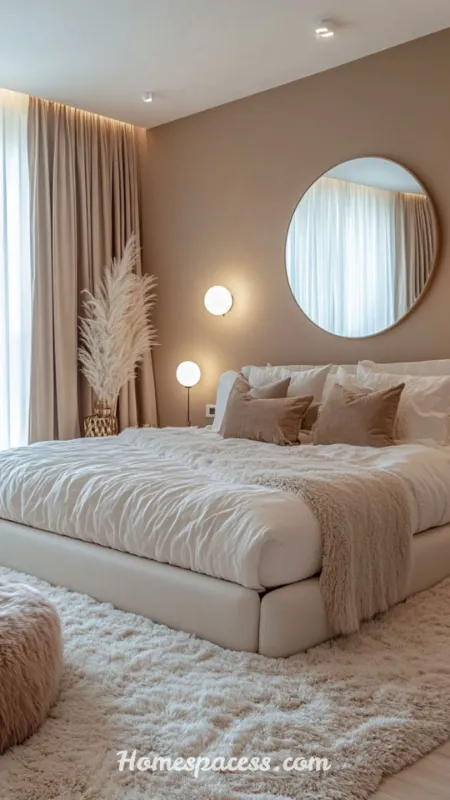
Greige the perfect blend of gray and beige has become one of the most sought-after neutral bedroom colors in contemporary interior design. It bridges the warmth of beige and the sophistication of gray, making it universally flattering across different lighting conditions and architectural styles. Popular greige shades like Accessible Beige, Agreeable Gray, and Revere Pewter remain consistent top-sellers at paint retailers, signaling their enduring mass appeal.
The beauty of a greige bedroom lies in its adaptability. It pairs seamlessly with warm metal finishes like brushed brass and aged bronze, as well as cool tones like chrome and steel. This makes greige the ideal backdrop if you’re building a transitional or modern-traditional bedroom. Layering in soft ivory bedding, cognac leather accents, and matte black hardware creates a richly layered look that feels effortlessly styled.
When selecting a greige paint, always test it against your existing floor tones, as undertones shift dramatically under natural versus artificial light. A greige that reads as warm honey in a north-facing room may appear lavender-toned in direct sunlight. Apply large sample swatches (at least 12″×12″) on multiple walls and observe them throughout the day before committing.
💡 Pro Tip:
Test greige paint next to your bedroom floor sample if your floors are cool-toned, choose a warmer greige to create visual balance, not clash.
See Related Articles: Beach Bedroom Ideas That Actually Feel Like the Coast
Use Textured Neutral Fabrics to Add Depth Without Color
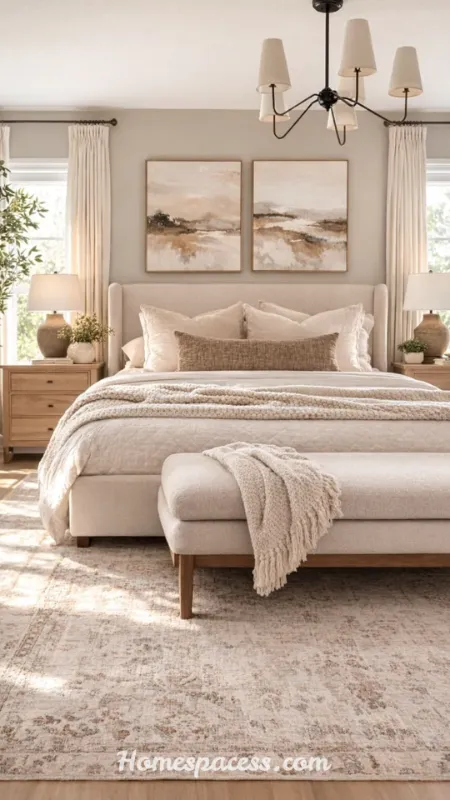
One of the most underestimated tools in neutral bedroom design is fabric texture. When your color palette is intentionally restrained, the tactile and visual richness must come from material contrast. Layering linen, velvet, boucle, cotton canvas, and faux fur within a tonal palette creates a space that feels luxurious without relying on color to make an impression. This is the technique used in most high-end hotel bedrooms around the world.
Start with a linen duvet cover as your anchor it’s breathable, timeless, and beautifully imperfect in texture. Add a boucle throw pillow or headboard for tactile contrast, a waffle-weave blanket at the foot of the bed, and a wool or jute area rug underfoot. Each layer contributes to a rich, sensory-layered bedroom that photographs beautifully and feels even better to live in.
The scale of texture matters enormously in neutral bedrooms. Pair a fine-weave linen with a coarse-knit throw rather than two fine textures side by side. This contrast what designers call textural tension prevents the room from feeling one-dimensional. Avoid mixing too many patterns, which can undermine the serene, edited aesthetic that defines the best neutral bedrooms.
💡 Pro Tip:
Stick to no more than four fabric textures in a neutral bedroom linen, something soft (boucle or velvet), something natural (jute or rattan), and one accent layer like a knit throw.
You May Also Like: Smart Boys Bedroom Ideas: Cool & Modern Designs for Kids
Incorporate a Statement Neutral Headboard as the Focal Point
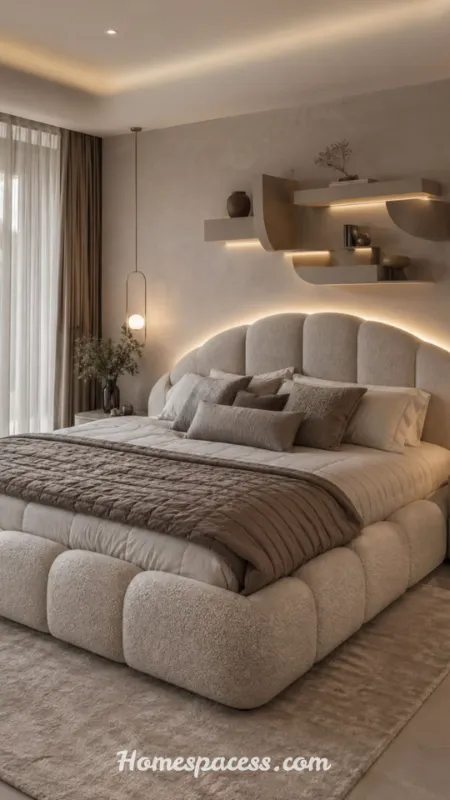
In a neutral bedroom, the headboard is the single most important design anchor. Because the palette is deliberately restrained, the headboard must carry significant visual weight to prevent the room from feeling empty. An upholstered headboard in warm linen, soft camel leather, or tonal boucle creates a compelling focal point while staying firmly within the neutral color story. Oversized headboards particularly those that extend to near-ceiling height add drama without requiring bold color.
For a more architectural approach, consider a fluted wood headboard in natural oak or walnut-stained MDF. The vertical grooves add geometric interest and a tactile quality that enriches the neutral palette. This style is particularly effective in Japandi-inspired bedrooms a trending design fusion of Japanese minimalism and Scandinavian warmth that thrives on neutral, natural materials.
The headboard shape also communicates design intent. Curved arched headboards introduce softness and are currently one of the fastest-growing bedroom furniture trends in the premium market. For a more traditional neutral bedroom, a paneled or tufted headboard in ivory or warm taupe maintains classic elegance. Whichever style you choose, make sure the headboard’s scale is proportional to your wall a headboard that’s too small creates imbalance.
💡 Pro Tip:
A headboard that spans 80–90% of your bed’s width looks proportional and purposeful. For a California King, aim for at least 72 inches wide.
Recommended for You: Bedroom Curtain Ideas That Make Any Room Look Bigger and Brighter
Use Natural Wood Tones to Warm Up a Neutral Palette
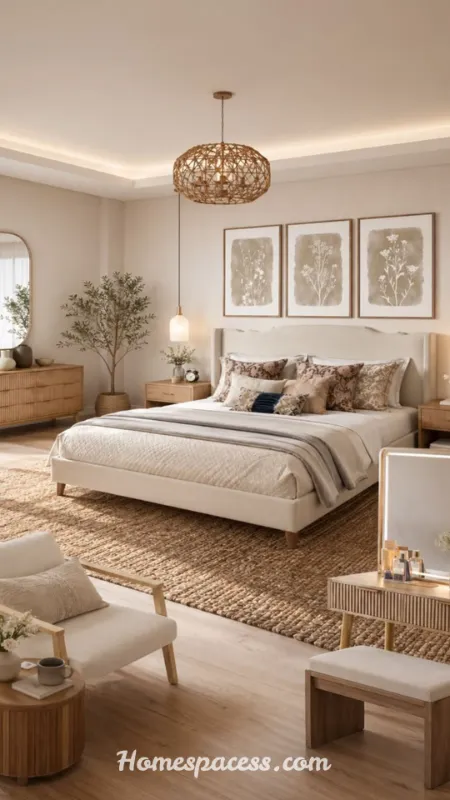
Nothing grounds a neutral bedroom more effectively than natural wood. Whether it’s a solid oak bed frame, walnut nightstands, or bamboo flooring, wood introduces an organic warmth that prevents neutral color schemes from feeling sterile. The key is to choose wood tones that align with your neutral palette lighter woods like ash, pine, and maple complement cool-leaning neutrals, while darker walnut, teak, and rosewood enrich warm, earthy tones.
Mixing two to three complementary wood tones in one room creates a layered, collected aesthetic as if the space was curated over time rather than purchased all at once. For instance, pairing a light oak bed frame with a medium walnut nightstand and a driftwood-finish mirror creates beautiful tonal depth. The golden rule: don’t mix more than three wood tones, and ensure at least two of them share a warm or cool undertone to maintain cohesion.
From a sustainability and longevity perspective, solid hardwood furniture in neutral bedrooms is a wise investment. FSC-certified oak or acacia furniture not only lasts decades but also develops a richer patina over time, making your neutral bedroom look better with age. This stands in contrast to laminate or particleboard alternatives, which often lose their appeal within a few years and contribute to furniture waste.
💡 Pro Tip:
When combining multiple wood tones, ground them with a neutral rug that pulls from all tones this unifies the look without forcing everything to match.
Related Articles: Creative Twin Bedroom Ideas with Modern Decor and Storage
Try a Tonal Monochromatic Scheme for Maximum Sophistication
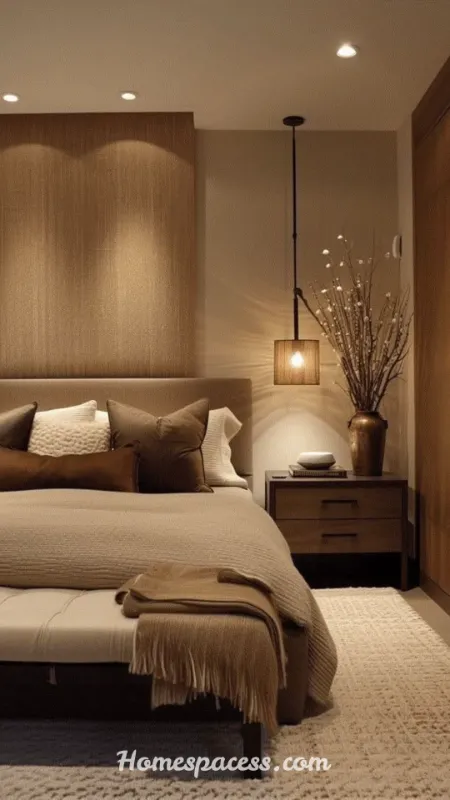
A monochromatic neutral bedroom where every element operates within a single color family is arguably the most sophisticated approach to neutral room design. The challenge and reward lie in building complexity through tonal variation rather than contrast. A tonal beige bedroom, for example, might layer sand-colored walls with bone linen, caramel throw pillows, a coffee-toned rug, and ivory ceiling creating a richly layered palette that feels deeply cohesive.
The secret to a successful monochromatic neutral scheme is varying the finish and sheen of surfaces, not just the shade. Matte walls paired with a semi-gloss trim, satin headboard fabric, and a high-sheen ceramic lamp create visual rhythm through light interaction. This is precisely how luxury boutique hotels create that instantly calming, expensive-looking bedroom environment that guests struggle to replicate at home.
To avoid a monochromatic neutral bedroom feeling flat or bland, introduce one unexpected material pop — a black matte lamp base, a single greenery plant in a terracotta pot, or a natural woven pendant light. These moments of contrast are called punctuation points in interior design, and they’re what transform a well-coordinated room into a truly designed space.
💡 Pro Tip:
In a monochromatic bedroom, use at least five tonal variations within the same color family this creates the layered luxury that makes the space feel designed, not default.
Explore More: Island Kitchen Ideas: 13 Stunning Designs That Transform Your Kitchen in 2026
Introduce Soft Stone and Clay Tones for an Earthy Neutral Vibe
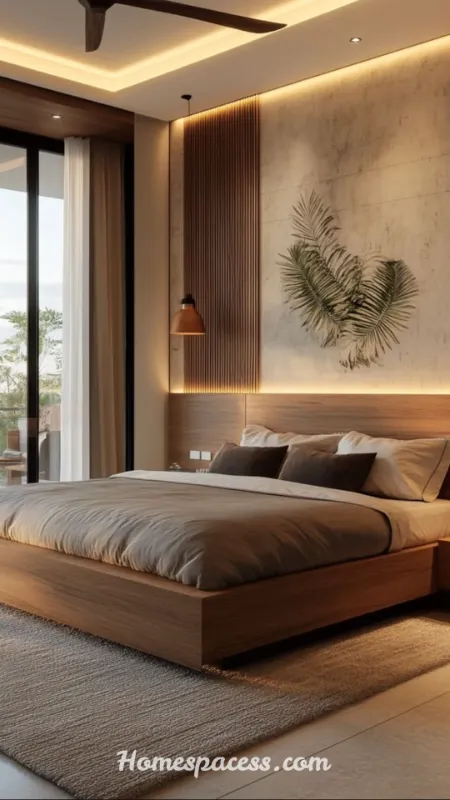
Beyond white and beige, earthy neutral tones drawn from stone, clay, terracotta, and raw concrete are reshaping modern neutral bedroom aesthetics. These pigment-rich neutrals offer more character than traditional beige while remaining restful and grounding. Colors like warm terracotta, dusty clay, muted sage, and pale ochre fall into the earthy neutral family and are particularly effective in rooms with natural light, where they glow beautifully throughout the day.
To use earthy neutrals effectively in a bedroom, consider them as accent-wall colors rather than all-over hues. A single wall in warm clay or Venetian plaster-finish stone behind the headboard creates a dramatic, textured backdrop while keeping the remaining walls in a lighter, complementary neutral. This technique is gaining significant traction in Mediterranean and Southwestern-inspired bedroom design, both of which are trending globally.
Pair earthy neutral bedroom walls with natural fiber textiles hemp, jute, sisal, and undyed cotton which harmonize organically with the palette. Add unglazed ceramic accessories, terracotta pots, and wood-grain furniture for a biophilic design approach that connects the bedroom to the natural world. Research consistently shows that nature-adjacent interiors reduce stress hormones and improve sleep quality.
💡 Pro Tip:
Venetian plaster in a warm clay tone on the headboard wall is a high-impact, low-regret upgrade it adds artisanal texture that no paint finish can replicate.
Also Read This Post: Bathroom Towel Hanging Ideas to Transform Your Space
Choose Minimalist Neutral Furniture for a Clean, Uncluttered Look
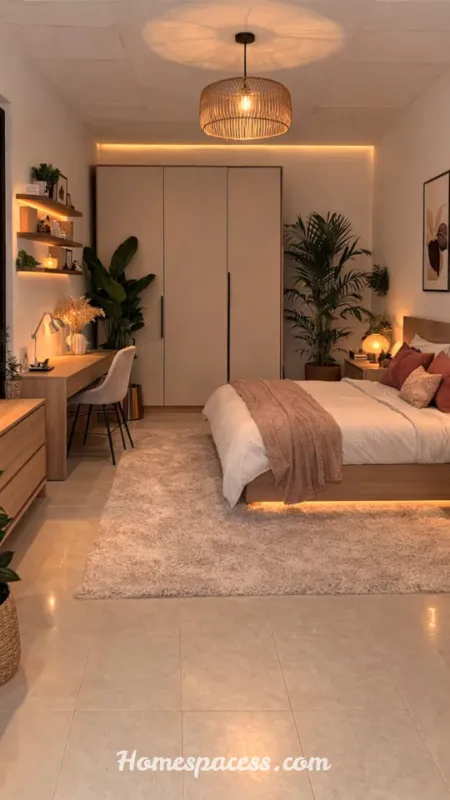
The furniture you choose can make or break a neutral bedroom aesthetic. In minimalist neutral bedrooms, furniture should serve form and function equally, with clean lines, low profiles, and a restrained material palette. Scandinavian-inspired pieces in natural oak, ash, or solid beech with tapered legs and simple joinery are ideal they add warmth without visual bulk, which is essential in neutral rooms where spaciousness is key.
Floating or wall-mounted furniture is particularly effective in neutral bedrooms because it creates a sense of floor space and visual lightness. A wall-mounted floating shelf instead of a bulky nightstand, or a platform bed with an integrated storage base instead of a traditional frame, keeps the room feeling clean and edited. This approach also makes cleaning easier an often-overlooked practical benefit in bedroom design.
When selecting bedroom furniture for a neutral scheme, prioritize longevity over trend. Timeless silhouettes such as a paneled wardrobe, a simple platform bed, or a classic six-drawer chest are investments that outlast seasonal design cycles. The best neutral bedroom furniture serves as a permanent canvas, allowing you to refresh the room with new textiles and accessories without replacing the core pieces.
💡 Pro Tip:
Choose furniture with exposed legs over skirted or solid-base pieces this allows light to pass underneath and creates a more airy, spacious feel in a neutral bedroom.
Layer Neutral Area Rugs to Define Zones and Add Warmth
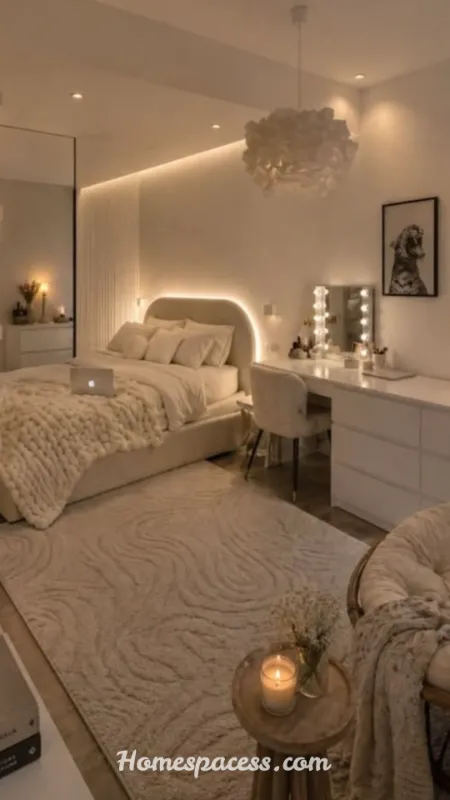
A neutral area rug is one of the most transformative and highest-ROI additions to any bedroom. In neutral bedrooms, the rug serves as a visual anchor for the sleeping zone and introduces texture underfoot that warms the entire space. Prioritize natural fiber rugs wool, jute, sisal, or seagrass for their tactile quality, durability, and alignment with the organic neutral aesthetic that dominates current interior design trends.
When selecting rug size for a neutral bedroom, the most common mistake is going too small. The rug should extend at least 24 inches beyond each side of the bed ideally 36 inches so that feet land on rug when you step out of bed. A too-small rug makes even a beautifully designed room feel unfinished. For a Queen bed, an 8×10 area rug is typically the minimum; a 9×12 rug is ideal.
For maximum impact in a neutral bedroom, consider a layered rug approach: a larger, flat-weave neutral jute rug as the base with a smaller, plush wool or Moroccan-style rug layered on top at the foot of the bed. This creates the same depth and dimension that professional interior designers use in editorial shoots and model homes adding a sense of collected, layered luxury at relatively low cost.
💡 Pro Tip:
Place a rug pad under every area rug it prevents slipping, extends rug life by 2–3x, and adds a cushioned feel underfoot that significantly elevates the bedroom experience.
Use Neutral Gallery Walls for Curated Visual Interest
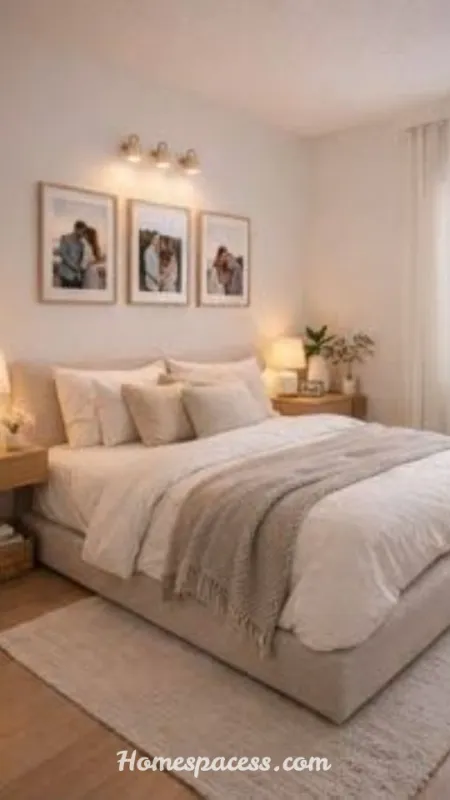
A neutral gallery wall is one of the most effective ways to add personality and visual interest to a neutral bedroom without introducing color chaos. The key to a cohesive gallery wall in a neutral space is consistent framing all black, all natural wood, or all white frames combined with a mix of subject matter: abstract prints, botanical illustrations, black and white photography, and minimal line art. This creates variety in content while maintaining visual harmony through consistent framing.
The most impactful neutral bedroom gallery walls combine different frame sizes rather than a uniform grid. Mix large anchor prints (18″×24″ or bigger) with smaller supporting pieces in a salon-style arrangement. Before hanging, lay the arrangement on the floor to experiment with spacing and composition this saves walls from unnecessary holes and helps you visualize the final layout before committing.
Beyond prints, consider adding three-dimensional elements to your gallery wall a small woven textile hanging, a ceramic wall sculpture, or a circular mirror integrated into the arrangement. These elements add depth and shadow play that flat prints cannot, making the gallery wall feel more like an art installation than a standard décor moment. This level of curation is what separates editorial-quality neutral bedrooms from the ordinary.
💡 Pro Tip:
Use painter’s tape to map out your gallery wall arrangement on the actual wall before hanging anything this eliminates guesswork and ensures perfect spacing every time.
Opt for Neutral Linen Bedding for a Hotel-Worthy Finish
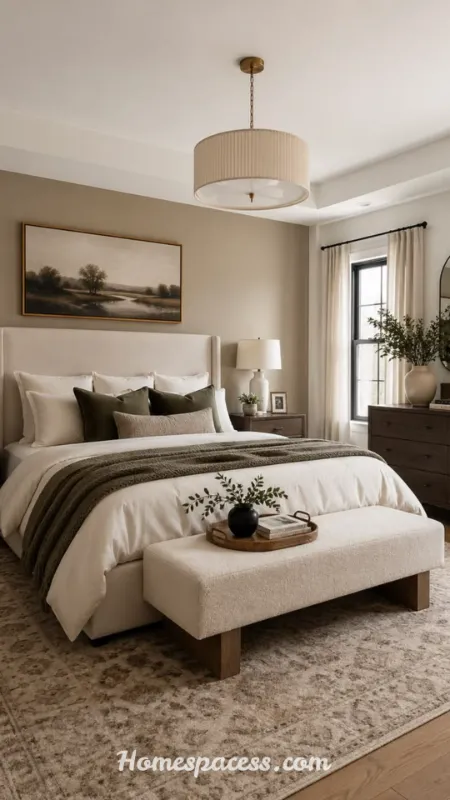
If there’s one neutral bedroom upgrade that delivers the highest visual and tactile return on investment, it’s high-quality linen bedding. Linen’s naturally rumpled, lived-in texture photographs beautifully and creates that effortlessly luxurious look associated with European boutique hotels and aspirational lifestyle brands. Choose linen in undyed natural tones, flax, stone, or warm white for the most authentic, relaxed neutral aesthetic.
The art of layering linen bedding is worth mastering. Start with a fitted linen sheet in the lightest tone, add a linen flat sheet left loosely arranged, then a linen duvet or quilt in a slightly deeper shade for contrast. Finish with two to three linen Euro shams behind your sleeping pillows. This five-layer approach creates the bed-as-focal-point effect seen in luxury interior photography.
From a practical standpoint, linen bedding is among the most durable and breathable natural fiber options available. It regulates temperature effectively cool in summer and warm in winter making it suitable for year-round use. Quality linen also softens with every wash, meaning your bedding improves over time. Look for 100% French or Belgian linen with a thread count between 80–120 for the ideal balance of softness and durability.
💡 Pro Tip:
To get that perfectly imperfect linen look, remove bedding from the dryer while slightly damp and spread by hand never iron linen, as the creases are the point.
Add Architectural Interest with Neutral Wall Paneling
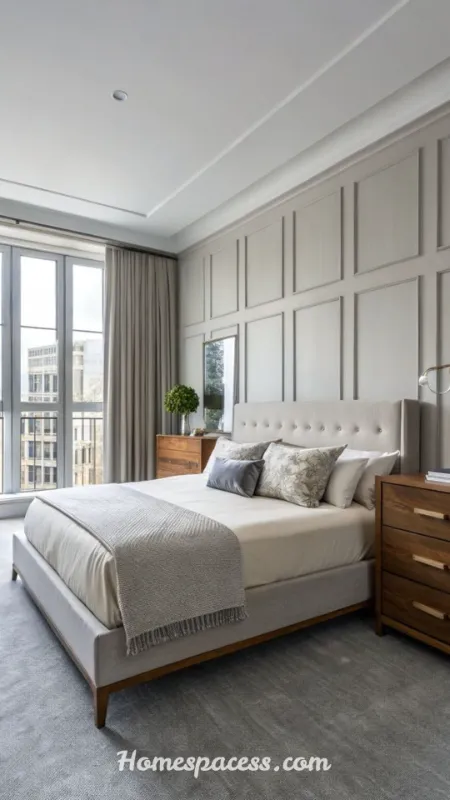
Wall paneling has emerged as one of the standout neutral bedroom design trends of the 2020s, and its popularity shows no sign of slowing. Board-and-batten, shiplap, fluted panels, and wainscoting all add depth, shadow, and architectural richness to flat walls transforming a basic bedroom into a space that feels custom-designed and considered. Painted in the same neutral tone as the surrounding walls (called a tonal panel treatment), these additions become powerful texture elements.
The most versatile paneling option for neutral bedrooms is MDF board-and-batten affordable, paintable, and achievable as a weekend DIY project. Applied to the lower half of the wall (wainscoting style) or covering the full wall, it dramatically elevates the room’s perceived value. For a more premium finish, fluted MDF panels painted in matte chalky white or warm greige behind the headboard create a sculptural backdrop that rivals expensive wallpaper.
In addition to aesthetic benefits, wall paneling provides insulation and acoustic benefits, reducing echoes and improving the room’s thermal performance. This makes it a practical investment with long-term value, particularly in older homes where wall insulation is limited. It also adds resale value — estate agents consistently report that architecturally interesting bedrooms command higher prices and sell faster.
💡 Pro Tip:
Paint wall paneling in the exact same neutral tone as the walls but with a different finish (matte vs. eggshell) for a sophisticated tone-on-tone effect that adds depth without color.
Use Mirrors Strategically to Amplify Light in Neutral Bedrooms
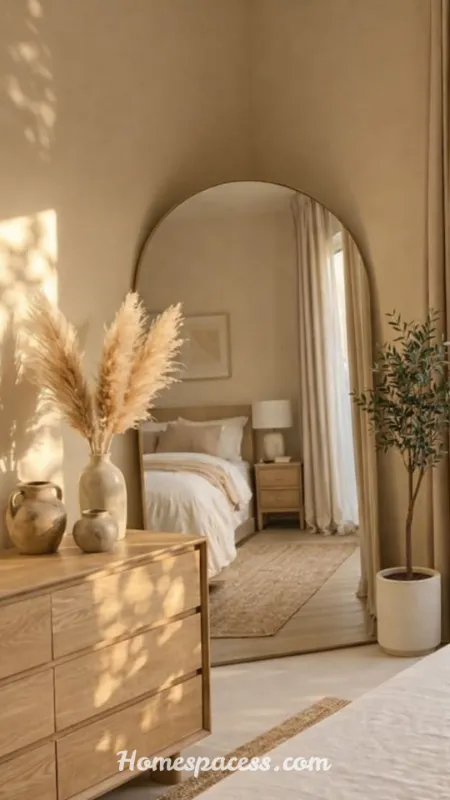
In neutral bedroom design, mirrors are an underutilized tool that can double the visual size of a room and dramatically amplify natural light. A large, leaning floor mirror in warm gold, unlacquered brass, or natural wood frame adds elegance and function simultaneously. Position it opposite or adjacent to a window to bounce natural light across the room a technique that makes neutral tones glow even in north-facing bedrooms with limited direct sunlight.
For a more curated look, consider a vintage-style arched mirror as a standalone statement piece, or incorporate a row of small mirrors as part of a gallery wall arrangement. A full-length mirror with an antiqued or smoked glass finish a key design trend in luxury neutral bedroom interiors adds depth and a slightly atmospheric quality that makes even simple bedrooms look styled.
Beyond aesthetics, strategically placed mirrors improve the feng shui of a bedroom when positioned thoughtfully. Avoid placing mirrors directly facing the bed, as this is considered disruptive to sleep quality in both feng shui practice and from a practical standpoint (waking to your own reflection can be jarring). Instead, angle mirrors toward windows or doorways to activate the space without disturbing the sleeping environment.
💡 Pro Tip:
A leaning mirror placed at a 5–10 degree angle against the wall appears more casually stylish than one hung flat and it’s infinitely easier to reposition as the room evolves.
Incorporate Biophilic Elements for a Living, Breathing Neutral Space
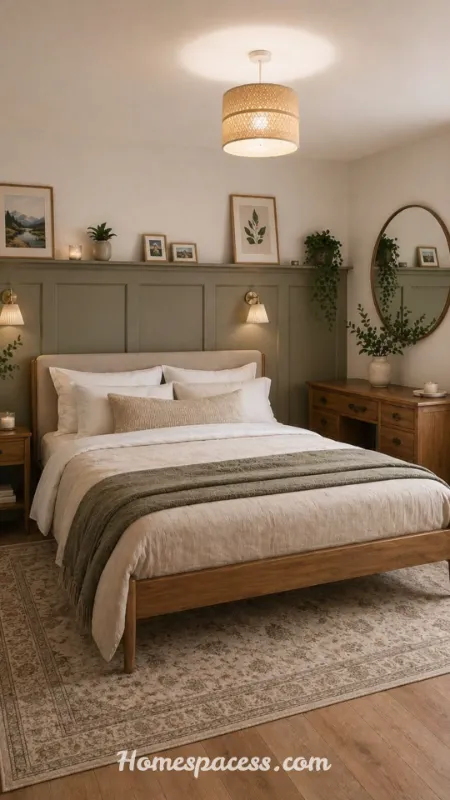
The integration of natural elements into a neutral bedroom a design philosophy called biophilic design has moved from niche trend to mainstream practice, and for compelling reasons. Plants, natural stones, organic materials, and water features reduce cortisol levels and improve air quality and cognitive function. In neutral bedrooms, where the visual landscape is deliberately simple, a single sculptural plant or curated natural object becomes a powerful design element.
The best plants for neutral bedrooms combine sculptural form with practical air-purifying benefits. Fiddle-leaf figs, snake plants, olive trees, and monstera deliciosa are all visually dramatic choices that stand beautifully against neutral walls. For shelves and nightstands, smaller specimens like pothos, trailing pothos, or small cacti in terracotta pots add organic warmth without overwhelming the space. The terracotta pot itself is a design element in a neutral bedroom its earthy tone harmonizes perfectly with warm neutrals.
Beyond plants, incorporate natural materials as biophilic touchpoints: a smooth river stone as a paperweight, a piece of driftwood as a shelf display, or a beeswax candle in an unglazed ceramic holder. These details create moments of tactile and visual connection to nature that elevate a neutral bedroom from simply attractive to genuinely restorative.
💡 Pro Tip:
Place a sculptural plant in the corner that catches morning light it creates a natural focal point that changes with the seasons and keeps the room feeling alive and dynamic.
Design a Neutral Reading Nook for Function and Style
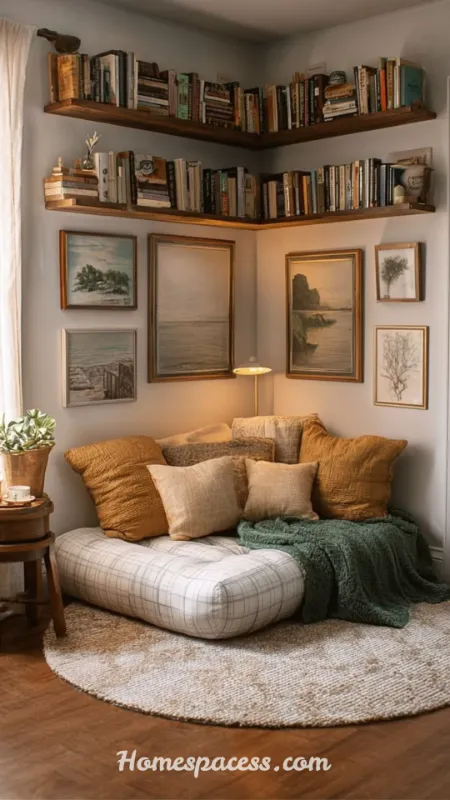
A dedicated reading nook in a neutral bedroom transforms the space from a one-function room into a multi-purpose retreat. Even a small corner with a comfortable chair, floor lamp, and small side table creates a compelling secondary zone that adds visual interest to the room’s layout. In neutral bedroom design, the reading nook is best executed in complementary tones a deep oatmeal armchair, a natural brass floor lamp, and a stacked pile of leather-bound books on an oak table creates an inviting and stylish vignette.
The chair choice is critical. Curved, sculptural armchairs in neutral upholstery fabrics particularly bouclé, teddy fabric, or linen are among the most photographed and shared home interior elements on Pinterest and Instagram. They create a softness that contrasts with the clean lines of most neutral bedrooms, introducing the kind of organic, human-scaled element that makes a room feel genuinely lived in. Pair the chair with a side table in a slightly contrasting material marble, rattan, or glazed ceramic for a considered layered look.
If space is limited, a window seat reading nook built into or positioned at a deep window is one of the most architecturally rewarding solutions for neutral bedrooms. A cushioned bench in neutral linen with storage drawers below and floating shelves above creates a self-contained sanctuary within the bedroom that maximizes both square footage and design appeal.
💡 Pro Tip:
Place your reading chair so that natural light falls over your left shoulder (or right, if you’re left-handed) this reduces eye strain and makes the nook genuinely functional, not just beautiful.
Conclusion
Neutral bedroom ideas offer a timeless path to a space that is simultaneously calming, sophisticated, and deeply personal. From warm white layering and earthy clay tones to textured fabrics, biophilic accents, and smart lighting, the 20 ideas in this guide give you everything you need to build a bedroom that feels like a true sanctuary. The secret is not doing more, but doing less and doing it with intention.
Whether you’re starting a full renovation or simply refreshing your existing space, begin with one idea that resonates most strongly and build from there. The best neutral bedrooms are created gradually, with care not all at once. Start today, trust the process, and let your bedroom become the restful, beautifully edited retreat you deserve.
Advanced Section
Expert Insights for Optimizing Your Neutral Bedroom
Professional interior designers consistently identify lighting calibration as the single most overlooked factor in neutral bedroom optimization. While most homeowners focus on paint colors and furniture, experienced designers spend equal time on light source temperature, intensity, and directionality. The reality is that a beautiful neutral palette chosen in a showroom can look entirely different once installed and the difference almost always comes down to lighting. Dimmer systems, warm bulbs, and strategic lamp placement are the professional tools that bridge this gap.
A less-discussed expert insight concerns negative space management in neutral bedrooms. Because the neutral palette draws less visual attention than a bold-color scheme, empty wall space and floor areas become more prominent design elements. Skilled designers deliberately leave 30–40% of walls empty in neutral bedrooms to create breathing room and allow the neutrals to resonate rather than get crowded out. This counterintuitive restraint adding nothing is often the move that elevates a neutral bedroom from good to exceptional.
For practical neutral bedroom optimization, interior design professionals recommend a “60-30-10 color rule” adapted for neutrals: 60% of the room in your lightest neutral (walls, ceiling, largest furniture), 30% in a mid-tone neutral (textiles, secondary furniture, rugs), and 10% in your darkest accent (hardware, lamp bases, art frames). This distribution creates natural visual hierarchy without requiring bold color and is the structural framework behind virtually every successful neutral bedroom design in the professional interior design world.
Sustainability and Long-Term Value in Neutral Bedroom Design
The neutral bedroom aesthetic is inherently aligned with sustainable design principles in ways that are rarely acknowledged. Because neutral palettes are timeless rather than trend-driven, a well-executed neutral bedroom rarely needs complete renovation a contrast to bold, trend-specific design choices that age quickly and drive unnecessary consumption. Designing a classic neutral bedroom is, in effect, an act of environmental responsibility reducing the frequency with which furnishings, paints, and textiles are replaced.
Specific sustainable material choices enhance both the ecological profile and long-term value of neutral bedrooms. GOTS-certified organic linen and cotton for bedding and curtains, FSC-certified hardwood for furniture, and natural mineral-based paints (limewash, chalk paint, clay paint) are not only better for the environment but also superior in longevity and aesthetic quality. Natural fiber rugs in wool or sisal typically outlast synthetic alternatives by a factor of three to five making them genuinely more economical in cost-per-year of use.
From a real estate and resale perspective, neutral bedrooms consistently outperform bold-color rooms at point of sale. Property surveys across the UK, US, and Australia consistently find that neutral master bedrooms increase buyer confidence and facilitate faster, higher-value sales. A well-executed neutral bedroom signals to buyers that the space is move-in ready and adaptable to their own taste the opposite of a bold, polarizing design choice. This makes the investment in a quality neutral bedroom one with genuine financial returns beyond personal enjoyment.
Future Predictions Where Neutral Bedroom Design Is Heading
The next significant evolution in neutral bedroom design will be driven by the convergence of wellness science, material innovation, and smart home technology. Sleep science research is increasingly informing interior design decisions particularly the role of color temperature, acoustic materials, and circadian-rhythm-aligned lighting in bedroom environments. Future neutral bedrooms will likely incorporate built-in smart lighting systems that automatically shift from energizing cool white in the morning to warm, sleep-promoting amber at night all within a neutral, non-intrusive aesthetic.
Material innovation will introduce new options to the neutral bedroom palette. Acoustic wall panels in neutral tones, currently used primarily in commercial spaces, are beginning to appear in residential bedrooms as awareness of sleep-disrupting noise pollution grows. Mycelium-based furniture (grown from mushroom roots) in warm, organic neutral tones is emerging as a genuinely sustainable alternative to foam and synthetic materials. And phase-change material textiles bedding that regulates temperature at a molecular level will soon be available in natural neutral tones, removing the temperature-regulation argument for synthetic bedding entirely.
Perhaps the most transformative coming development is AI-assisted neutral bedroom design. Tools that already exist in prototype form will soon allow homeowners to photograph their current room and receive a precisely calibrated neutral palette recommendation based on their room’s specific light conditions, floor tones, and furniture materials. These tools will remove the guesswork from choosing neutral paint colors historically the most common source of expensive, frustrating neutral bedroom design mistakes and make professional-quality neutral room design accessible to everyone.
Common Neutral Bedroom Mistakes (and How to Avoid Them)
The most pervasive neutral bedroom mistake is confusing neutral with boring and compensating by adding too many competing elements. When homeowners feel their neutral bedroom looks flat, the instinct is to add more accessories, a bold pillow, a colorful throw. But the real solution is almost always better texture, improved lighting, or removing elements rather than adding them. Overcrowding a neutral room neutralizes its greatest strength: the power of restraint and deliberate emptiness.
A critically overlooked mistake is neglecting the ceiling in a neutral bedroom. Most homeowners default to stark white ceilings regardless of their wall color but in neutral bedroom design, a ceiling painted in a slightly lighter or matching tone to the walls creates a fully enveloping, cocoon-like quality that dramatically increases the room’s sense of intimacy and comfort. This ‘fifth wall’ technique is widely used in luxury hotel bedroom design and is reproducible in any home with a single additional quart of paint.
Finally, many homeowners make the mistake of selecting neutral bedroom elements in isolation choosing a paint chip at the store, a rug online, and a bedding set from a catalog without seeing them together in their actual room. Undertones are the invisible enemy of neutral bedroom cohesion: a beige with pink undertones paired with a beige with green undertones creates an unintended clash that reads as simply ‘off’ to the eye. Always assemble physical samples of every material paint, fabric, flooring, wood in the actual room, in natural and artificial light, before finalizing any neutral bedroom purchase decision.

Team Home Spacess shares simple, practical design ideas that work for real families. The team focuses on cozy décor, soft colors, and natural textures that make a space feel truly lived-in. From everyday decorating tips to creative home projects, Team Home Spacess is dedicated to helping readers create warm, comfortable, and inviting spaces with a fresh and personal touch.