

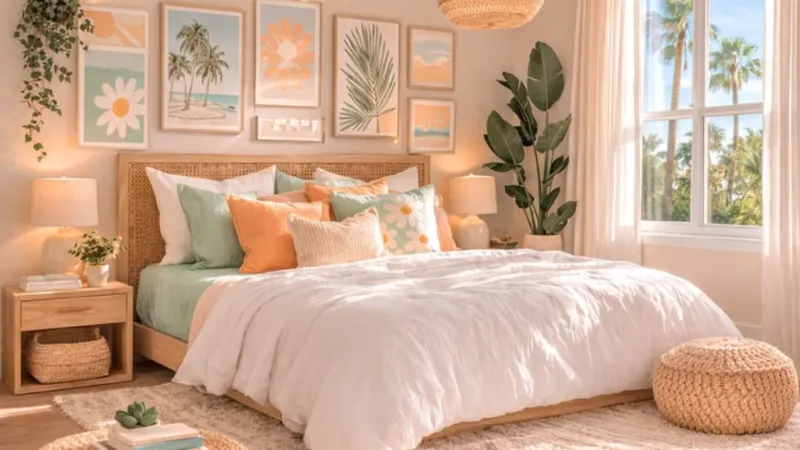
You don’t need a waterfront property to sleep like you’re steps from the ocean. But most beach bedroom ideas online miss the point entirely they’re all novelty starfish pillows and nautical stripes, not the deep, exhale-worthy calm that a real coastal space creates.
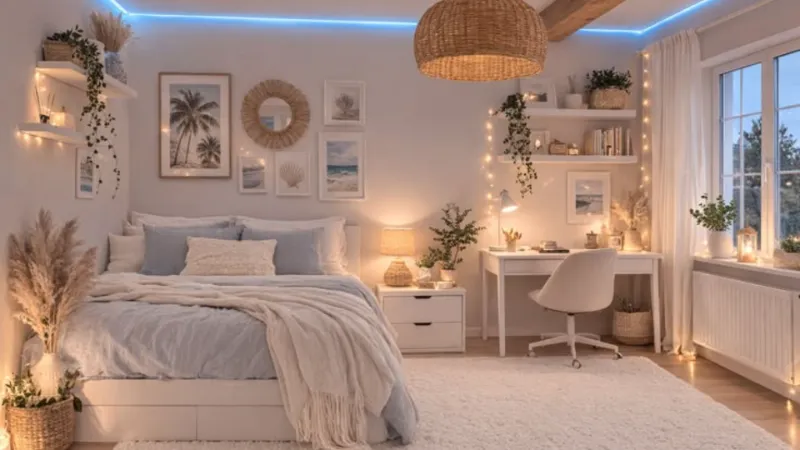
The truth is, a well-designed beach-inspired bedroom is about layered texture, restrained color, and materials that genuinely evoke the shore. Done right, it transforms not just how your room looks, but how well you sleep. This guide gives you 8 actionable, design-led ideas backed by interior design principles plus the advanced insights your competitors won’t tell you.
Embrace a Coastal Color Palette Beyond Just Blue and White
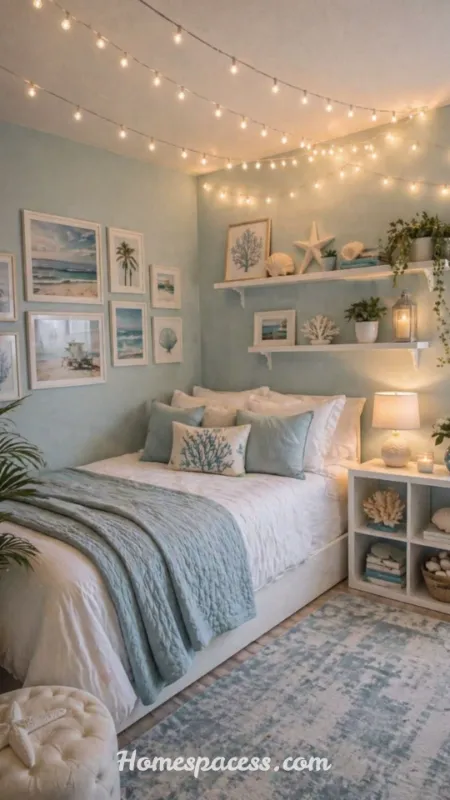
The cliché of navy stripes on white walls is so overdone it now signals “beach-themed” rather than “beach-inspired.” True beach bedroom design borrows from the full spectrum of a shoreline: the warm taupe of dry sand, the soft sage of sea grass, bleached driftwood whites, and the pale blush of a shell interior. These layered neutrals create a backdrop that feels genuinely calming rather than decoratively thematic.
Start with a warm white or off-white base (avoid cool whites they clash with natural materials). Add depth through one or two accent colors: a muted seafoam green or a dusty blue-grey work beautifully without screaming “nautical.” Interior designers increasingly recommend restricting the palette to three tones maximum in a coastal bedroom, as the natural variation in textures linen, rattan, wood grain provides visual interest on its own.
Consider the ceiling as an underused canvas. A soft wash of pale blue or warm sand on the ceiling creates a sense of expansive sky overhead, dramatically changing how spacious the room feels without touching the floor plan. This technique common in Scandinavian coastal interiors is rarely covered by typical design blogs.
Pro Tip:
Test your coastal palette under both natural daylight and warm evening light. Coastal colors shift dramatically what looks crisp blue at noon can feel greenish or grey by lamplight. Use test patches of at least 30cm × 30cm and live with them for 48 hours before committing.
You May Also Like: Smart Boys Bedroom Ideas: Cool & Modern Designs for Kids
Layer Natural Textures Like Linen, Rattan, and Driftwood

Nothing signals a coastal bedroom aesthetic more authentically than materials that have actually been shaped by nature. Woven rattan headboards, raw linen bedding, jute area rugs, and pieces made from reclaimed or bleached wood collectively recreate the tactile vocabulary of a beach environment. The key is layering no single texture dominates, just as a shoreline is a mix of sand, pebble, grass, and water.
Linen is the undisputed star of coastal bedding. Unlike cotton, linen has a natural slight wrinkle and a breathable, temperature-regulating quality that actually improves sleep comfort in warmer climates. Opt for undyed or lightly washed linen in natural, ecru, or pale sage tones. Belgian and Lithuanian linens are considered the highest quality and hold their texture wash after wash an investment that lasts years longer than cheaper alternatives.
Rattan and wicker are having a sustained design revival, and for good reason. A rattan headboard or woven pendant light adds organic structure without visual heaviness. For driftwood accents, look for pieces that are actually weathered and bleached rather than artificially treated imitations the imperfection is the entire point. Pair with smooth surfaces (ceramic, glass, polished stone) to prevent the room from feeling too rustic.
Pro Tip:
Mix textures at different scales: coarse (jute rug), medium (linen duvet), fine (cotton percale pillowcases). This layering creates depth that photographs beautifully and feels genuinely luxurious in person a technique used by top hospitality designers in coastal boutique hotels.
Must-Read Articles: Bedroom Curtain Ideas That Make Any Room Look Bigger and Brighter
Bring in Natural Light with Sheer, Breezy Window Treatments
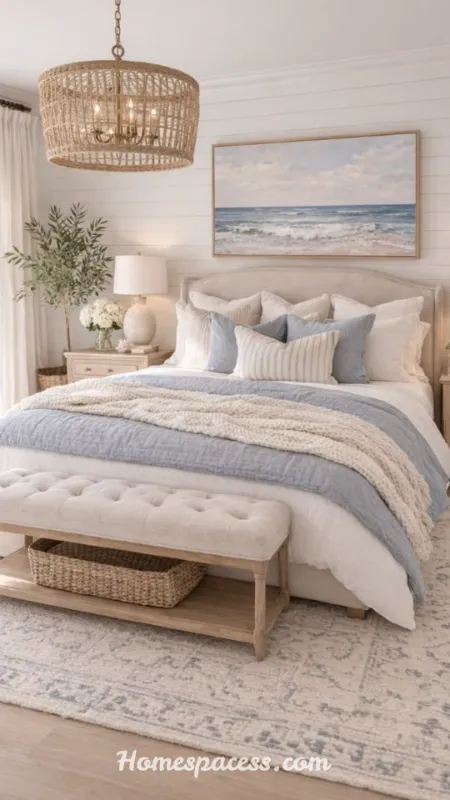
Light behaves differently near the coast it’s diffused, bright, and constantly moving. Recreating that quality in a landlocked bedroom requires intentional window treatment choices. Heavy drapes are the enemy of a beach-inspired bedroom. Instead, reach for sheer linen curtains in white or natural tones that allow daylight to filter through softly, casting the subtle rippling shadows you’d see in a beach house on a breezy afternoon.
Layer your window treatments for both function and aesthetics: a sheer panel for daytime privacy and atmosphere, paired with a light-blocking roller blind in a natural wood housing for night. This combination is far more sophisticated than blackout curtains alone and allows the room to transition gracefully between morning (flooded with soft light) and night (properly dark for sleep quality). The light-filtering quality of sheers also makes the room feel physically cooler a bonus in summer.
If your windows face east or west, consider placing mirrors strategically across from them to amplify and redistribute natural light throughout the day. A vintage or distressed-frame mirror echoes the beachcomber aesthetic while performing a practical function that no amount of artificial lighting can fully replicate.
Avoid mirrors directly facing the bed, however interior design and sleep hygiene experts both advise against this placement.
Pro Tip:
Hang curtain rods 10–15cm above the window frame and extend them 20–25cm wider on each side. This simple trick makes windows appear significantly larger, maximizes light entry, and creates the airy, expansive feel characteristic of real coastal homes.
More to Explore: Bedroom Interior Ideas That Actually Work in Real Homes
Choose a Statement Bed Frame That Anchors the Coastal Theme
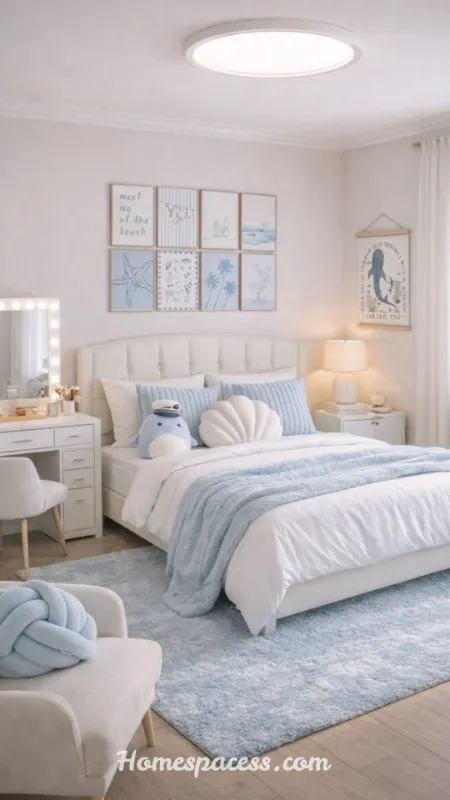
The bed is the single most important piece in any bedroom, and in a beach bedroom it’s your greatest opportunity to set the coastal tone without cliché. A low-profile platform bed in weathered oak, whitewashed pine, or raw teak immediately grounds the space with a seaside warmth.
Avoid overly ornate headboards clean lines and natural wood grain are far more evocative of relaxed coastal living than carved details or upholstered velvet.
If you prefer an upholstered headboard, choose one in sandy linen or sea-glass green with simple, tailored lines. A tall, arched linen headboard has become one of the most-searched bedroom elements of 2026–2027, and works beautifully in a coastal context when kept in neutral or muted ocean tones. The arch subtly echoes wave and shell shapes without being literal this is the level of design intelligence that separates a thoughtfully styled room from a theme-park one.
Bed height also matters more than most guides acknowledge. A lower bed frame (35–45cm floor clearance) creates a relaxed, resort-like feel think Japanese ryokan meets Mediterranean villa. Higher beds, while practical for storage, tend to feel more formal and less coastal. If you need under-bed storage, use natural woven baskets or low wooden drawer units that don’t interrupt the sightline across the floor.
Pro Tip:
Before buying a new bed frame, try temporarily lowering your existing one (if adjustable) or removing the bed legs for a week. A surprising number of people discover that the lower profile completely changes the atmosphere of their room a free experiment before a significant purchase.
Don’t Miss: Garden Party Ideas That Will Wow Every Guest
Use Strategic Greenery and Botanicals to Echo Coastal Nature
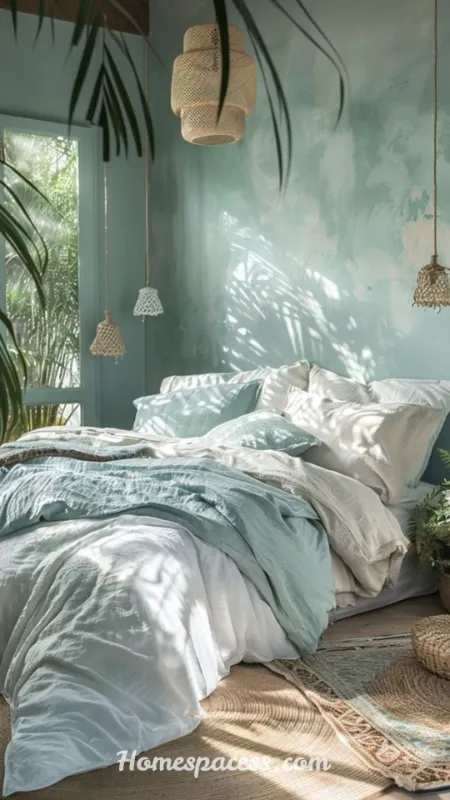
Coastal environments are defined by the boundary between wild nature and open water and that wildness should live in your bedroom too. The right plants don’t just add color; they introduce movement, oxygen, and a living quality that no decorative object can replicate. In a beach-themed bedroom, the most effective botanical choices are those that evoke the flora of actual coastlines: sea grass, coastal natives, and plants with structural, architectural forms.
Trailing pothos or a large bird of paradise in a woven pot anchor a corner beautifully. For lower light bedrooms, snake plants and ZZ plants have the sculptural quality that suits a coastal aesthetic while requiring minimal care.
Avoid overly tropical, colorful plants monstera and banana plants can push the theme toward rainforest rather than shoreline. Restrain yourself to green and silver-green tones to maintain the palette discipline established by your walls and textiles.
Dried botanicals pampas grass, coastal grass, dried eucalyptus are underrated in bedroom styling. They introduce the organic shapes and textures of dunes and scrubland without the watering schedule. Placed in a simple ceramic or terracotta vase, they add height, movement, and a warm honesty that plastic and silk plants fundamentally cannot achieve. Real materials have a quality presence that any interior photographer will tell you is instantly apparent in person.
Pro Tip:
Group plants in odd numbers (3 or 5) at varying heights the asymmetry feels more natural and visually dynamic than symmetrical arrangements. Use a single large statement plant rather than many small ones for a more considered, editorial look.
Keep Reading: Inspiring Yoga Room Ideas to Create Your Perfect Sanctuary at Home
Design a Coastal Gallery Wall That Tells a Real Story
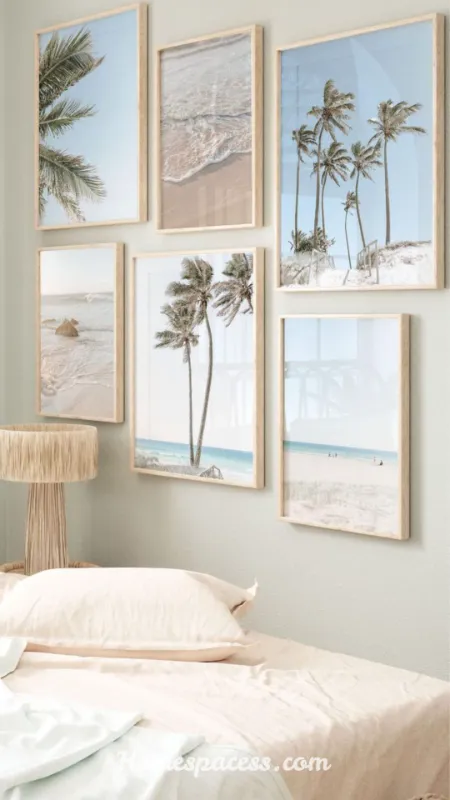
The fastest way to ruin a coastal bedroom décor is a clichéd gallery wall of stock anchor prints and “Life Is Better at the Beach” typography. A well-curated coastal gallery wall instead draws from real geography, personal memory, and quality art. Consider a combination of botanical illustrations of coastal plants, hand-drawn nautical maps, abstract watercolors in ocean tones, and one or two actual photographs from meaningful coastlines whether your own or sourced from independent artists.
Avoid matching frames they create a rigid, mass-produced feel. Instead, mix thin black metal frames with raw wood, light natural oak, and the occasional unframed stretched canvas for a layered, collected-over-time aesthetic.
The frames should recede; the art should speak. Spacing is equally critical: leave more breathing room between pieces than you think necessary coastal spaces breathe, they don’t crowd.
Consider scale intentionally. One large-format piece a 70×90cm abstract wash in deep ocean blue will have ten times the impact of six small prints fighting for attention. Many designers now recommend a “hero piece and supporting cast” approach: one statement artwork that anchors the wall, surrounded by smaller complements at varying heights. This creates visual hierarchy and feels purposeful rather than assembled.
Pro Tip:
Before hammering a single nail, lay your entire gallery wall arrangement on the floor first and live with it for a day. Use painter’s tape on the wall to map out positions. Adjusting is free on the floor; it’s costly and patch-requiring on the wall.
Introduce Ambient Lighting That Mimics Golden Hour

Lighting is the single most underinvested element in most bedrooms and in a beach-themed bedroom, it’s where atmosphere is made or lost. Harsh overhead lighting is antithetical to coastal calm. Real coastal spaces are defined by ambient, layered, warm light the low golden glow of late afternoon sun filtered through salt air. Replicate this with multiple light sources at varying heights: a warm-toned (2700K or below) pendant, bedside table lamps with woven or rattan shades, and floor lighting for depth.
Rattan and woven pendant lights are having a significant design moment in 2026, and they genuinely earn their place in a coastal bedroom they diffuse light in the organic, dappled patterns reminiscent of sunlight through sea grass or palm fronds. Pair with Edison-style bulbs or warm LED equivalents (avoid daylight bulbs they turn any coastal palette cold and clinical). Dimmer switches are non-negotiable; the ability to transition from mid-evening reading light to pre-sleep amber glow is fundamental to both ambiance and sleep hygiene.
For bedside lighting specifically, wall-mounted swing-arm sconces are a sophisticated choice that frees up the nightstand surface while directing light precisely where you need it. In natural brushed brass or matte black, they add an editorial quality to the room while serving a practical function.
Avoid generic drum shade table lamps they’re almost universally too tall, too centred, and too forgettable for a room designed with genuine coastal intention.
Pro Tip:
Install a warm-toned LED strip light behind the headboard or along the floor beneath the bed frame. This “floating” ambient effect creates a hotel-quality warmth that costs very little but dramatically elevates the room’s atmosphere after dark.
Anchor the Floor with Natural Fiber Rugs and Bare Wood
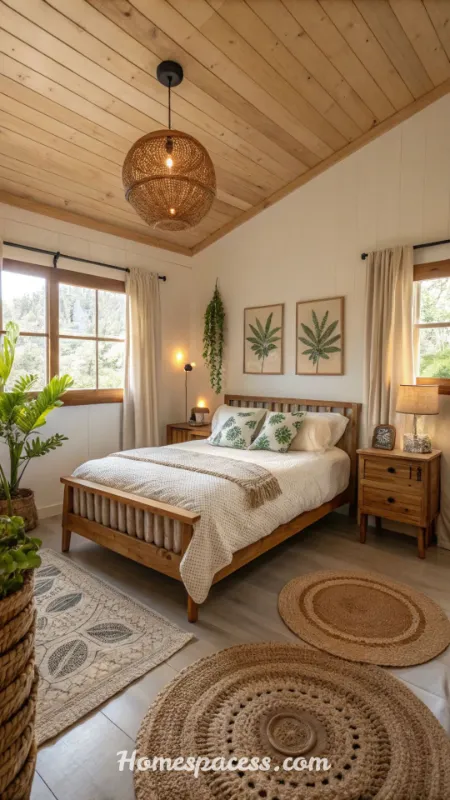
Flooring is the foundation of any beach bedroom interior, and most guides pay it almost no attention. In a coastal space, the ideal flooring is either warm-toned hardwood (light oak, bamboo, or whitewashed pine) or polished concrete both materials common in actual beach houses for their practicality and their aesthetic. If you’re renting or can’t change your flooring, a natural fiber rug in jute, sisal, or seagrass is transformative. These materials have a visual and tactile quality that immediately grounds the coastal narrative.
Seagrass rugs in particular are excellent value they’re durable, sustainably harvested, and their woven texture adds dimension to plain floors. Layer them: a natural fiber base rug beneath a smaller, softer cotton rug at the bedside creates the layered barefoot luxury of a well-designed resort. This two-rug approach is used extensively in hospitality design and is rarely mentioned in consumer-facing décor content.
Leave portions of the natural floor visible don’t cover the entire room with carpet or rug. The interplay between bare wood and natural fiber echoes how sand, pebble, and grass coexist on an actual beach. It also makes the room feel larger, as unbroken flooring is one of the most effective visual space-expanders available to any interior designer working with a fixed room size.
Pro Tip:
Size your rug so all four legs of the bed sit on it a rug that’s too small “floats” in the room and visually shrinks the space. The most common rug mistake in bedrooms is buying one that’s 30–40cm too small in each direction. When in doubt, go larger.
Conclusion
The best beach bedroom ideas share a single quality: they treat the coast as a design language, not a decorating theme. Natural materials, restrained palettes, layered light, and breathing space are the real building blocks of a room that feels like the shore wherever you are.
Design is always an investment in how you feel every day. A well-made coastal bedroom pays dividends in sleep quality, mood, and the quiet pleasure of loving the space you live in.
Start with one change from this guide today a change in your lighting, your bedding, or simply clearing your surfaces. Small, intentional shifts compound into a room that genuinely transforms how you rest.
Advanced Insights: Expert Analysis & Future Perspectives
2026–2027 Trend Analysis: Where Coastal Bedroom Design Is Heading
The dominant shift in beach bedroom trends for 2026 is from “coastal décor” to what designers are calling “coastal wellness design” spaces explicitly engineered for sleep quality, air quality, and psychological restoration.
This is driven by growing consumer awareness of the built environment’s impact on health, combined with a post-pandemic appetite for genuine sanctuary. The result is bedrooms that use coastal aesthetics as a functional framework: natural materials that regulate humidity, color palettes chosen for their measurable calming effects, and layouts optimized for airflow and light.
Biophilic design the formal design discipline that integrates natural systems into built spaces is now strongly influencing coastal bedroom styling. In practice, this means moving beyond decorative plants toward living walls, natural ventilation design, and materials that off-gas nothing harmful. Expect to see more bedrooms featuring stone, clay plaster walls, and untreated timber materials with natural moisture-regulation properties that happen to look spectacularly coastal.
Rising in 2026
Limewash and clay plaster walls replacing standard emulsion paint for organic texture
Peaking Now
Arched linen headboards and curved furniture silhouettes replacing sharp angles
Emerging 2026
Acoustic design elements sound-absorbing textiles and panels entering coastal bedroom styling
Fading Out
Overtly nautical iconography: anchors, ropes, and starfish as decorative elements
For 2027, watch for the “slow coastal” aesthetic a deliberate deceleration from trend-chasing toward durable, handcrafted, emotionally resonant spaces. Think hand-thrown ceramics, hand-woven textiles sourced from coastal artisan communities, and furniture with visible maker marks rather than factory-smooth finishes. This aligns with a broader consumer movement toward provenance knowing where your things come from and what story they carry.
Expert Practical Insights: What Interior Designers Know That Bloggers Don’t
Professional interior designers working in coastal regions share a few insights that rarely appear in listicle-format content. First: restraint is harder than abundance. The impulse to add more coastal elements more shells, more sea glass, more blue — is precisely what amateurs do, and precisely what trained designers resist.
The guiding principle in high-end coastal residential design is “suggestion over statement” the space suggests the coast through material, light, and proportion rather than declaring it through motifs.
Second: humidity management is an unglamorous but essential consideration that dramatically affects how a coastal bedroom feels and how well the materials hold up. Natural materials like rattan and untreated wood are sensitive to humidity fluctuations.
A high-quality, whisper-quiet dehumidifier aesthetically housed or tucked from view extends the life of natural materials significantly and improves air quality in a way that directly benefits sleep. This is the kind of practical insight that separates a beautiful room from a beautiful and liveable room.
Third: scent is the most underused design element in residential spaces. The olfactory sense is hardwired to the emotional and memory centres of the brain more directly than any other sense. A quality diffuser with a thoughtfully chosen coastal scent sea salt, coastal vetiver, or driftwood does more to create the feeling of being near the ocean than any visual element. This isn’t an upsell; it’s legitimate environmental psychology applied to bedroom design.
Sustainability and Long-Term Value in Coastal Bedroom Design
There is a profound irony in designing ocean-inspired bedrooms using materials that harm the ocean. Fast-fashion home décor cheap rattan imitations made from plastic, polyester “linen,” and MDF furniture with formaldehyde-laden finishes creates a coastal aesthetic while actively contributing to the environmental damage that is eroding real coastlines. Sustainable sourcing in beach bedroom design is therefore not just an ethical choice; it’s a design coherence choice.
Natural, sustainably sourced materials also dramatically outlast their synthetic alternatives. High-quality Belgian linen bedding, for example, actually improves with age and can last 15–20 years with proper care compared to 2–3 years for budget polyester sets.
Solid wood furniture, purchased secondhand or from certified sustainable sources, holds its value and can be refinished rather than replaced. The long-term cost calculus strongly favors quality natural materials over cheap synthetic alternatives, despite the higher upfront investment.
For paint, look for low-VOC and natural clay or mineral paints. Beyond being better for indoor air quality, these paints produce the slightly organic, lived-in texture that is extraordinarily difficult to replicate with standard emulsion and is precisely the quality that defines authentic coastal spaces. Brands producing natural clay paints include Edward Bulmer Natural Paint (UK) and ECOS Paints (US/international) both used extensively in high-end coastal residential projects.
Future Innovations: The Coastal Bedroom of 2027 and Beyond
Three converging trends will shape how we design coastal-inspired bedrooms in the coming years. First: circadian lighting technology is moving from smart home enthusiast territory into mainstream accessibility. Systems that automatically adjust color temperature throughout the day mimicking the progression from bright coastal morning light to warm sunset tones to pre-sleep amber will become standard in new builds and affordable retrofit options within 2–3 years.
For a coastal bedroom, this technology is transformative: it essentially recreates the light environment of a day spent at the beach.
Textiles and panels engineered to absorb specific sound frequencies not just general room echo will allow designers to tune a bedroom’s acoustic profile. Given that auditory environment is one of the biggest determinants of sleep quality, coastal bedrooms of the near future may be designed with specific sound absorption profiles that mimic the acoustic signature of low-wave ocean environments (which have measurable parasympathetic nervous system benefits).
Third: AI-assisted material sourcing will make finding genuine, sustainably harvested coastal materials (seagrass, natural sisal, FSC-certified coastal timber) significantly easier and more traceable. Platforms will allow consumers to verify the provenance of their materials directly connecting the beach in your bedroom back to real, protected coastlines. This transparency will become a selling point, not just a compliance checkbox, for the environmentally conscious coastal bedroom market.
Common Mistakes in Coastal Bedroom Design (and How to Avoid Them)
Most beach bedroom décor fails not from a lack of coastal elements, but from a lack of design discipline. These are the mistakes interior professionals see most often and the corrections that immediately elevate a room from “themed” to “designed.”
- Over-theming with nautical motifs: Anchors, ropes, sailor stripes, and starfish are costume elements, not design. Replace with abstract references texture, form, and color that suggest the coast without illustrating it.
- Cold white walls: Cool or blue-toned whites feel clinical, not coastal. Warm whites (with yellow or pink undertones), off-whites, and sandy neutrals are far more evocative and flattering under artificial light.
- Ignoring ceiling height: Low ceilings killed the coastal, open-sky feeling regardless of what’s on the walls. Use vertical elements (tall plants, floor-to-ceiling curtains, vertical art) to draw the eye upward and reclaim perceived height.
- Synthetic materials labeled as natural: Polyester “linen,” plastic rattan, and MDF “wood” not only fail to age gracefully they actively degrade the sensory quality of the room. The touch and smell of fake materials undermines the entire coastal narrative.
- Overcrowding nightstands and surfaces:
Coastal design breathes. Clear your surfaces to the essential few a lamp, one book, one beautiful object. Empty space is a design element, not a gap to be filled. - Mismatched scale: A rug that’s too small, a headboard that’s too narrow for the bed, art that’s too tiny for the wall all are proportion errors that make even beautifully chosen pieces look like afterthoughts. Scale up.

Team Home Spacess shares simple, practical design ideas that work for real families. The team focuses on cozy décor, soft colors, and natural textures that make a space feel truly lived-in. From everyday decorating tips to creative home projects, Team Home Spacess is dedicated to helping readers create warm, comfortable, and inviting spaces with a fresh and personal touch.