

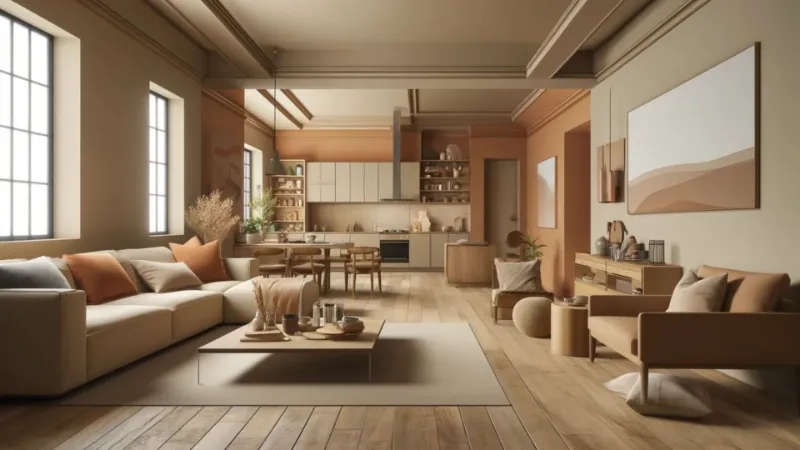
You walk into your living room after a long day, and instead of feeling calm, you feel unfinished. Mismatched furniture. A blank wall. A color scheme that never quite came together. If that sounds familiar, you’re not alone it’s the single most common complaint interior designers hear from homeowners searching for aesthetic living room ideas.
The good news: you don’t need a full renovation or a designer’s budget to fix it. A genuinely aesthetic living room comes down to a handful of deliberate choices color, texture, layout, and light applied consistently rather than randomly. This guide breaks down 8 proven living room decor ideas, backed by real costs, step-by-step execution, and the kind of practical detail most articles skip entirely.
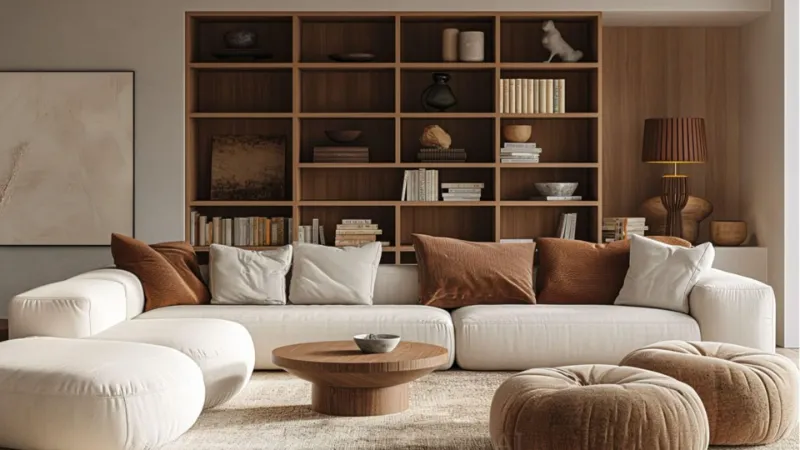
By the end, you’ll have a clear framework for building a cozy living room that photographs well, functions well, and actually feels like you plus the trend data, expert insight, and common mistakes that separate a Pinterest-worthy room from one that just looks like it tried.
Warm Neutral Color Palette
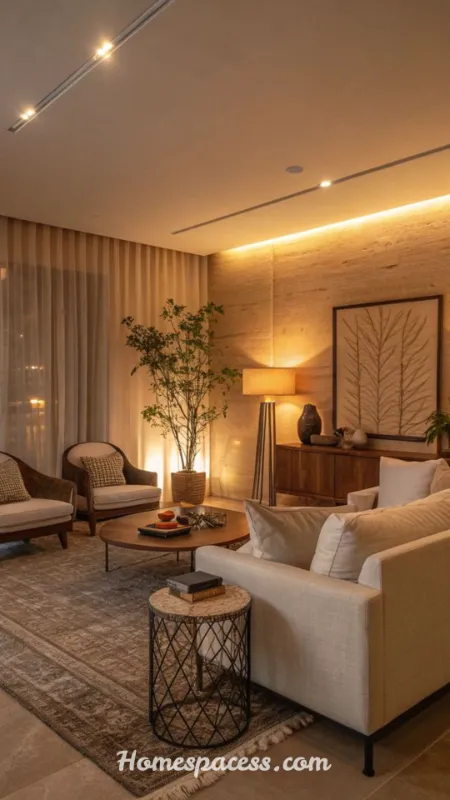
A warm neutral color palette is the fastest route to an aesthetic living room because it does two things at once: it makes the space feel larger and gives every other element furniture, art, textiles room to breathe. Think warm whites, oatmeal, greige, and soft terracotta rather than stark, cold whites.
The mistake most people make is treating ‘neutral’ as one flat shade. A layered neutral scheme uses three to four tones of varying warmth across walls, trim, and furniture, which creates depth without adding a single extra color. This is why designer-styled rooms feel richer than a single-coat paint job, even in photos.
Style note:
pair warm neutrals with matte, not glossy, finishes sheen reads cold even in a warm hue.
Pro tip:
test paint swatches on foam board, not directly on the wall, so you can move them around the room and check them against furniture and light sources before committing.
See Related Articles: 22 Living Room Decor Ideas That Transform Any Space
Layered Textile Styling
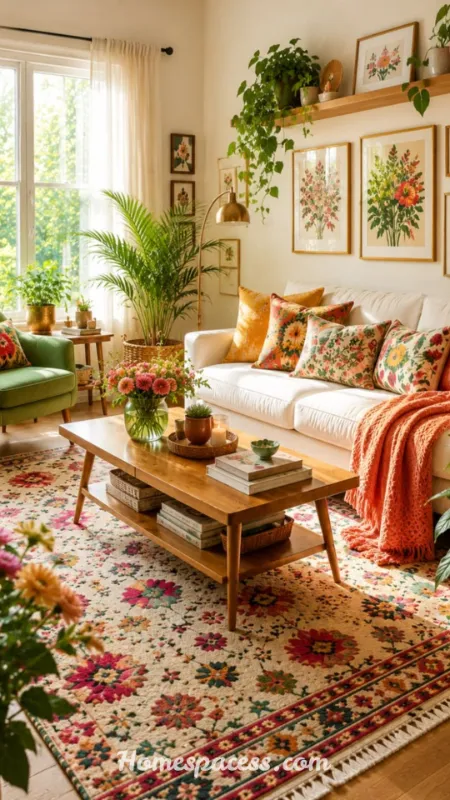
Layered textiles rugs, throws, cushions, and curtains used in combination rather than isolation are what separate a furnished room from a designed one. This is a technique professional stylists rely on constantly, yet it’s rarely explained in beginner guides.
The principle is simple: no single textile should be the only one of its kind in the room. If you have a linen sofa, add a boucle cushion and a wool throw. The contrast in texture (not just color) is what reads as intentional to the eye, even in a photograph.
Style note:
keep patterns to one dominant print per room and let solids do the supporting work.
Pro tip:
Buy cushion inserts one size larger than your covers (e.g., 22-inch insert in a 20-inch cover) for a fuller, more expensive-looking finish.
You May Also Like: Living Room Curtain Ideas for a Cozy and Modern Home Look
Statement Lighting Layers
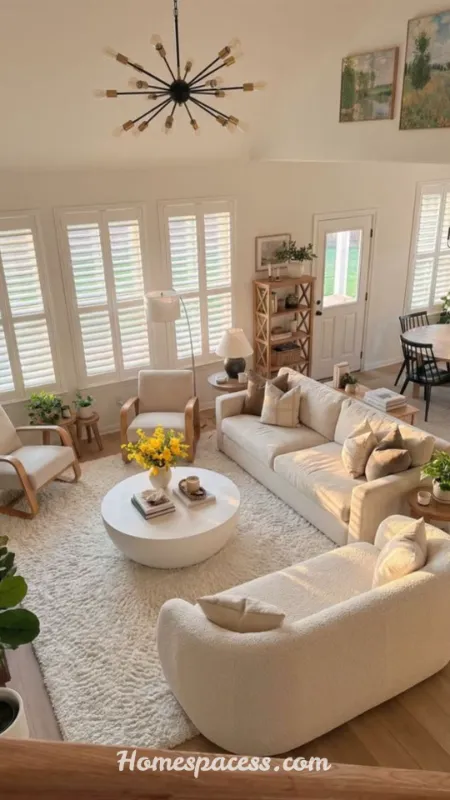
Most living rooms rely on a single overhead fixture, which is precisely why they feel flat and uninviting at night. Layered lighting combining ambient, task, and accent light sources is one of the highest-impact, most overlooked upgrades in residential design.
Designers typically aim for three light sources minimum per seating area: an overhead or ambient source, a task lamp near reading spots, and an accent light (picture light, LED strip, or uplighting) that highlights architecture or art.
Style note:
Mix metal finishes sparingly one warm metal (brass, bronze) and one cool (matte black, nickel) reads as curated, not mismatched.
Pro tip:
Choose bulbs rated 2700K–3000K across every fixture in the room; mismatched color temperatures are the single biggest reason a room looks ‘off’ in photos.
Recommended for You: Stunning Living Room Carpet Ideas: Transform Your Space with Style, Comfort & Expert Insight
Gallery Wall with Mixed Media
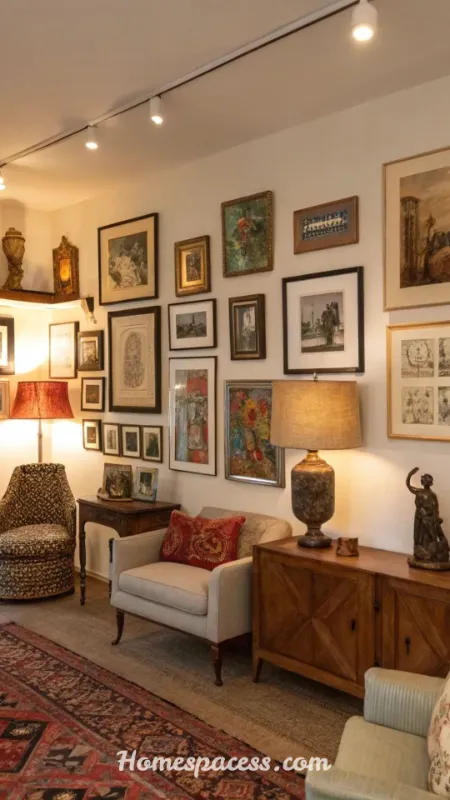
A well-executed gallery wall is one of the most requested aesthetic living room ideas and one of the most frequently botched. The failure point is almost always uniformity: matching frames, evenly spaced grids, and same-size art that reads as a template rather than a curated collection.
A mixed-media gallery wall combines frame sizes, art styles (photography, illustration, textile art, mirrors), and finishes for a result that looks collected over time, not purchased in one trip.
Style note:
Unify mismatched frames with a single spray-paint color if budget is tight it reads as intentional rather than thrifted.
Pro tip:
Photograph your floor layout from above before hanging it’s far easier to spot spacing issues in a photo than in person.
More on This Topic: Round Coffee Table Decor Ideas to Instantly Elevate Your Living Room
Multifunctional Furniture Layout
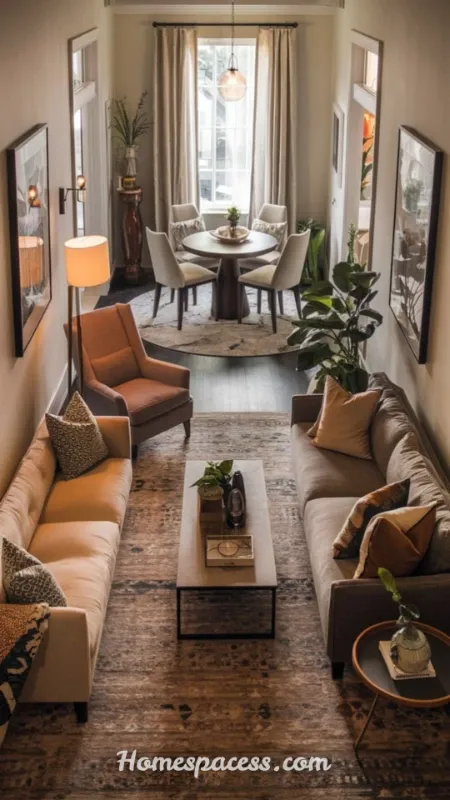
Aesthetic doesn’t mean impractical, and a multifunctional furniture layout is what allows small and mid-size living rooms to look styled instead of cramped. This means choosing pieces that serve two purposes a storage ottoman instead of a coffee table, a console that hides cables, nesting tables that expand for guests.
The layout principle matters as much as the pieces: floating furniture away from walls (even by a few inches) and creating clear traffic paths makes a room feel considered rather than simply filled.
Style note:
Choose furniture legs (exposed wood or metal) over skirted bases in smaller rooms visible legs create an illusion of more floor space.
Pro tip:
Before buying anything, tape out furniture footprints on your floor with painter’s tape to confirm scale and flow before committing.
Explore More: Guest Half Bathroom Ideas: Stylish Designs to Wow Every Visitor
Biophilic Greenery Styling
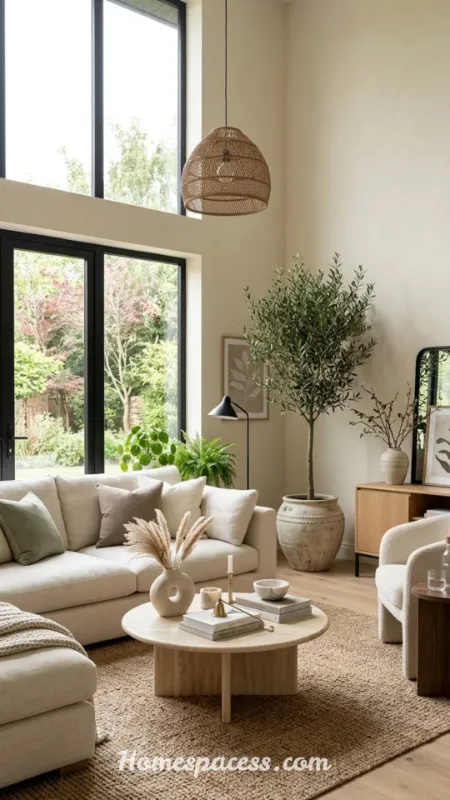
Biophilic design incorporating natural elements like plants, wood, and organic shapes is consistently ranked among the top aesthetic living room ideas in recent design surveys, and for good reason: it’s one of the few upgrades with both visual and measurable wellbeing benefits.
The key is variety in height and leaf shape rather than a single large plant. A floor plant, a shelf trailer, and a tabletop succulent together create a layered, natural feel that a single fiddle-leaf fig alone cannot achieve.
Style note:
Match planter material to your existing textures rattan for boho rooms, ceramic for modern minimalist spaces.
Pro tip:
if natural light is limited, invest in one or two high-quality faux plants for anchor spots modern faux foliage is difficult to distinguish from live plants in photos and requires zero maintenance.
Textured Accent Wall
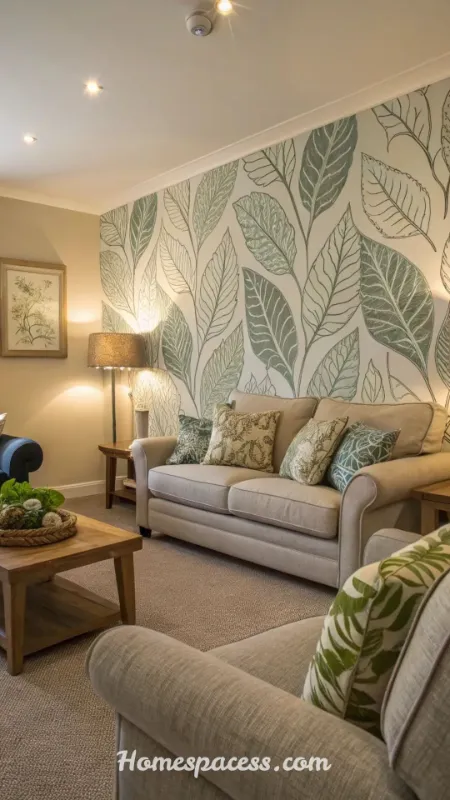
A textured accent wall has overtaken the flat painted accent wall as the leading aesthetic living room trend, driven by renewed interest in tactile, imperfect finishes. Options range from lime wash and microcement to wood slat paneling and even affordable peel-and-stick alternatives.
Unlike a bold paint color, texture adds depth without dating quickly a lime-washed or paneled wall reads as timeless rather than trend-locked, which matters if you’re not planning to redecorate every year.
Style note:
Keep the rest of the room’s palette quiet when using a textured wall it should be the room’s single loudest feature.
Pro tip:
Test lime wash on a poster-board sample first; the color deepens significantly as it cures over 24–48 hours and often looks different from the wet application.
Curated Coffee Table Styling
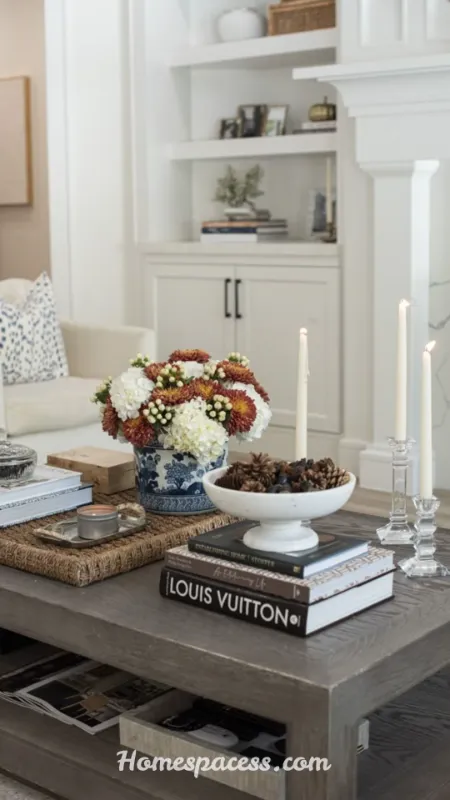
Coffee table styling is a small detail with outsized impact it’s often the first thing the eye lands on in a photograph of an aesthetic living room, and it’s the easiest element to refresh weekly without spending anything.
The professional formula is a rule of three: one stack of books (or a tray), one organic object (a bowl, a small plant, or a candle), and one item with height variation. This avoids both a cluttered surface and an overly sparse, unlived-in one.
Style note:
Match your tray material to your table’s finish (wood-on-wood, metal-on-glass) for visual continuity.
Pro tip:
Swap out the candle or small object seasonally it’s the cheapest, fastest way to keep a static room feeling current.
Final Thoughts
Building an aesthetic living room doesn’t require a full renovation it requires intentional layering: a warm neutral base, textured textiles, layered lighting, and a few well-chosen focal points like a gallery wall or textured accent wall. Start with one or two ideas from this guide rather than all eight at once, and let the room evolve with each small, deliberate change. Whichever idea you try first, the goal is the same: a space that looks considered and feels genuinely like home.
Going Deeper: Trends, Expert Insight & What’s Next
Aesthetic Living Room Trends: What’s Shaping Design This Year and Beyond
This year’s living room design trends show a clear shift away from stark minimalism toward what designers call ‘warm minimalism’ clean layouts softened with texture, curved furniture, and warm neutral palettes. The all-white, ultra-sparse look that dominated the last decade is giving way to rooms that feel considered but still lived-in.
Curved furniture silhouettes, tactile wall finishes like lime wash and microcement, and multi-tonal neutral palettes are the three trends showing the strongest sustained growth across design platforms. Unlike short-lived color-of-the-year trends, these are structural shifts in how rooms are built, which means they’ll influence layouts for several years rather than one season.
Looking ahead, expect continued growth in biophilic design and modular furniture that adapts to smaller urban footprints. As more people work from home part-time, living rooms are increasingly being designed as dual-purpose spaces a shift that favors flexible, multifunctional pieces over single-use statement furniture.
Expert Insights: How Professional Designers Actually Approach a Room
Professional stylists rarely start with furniture they start with a fixed anchor point (a rug, an artwork, or a textile) and build the palette outward from it. This single sequencing change is why DIY rooms often feel disjointed: buying pieces individually, without an anchor, makes cohesion far harder to achieve.
A second overlooked principle is scale before style. A beautifully chosen sofa in the wrong size will undermine every other design choice in the room, while even a modest, correctly-scaled sofa will look intentional. Before selecting colors or decor, measure your space and map furniture footprints a step most guides skip entirely.
Finally, professionals treat lighting temperature as a design element, not an afterthought. A room with a perfect color palette can still look ‘off’ in person and in photos if bulbs range from 2700K to 5000K across different fixtures consistency here does more visual work than most people expect.
Sustainability and Long-Term Value in Living Room Design
An aesthetic living room built for longevity relies on timeless structural choices neutral large furniture, textured natural materials with trend expression reserved for low-cost, easily swapped elements like cushions, throws, and coffee table styling. This approach protects both your budget and the room’s resale appeal over time.
Choosing natural materials (wool rugs, linen textiles, solid wood over veneer) costs more upfront but typically outlasts synthetic alternatives by years, reducing total replacement cost and landfill waste. Secondhand and vintage sourcing for statement pieces a chair, a console, a mirror has also become a mainstream strategy for building character into a room without paying new-retail prices.
From a resale and rental perspective, real estate stagers consistently note that warm neutral, well-lit, clutter-free living rooms photograph better and sell faster than heavily personalized or trend-saturated spaces making the strategies in this guide relevant well beyond personal enjoyment.
Future Predictions: Where Living Room Design Is Headed Next
Smart lighting integration is moving from novelty to baseline expectation, with app-controlled and voice-controlled dimming, color temperature, and scene-setting becoming standard in new fixture lines rather than premium add-ons. Expect layered lighting (covered in Idea #3) to become easier and cheaper to implement over the next few years.
Modular and reconfigurable furniture is also poised for wider adoption as living spaces continue shrinking in urban areas. Sectionals that split into individual chairs, coffee tables that expand into dining surfaces, and wall-mounted storage that doubles as display are likely to move from niche to mainstream.
Finally, expect continued growth in AI-assisted room planning tools that let homeowners visualize color palettes, furniture layouts, and lighting scenarios before purchasing reducing the costly trial-and-error that has historically made living room design intimidating for non-designers.
Common Mistakes That Undermine an Aesthetic Living Room
The most common mistake is chasing individual trendy pieces without a unifying palette a velvet green sofa, a boho rug, and a mid-century lamp can each be beautiful individually while clashing badly together. Choose your palette and material story first, then shop within those constraints.
A second frequent error is undersized rugs a rug that only fits under the coffee table, with furniture legs off it entirely, makes a room look smaller and disconnected rather than grounded. As a rule, front furniture legs should rest on the rug, even in modest-sized rooms.
Finally, many rooms suffer from single-source lighting and low-wattage bulbs that leave corners dark and unusable after sunset. Combined with over-cluttered surfaces (books, remotes, chargers left in view), these two mistakes alone account for most of the gap between an ‘aesthetic’ room and one that simply has nice furniture in it.
Frequently Asked Questions
What makes a living room look aesthetic?
A living room looks aesthetic when its color palette, textures, lighting, and furniture scale are all deliberately coordinated rather than chosen individually. Layered lighting, a cohesive neutral base with one or two accent colors, and correctly sized furniture and rugs are the core drivers.
How much does it cost to redesign a living room aesthetically?
A budget-conscious refresh using paint, textiles, and styling (Ideas #1, #2, and #8) can cost $300–$700. A more comprehensive update including lighting and an accent wall typically ranges from $800–$2,500, depending on materials and whether work is DIY or professionally installed.
What is the most affordable aesthetic living room idea?
Curated coffee table styling and layered textiles are the most affordable options, often achievable for under $150 using items already in the home, combined with a small budget for cushions, a throw, and a tray.
What colors are trending for aesthetic living rooms right now?
Warm neutrals oatmeal, greige, soft terracotta, and warm white are the leading base palette this year, typically paired with one deeper accent tone like olive, rust, or chocolate brown for contrast.

Team Home Spacess shares simple, practical design ideas that work for real families. The team focuses on cozy décor, soft colors, and natural textures that make a space feel truly lived-in. From everyday decorating tips to creative home projects, Team Home Spacess is dedicated to helping readers create warm, comfortable, and inviting spaces with a fresh and personal touch.