

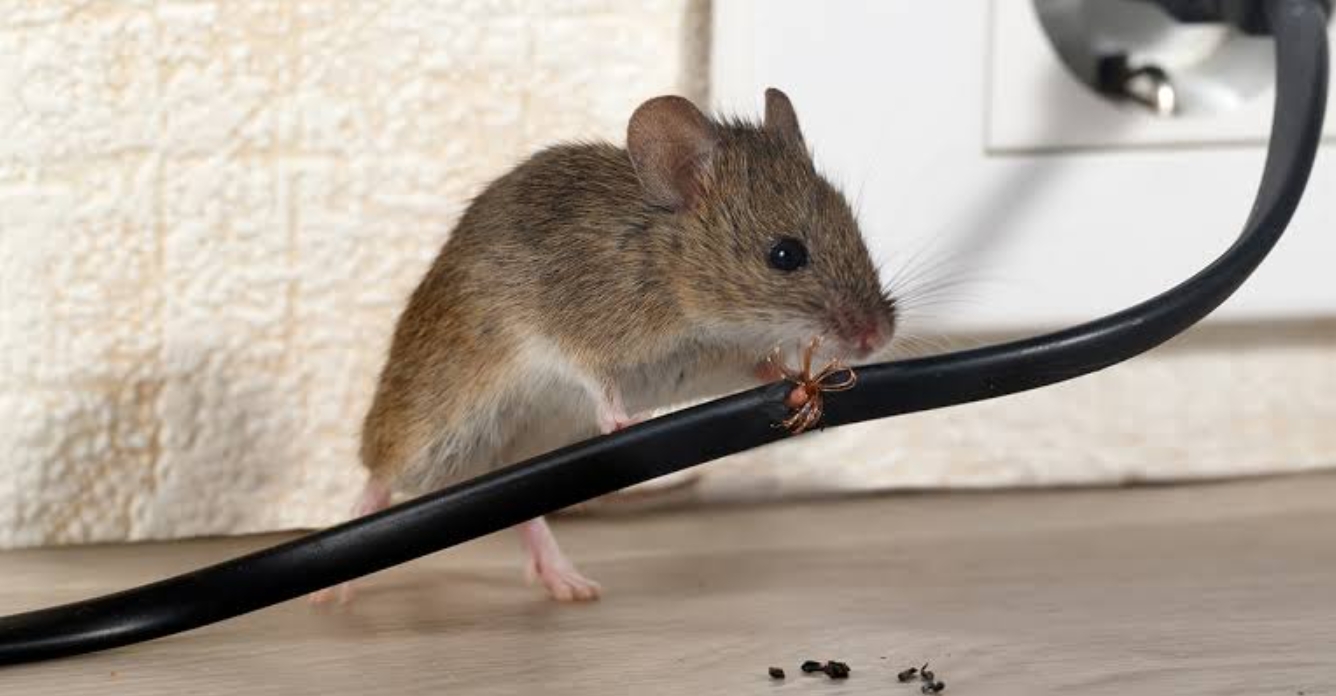
Scratching sounds above the ceiling, damaged food packaging in the pantry, or small droppings inside a garage may be the first indications that rodents have entered a home.
For homeowners in Tyler and surrounding East Texas communities, mice and rats can create problems that extend beyond an unpleasant encounter.
Rodents may contaminate stored food, damage insulation, gnaw electrical wiring, and establish nesting sites in areas that are difficult to inspect.
Although removing the animals is an important part of management, lasting prevention often depends on understanding how they entered the property and why the environment continues to attract them.
Why Rodents Are Attracted to Residential Buildings
Mice and rats seek food, water, shelter, and suitable nesting locations.
Residential buildings can provide these resources throughout the year.
Garages may contain pet food, birdseed, or stored household supplies. Attics offer relatively undisturbed shelter, while kitchens and utility areas provide opportunities to find food and water.
Rodents may also exploit landscaping and outdoor storage around the home.
Dense vegetation, debris piles, accessible garbage, and materials stacked against exterior walls can create sheltered pathways near a building.
Temperature changes sometimes influence rodent movement, but infestations are not exclusively a winter problem.
In East Texas, rodents may remain active around homes in every season, particularly when favorable food and shelter are available.
How Mice and Rats Find Their Way Inside
Rodents do not necessarily need a large, obvious opening to enter a house.
House mice can exploit gaps approximately the width of a pencil, while rats generally require larger openings. Both can enlarge certain gaps through gnawing.
Common access points include:
- Gaps beneath exterior doors and garage thresholds
- Openings around plumbing and electrical lines
- Damaged ventilation screens
- Roofline gaps and deteriorated soffits
- Openings around air-conditioning equipment
- Foundation cracks and poorly sealed structural joints
Different rodent species may use different routes.
Roof rats are skilled climbers and may reach elevated areas using trees, fences, or nearby structures.
Norway rats are more closely associated with ground-level areas and burrowing, although their behavior varies with local conditions.
House mice may establish themselves in garages, kitchens, walls, and storage areas.
Accurate species identification helps determine where inspectors should concentrate their attention.
Recognizing the Early Signs of an Infestation
Many rodent infestations develop before a homeowner sees an animal.
Droppings are among the most common warning signs, especially near food storage areas, walls, and concealed spaces.
Other evidence may include gnaw marks on packaging or structural materials, shredded nesting material, tracks in dusty areas, or scratching sounds in walls and ceilings.
A persistent musky odor may also occur in heavily affected spaces.
However, none of these signs should be interpreted without considering the possibility of other animals.
Squirrels, for example, can also enter attics and produce scratching noises. Their removal may involve different procedures and wildlife regulations.
An inspection should determine which animal is responsible before selecting a control method.
Why Trapping Alone May Not Solve the Problem
Traps can be useful when correctly selected and positioned, but they address only part of rodent management.
If entry routes remain open, additional animals may enter after an initial population has been removed.
Likewise, eliminating rodents without correcting accessible food sources or sheltered nesting locations can leave the property vulnerable to another infestation.
A more complete strategy typically includes identification, population reduction, exclusion, sanitation, and follow-up monitoring.
For homeowners considering pest control in Tyler, TX, an inspection-based approach can help distinguish an isolated rodent encounter from an established problem involving multiple access points.
The objective should be to address the conditions that allowed the infestation to occur, rather than relying only on repeated trapping.
What Does Rodent Exclusion Involve?
Rodent exclusion means physically preventing mice and rats from entering a structure.
The process begins by examining the exterior of the building, including vulnerable openings near the foundation, garage, roofline, and utility connections.
Once the entry routes have been identified and the active animals appropriately managed, repairs can be completed using materials suitable for each location.
Durable metal screening, flashing, and rodent-resistant sealing materials may be used where appropriate.
Ordinary expanding foam by itself may be insufficient in locations where rodents can gnaw through it.
It is important not to block essential ventilation or drainage openings. These may require specially designed pest-resistant guards instead of complete closure.
Exclusion should also be coordinated with active rodent control. Closing all openings prematurely can trap animals inside walls, attics, or other inaccessible areas.
Food Storage and Sanitation Make a Difference
A building with rodent-resistant construction can still experience problems if food and shelter remain readily available.
Several household practices help reduce these opportunities.
Dry foods, birdseed, and pet food should be stored in rigid containers with well-fitting lids.
Kitchen waste should be removed regularly, and outdoor garbage containers should remain closed.
Food spills in garages and storage rooms deserve attention, particularly when bulk supplies are stored there.
Outdoor clutter also matters. Unnecessary piles of cardboard, wood, and discarded materials can provide protected areas where rodents remain close to a building.
Sanitation alone cannot eliminate an established infestation, but it supports other management measures and can reduce the likelihood of reinfestation.
What to Do When Rodents Have Entered the Attic
Attics can offer quiet nesting areas and access to insulation, wiring, and other building materials.
When rodent activity is suspected, the first step should be identifying the animal and evaluating the extent of the problem.
Homeowners should avoid disturbing droppings or nesting material unnecessarily.
The Centers for Disease Control and Prevention recommends using appropriate precautions when cleaning areas contaminated by rodents, including wetting contaminated material with a suitable disinfectant rather than dry sweeping or vacuuming.
Significant contamination, inaccessible nesting areas, or damaged insulation may require professional remediation.
Any electrical damage should be evaluated by a qualified electrician.
After active rodent populations have been addressed, entry points can be repaired and the area monitored for additional activity.
Why Poison-Based DIY Approaches Require Caution
Rodenticides can present hazards to children, pets, and non-target wildlife if they are not used correctly.
Improper placement may also create problems when poisoned animals die in inaccessible areas.
These products should never be treated as a substitute for exclusion and sanitation.
Where rodenticides are necessary, they must be used according to their labels and applicable regulations, with appropriately secured stations and suitable placement.
A qualified pest management professional can help determine whether trapping, baiting, exclusion, or a combination of methods is appropriate for the situation.
Building a More Rodent-Resistant Home
The most sustainable rodent prevention strategy combines building maintenance with routine observation.
Homeowners can check garage seals, inspect accessible utility openings, trim vegetation that provides access to rooflines, and keep food storage areas organized.
After an infestation has been resolved, monitoring is useful for confirming that rodents are no longer active and that exclusion repairs remain intact.
J&J Exterminating outlines several rodent management and exclusion methods, including trapping, baiting, and physical exclusion, for properties experiencing recurring rodent problems.
A mouse or rat sighting may be the first visible warning, but preventing the next infestation requires attention to the building itself and the resources surrounding it.

Team Home Spacess shares simple, practical design ideas that work for real families. The team focuses on cozy décor, soft colors, and natural textures that make a space feel truly lived-in. From everyday decorating tips to creative home projects, Team Home Spacess is dedicated to helping readers create warm, comfortable, and inviting spaces with a fresh and personal touch.