

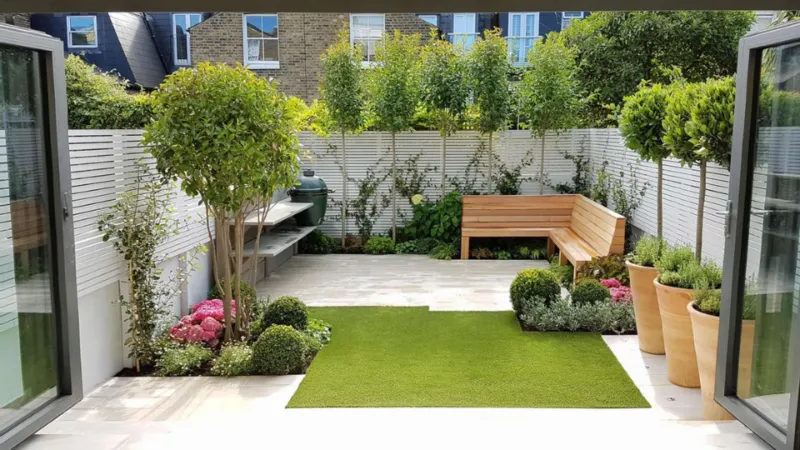
Staring at a plain, unused backyard while scrolling through gorgeous outdoor spaces online is frustrating. You know the potential is there, but turning a bare patch of grass into a space you actually want to spend time in feels overwhelming. Where do you even start?
That’s exactly what this guide solves. Below you’ll find backyard design ideas that work for real homes, real budgets, and real climates not just glossy show gardens. Whether you have a sprawling lot or a modest suburban yard, these outdoor living space concepts are practical, achievable, and built to last.
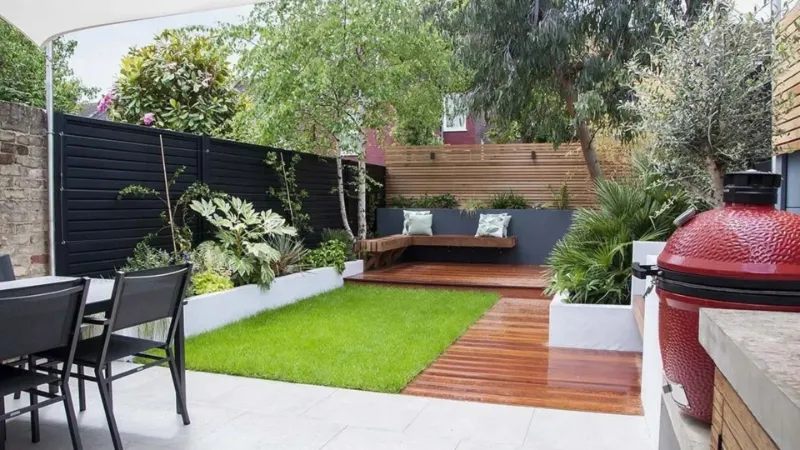
From cozy fire pit areas to low-maintenance native plant landscaping, each idea below includes a Style Note for aesthetic direction and a Pro Tip for real-world execution. By the end, you’ll have a clear, confident plan for your own backyard makeover.
Build a Multi-Zone Outdoor Living Room
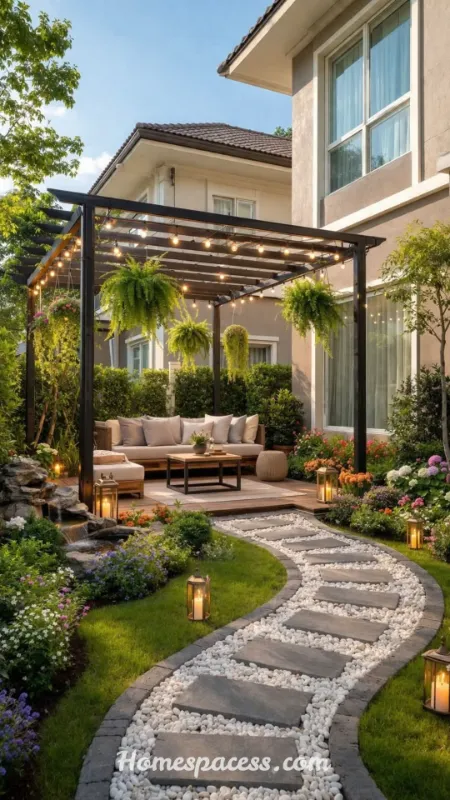
One of the most impactful backyard design ideas is dividing your space into distinct zones a lounge area, a dining spot, and a quiet reading nook. This approach makes even a small backyard feel larger and more intentional, because every corner has a clear purpose instead of blending into empty grass.
Use an outdoor rug, a low retaining wall, or a change in paving material to visually separate each zone without building permanent barriers. A family in a 900-square-foot backyard, for example, created three distinct areas using nothing but gravel paths and planter boxes as dividers no construction required.
Weatherproof sofas, an outdoor coffee table, and layered lighting complete the outdoor living room feel, making the space usable well into the evening.
Style Note:
Stick to a cohesive color palette across all zones two or three neutral tones with one accent color so the yard reads as one designed space, not several disconnected areas.
Pro Tip:
Anchor each zone with a rug rated for outdoor use; it instantly defines the space and hides minor unevenness in gravel or decking.
Explore More: Outdoor Patio Ideas That Turn Any Backyard Into a Relaxing Escape
Add a Fire Pit for Year-Round Gathering
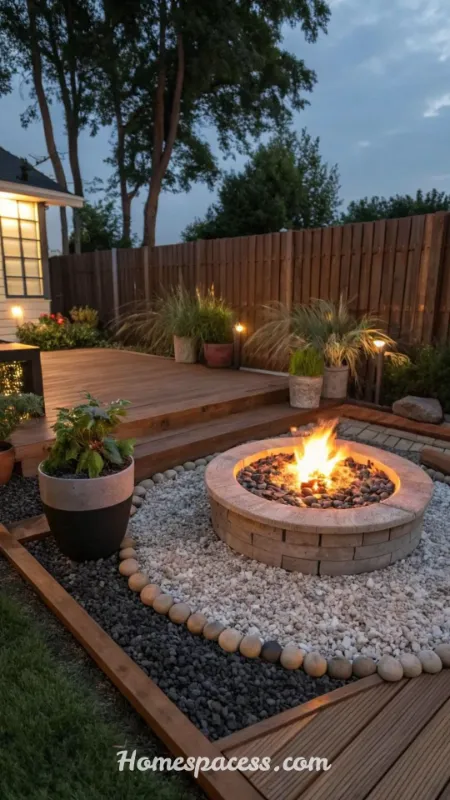
A fire pit remains one of the highest-value additions in modern backyard landscaping, extending usable outdoor time into fall and even winter evenings. It naturally draws people together, making it a favorite feature for entertaining guests or unwinding after work.
Gas fire pits offer instant, smoke-free convenience, while wood-burning versions provide that classic crackling ambiance many homeowners prefer. A couple who added a simple 36-inch gas fire pit table reported using their backyard three to four extra evenings per week once the cooler months arrived.
Surround the pit with built-in or modular seating to create a natural gathering circle that encourages conversation rather than scattered chairs.
Style Note:
Match your fire pit’s material stone, concrete, or corten steel to your home’s exterior finishes for a cohesive, architecturally connected look.
Pro Tip:
Check local fire codes and required clearance distances before installation; many municipalities regulate wood-burning pits near fences or overhangs.
See Related Articles: Simple Outdoor Kitchen Ideas for Easy Backyard Cooking Setup
Install a Vertical Garden Wall
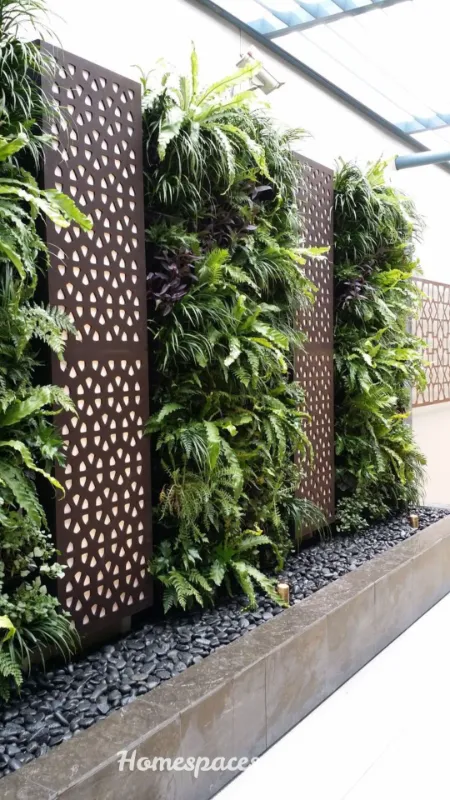
For narrow yards or urban lots, vertical gardens solve a real problem: limited ground space. Wall-mounted planters, modular green wall systems, or simple trellised climbers let you add lush greenery without sacrificing square footage for seating or dining.
This idea works particularly well against blank fences or unattractive utility walls, transforming a visual liability into the backyard’s focal point. One apartment-style backyard used a 6-foot pallet wall planted with herbs and trailing vines to hide an old cinderblock fence entirely within a single growing season.
Vertical structures also improve airflow and reduce pest issues compared to ground-level dense planting, making them a practical as well as decorative choice.
Style Note:
Mix textures trailing vines, upright herbs, and broad-leafed plants for visual depth rather than a flat, uniform green wall.
Pro Tip:
Install a simple drip irrigation line behind vertical planters; hand-watering a wall garden is time-consuming and often uneven.
You May Also Like: Patio Decor Ideas to Upgrade Your Backyard Without Overspending
Create a Pergola-Covered Dining Space
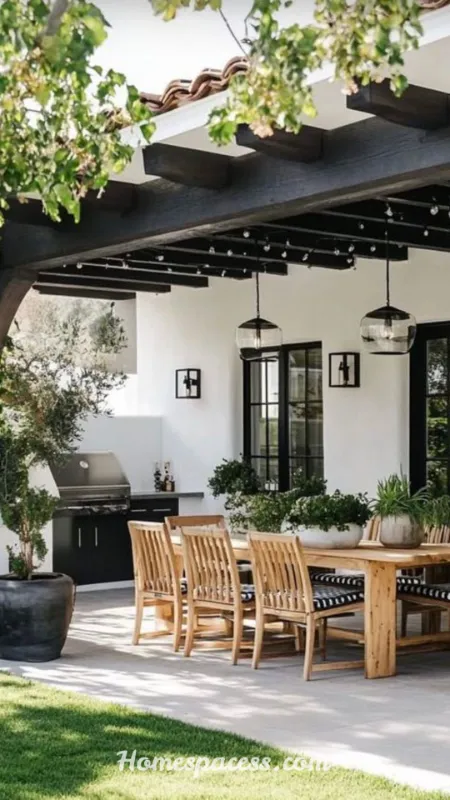
A pergola brings structure and shade to outdoor dining, making meals comfortable even during peak summer sun. It also adds architectural height to a backyard, which is often the missing element in flat, single-level yards.
Pair the pergola with a sturdy dining table, weather-resistant chairs, and string lighting woven through the beams for an inviting evening atmosphere. A family that added a cedar pergola over their existing patio found they hosted dinner outdoors nearly every weekend from spring through early fall.
Retractable canopy attachments give you flexibility to open the space to full sun or close it for shade, depending on the day.
Style Note:
Choose a pergola finish that complements your home’s trim color painted white pergolas suit traditional homes, while natural cedar or black steel fits modern exteriors.
Pro Tip:
Plant a climbing vine like wisteria or clematis at the base of one pergola post for natural shade that thickens each year at no added cost.
Recommended for You: Terrace Design Ideas: 10 Expert Ways To Create Your Perfect Outdoor Space
Use Native Plant Landscaping for Low Maintenance
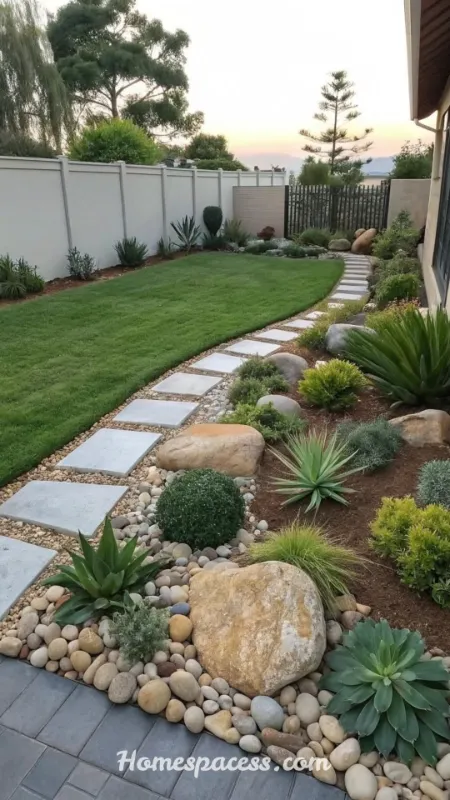
Native plant landscaping is one of the smartest backyard design ideas for anyone tired of constant watering, fertilizing, and pest control. Native species are adapted to your local climate and soil, which means they typically thrive with far less intervention than exotic ornamentals.
Beyond convenience, native gardens support local pollinators like bees and butterflies, adding ecological value alongside visual appeal. A homeowner in a drought-prone region replaced a thirsty lawn with native grasses and wildflowers, cutting outdoor water use by nearly half within the first year.
Grouping plants by water needs a practice called hydrozoning further reduces maintenance and prevents overwatering hardier species.
Style Note:
Layer native plantings by height groundcover in front, mid-size shrubs behind, and taller grasses or small trees at the back to create a naturalistic, professionally designed look.
Pro Tip:
Visit a local native plant nursery rather than a big-box garden center; the selection is better suited to your exact region and often hardier long-term.
Must Read This Article: Apartment Balcony Ideas to Turn Your Tiny Outdoor Space Into a Cozy Retreat
Design an Outdoor Kitchen and Grill Station
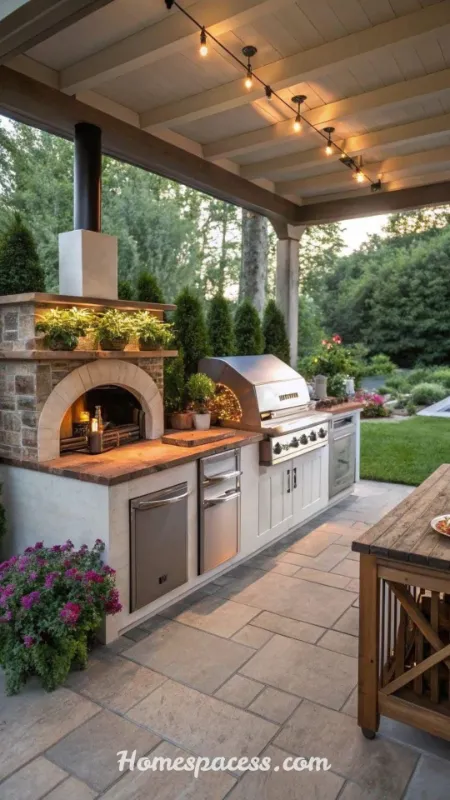
An outdoor kitchen turns casual grilling into a full entertaining experience, keeping cooking, serving, and socializing in one connected space. Even a compact version a built-in grill, small counter, and mini fridge dramatically upgrades how a backyard functions for gatherings.
Durable materials matter here: stainless steel appliances, stone or concrete countertops, and weatherproof cabinetry hold up far better than indoor-grade materials exposed to the elements. A family that added a modest L-shaped outdoor kitchen reported it became their default location for hosting, replacing indoor dinner parties almost entirely.
Position the kitchen near your indoor kitchen when possible; it shortens the walking distance for supplies and simplifies plumbing or electrical runs.
Style Note:
Keep outdoor kitchen finishes consistent with your patio or house exterior matching stone veneer or a shared color scheme prevents the space from looking bolted-on.
Pro Tip:
Add a shaded overhang or pergola above the cooking station so you can grill comfortably even during light rain or intense midday sun.
Add a Water Feature or Small Pond
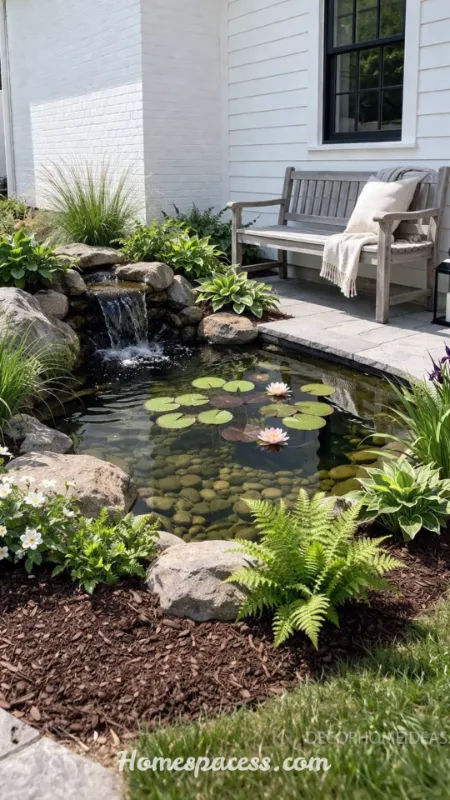
A water feature whether a bubbling fountain, small pond, or sheet waterfall adds sensory richness that static landscaping can’t match. The sound of moving water masks street noise and creates an immediately calming atmosphere, which is why it’s a favorite among backyard landscaping professionals.
Small, self-contained fountains work well for tight budgets and spaces, while a koi pond or naturalistic stream suits larger yards seeking a statement feature. One homeowner installed a compact solar-powered fountain near their patio and noted it became the spot guests gravitated toward at every gathering.
Modern pump systems are energy-efficient and low-maintenance, making water features far more practical today than in decades past.
Style Note:
Position water features where they’re visible from both the seating area and a nearby window, so you enjoy them from indoors and out.
Pro Tip:
Choose a variable-speed pump; it lets you adjust water flow seasonally and reduces energy use during cooler months when full flow isn’t necessary.
Build Raised Garden Beds for Vegetables
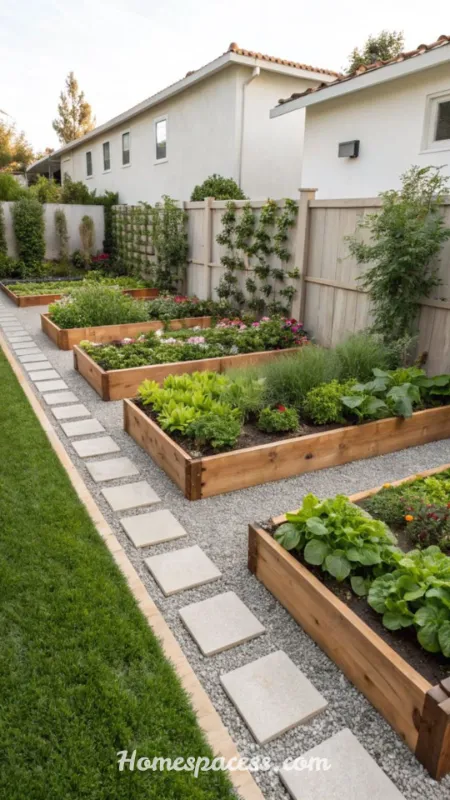
Raised garden beds are a practical, high-reward backyard upgrade for anyone interested in growing their own food. They offer better drainage, warmer soil in spring, and far less bending and kneeling than traditional in-ground plots a real advantage for gardeners of any age.
Cedar and composite lumber resist rot better than standard pine, extending the life of the beds by several years. A suburban family built four 4×8-foot raised beds along a sunny fence line and was harvesting tomatoes, peppers, and herbs within the same growing season.
Beds also make crop rotation and soil amendment simpler, since each section can be managed independently based on what’s planted.
Style Note:
Arrange raised beds in a symmetrical grid with consistent path widths it reads as intentional garden design rather than a random vegetable patch.
Pro Tip:
Line the bottom of each bed with hardware cloth before filling with soil to keep burrowing pests like voles from tunneling in from below.
Create a Cozy Hammock and Shade Garden
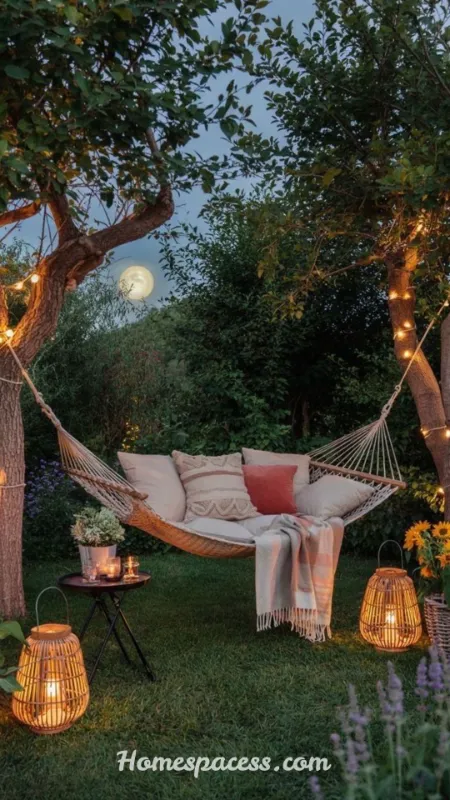
Not every backyard upgrade needs to be elaborate a hammock paired with a small shade garden creates an instantly relaxing retreat with minimal cost or construction. This idea suits yards with a couple of mature trees, or a freestanding hammock stand for yards without natural anchor points.
Underplant the area with shade-tolerant species like hostas, ferns, or hydrangeas to soften the ground beneath and add layered greenery. A homeowner with two aging oak trees turned an unused shady corner into a reading nook simply by adding a hammock, a small side table, and a few potted ferns.
This is one of the lowest-cost backyard design ideas on this list, yet it consistently ranks among the most-used spaces once installed.
Style Note:
Choose a hammock in a neutral or earthy tone rather than bright primary colors, so it blends naturally into a shaded, garden-like setting.
Pro Tip:
Install eye bolts with weight ratings well above your hammock’s stated capacity, especially when hanging between mature trees rather than a rated stand.
Design Pathways and Layered Lighting
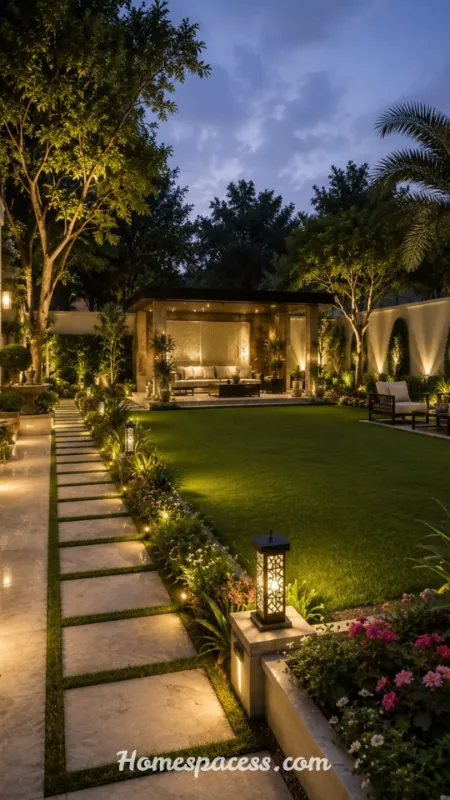
Thoughtful pathway design and outdoor lighting quietly do more for a backyard’s usability than almost any other feature. Clear, well-lit paths guide movement between zones safely after dark and give the entire yard a finished, professional appearance even before other upgrades are added.
Layer lighting at three levels path lights near the ground, string or pergola lights at eye level, and accent uplighting on trees or architectural features. A homeowner who added simple solar path lights along a gravel walkway noted it transformed how often the family used the backyard after sunset.
Curved paths tend to feel more natural and inviting than straight lines, especially in yards with existing trees or garden beds to navigate around.
Style Note:
Use warm white lighting (around 2700K) rather than cool white or blue-toned bulbs warm tones feel more inviting and photograph better for evening entertaining.
Pro Tip:
Space path lights 6 to 8 feet apart in a staggered, zigzag pattern rather than a straight line it creates a softer, more natural glow across the walkway.
Add a Natural Kids’ Play Zone
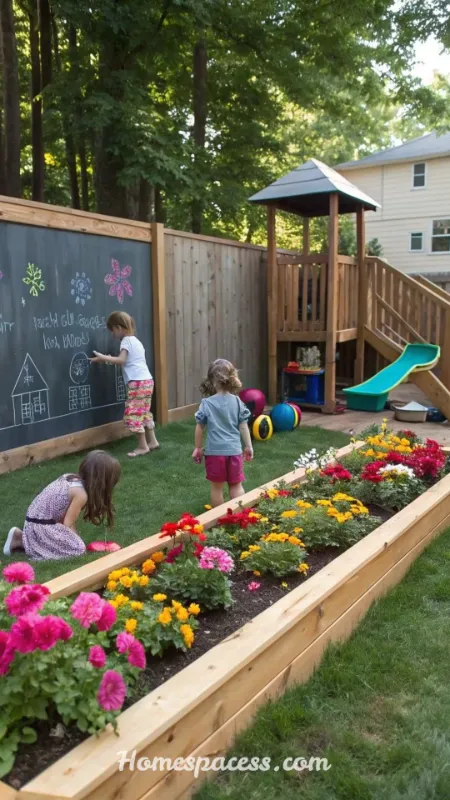
Families with children benefit from a dedicated kids’ play area that blends into the overall backyard landscaping rather than looking like a plastic playset dropped onto the lawn. Natural materials wood climbing structures, sand pits, and mulched safety surfacing age better and look more intentional over time.
Define the play zone with low plantings or a short fence to keep it visually organized and separate from adult lounge areas, without fully isolating it. One family built a simple wooden playhouse and sandbox combo bordered by ornamental grasses, which kept the play area distinct while still fitting the yard’s overall design.
Shade is essential here too a nearby tree, shade sail, or small pergola keeps play areas usable through hot summer afternoons.
Style Note:
Choose natural wood tones and muted colors for play structures instead of bright primary plastics, so the feature ages gracefully alongside the rest of the yard.
Pro Tip:
Use certified playground mulch or rubber safety surfacing under climbing equipment; regular bark mulch compacts quickly and loses its cushioning ability.
Build a Poolside Lounge Retreat
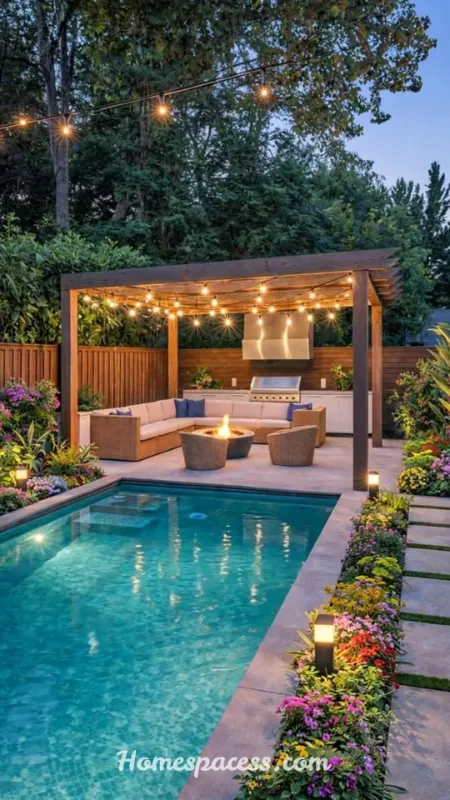
For yards with a pool, thoughtful poolside design turns a simple swimming area into a full resort-style retreat. Comfortable loungers, shade umbrellas, and a defined lounge deck extend the pool’s usefulness well beyond just swimming laps.
Non-slip decking materials like textured concrete or composite decking improve safety, especially for families with young children or older adults using the space. A homeowner who upgraded a plain concrete pool deck with textured pavers and a shaded lounge corner found the pool area became the primary summer gathering spot instead of the indoor living room.
Adding an outdoor shower or foot-rinse station nearby is a small but highly practical touch that keeps indoor floors cleaner all season long.
Style Note:
Keep poolside furniture and umbrellas in a consistent, limited color palette two tones maximum to avoid a cluttered, mismatched look around the water.
Pro Tip:
Choose furniture with quick-dry foam cushions rather than standard foam; they resist mildew and stay comfortable even after sudden rain.
Final Thoughts
These backyard design ideas prove that a beautiful, functional outdoor space doesn’t require a massive budget or a full renovation. From a simple hammock corner to a full outdoor kitchen, small, intentional changes add up to a backyard you’ll genuinely want to spend time in. Pick one or two ideas that fit your space and lifestyle, start there, and let your outdoor living space grow from a solid, well-planned foundation.
Expert Backyard Design Insights
Backyard Design Trends for 2026 and Beyond
In 2026, backyard design trends are shifting noticeably toward multi-functional spaces that work for both daily life and entertaining. Homeowners increasingly want a single backyard to double as a home office extension, a workout area, and an evening loung not three separate spaces, but one flexible zone that adapts throughout the day.
Biophilic design incorporating natural textures, organic shapes, and abundant greenery continues gaining momentum as people seek stress relief from their outdoor environments. Expect to see more curved hardscaping, natural stone, and living walls replacing the sharp, geometric patios that dominated the previous decade.
Smart technology is also entering the backyard in a meaningful way: app-controlled lighting, irrigation systems that adjust to weather forecasts, and weatherproof outdoor speakers are becoming standard rather than luxury add-ons in new backyard landscaping projects.
Expert Insights: Practical Tips for Backyard Design Success
Landscape designers consistently point to one overlooked factor: sightlines. Before adding any feature, walk to your most-used indoor window or doorway and consider what you’ll actually see from there daily. A backyard design that looks great from the yard itself but poor from the kitchen window misses half its daily value.
Budget allocation matters more than most homeowners expect. Experienced designers typically recommend spending roughly 60% of a backyard budget on hardscaping (patios, paths, structures) since these elements are permanent and expensive to redo, reserving the remaining 40% for plants and furnishings that are easier to adjust later.
Phasing a project over one to three seasons, rather than attempting everything at once, consistently produces better results and lower stress. It allows you to live with early changes, learn how you actually use the space, and adjust later phases accordingly instead of guessing everything upfront.
Sustainability and Long-Term Value in Backyard Design
Sustainable backyard design isn’t just an environmental choice it directly affects long-term maintenance costs and resale value. Permeable paving, drought-tolerant plantings, and rainwater collection systems reduce both water bills and runoff, while appraisers and buyers increasingly view these features as genuine value-adds rather than niche preferences.
Choosing durable, regionally appropriate materials pays off over a decade or more. A stone patio installed correctly can outlast three generations of trendy composite decking, and native landscaping that requires no irrigation system saves thousands of dollars in water costs over the years it’s maintained.
Real estate data consistently shows that a well-designed, low-maintenance backyard improves a home’s marketability, particularly for buyers who want outdoor living space without the burden of high upkeep a strong argument for treating backyard investment as strategic, not purely cosmetic.
Future Predictions: Innovations Shaping Backyard Design
Looking ahead, expect backyard landscaping to increasingly incorporate modular, prefabricated elements pergola kits, planter systems, and outdoor kitchen modules that can be installed in days rather than weeks. This shift makes professional-quality design accessible to homeowners who previously couldn’t justify a full custom build.
Climate-responsive design will also become more prominent as extreme weather patterns push homeowners toward shade structures, wind-resistant plantings, and heat-tolerant hardscaping materials designed for higher temperatures than a decade ago. Regions once considered temperate are adopting design strategies previously reserved for desert climates.
Finally, AI-assisted garden planning tools are beginning to help homeowners visualize plant growth over multiple years and predict maintenance needs before installation reducing the costly trial-and-error that has traditionally defined backyard planning.
Common Backyard Design Mistakes to Avoid
The most frequent mistake in backyard design is skipping a plan entirely and buying furniture or plants piece by piece without a unifying layout. This typically results in a mismatched, cluttered space that never quite feels finished, even after significant spending.
Ignoring scale is another common error oversized furniture overwhelms small patios, while undersized pieces get lost in larger yards. Measuring your space and mapping furniture dimensions before purchasing prevents this costly, frustrating mistake.
Finally, many homeowners underestimate maintenance requirements, choosing high-upkeep plants or features that fall into neglect within a year or two. Matching plant choices and features to your realistic time commitment, not just your aesthetic preferences, is essential for a backyard that stays beautiful long-term.

Team Home Spacess shares simple, practical design ideas that work for real families. The team focuses on cozy décor, soft colors, and natural textures that make a space feel truly lived-in. From everyday decorating tips to creative home projects, Team Home Spacess is dedicated to helping readers create warm, comfortable, and inviting spaces with a fresh and personal touch.