

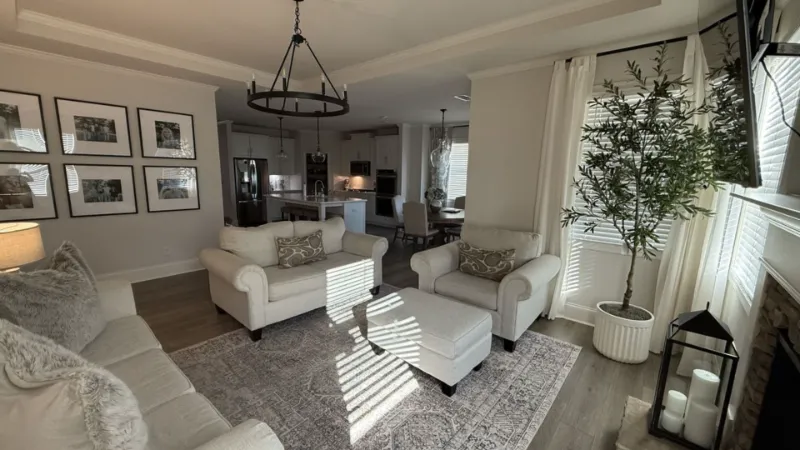
Walk into most sitting rooms and you’ll notice the same problem: a sofa facing a TV, a coffee table in the middle, and not much else. It works, but it doesn’t feel like yours. If you’ve been searching for sitting room ideas that actually transform the space instead of just rearranging furniture, you’re in the right place.
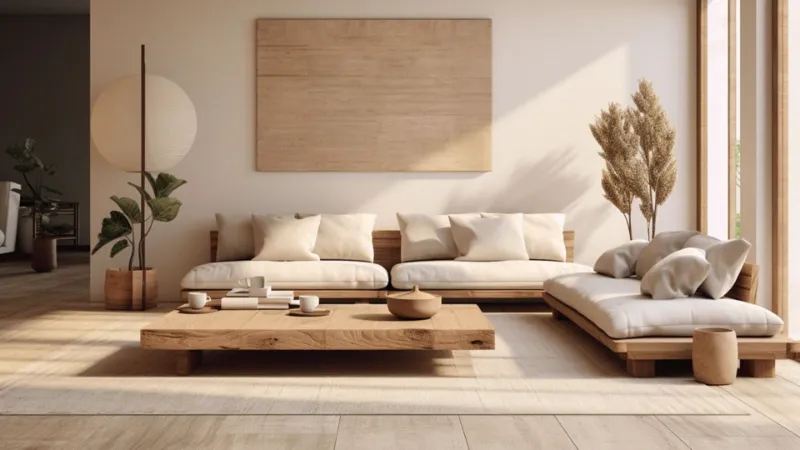
This guide goes beyond generic décor lists. You’ll find ten proven, designer-backed sitting room ideas from layered lighting to biophilic styling each with real-world style notes and pro tips you can use this weekend. Whether you’re working with a small sitting room or a generous open-plan living room, these ideas are practical, budget-aware, and genuinely beautiful. By the end, you’ll have a clear plan for a sitting room design that feels curated, comfortable, and completely your own.
Layered Lighting: The Easiest Way to Transform Any Sitting Room
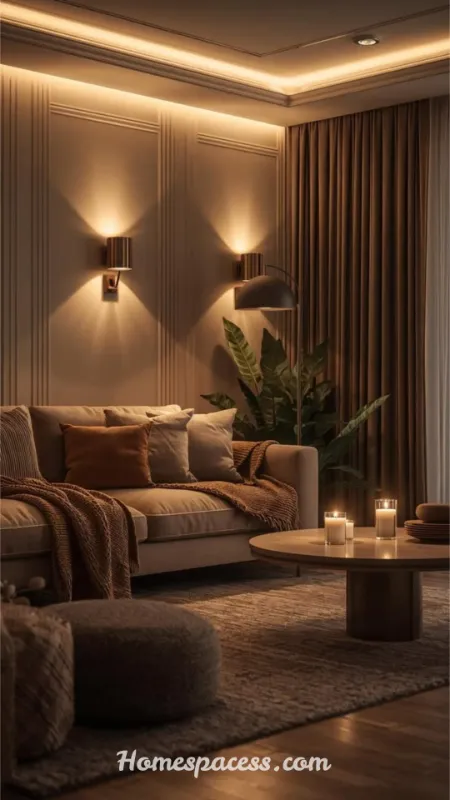
Most sitting rooms rely on a single overhead light, which flattens the space and makes it feel more like a waiting room than a home. Professional sitting room ideas always start with layered lighting: ambient light for general illumination, task lighting for reading, and accent lighting to highlight art or texture. This three-layer approach instantly adds depth and warmth to any living room layout.
Picture a corner sitting room lit by one ceiling fixture. Swap that single source for a floor lamp beside the armchair, a low table lamp on the console, and a small picture light above your favorite print. The same furniture suddenly feels intentional, not accidental and the room reads larger because shadows fall in different places instead of one flat wash.
Style Note:
Choose bulbs between 2700K and 3000K for a warm, inviting glow. Anything cooler than 3500K can make a sitting room feel clinical rather than cozy, no matter how good the furniture looks.
Pro Tip:
Install a simple dimmer switch on your main fixture. It costs under $20 and lets the same sitting room shift from bright and functional by day to soft and relaxed by evening.
See Related Articles: Coffee Table Decor Ideas That Instantly Upgrade Your Living Room Style in 2026
A Bold Accent Wall to Anchor Your Sitting Room
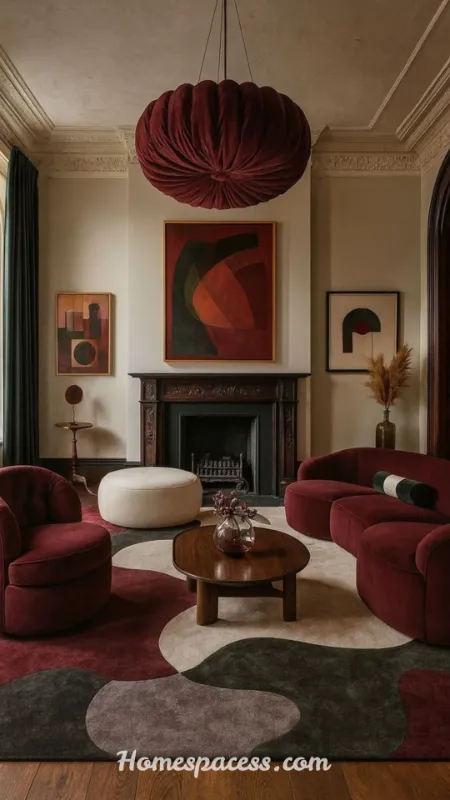
A single accent wall is one of the fastest sitting room ideas for adding personality without committing to a full repaint. Choose the wall your eye lands on first usually behind the sofa or the fireplace and use a deep, saturated color like forest green, terracotta, or charcoal to create a natural focal point.
In one client sitting room, we painted only the chimney breast a deep ink blue and kept the remaining walls soft white. The result anchored the entire room, made the existing furniture stand out, and avoided the boxed-in feeling that often comes with painting four walls the same dark shade.
Style Note:
Stick to one accent wall per room. Two dark walls in a small sitting room can shrink the space visually, while one bold wall against lighter neighbors creates contrast and depth.
Pro Tip:
Test your color in both morning and evening light before committing. A swatch that looks rich at 2 p.m. can turn muddy or harsh under evening lamp light.
You May Also Like: Colorful Living Room Ideas That Instantly Transform a Boring Space Into a Stunning One
Multi-Functional Furniture for Small Sitting Rooms
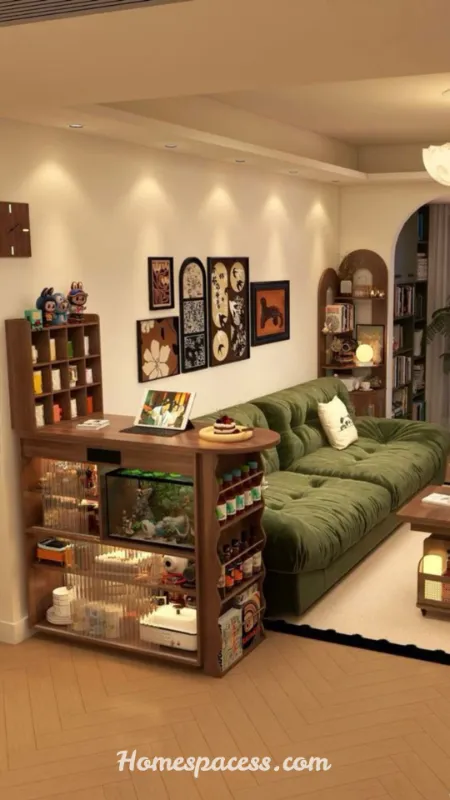
If square footage is tight, multi-functional furniture is the smartest of all sitting room ideas. A storage ottoman doubles as a coffee table and hidden storage for blankets. A daybed works as both seating and an occasional guest bed. Every piece should earn its space by doing more than one job.
A studio apartment we styled used a nesting console table that expanded into a full dining surface, plus an entry bench with a lift-up seat for shoe storage. The small sitting room never felt cluttered because nothing sat there purely for decoration every item had a clear function.
Style Note:
Choose furniture with exposed, slender legs rather than boxy bases. Visible floor space beneath sofas and chairs makes a small sitting room feel more open at the same square footage.
Pro Tip:
Measure your doorway before buying multi-functional pieces. Storage ottomans and sleeper sofas are often bulkier than they look online, and returns on large furniture can be costly.
Recommended for You: Stunning Living Room Carpet Ideas: Transform Your Space with Style, Comfort & Expert Insight
Textured Layering: Rugs, Throws, and Cushions
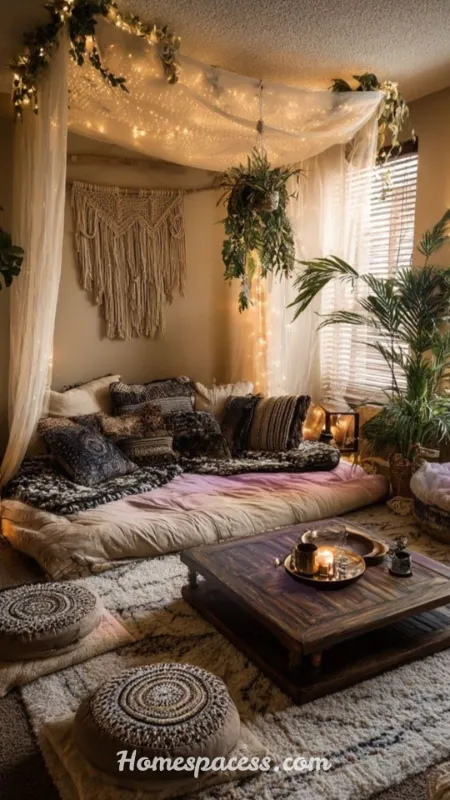
Texture is the difference between a sitting room that looks styled and one that looks staged. Layer a flatweave rug under a plush area rug, mix a linen sofa with a velvet cushion, and add a chunky knit throw. This kind of textured layering brings warmth even into an all-neutral color palette.
In a beige-and-white sitting room we recently completed, the only color came from texture: a bouclé armchair, a jute rug, and a mohair throw. Guests consistently described the room as warm and cozy despite the neutral palette, proving texture does as much emotional work as color.
Style Note:
Mix at least three textures per seating area for example wood, woven fiber, and soft fabric. Fewer than three can feel flat; more than five starts to feel cluttered.
Pro Tip:
Rotate cushion covers seasonally instead of buying new sofas. A $20 set of covers can refresh an entire sitting room for a fraction of a furniture upgrade.
More on This Topic: Living Room Curtain Ideas for a Cozy and Modern Home Look
Built-In Shelving and a Cozy Reading Nook
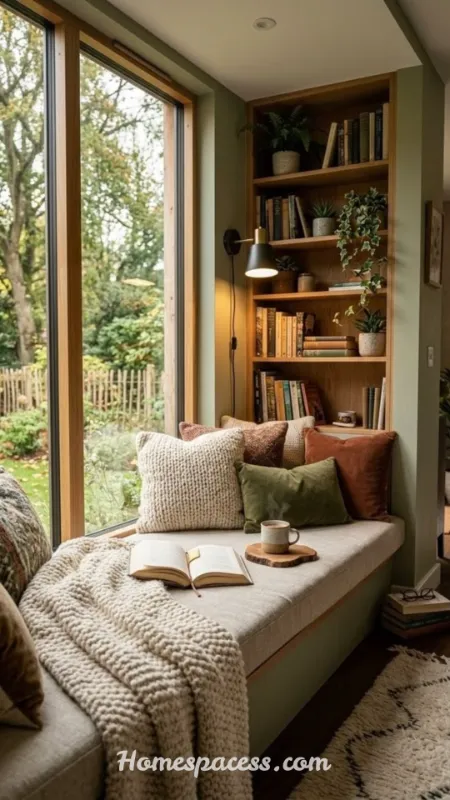
Built-in shelving turns wasted alcoves usually beside a chimney breast or under a window into both storage and a design feature. Pair it with a single armchair, a small side table, and a reading lamp to create a reading nook that gives the sitting room a clear purpose beyond watching TV.
One terrace-house sitting room had two awkward alcoves either side of the fireplace. Built-in shelving filled both, housing books on one side and a hidden drinks cabinet on the other. The reading nook between them became the most-used corner in the house, according to the homeowners themselves.
Style Note:
Leave the bottom shelf or two open and styled loosely, rather than packing every shelf with books. A little negative space makes built-ins look curated, not crammed.
Pro Tip:
Add a picture light or small spotlight above open shelving. It draws the eye upward and makes the sitting room feel taller than its actual ceiling height.
Must Read This Article: 22 Living Room Decor Ideas That Transform Any Space
Color Drenching for a Modern, Monochromatic Sitting Room
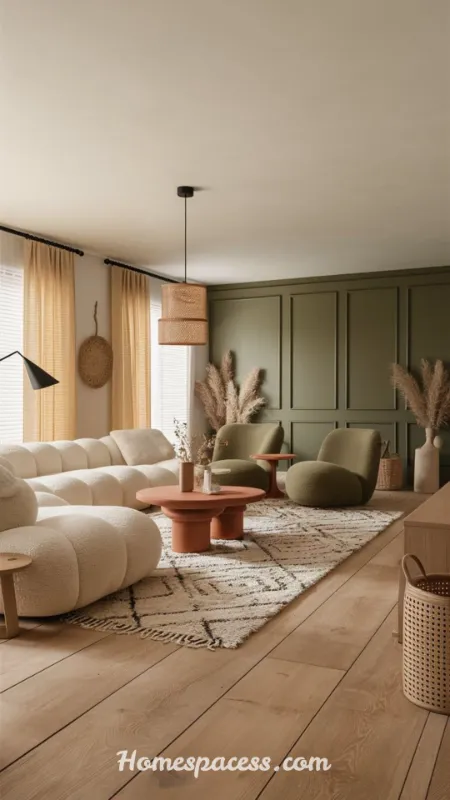
Color drenching painting walls, trim, and ceiling the same shade is one of the most talked-about sitting room ideas in modern interior design. Rather than flattening a room, a single tonal color removes visual breaks between surfaces, making even a small sitting room feel cohesive and intentionally designed.
We drenched a narrow sitting room in a soft sage green, including the ceiling and skirting boards. Visitors consistently overestimated the room’s size by several feet, because their eyes no longer caught on the white trim lines that typically chop a small space into segments.
Style Note:
Use a slightly different sheen on the ceiling than the walls (matt vs. eggshell) within the same color drenching scheme. It keeps the room from feeling like a flat box.
Pro Tip:
Test color drenching with peel-and-stick wallpaper samples on the ceiling first. Ceiling color is the hardest shade to picture from a small paint swatch alone.
See Also Post: Western Bedroom Ideas: 12 Stunning Ways to Create a Rustic Retreat
A Curated Gallery Wall for Personality and Depth
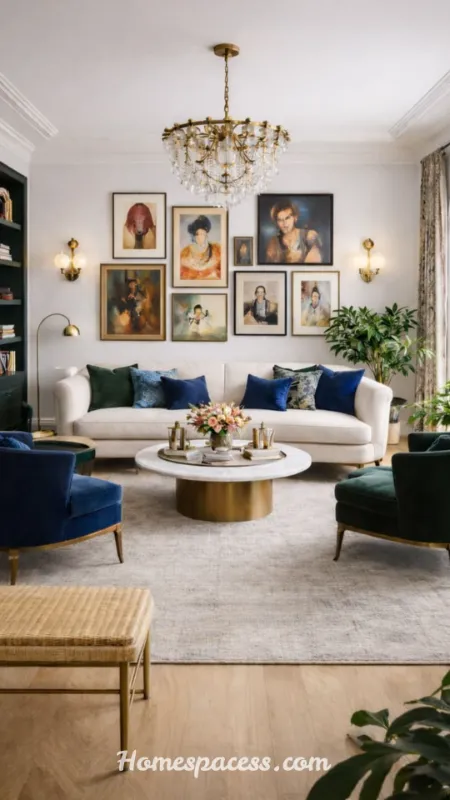
A gallery wall gives a sitting room instant personality and is one of the few sitting room ideas that costs almost nothing if you already own art, photos, or prints. Mix frame sizes and finishes black, wood, gold rather than matching everything, for a collected-over-time look instead of a showroom display.
A family we worked with used thrifted frames around printed travel photos, arranged in a loose grid above the sofa. The total cost was under $80, yet it became the most complimented feature in the entire sitting room, simply because it told a real story instead of showing generic art.
Style Note:
Lay your gallery wall arrangement on the floor first using painter’s tape to mark the wall outline. This avoids extra nail holes and lets you adjust spacing before committing.
Pro Tip:
Keep 2–3 inches between frames and align the bottom row at eye level, roughly 57–60 inches from the floor, for a professional, gallery-style finish.
Biophilic Styling: Bringing the Outdoors Into Your Sitting Room
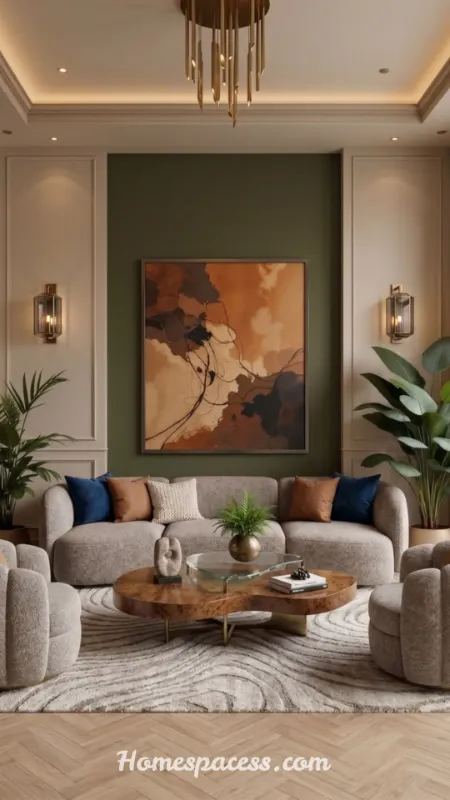
Biophilic design incorporating natural materials, plants, and organic shapes consistently ranks among the top sitting room ideas for improving both aesthetics and wellbeing. Large leafy plants, rattan accents, and natural wood furniture soften hard edges and connect an indoor sitting room to the calming feel of the outdoors.
In a recent project, adding three plants of varying heights a tall fiddle-leaf fig, a trailing pothos, and a low snake plant completely changed the energy of an otherwise sparse sitting room. The homeowner reported feeling noticeably calmer relaxing there in the evenings, a pattern echoed in wellbeing research on biophilic spaces.
Style Note:
Group plants in odd numbers three or five at varying heights rather than scattering single pots evenly. Odd-numbered, varied-height groupings read as intentional rather than incidental.
Pro Tip:
Choose low-maintenance species like pothos, snake plants, or ZZ plants if natural light is limited. A dying plant undermines the cozy effect biophilic styling is meant to create.
Conversation-First Furniture Layout (Zoning Your Space)
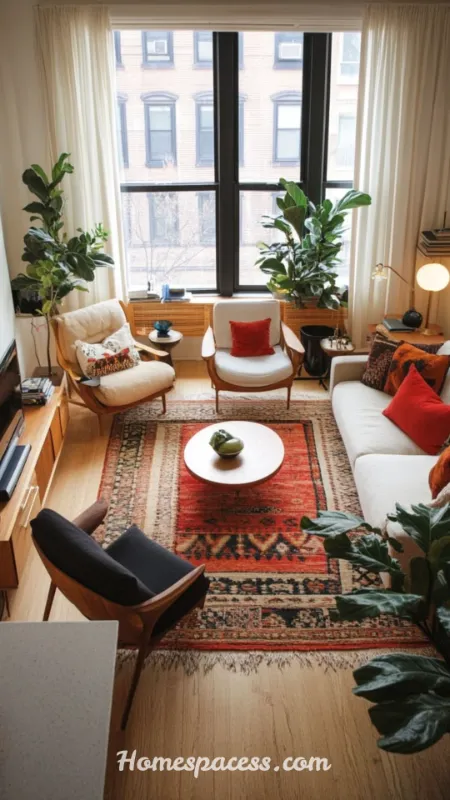
Many sitting rooms default to a TV-facing layout, but a conversation-first furniture layout seats angled toward each other rather than a screen makes the room feel more social and more like a true gathering space. This is one of the most overlooked sitting room ideas, especially in open-plan homes.
We re-zoned an open-plan living and sitting area by floating the sofa away from the wall and adding two armchairs at an angle, creating a defined conversation circle around a rug rather than letting furniture drift toward the TV wall. The change made the same square footage feel like two distinct, purposeful zones.
Style Note:
Keep no more than 8 feet between seats in a conversation grouping. Beyond that distance, people naturally raise their voices or disengage from group conversation.
Pro Tip:
Use a rug to visually anchor each zone in an open-plan space. Furniture legs should sit at least partially on the rug to read as one cohesive seating area.
Mixing Vintage and Heirloom Pieces for an Eclectic Sitting Room
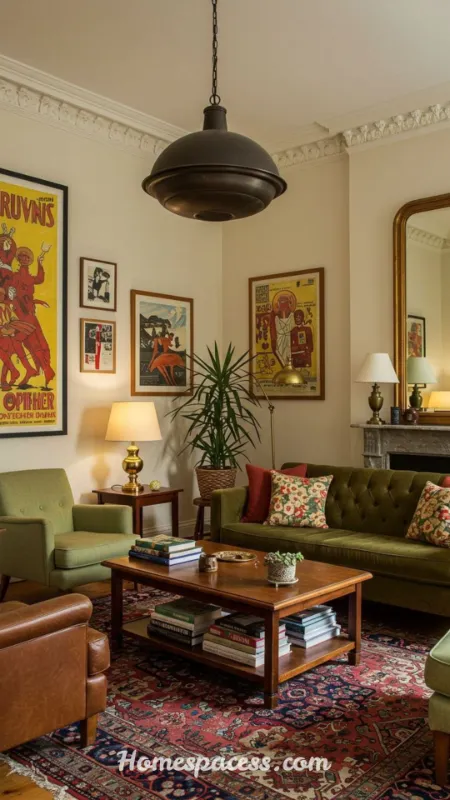
Pairing one or two vintage or heirloom pieces with otherwise modern furniture is one of the most authentic sitting room ideas, because it avoids the showroom-matched look mass-market furniture sets often create. A grandmother’s side table or a flea-market mirror adds history that no new purchase can replicate.
A client’s sitting room paired a brand-new modular sofa with her late father’s mid-century armchair, reupholstered in a contemporary fabric. The mix of old and new gave the room emotional weight and visual interest that a fully new furniture set never could have achieved on its own.
Style Note:
Reupholster, rather than replace, structurally sound vintage pieces. A solid wood frame chair often outlasts new furniture, and reupholstering lets it match a current color palette.
Pro Tip:
Limit vintage mixing to one or two statement pieces per room. Too many competing eras can read as cluttered rather than curated.
Final Thoughts
Great sitting room ideas don’t require a full renovation they require intention. From layered lighting and textured layering to a confident accent wall and a few well-chosen vintage pieces, small, deliberate changes consistently outperform expensive, generic furniture sets.
The sitting rooms that feel most welcoming are rarely the most expensive ones; they’re the most considered ones, where light, texture, and color work together rather than compete. Pick two or three ideas from this guide that fit your space and budget, try them this month, and let your sitting room become the room your whole household actually wants to sit in.
Beyond the Basics: Expert Insight & Future Outlook
Sitting Room Trends for 2026 and Beyond
2026 has pushed sitting room design further toward warmth and individuality after years of stark minimalism. Color drenching, curved furniture silhouettes, and rich textured layering dominate current trends, while flat, all-white sitting rooms are increasingly seen as dated rather than timeless. Comfort-driven design deep sofas, soft lighting, tactile fabrics has firmly replaced the cooler, gallery-style sitting rooms of the early 2020s.
Looking ahead, expect biophilic design to expand beyond houseplants into living walls and small water features, particularly in larger sitting rooms. AI-assisted design tools are also changing how homeowners plan layouts before buying furniture, letting people preview a gallery wall or accent wall virtually before committing budget. By 2027, modular, reconfigurable seating is likely to become mainstream even outside small apartments.
A practical example: a 2026 renovation swapped a stark white, minimalist sitting room for warm putty walls, a bouclé sofa, and rattan accents without changing the floor plan at all. The homeowners reported the room finally felt lived-in rather than showroom-staged, illustrating how today’s sitting room ideas prioritize emotional warmth over rigid minimalism.
Expert Tips for Optimizing Your Sitting Room Layout
Scale is the single most common technical issue in sitting room design. A sofa that’s too large for the room kills walking space; one that’s too small floats awkwardly in the middle. As a rule, leave 30–36 inches of clear walking space around major furniture pieces, and choose a coffee table roughly two-thirds the length of your sofa for visual balance.
In one consultation, a client’s sitting room felt cramped despite generous square footage. The issue wasn’t size it was a sofa pushed flush against the wall facing an oversized sectional, leaving only 18 inches of walkway. Pulling the sofa six inches off the wall and swapping the sectional for two smaller armchairs immediately opened up the furniture layout.
Acoustics are an overlooked factor in sitting room comfort. Hard floors and bare walls create echo, which subtly makes a room feel less relaxing even if it looks beautiful in photos. A large rug, upholstered furniture, and a few books on open shelving absorb sound and noticeably soften the room’s atmosphere.
Sustainability and Long-Term Value in Sitting Room Design
Sustainable sitting room design isn’t just an ethical choice it’s a financial one. A solid hardwood-frame sofa reupholstered every 8–10 years often costs less over two decades than replacing a fast-furniture sofa every three to four years, while also keeping usable furniture out of landfill. Natural fiber rugs jute, wool, sisal similarly outlast synthetic equivalents by years.
Think in terms of cost-per-use rather than upfront price. A $1,200 well-made armchair used daily for 15 years costs roughly 22 cents per day. A $300 fast-furniture chair replaced every two years costs closer to 41 cents per day once replacement and disposal are factored in making the ‘expensive’ option the genuinely cheaper one long-term.
Low-VOC paints and FSC-certified wood furniture are increasingly available at mainstream price points, removing the old trade-off between sustainable choices and affordable sitting room decor. Choosing these options also tends to mean better indoor air quality, a benefit that’s easy to overlook but genuinely affects day-to-day comfort in the room you likely spend the most time in.
Future Innovations Shaping Sitting Room Design
Smart lighting is moving beyond simple app control toward circadian systems that automatically shift color temperature throughout the day warmer in the evening, brighter and cooler in the morning without manual adjustment. Expect this to become a standard sitting room idea in new-build homes within the next few years, much like smart thermostats did a decade ago.
Furniture innovation is also accelerating. Modular sofas with interchangeable covers, built-in wireless charging panels in side tables, and recycled-ocean-plastic upholstery fabrics are moving from boutique brands into mainstream retailers. These innovations let a sitting room adapt to changing needs a growing family, a new pet, a shift to remote work without a full furniture replacement.
AI-assisted design tools are starting to let homeowners upload a photo of their actual sitting room and preview an accent wall, new rug, or furniture layout before spending a cent. This shifts sitting room planning from guesswork to a far more confident, visual decision-making process, particularly useful for renters who can’t make permanent changes.
Common Mistakes to Avoid in Sitting Room Design
The most common sitting room mistake is buying a rug too small for the space. A rug should be large enough for at least the front legs of every major piece of furniture to sit on it; anything smaller makes the seating area look like it’s floating in the middle of the room rather than grounded within it.
Another frequent error is buying an entire matching furniture set from one store. It’s convenient, but it often results in a sitting room that looks like a showroom rather than a home. Mixing at least one or two pieces from a different source vintage, handmade, or simply a different brand instantly makes the space feel more personal.
Finally, many homeowners default to cool white bulbs because they’re brighter, not realizing this single choice can make an otherwise well-designed sitting room feel sterile. Pairing the wrong color temperature with warm wall colors and soft furnishings creates a mismatch that’s hard to pinpoint but easy to feel revisit the lighting layer covered earlier if your finished room doesn’t feel as cozy as planned.

Team Home Spacess shares simple, practical design ideas that work for real families. The team focuses on cozy décor, soft colors, and natural textures that make a space feel truly lived-in. From everyday decorating tips to creative home projects, Team Home Spacess is dedicated to helping readers create warm, comfortable, and inviting spaces with a fresh and personal touch.