

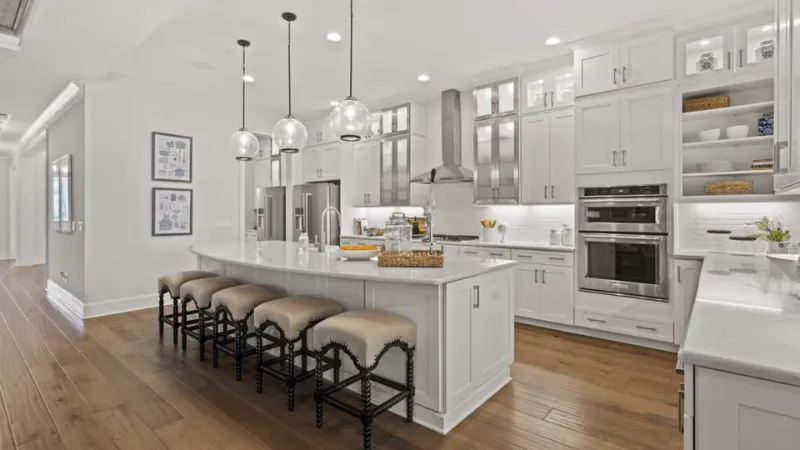
Most homeowners redesign their kitchen and still feel something is off there’s not enough counter space, nowhere to sit, no natural gathering point. The culprit is almost always the missing kitchen island. A well-designed island kitchen doesn’t just add surface area; it reshapes how your entire family lives, cooks, and connects.
In 2026, kitchen island ideas have evolved far beyond a slab of granite on four legs. Today’s modern kitchen islands are multifunctional masterpieces housing appliances, charging stations, hidden storage, and even smart home hubs. Whether you’re working with a compact galley or a sprawling open-plan space, the right island kitchen design can be the single biggest upgrade you make to your home’s functionality and resale value.
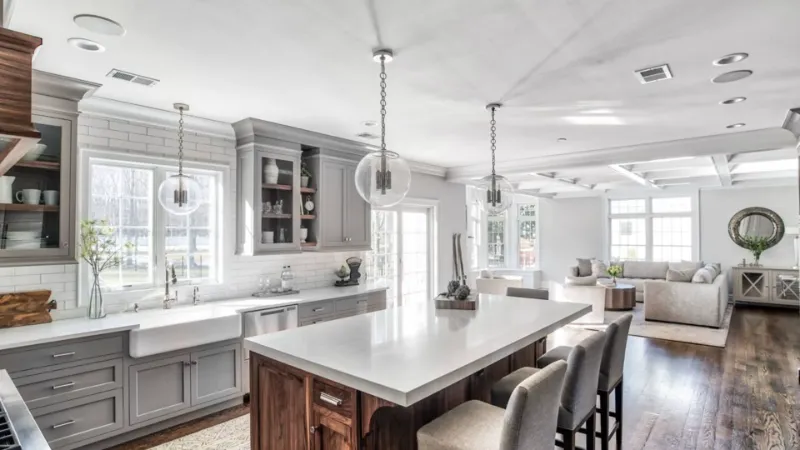
This guide covers 13 powerful island kitchen ideas, from budget-friendly DIY approaches to high-end luxury concepts, with expert insights, trend forecasts, and practical tips that most interior design blogs skip entirely.
The Waterfall Island: Luxury That Speaks for Itself
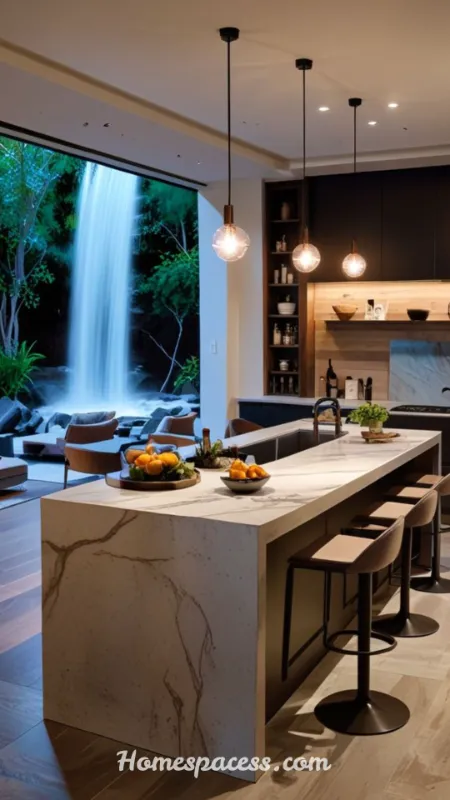
The waterfall kitchen island where the countertop material flows continuously down the sides to the floor remains one of the most striking kitchen island designs in contemporary homes. In 2026, designers are pushing this concept further by using bookmatched stone slabs, where veining on the top and sides mirror each other perfectly, creating an almost sculptural effect that becomes the room’s focal point.
What most guides fail to mention is that the waterfall edge also serves a functional purpose: it protects cabinet sides from dents and scratches, particularly in homes with children or heavy foot traffic. It also makes the island appear more architecturally permanent less like furniture and more like a built-in structure, which directly impacts home resale value. Materials like Calacatta marble, quartzite, and sintered stone (such as Dekton or Lapitec) are the top choices for 2026.
Pro Tip:
If you love the waterfall look but have a tight budget, use a premium stone slab only for the waterfall sides and opt for a complementary (less expensive) material for the main countertop surface. From most sightlines, the effect is identical.
See Related Articles: Best Spice Racks Ideas to Transform Your Kitchen Storage
The Double-Tier Island: Function Stacked on Function
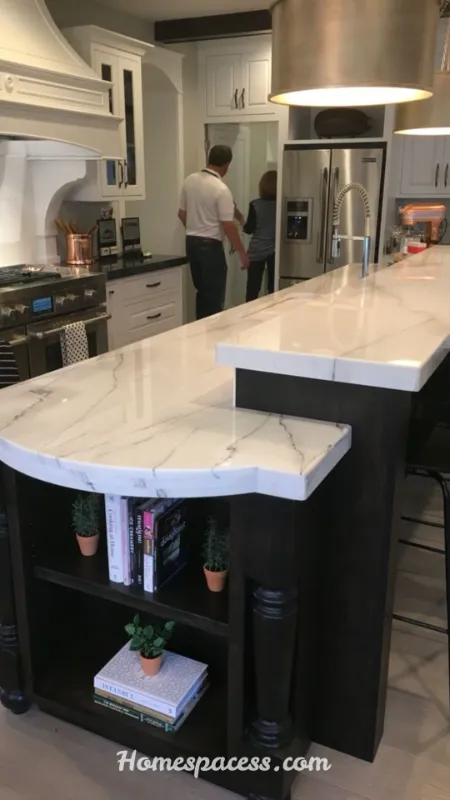
A double-level kitchen island solves one of the most common problems in open-plan living: the clash between the cook’s workspace and the social space. The lower tier (typically at standard countertop height of 36 inches) serves as the prep area, while the raised section (at bar height, 42–45 inches) creates a natural breakfast bar or casual dining zone that hides kitchen mess from guests in the adjacent living room.
This design is especially effective in L-shaped kitchens and open-concept homes, where the island serves as both a functional workstation and an architectural divider between zones. The psychological effect is powerful guests seated at the bar feel included in the cooking conversation without being in the work zone. In 2026, integrated LED lighting beneath the upper tier is a growing trend, casting a warm ambient glow that makes the island feel like a restaurant-quality experience.
Pro Tip:
When planning a double-tier island, ensure the raised section doesn’t block natural light paths from windows into your main kitchen area. A transparent material like tempered glass for the upper riser panel can preserve light flow while maintaining the visual separation.
You May Also Like: Kitchen Lighting Ideas to Create a Cozy and Modern Cooking Space
The Prep Island with Built-In Sink: The Chef’s Command Center
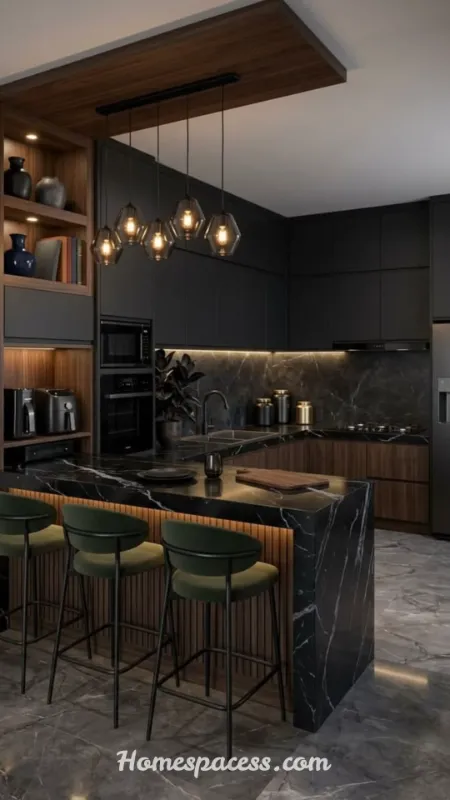
A kitchen island with a sink transforms how you cook. Instead of constantly pivoting between a wall-mounted sink and the prep area, everything happens in one zone. For serious home cooks, this is arguably the single most impactful upgrade a kitchen island can deliver. The most popular configurations in 2026 include undermount single-basin sinks (for maximum prep surface visibility), workstation sinks with integrated cutting boards and colanders, and farmhouse-style apron front sinks for a warmer aesthetic.
Plumbing logistics are the most frequently overlooked challenge. If your island is not positioned over a basement or crawl space, running drain lines at the required slope (1/4 inch per foot) can require either raised flooring or a sink macerator pump a detail most renovation articles fail to address upfront. Budget an additional $500–$1,500 for plumbing rough-in beyond standard island costs, and always consult a licensed plumber before finalizing your island footprint.
Pro Tip:
Position your island sink on the side closest to your main refrigerator. This creates the classic kitchen work triangle refrigerator, sink, stove in its most efficient configuration, reducing total steps during meal prep by up to 30%.
Recommended for You: Kitchen Nook Ideas: Transform Dead Corners Into Cozy, Functional Spaces
The Seating Island: Where Family Life Actually Happens
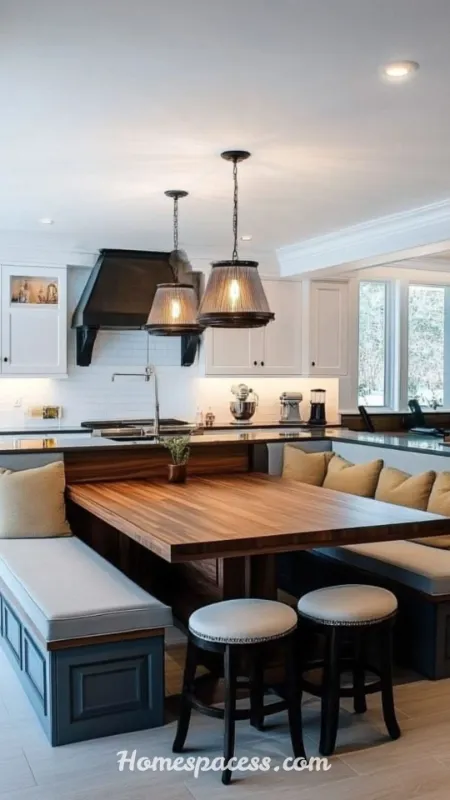
In user experience research across kitchen design, the kitchen island with seating consistently ranks as the top-desired feature for families with children. It’s not just a place to eat it’s where homework happens, where teens talk while you cook, where guests linger over coffee. Designing this zone correctly requires understanding ergonomics before aesthetics.
Standard stool height for a 36-inch countertop island is 24–26 inches. For a bar-height island at 42 inches, you need 28–30 inch stools. A mistake many homeowners make is purchasing stools before the island is built, then discovering a 2-inch mismatch that makes seating uncomfortable. Also consider knee clearance: you need at least 12 inches of overhang for comfortable seating, with 15 inches being ideal. Islands under 4 feet wide often can’t provide this on both sides simultaneously choose one seating side intentionally.
Pro Tip:
In households with children of different ages, consider adjustable-height stools or a mixed approach fixed-height seating on one side for adults and a lower step-ledge or bench on the opposite side for younger kids.
More on This Topic: Kitchen Decor Ideas That Transform an Ordinary Kitchen Into a Space You Actually Love
The Butcher Block Island: Warmth, Character, and Real Performance
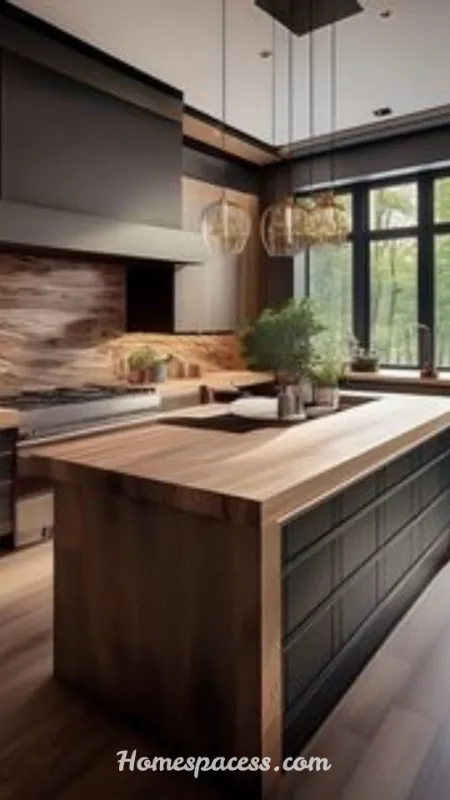
Butcher block kitchen islands are experiencing a major resurgence in 2026, driven by the broader interior design shift toward organic materials, natural textures, and the rejection of overly clinical, all-white kitchens. Unlike stone, butcher block particularly end-grain maple or walnut has a living quality: it can be sanded and re-oiled when scratched, making it arguably more forgiving over a long lifespan than marble, which etches permanently with acidic foods.
The persistent myth that butcher block is “too high-maintenance” keeps many homeowners from choosing it. In reality, a properly sealed and annually oiled butcher block surface requires no more effort than descaling a stone countertop. The key is using food-safe mineral oil (not olive or vegetable oil, which turns rancid) and applying it every 3–6 months. End-grain orientation also provides natural antimicrobial properties, as the wood’s cellular structure resists bacteria penetration more effectively than face-grain cuts.
Pro Tip:
Use butcher block on one section of a mixed-material island for example, on the prep side while using quartz or granite on the seating overhang. This gives you a dedicated, forgiving cutting surface without committing the entire island to wood maintenance.
Related Articles: Small Kitchen Ideas: 18 Expert Transformations That Actually Work
The Minimalist Floating Island: Small Kitchens’ Secret Weapon
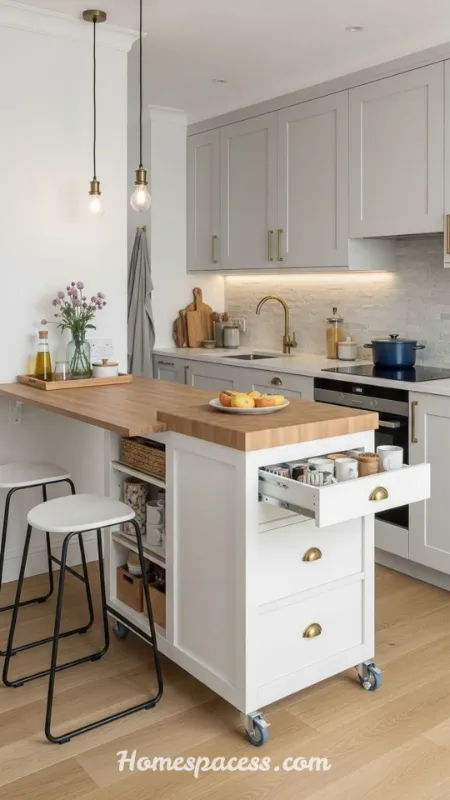
The floating kitchen island often a freestanding unit on casters or a slim fixed structure with no lower cabinetry beneath is the smartest solution for kitchens under 150 square feet. It preserves visual openness, allows flexible floor traffic flow, and can be repositioned for entertaining. In 2026, Japandi-influenced minimalist islands with clean wood surfaces, integrated handles, and monochrome palettes are defining the aesthetic direction for small-space kitchen design.
What sets a great floating island apart from a generic cart is proportion and intentionality. A floating island should be no more than 24 inches wide in a small kitchen to allow 42 inches of clearance on at least two sides (the NKBA-recommended minimum). The best versions incorporate open shelving on one or two sides rather than enclosed cabinets, which maintains the visual lightness that makes small kitchens feel larger. Integrating a butcher block or solid wood top adds warmth without visual weight.
Pro Tip:
In rental properties or temporary living situations, a high-quality freestanding kitchen island on locking casters is a smart investment because it moves with you. Look for models with at least 4-inch solid rubber wheels that won’t scratch hardwood floors.
Reader Favorites post: Bathroom Towel Hanging Ideas to Transform Your Space
The Two-Tone Island: A Designer Trick That Instantly Modernizes
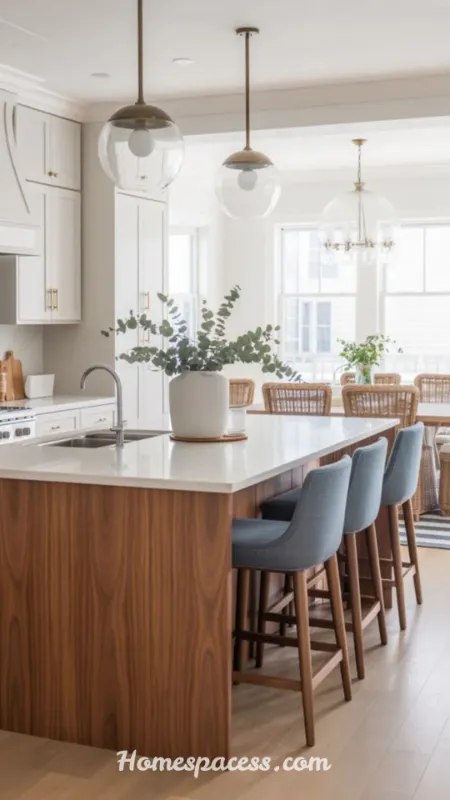
Using a different color or material on your island versus your perimeter cabinets is one of the highest-impact, most cost-effective design moves in kitchen remodeling. It requires no structural changes just a change of finish yet it instantly makes a kitchen feel professionally designed rather than builder-grade. In 2026, the most compelling two-tone combinations are navy island with white perimeter, forest green island with natural oak perimeter, and matte black island with pale gray or white cabinetry.
The design logic behind this trend is rooted in visual hierarchy the contrasting island becomes the room’s anchor point, drawing the eye and creating depth in what would otherwise be a single-plane view. Functionally, darker island colors also hide everyday wear fingerprints, minor scuffs, food stains far better than white or light-colored cabinetry, which means the kitchen looks cleaner longer between deep cleans.
Pro Tip:
If painting existing cabinets, always use a dedicated kitchen and bath cabinet paint (not standard wall paint) these formulas are engineered for humidity resistance, scrubbability, and adhesion to slick surfaces. Brands like Benjamin Moore Advance and Sherwin-Williams Emerald Urethane are industry-preferred choices.
Explore More: Bathroom Tile Ideas That Transform Any Space (2026 Guide)
The Island with Integrated Appliances: Full Functionality in One Structure
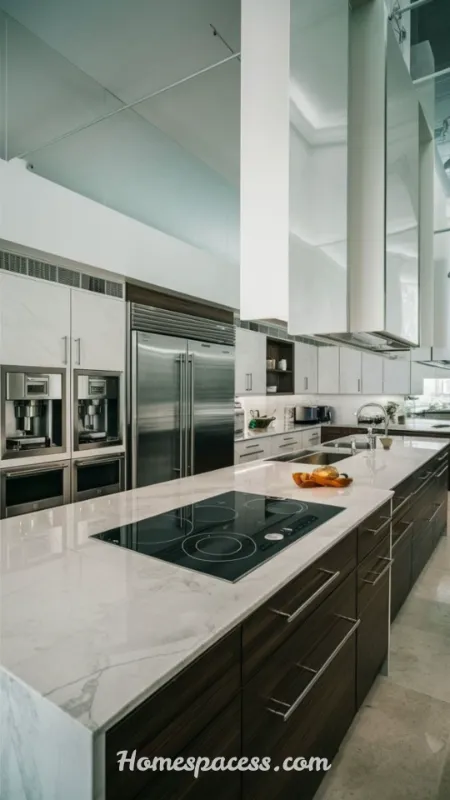
A kitchen island with built-in appliances represents the pinnacle of functional kitchen design. The most common integrations include drawer dishwashers (ideal for households that run the dishwasher multiple times daily), undercounter wine/beverage refrigerators, warming drawers, built-in microwave drawers, and increasingly in 2026, induction cooktop islands that transform the prep surface into a full cooking station.
The critical planning consideration for any appliance-integrated island is ventilation. Cooktop islands require either a ceiling-mounted range hood (which becomes a dramatic architectural feature) or a downdraft ventilation system integrated into the island surface itself. Downdraft systems like the Broan PM390 or Zephyr Typhoon are effective for low-to-medium cooking intensity but may struggle with high-heat wok cooking or frequent deep frying. Ceiling hoods provide superior extraction but require structural support and longer duct runs.
Pro Tip:
Before committing to an island cooktop, model your kitchen’s traffic flow carefully. An island cooktop works best when the seating zone is on the opposite side you never want guests seated within 24 inches of an active cooking surface.
The Smart Storage Island: Every Inch Is an Asset
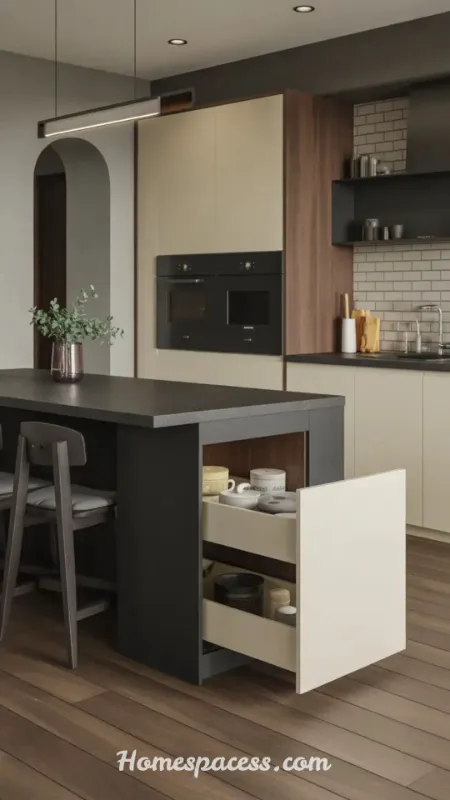
The average kitchen island stores only 40–60% of its potential capacity because most island cabinetry uses basic shelf-and-door configurations that don’t account for real-world kitchen storage needs. In 2026, the most forward-thinking kitchen island storage ideas include full-extension pull-out drawers (which provide 100% access versus the ~60% you get with swinging doors and fixed shelves), pegboard drawer inserts for customizable organization, vertical pull-out tray dividers for cutting boards and sheet pans, and hidden electrical outlets inside drawers for charging devices.
One insight that most design articles overlook: the corner sections of L-shaped or large rectangular islands are storage dead zones in conventional design. However, 360-degree lazy Susan inserts or diagonal drawer configurations can fully activate these corners, adding 30–40% more usable storage capacity to a large island. For households that entertain frequently, dedicating one island section entirely to bar storage spirits, glassware, cocktail tools transforms the island into a proper home bar station during gatherings.
Pro Tip:
Install soft-close hardware on every single island drawer and cabinet, not just the ones you interact with most. The difference in perceived quality and long-term durability justifies the small additional cost, and it’s extremely difficult to retrofit after construction.
The Curved Island: Breaking the Grid for Flow and Elegance
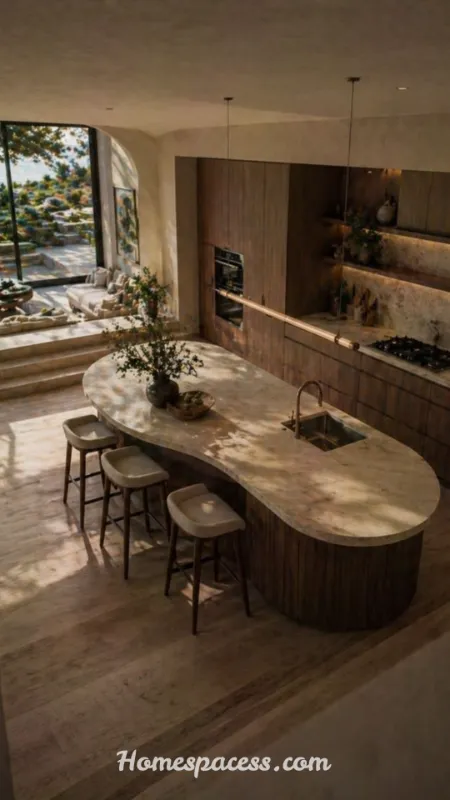
Curved kitchen islands are among the most discussed design elements of 2026 and beyond, driven by the broader interior trend away from hard angles and toward organic, biophilic forms. A curved island whether a gentle arc on one end or a fully oval freestanding piece softens the geometry of a kitchen, improves traffic flow by eliminating sharp corners (which cause bruises and restrict movement), and creates a more inviting social environment in open-plan spaces.
The fabrication complexity of curved islands has historically made them expensive. However, advances in CNC router technology and thermoform cabinet doors have significantly reduced costs in recent years. Solid surface materials like Corian and Hi-Macs are particularly well-suited for curved island applications because they can be heat-formed and seamlessly joined, eliminating grout lines or seams that would be visible on curved stone. For curved wood cabinetry, bent-laminate techniques (layers of thin wood veneer glued over a curved substrate) produce beautiful results at reasonable cost.
Pro Tip:
In kitchens where family members frequently rush through during morning routines, a curved island end reduces minor injuries and allows faster, more natural movement around the space. It’s a design choice that feels like pure aesthetics but delivers genuine safety and ergonomic benefits.
The Outdoor Kitchen Island: Extend Your Cooking Universe
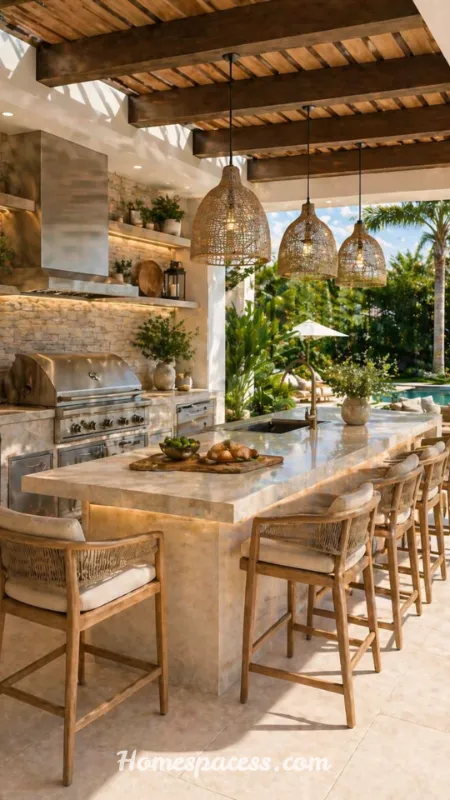
Outdoor kitchen islands have moved from luxury novelty to mainstream priority a trend accelerated by increased time spent at home and the rise of al fresco entertaining culture. A well-designed outdoor island transforms a patio or backyard into a genuine second kitchen, capable of hosting everything from casual weeknight dinners to large gatherings.
In 2026, the most in-demand outdoor island features include built-in grills with multiple burner zones, outdoor refrigerator drawers, integrated stainless steel sinks, side burners for woks or pots, and weatherproof storage for tools and accessories.
Material selection for outdoor kitchen islands is fundamentally different from indoor applications. Stainless steel (marine-grade 304 or 316 for coastal areas), concrete, natural stone, and porcelain tile over a steel or cement board frame are the only appropriate structural choices.
Wood-framed outdoor islands will rot within 3–7 years in most climates regardless of treatment. The countertop must be frost-resistant (rated for outdoor use), UV-stable (many indoor stones will fade), and porous-sealed to resist staining from food and rain.
Pro Tip:
Orient your outdoor island so the prevailing wind carries grill smoke away from the seating area and the home’s windows and doors. This site-specific consideration is almost never mentioned in outdoor kitchen design guides but makes an enormous difference in daily comfort.
The Industrial Farmhouse Island: Character Meets Performance
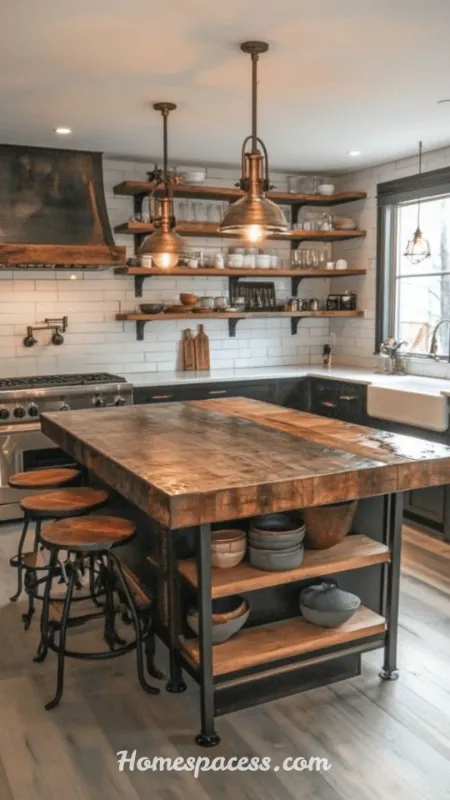
The industrial farmhouse kitchen island blends two of the most enduring design aesthetics of the past decade into a cohesive and highly livable concept. Think reclaimed wood countertops or shelving, raw steel or blackened iron accents, exposed hardware, vintage pendant lighting, and apron-front sinks combined with the high-performance functionality that industrial kitchen design demands. This style excels in homes with open beams, brick walls, or mixed-material architecture.
What makes this style particularly compelling in 2026 is its sustainability narrative reclaimed wood islands can incorporate lumber salvaged from demolished barns, factories, or old-growth trees no longer available as new harvest material. This gives each island a unique provenance and character that cannot be replicated.
The aging and patina of reclaimed wood also means this style looks better as it ages, rather than looking dated a significant advantage over trendy polished finishes that can feel dated within 5–10 years.
Pro Tip:
When sourcing reclaimed wood for an island surface, always test for lead paint or industrial contaminants before purchase, particularly if the wood comes from pre-1978 buildings. A simple lead swab test kit (available at hardware stores for under $10) provides peace of mind before this material enters a food-preparation environment.
The Multi-Purpose Island: The Hub of 21st-Century Living
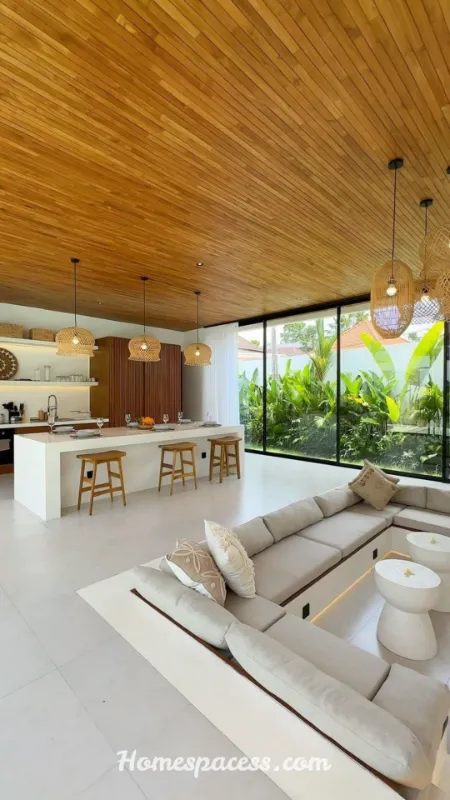
The multipurpose kitchen island is the culmination of every trend in modern kitchen design it’s not just a workspace or a dining surface, but a complete living hub. The best examples in 2026 integrate wireless charging pads flush-mounted into the countertop, USB and power outlet strips concealed in the overhang, tablet or display mounting points for recipe streaming or smart home control, homework zones with dedicated drawer organization for stationery, and even pet feeding stations with built-in bowls and food storage in lower cabinetry.
This evolution reflects a broader cultural shift: the kitchen island has replaced the living room coffee table as the true center of household life. Families spend more time at the kitchen island than any other surface in the home. Designers who understand this design objects that accommodate multiple simultaneous users doing different activities one person cooking, one working on a laptop, one child doing homework rather than optimizing for a single function. This activity-zoned approach to island planning is the most significant conceptual shift in kitchen design thinking of the decade.
Pro Tip:
When planning a multipurpose island, conduct a “day-in-the-life audit” for one week note every activity that happens near your kitchen’s current center point. You’ll likely discover 6–10 distinct use cases that your island design should accommodate, many of which standard showroom displays never address.
Conclusion
Island kitchen ideas have never been more diverse, functional, or design-forward than in 2026. From the dramatic waterfall island to the intelligent multipurpose hub, the right island can genuinely transform both the functionality and the emotional experience of your home.
The key is to prioritize circulation, systems planning, and adaptability before committing to aesthetics the most beautiful kitchen island is one that works flawlessly for the next 20 years. Choose materials with long-term value, design for multiple users and activities, and don’t underestimate the power of great lighting and storage. Start with one idea from this guide and let it shape your perfect kitchen.
Advanced Section
Island Kitchen Trend Analysis 2026 and Beyond
Current kitchen island trends in 2026 are being driven by three convergent forces: the mainstreaming of smart home integration, a post-pandemic prioritization of home investment, and a cultural shift toward sustainability and material authenticity.
The dominant aesthetic is moving away from the stark all-white minimalism that dominated 2015–2022 toward richer, warmer palettes deep greens, terracottas, warm blacks, and natural wood tones with islands as the primary vehicle for introducing color into kitchen spaces.
Looking ahead to 2026–2028, the most significant emerging trend is adaptive island design islands that physically transform to meet different needs through motorized height-adjustment systems (useful for households with members of different heights or wheelchair users), retractable countertop extensions, and integrated foldable seating that deploys from within the island structure when needed. These features are currently found in high-end European kitchen systems but will enter mainstream production within 2–3 years.
AI-integrated kitchen islands are already in prototype and limited production surfaces embedded with weight sensors that identify ingredients, ambient temperature monitoring, voice-activated drawer systems, and built-in recipe displays that project instructions onto the countertop surface. The kitchen island is becoming not just a piece of furniture but a networked node in the smart home ecosystem, fundamentally changing what it means to “design” a kitchen.
Expert Insights Real-World Island Kitchen Optimization
Professional kitchen designers consistently identify circulation planning as the most undervalued element of island kitchen design. The NKBA (National Kitchen & Bath Association) recommends a minimum of 42 inches of clearance between an island and any wall or obstacle, with 48 inches preferred in kitchens used by multiple cooks simultaneously. Violations of this guideline usually to maximize island size are the single most common source of kitchen renovation regret, particularly in households where more than one person cooks.
From a resale value perspective, real estate professionals consistently report that kitchen islands add disproportionate value relative to their cost often returning 60–80% of installation cost in increased sale price in competitive markets.
However, oversized islands in small kitchens (anything that reduces clearance below 36 inches) can actually reduce sale price by signaling poor design judgment to sophisticated buyers. The sweet spot is an island that feels generous but leaves the kitchen feeling open and navigable.
One insight that home renovation content rarely addresses: islands should be designed for the home’s eventual sale, not just current occupants’ preferences. Highly idiosyncratic choices unusual colors, very specific appliance integrations for niche cooking styles, materials that require intensive maintenance can narrow the buyer pool at resale. The most investment-worthy island designs are those that feel distinctive and high-quality but remain broadly appealing.
Sustainability, Long-Term Value, and Strategic Perspective
The environmental footprint of kitchen island materials is becoming a significant consideration for design-conscious homeowners. Quarried natural stone marble, granite, quartzite requires significant energy and water in extraction and transportation, particularly when sourced internationally.
Engineered quartz contains resin binders that make recycling difficult at end-of-life. By contrast, reclaimed wood, recycled glass countertops, rapidly renewable bamboo, and locally sourced stone offer significantly lower lifecycle carbon footprints.
From a long-term value perspective, the island material hierarchy looks different than the upfront cost hierarchy. Quartzite often confused with quartz (engineered) is a natural stone that is harder than granite, doesn’t etch like marble, and maintains its appearance for decades with minimal maintenance.
Though expensive upfront ($80–150/square foot installed), it typically outlasts engineered quartz in both appearance and structural integrity, making it arguably the best lifetime value countertop material available. Dekton (sintered stone) offers similar longevity with even greater heat and scratch resistance, at a comparable price point.
Strategic sustainability in island kitchen design also means planning for adaptability designing an island that can evolve with your household’s changing needs without requiring full replacement. This means avoiding permanent features that serve only one life stage (like a dedicated baby food prep station or a teenager’s homework nook) and instead building flexible infrastructure (power, plumbing rough-ins, adjustable shelving) that supports changing uses over a 20–30 year ownership horizon.
Future Predictions and Upcoming Innovations in Island Kitchen Design
The next frontier in kitchen island innovation is material intelligence surfaces embedded with technology that makes them actively responsive rather than passive. Self-healing countertop materials (using microencapsulated healing agents that fill scratches when exposed to heat or UV light) are currently in advanced R&D stages at multiple materials manufacturers. Antimicrobial surface coatings using copper nanoparticles or photocatalytic titanium dioxide are already being specified in commercial kitchens and will enter residential applications within 2–3 years.
Energy harvesting islands surfaces capable of generating small amounts of electricity through thermoelectric generators that convert the heat differential between a hot pan and the cool countertop, or piezoelectric materials that generate current from the pressure of food preparation are longer-horizon innovations (5–10 years) but represent the direction materials science is moving. The kitchen island as a micro-power generation surface would integrate naturally with the growing trend toward net-zero homes.
Perhaps the most transformative near-term innovation is CNC-customization at scale advances in manufacturing that allow fully custom island designs to be produced at near-standard-product prices. Where custom island cabinetry today requires skilled craftspeople and 8–16 week lead times, emerging digital fabrication pipelines will allow consumers to design a fully customized island online, have it CNC-manufactured, and receive it flat-pack for local assembly within weeks. This democratizes high-design kitchen island ideas for homeowners at every budget level.
Common Mistakes and Overlooked Factors in Island Kitchen Planning
The most expensive island kitchen mistake is finalizing the design before establishing electrical, plumbing, and ventilation rough-ins. Many homeowners fall in love with an island design, commit to dimensions and placement, and then discover that running plumbing to that location costs $3,000–6,000 more than an alternative position 18 inches closer to an existing drain stack.
The correct sequence is always: structural and systems planning first, aesthetic decisions second. A good kitchen designer or contractor can often identify a 6–12 inch adjustment to island placement that saves thousands in mechanical costs.
Lighting is the most consistently underdesigned element in island kitchen planning. The island needs at minimum three types of illumination working together: task lighting (pendant fixtures or recessed lights directly above the work surface, positioned to eliminate shadows cast by the cook’s body), ambient lighting (often via dimmable recessed cans that wash the overall kitchen in light), and accent lighting (interior cabinet lighting, under-island LED strips, or countertop uplighting for entertaining ambiance). Many kitchens have only one or two of these layers, creating a space that feels functional but never quite beautiful.
Finally, the island electrical specification is almost always insufficient at planning stage. Standard recommendations suggest 2–4 outlets on an island. In reality, a multipurpose island in a modern household needs 6–8 outlets distributed across multiple sides, at least two USB-C charging ports, consideration for 120V and 240V circuits if appliances may be added, and a dedicated circuit for any refrigeration or dishwasher integration. Upgrading island electrical after construction requires tearing into flooring or countertops it’s always cheaper and smarter to over-specify at the planning stage.

Team Home Spacess shares simple, practical design ideas that work for real families. The team focuses on cozy décor, soft colors, and natural textures that make a space feel truly lived-in. From everyday decorating tips to creative home projects, Team Home Spacess is dedicated to helping readers create warm, comfortable, and inviting spaces with a fresh and personal touch.