

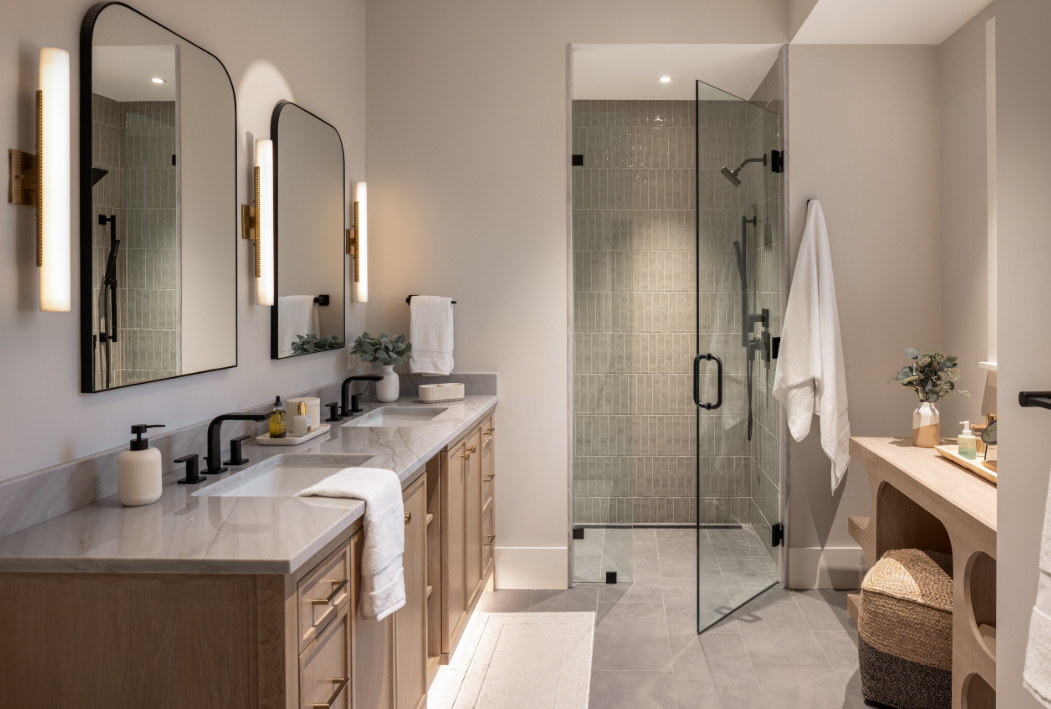
When interest rates are high and the housing market is cooling, completing a bathroom remodel requires a disciplined, value-first approach. Homeowners looking to sell must walk a fine line: they need to modernize the space to satisfy buyers, but they must avoid the trap of paying for overpriced, low-return features.
The remodeling industry is highly skilled at upselling. If you enter the bidding process without a clear strategy, a basic project can quickly double in cost due to aesthetic upcharges and unnecessary structural modifications. To protect your home equity, you must learn to distinguish between high-value functional updates and low-ROI luxury upgrades that appraisers simply ignore.
The ROI Cliff: Midrange Quality vs. Luxury Loss
To maintain control over your budget, you must understand how return on investment changes as your project spending increases. According to national Cost vs. Value averages, a standard midrange bathroom remodel costs approximately $26,138 and recovers an impressive 80% of its cost upon resale. This level of renovation delivers clean, modern, and highly functional elements, such as durable porcelain tile, a double vanity, and updated fixtures, without changing the room’s layout.
In sharp contrast, an upscale luxury bathroom remodel costs an average of $75,000 or more, yet it recovers just 42% of its cost at resale. This massive drop in return occurs because buyers are constrained by neighborhood appraisal limits.
While home buyers appreciate high-end features like steam showers or custom stone tiling, they will not pay a premium that exceeds local comparable home sales. Spending an extra $50,000 on luxury upgrades represents an immediate loss of equity that you will not recover when you sell.
The Hit List: Luxury Upgrades You Can Safely Skip
When reviewing a design proposal or a contractor’s bid, look for these common, low-return upgrades. Eliminating them from the scope of work will instantly lower your quote without hurting your home’s resale value:
1. Moving the Plumbing Footprint
The most expensive word in bathroom remodeling is “relocate.” If a contractor suggests moving the toilet, sink, or shower drain to create a “better flow,” politely decline. Moving a plumbing stack requires cutting into floor joists, rerouting waste and vent lines, and pulling complex municipal permits, which can add $3,000 to $8,000 to your labor bill. Retaining your existing layout protects your budget and keeps the project timeline on track.
2. Radiant Floor Heating
Heated floors are a classic example of an upgrade that feels luxurious but fails to add appraisal value. Installing electric heating mats beneath your floor tile requires specialized electrical wiring and increases labor costs. Instead of heated floors, choose high-quality porcelain floor tile paired with a thick, comfortable bath mat. Porcelain is highly durable and naturally holds room temperature well.
3. High-End Custom Wet Rooms and Curbless Showers
Creating a continuous tiled “wet room” or a curbless walk-in shower requires sloping the entire bathroom floor toward a central drain. This process requires extensive subfloor modification and advanced waterproofing. A standard, low-threshold walk-in shower conversion provides the exact same visual appeal and accessibility benefits for a fraction of the structural installation cost.
4. Smart Toilets and Integrated Electronics
Digital showering systems, built-in sound systems, and high-tech smart toilets are expensive, prone to mechanical failure, and quickly become outdated. If these electronic components break down, they can be incredibly difficult and costly to repair. Stick to high-quality, manual comfort-height toilets and standard, durable plumbing fixtures that are easy to maintain and replace.
Defending Against Contractor Markup and Vague Allowances
Sellers also lose money through the fine print of their remodeling contracts. Many contractors utilize low “allowances” in their initial quotes to make the bid look artificially cheap.
For example, a contractor might write a $500 allowance for your shower tile. However, once you visit the showroom, you may find that the quality porcelain tile you want actually costs $1,500. This triggers an immediate, out-of-pocket change order, inflating your final bill.
To defend against this, demand a fixed-price contract with highly specific material specifications before signing. Ensure the contract clearly outlines the exact brands, models, and quantities of the materials to be used.
Additionally, watch out for the “Exclusions” section of the contract. Avoid vague terms like “unforeseen framing adjustments billed as needed,” and require the contractor to provide written, signed change orders for any work that deviates from the original, agreed-upon scope of work.
Why Mr. Remodel? Putting Data into Action
The insights in this article come directly from our deep experience nationwide. We believe homeowners deserve transparent, data-driven advice before making a major investment. That is the core of our process.
What MrRemodel.com Does They connect you with real, local remodeling contractors who want your project.
You tell them what you need. They send it to licensed and insured pros in your area. Those contractors give you real price estimates, not ads or ballpark numbers. You choose who to talk to. There is no obligation to hire anyone.
Ready to start your project with a team that values data and transparency? Apply through MrRemodel.com today for a free, no-obligation quote.

Team Home Spacess shares simple, practical design ideas that work for real families. The team focuses on cozy décor, soft colors, and natural textures that make a space feel truly lived-in. From everyday decorating tips to creative home projects, Team Home Spacess is dedicated to helping readers create warm, comfortable, and inviting spaces with a fresh and personal touch.