

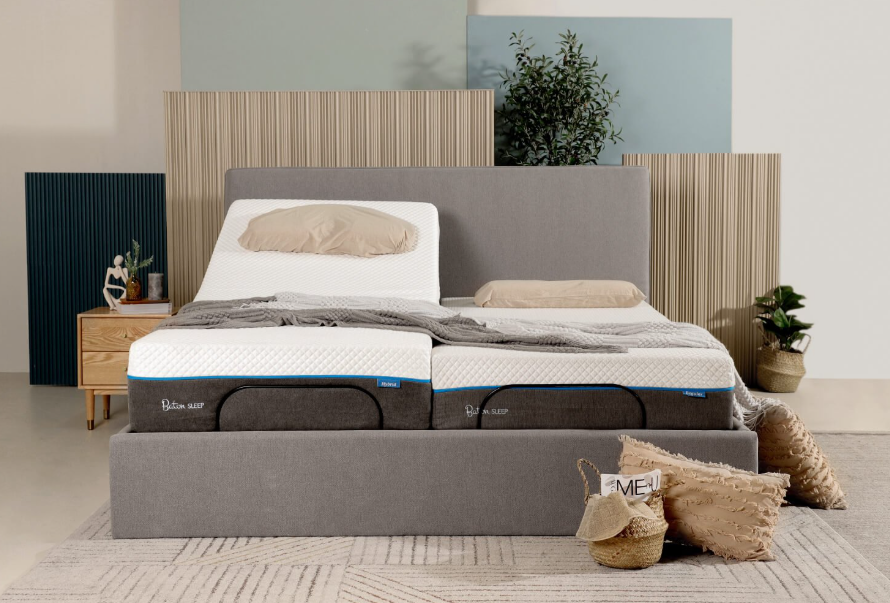
Choosing an adjustable air mattress often comes down to more than firmness. Sleepers may want independent controls, pressure relief, temperature management, durable materials, and predictable ownership costs. Two names that frequently enter this discussion are Airpedic and Sleep Number. Both use adjustable air chambers to let sleepers personalize firmness, but their approaches to construction, comfort technology, and long-term value differ. Understanding those distinctions can make the comparison more useful than simply looking at starting prices.
Adjustable mattress comparison: How Comfort Controls Differ
The central appeal of both mattress designs is adjustability. Instead of relying on a fixed foam or spring structure, an air-based mattress allows the sleeper to change the amount of air supporting the body. This can be particularly useful for couples who prefer different firmness levels because each side can generally be adjusted independently.
In an adjustable mattress comparison comparison, however, the control system is only part of the comfort equation. Sleep Number is widely associated with its adjustable firmness settings, commonly expressed through a numerical scale. The idea is straightforward: adding or removing air changes the firmness and support on each side of the bed. This makes it relatively easy to experiment with different settings as sleeping preferences change.
Airpedic also emphasizes individualized air support, but its construction incorporates additional comfort layers and zoning. The company describes its mattresses as combining adjustable air chambers with multiple zones of support and specialized foam layers. These zones are intended to provide different levels of support across areas such as the shoulders, lumbar region, and hips.
That distinction matters because firmness and pressure relief are not necessarily the same thing. A mattress can feel firm while still cushioning pressure-sensitive areas. Conversely, a softer setting does not automatically provide better spinal support. Body weight, sleeping position, and personal preference all influence which configuration feels comfortable.
Materials and Pressure Relief: Where the Designs Diverge
Materials have a substantial effect on how an adjustable mattress feels. Air chambers provide the underlying support, while the foam and upholstery above them determine much of the surface response. Consequently, two mattresses using adjustable air technology can produce noticeably different sensations.
Airpedic’s construction places considerable emphasis on layered foam and zoned support. Memory foam and other cushioning materials can help distribute pressure across the body while allowing the underlying air system to provide adjustable support. The company’s approach also focuses on temperature-management features in certain models, an important consideration for people who find conventional memory foam too warm.
Sleep Number mattresses also combine air chambers with comfort layers, but the exact materials and construction vary by model. Some versions include memory foam or other cushioning components, while higher-end configurations may add additional comfort and temperature-related features. As a result, comparing brands at the category level can be misleading—specific models should be evaluated individually.
For sleepers who frequently change positions, responsiveness can also be important. Memory foam tends to contour closely to the body, while air support can create a different type of responsive feel. Couples should additionally consider motion transfer, because independent air chambers can reduce the degree to which movement on one side affects the other.
When comparing these systems, it is useful to consider:
- Firmness adjustment: How precisely can each sleeper customize their side?
- Pressure relief: Do the comfort layers adequately cushion shoulders, hips, and other pressure points?
- Temperature management: Are the materials designed to reduce heat retention?
- Support zones: Does the mattress provide targeted support where the body needs it most?
- Partner compatibility: Can two sleepers maintain substantially different comfort preferences without compromising the overall feel?
These factors often matter more than the number of features listed in a product description.
Adjustable mattress comparison: Ownership Costs and Value
Price is another important part of the Airpedic vs. Sleep Number decision. The initial mattress price is only one component of the total cost of ownership. Adjustable mattresses can involve additional expenses for foundations, accessories, upgraded comfort layers, or other components depending on the configuration.
Sleep Number’s product range spans multiple price levels, so the cost can vary significantly depending on size and selected features. A basic configuration and a premium model may offer very different materials, technology, and comfort characteristics. Buyers therefore need to compare similarly equipped models rather than assuming that the least expensive version represents the entire brand.
Airpedic similarly offers different configurations and levels of construction. Some models emphasize more extensive zoning, foam layers, or cooling-related features, which can increase the price. The relevant question is whether those additions address a specific sleeping need rather than whether a mattress simply has more technology.
Ownership also includes maintenance and potential replacement considerations. Air systems contain mechanical components such as pumps, hoses, and controls, meaning they have more components than a conventional mattress. A prospective buyer should review the manufacturer’s warranty, return terms, component coverage, and procedures for addressing problems.
The manufacturer’s information on Airpedic’s approach to adjustable support and its positioning as an alternative to Sleep Number provides another useful reference when evaluating the two designs.
Which Construction Makes More Sense for Different Sleepers?
Neither design is universally superior because comfort is highly individual. A side sleeper, for example, may prioritize pressure relief around the shoulder and hip, while a back sleeper may place greater importance on consistent lumbar support. Stomach sleepers often need enough support to prevent excessive sinking around the midsection.
Couples face another challenge. Independent firmness controls can be valuable when one person prefers a relatively firm surface and the other wants a softer feel. In that situation, an adjustable air mattress can offer a degree of customization that a traditional one-piece comfort system cannot easily reproduce.
People who frequently experience changes in comfort preferences may also appreciate adjustability. Firmness can be modified without replacing the entire mattress, although the ideal setting may require some experimentation. It is also worth remembering that a mattress setting that feels comfortable for five minutes in a showroom or during an initial trial may not remain ideal after several nights.
For this reason, buyers should focus on the complete sleep system rather than one specification. Mattress height, foundation compatibility, comfort layers, controls, warranty terms, and available sizes can all affect the practical experience.
Evaluating Long-Term Value Beyond the Price Tag
A mattress is a long-term purchase, so value should be considered over its expected useful life rather than solely through the initial price. A more expensive model may provide features that are genuinely useful to a particular sleeper, while a less expensive configuration may be sufficient for someone who mainly wants adjustable firmness.
Warranty coverage deserves close attention. Consumers should determine which components are covered, how long coverage lasts, and whether different parts have different warranty conditions. Mechanical components deserve particular scrutiny because adjustable mattresses depend on pumps, air chambers, valves, and electronic controls in addition to ordinary comfort materials.
Trial policies are equally relevant. A sleep trial can provide an opportunity to evaluate the mattress under normal conditions, including different sleeping positions and temperature conditions. Reading the terms carefully is important because return procedures, transportation requirements, and applicable fees can vary.
Ultimately, the best comparison is not simply Airpedic against Sleep Number as brands. It is a comparison between specific mattress models and how their construction matches an individual’s needs, budget, and expectations. Adjustable support can be valuable, but its usefulness depends on the quality of the surrounding comfort system and the reliability of the components that make customization possible.
Final Analysis
Airpedic and Sleep Number take related but distinct approaches to adjustable sleep comfort. Sleep Number is strongly centered on individualized air-based firmness control, while Airpedic places additional emphasis on zoned support, layered comfort materials, and pressure-relief features. Cost, warranty coverage, maintenance, and model-specific construction should all be considered alongside the firmness system.
For shoppers evaluating these mattresses, the most sensible approach is to compare equivalent models, examine the materials above the air chambers, understand the adjustment technology, and calculate the broader ownership cost. That creates a more practical basis for judging comfort and value than relying on brand reputation or headline features alone.

Team Home Spacess shares simple, practical design ideas that work for real families. The team focuses on cozy décor, soft colors, and natural textures that make a space feel truly lived-in. From everyday decorating tips to creative home projects, Team Home Spacess is dedicated to helping readers create warm, comfortable, and inviting spaces with a fresh and personal touch.