
Key Takeaways
- Choose a fence based on your main priorities, such as privacy, pet and child safety, security, property boundaries, or curb appeal.
- Boulder’s strong sunshine, winter moisture, freeze-thaw cycles, wind, and sloping terrain can affect fence durability and installation requirements.
- Wood offers a natural appearance and flexible designs, while vinyl and composite provide lower-maintenance alternatives. Metal and chain link are useful when visibility, containment, or security is important.
- Privacy can be improved with solid panels, slatted sections, decorative screens, or strategically placed landscaping without enclosing the entire yard.
- Verify property boundaries, HOA rules, easements, and applicable Boulder permits or approvals before beginning construction.
- Match maintenance expectations to the material, including wood finishing, hardware inspections, cleaning, and checks for corrosion or damage.
- Compare detailed installation estimates covering materials, posts, footings, gates, demolition, cleanup, warranties, and future upkeep before making a final decision.
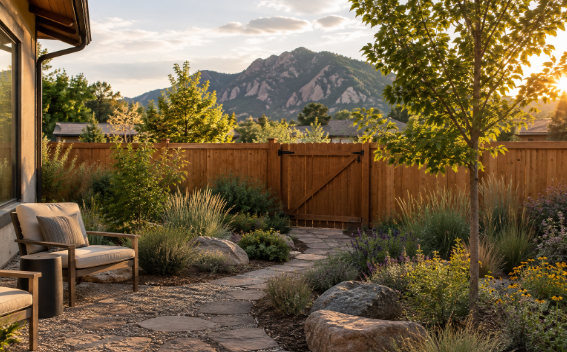
A fence does more than mark where one property ends and another begins. For Boulder homeowners, the right design should provide privacy, help contain pets or children, offer convenient gate access, and complement the home’s curb appeal. Sun exposure, winter moisture, temperature changes, wind, sloping terrain, and neighborhood standards can all influence how well a fence performs over time.
Planning the entire project before choosing a style can help prevent costly surprises. Homeowners considering Denco Fence Company can explore residential and commercial fencing options, including wood, vinyl, composite, metal, chain link, and gate solutions. Serving Boulder and the Denver metro area, Denco Fence Company brings local installation experience to projects ranging from compact urban lots to properties near open space. Site-specific guidance can help homeowners choose materials, layouts, and access points that suit their property and practical needs.
Start With the Main Job of the Fence
Every successful fence project begins with a clear priority. A fence intended to create a secluded backyard may need a very different design than one built to define a front-yard boundary or keep a dog safely contained.
- Privacy: Solid panels, closely spaced boards, and screened sections reduce direct sightlines into outdoor living areas.
- Pet and child safety: Focus on fence height, gaps below the rails, gate-latch placement, and the ability to keep gates closed securely.
- Security: Strong posts, durable hardware, appropriate height, and dependable gate locks matter more than decorative details alone.
- Property definition: Open metal, rail, or chain link designs can mark a boundary while preserving visibility and daylight.
- Curb appeal: The profile, color, spacing, and finish should suit the home rather than compete with it.
How Boulder Conditions Affect Fence Performance
Colorado’s strong sunshine can be hard on exposed finishes, while dry conditions may affect the appearance of unfinished or poorly maintained wood. Snow, rain, and freeze-thaw cycles can also place stress on posts, footings, fasteners, and gates. On open properties, corner lots, and yards near foothill exposure, wind load deserves careful attention, particularly when a design uses tall, solid panels.
Drainage and installation quality are just as important as the visible boards or panels. Water should not routinely collect around posts, and gates need enough clearance to operate when snow accumulates or ground conditions shift. A busy homeowner may prefer a material that primarily needs washing and periodic hardware checks. Someone who values a natural, changeable look may be comfortable choosing wood and maintaining its protective finish.
Comparing Popular Fence Materials
Wood Fencing
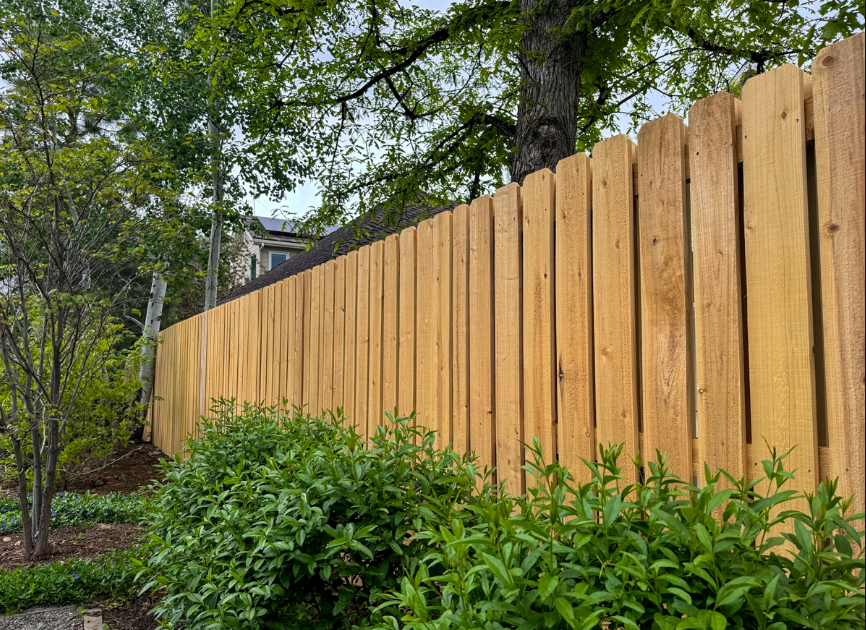
Wood offers warmth, adaptable styling, and strong privacy potential. It can be built in vertical, horizontal, shadowbox, lattice-top, and picket configurations. The tradeoff is ongoing care. Boards and protective finishes should be inspected regularly, especially where sprinklers, snow, or soil contact increase moisture exposure.
Vinyl Fencing
Vinyl provides a uniform appearance without routine staining or sealing. It is often chosen by owners who want privacy or picket-style fencing with minimal upkeep. Cleaning and checks of posts, rails, gates, and hardware still matter, and replacement can be more involved if a specific panel or color is no longer readily available.
Composite Fencing
Composite fencing can provide a wood-inspired appearance with less frequent finish maintenance. It may be a practical fit for homeowners prioritizing a consistent look and moisture resistance, although the initial material cost may be higher than that of some conventional wood options. Compare the manufacturer’s installation requirements, available colors, and warranty terms before deciding.
Metal and Chain Link Fencing
Metal fencing works well where security, long-term durability, or an open view is the priority. Ornamental styles can complement front yards, pools, and landscaped entries, but they do not provide full visual screening on their own. Chain link is a straightforward option for pet areas, side yards, larger lots, gardens, and utility spaces. Privacy slats or planting can soften its appearance where needed.
Privacy Does Not Always Require a Solid Wall
Full-height solid fencing is only one way to make an outdoor space feel more private. A slatted upper section, lattice detail, carefully placed screening, or a row of shrubs can target the sightlines that matter most without making the entire yard feel enclosed. Horizontal boards can create a clean contemporary look, while a partial screen near a patio may preserve views elsewhere on the property.
In areas where wildfire exposure is a concern, homeowners may also wish to consider how fence materials connect to the home and fit into broader defensible-space planning. Some non-combustible fence options, including metal and masonry-based solutions, may be worth discussing when fire resistance is a key design consideration.
Fence Height, Property Lines, and Boulder Rules
Check local requirements before ordering materials or scheduling installation. An older fence is not always located on the legal property line, and a new design can be affected by sidewalks, easements, driveways, shared boundaries, corner visibility, HOA rules, and utility access. Boulder also has additional processes for fences in floodplains, wetlands, historic districts, and designated landmark properties.
The City’s fence and retaining wall permit guide explains that fences not over seven feet tall are generally exempt from a building permit, while identifying situations that may require other approvals. It also addresses details such as sidewalk clearance, sight triangles, property-line agreements, and post depth. Confirm the current requirements for the specific address, as local rules and site conditions can vary.
Plan Maintenance by Material
- Wood: Plan for board checks, post inspections, and periodic staining or sealing when appropriate for the product and exposure.
- Vinyl: Clean dirt and debris as needed, then inspect rails, brackets, and gate hardware after severe weather.
- Composite: Clean surfaces according to manufacturer guidance and examine fasteners, rails, and posts periodically.
- Metal: Watch for damaged coatings, loose fasteners, corrosion, and gate hinges that need adjustment.
- Chain link: Check fabric tension, ties, terminal posts, and latches so the enclosure remains secure.
Common Design Mistakes to Avoid
- Selecting only by the lowest upfront cost without considering upkeep, gates, removal, and future repair needs.
- Ignoring slope, soil conditions, drainage paths, sprinkler heads, or utility locations.
- Using a tall solid design without considering wind exposure and post strength.
- Placing a gate where snow buildup, poor drainage, or parked vehicles will block its swing.
- Skipping property-line research, HOA review, or local code checks.
- Using light-duty hinges and latches on a gate that will be opened every day.
A Simple Fence Selection Process
- Measure the approximate run, note changes in grade, identify gate locations, and consider installer access.
- Rank the main goal, whether it is privacy, containment, security, appearance, visibility, or budget.
- Compare materials based on maintenance expectations, desired appearance, privacy level, and installation needs.
- Verify property boundaries, local requirements, easements, and HOA standards before finalizing the design.
- Review the full budget, including demolition, hauling, grading, gates, hardware, finish work, and long-term maintenance.
- Request detailed estimates that identify materials, post and footing approach, warranty terms, cleanup, and exclusions.
- After installation, test each gate, inspect alignment and latches, and make sure drainage paths remain clear.
Conclusion: Choose for the Whole Life of the Fence
The best fence for a Boulder home is not automatically the least expensive or the most decorative. It is the one that serves the property’s daily needs, respects local rules, suits the yard’s exposure and layout, and has a maintenance level the owner can realistically manage. By defining the purpose first and carefully comparing materials, homeowners can make a choice that looks right now and remains useful for years to come.

Team Home Spacess shares simple, practical design ideas that work for real families. The team focuses on cozy décor, soft colors, and natural textures that make a space feel truly lived-in. From everyday decorating tips to creative home projects, Team Home Spacess is dedicated to helping readers create warm, comfortable, and inviting spaces with a fresh and personal touch.