

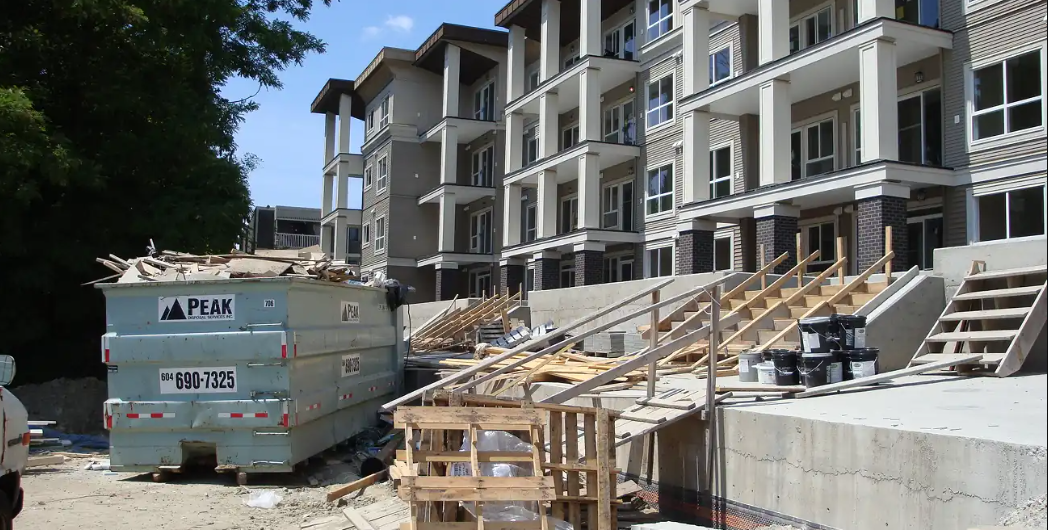
Multi-building roofing work creates a different cleanup challenge than a single-home tear-off. Roofing contractors may be working across apartment buildings, office complexes, townhome rows, storage facilities, schools, retail centers, or multi-structure properties with shared driveways and active tenants. Debris does not come from one roof edge or one staging area. It may be spread across several buildings, access points, parking areas, and work phases.
A strong dumpster rental plan helps keep roofing debris contained while crews move from one structure to the next. Shingles, underlayment, flashing, nails, vents, drip edge, packaging, damaged decking, and old trim can pile up quickly. If disposal is not planned around the full property layout, cleanup can slow production, block access, and create safety concerns for workers, residents, customers, and property managers.
Start With the Full Property Map
Before roofing work begins, contractors should review the entire property layout. Each building may have different access points, rooflines, parking areas, landscaping, sidewalks, loading zones, and tenant entrances. A dumpster location that works for one building may be too far from another.
The site plan should identify where crews will start, how they will move through the property, where materials will be delivered, where debris will fall or be lowered, and where containers can be placed safely. This is especially important on properties where buildings are separated by courtyards, drive lanes, fences, garages, or landscaped areas.
Planning from the full map helps avoid constant adjustments after the job is already underway.
Match Dumpster Placement to Work Phases
Multi-building roofing projects usually happen in sections. Crews may complete one building before moving to the next, or they may work on several roofs at once depending on the schedule and crew size.
Dumpster placement should follow that sequence. If the container is too far from the active roof, crews may waste time carrying debris across the property. If it is moved too often, the project can lose efficiency. Contractors should decide whether one central location, several temporary staging points, or scheduled container moves will work best.
Many roofing contractors coordinate debris removal through Waste Removal USA when multi-building projects require organized disposal across multiple work zones. The right plan keeps debris moving without turning the property into a cluttered staging area.
Keep Tenant and Customer Access Open
Multi-building roofing work often happens on occupied properties. Residents may need parking, sidewalks, mail areas, garages, trash enclosures, pet areas, and building entrances. Commercial tenants may need customer parking, delivery access, service doors, and storefront visibility.
Dumpster placement should not block essential routes. Contractors should identify which access points must stay open at all times and communicate any temporary changes before work begins.
This is especially important when roofing work shifts from one building to another. A route that was safe and open on Monday may become blocked if debris staging is moved without updating the plan.
Account for Roofing Debris Weight
Roofing debris can become heavy quickly. Shingles, underlayment, nails, flashing, and damaged decking may not look overwhelming at first, but multiple buildings can generate substantial weight.
Contractors should estimate debris based on the number of buildings, roof size, tear-off layers, material type, and expected decking replacement. Projects that involve older roofs or multiple shingle layers may require more disposal capacity than the property manager expects.
Understanding the basics of roofing helps property owners and managers see why debris volume and weight can vary from one building to the next. Two roofs with similar square footage may produce different cleanup demands depending on layers, condition, and material.
Protect Parking Lots and Driveways
Many multi-building properties rely on shared parking areas. Dumpsters, debris routes, material deliveries, trailers, and roofing equipment can quickly reduce usable space. Contractors should plan placement so it supports the work without creating unnecessary parking problems.
Surface protection may be needed under or near loading areas, especially on asphalt, decorative concrete, pavers, or newer pavement. Contractors should also avoid placing heavy debris where it could damage curbs, drainage areas, landscaping edges, or pavement transitions.
Clear signs or cones can help keep vehicles away from active loading areas and reduce the chance of debris falling near parked cars.
Control Nails and Small Debris
Roofing cleanup is not only about large tear-off material. Nails, staples, shingle granules, cap nails, flashing scraps, plastic wrap, and small metal pieces can spread around each building.
On multi-building projects, contractors should perform cleanup checks as crews finish each section. Magnetic sweeps are especially important near sidewalks, driveways, parking stalls, patios, lawns, entrances, and play areas.
Waiting until the entire project is complete can allow small debris to spread across the property. Section-by-section cleanup keeps each finished area safer while work continues elsewhere.
Coordinate With Material Deliveries
New shingles, underlayment, vents, flashing, drip edge, fasteners, and accessories may be delivered in large quantities. On multi-building jobs, delivery staging can compete with dumpster placement and debris routes.
Contractors should separate new material staging from disposal areas. Pallets of roofing material should not be blocked by debris containers, and dumpsters should not prevent equipment from reaching delivery points.
If several buildings are being roofed in sequence, materials may need to be staged near each work area without crowding tenant access. Good coordination prevents crews from handling materials and debris in the same space.
Plan Around Landscaping and Courtyards
Apartment communities, office parks, schools, and townhome developments often have landscaped areas between buildings. Roofing debris should not be dragged through planting beds, lawns, mulch, irrigation systems, or decorative walkways unless protection is in place.
If buildings are difficult to access, contractors may need controlled debris routes using tarps, boards, temporary barriers, or designated carrying paths. Crews should avoid allowing shingle pieces, nails, and flashing scraps to fall into shrubs, drains, or courtyards.
A careful cleanup plan protects the property and reduces complaints from residents or managers after the crew leaves.
Communicate the Schedule Clearly
Multi-building roofing work affects more people than a single-site project. Property managers, tenants, residents, office staff, customers, maintenance crews, and delivery drivers may all need to know which buildings are active and where cleanup zones are located.
Contractors should communicate the project sequence, expected access changes, parking restrictions, debris locations, and end-of-day cleanup expectations. Signs, emails, door notices, or manager updates can help reduce confusion.
Clear communication also supports safety. People are less likely to walk through active debris zones when they understand where roofing work is happening that day.
Review Each Building Before Moving On
Before crews shift fully to the next building, the completed area should be reviewed. This includes roof edges, gutters, downspouts, landscaping, sidewalks, parking spaces, patios, stairs, entrances, and dumpster loading paths.
Small debris can remain after the main tear-off is gone. Nails, granules, shingle tabs, packaging, flashing scraps, and broken pieces may collect in corners or along building edges.
A building-by-building review keeps cleanup from piling up at the end of the project. It also gives contractors a chance to correct issues while equipment and crews are still nearby.
Dumpster rental planning for multi-building roofing work requires careful attention to layout, timing, access, weight, safety, and communication. Roofing contractors need a disposal plan that follows the work sequence while keeping tenants, customers, vehicles, and property features protected.
By mapping the full site, coordinating container placement with each phase, separating material staging from debris areas, and reviewing each building before moving on, contractors can keep large roofing projects more organized. A strong cleanup strategy supports production while leaving the property safer and cleaner from one building to the next.

Team Home Spacess shares simple, practical design ideas that work for real families. The team focuses on cozy décor, soft colors, and natural textures that make a space feel truly lived-in. From everyday decorating tips to creative home projects, Team Home Spacess is dedicated to helping readers create warm, comfortable, and inviting spaces with a fresh and personal touch.