

If you build games or interactive apps, you’ve probably run into the term Hosted Event PBLGameEvent. It sounds technical, but the idea behind it is simple. A Hosted Event PBLGameEvent is a way for one part of your game to tell other parts, “something just happened,” without those parts needing to know each other directly.
This guide breaks down what a Hosted Event PBLGameEvent is, how it works, when to use it, and how to avoid the mistakes that trip up most beginners. Whether you’re new to event-driven design or you’ve been coding for years, you’ll find something useful here.
What Is a Hosted Event PBLGameEvent?
A Hosted Event PBLGameEvent is an event object that a central system “hosts,” so multiple scripts, modules, or players can listen for it and react at the same time. Instead of one piece of code calling another directly, the code just fires the event. Anything listening picks it up automatically.
Think of it like a radio station. The station (the host) broadcasts a signal. Any radio (a listener) tuned to that frequency hears it. The station doesn’t need to know who’s listening, and the listeners don’t need to know where the signal came from. That’s exactly how a hosted event system behaves in code.
The “PBLGameEvent” part usually refers to the specific event class or object developers create to carry information about what happened things like a score change, a level completion, a player joining, or an item being picked up.
Why Hosted Events Matter in Game Development
Hosted events matter because they keep your game’s code organized, flexible, and easier to debug. Without them, game code turns into a tangled mess of direct references between systems.
Here’s what a well-built hosted event system gives you:
- Loose coupling — your UI, sound system, and gameplay logic don’t need to know about each other directly.
- Easier testing — you can trigger a PBLGameEvent manually to test how listeners respond, without running the whole game.
- Scalability — adding a new listener (like a new achievement tracker) doesn’t require touching existing code.
- Cleaner teamwork — different developers can build features that plug into the same event system without stepping on each other’s code.
This pattern is widely used across game engines and frameworks because it solves a real, recurring problem: how do you let independent systems react to the same moment in a game without hardwiring them together?
Related Post: NYT Connections Hint Mashable: Your Complete Guide to Daily Clues and Smarter Solving
How PBLGameEvent Works Behind the Scenes
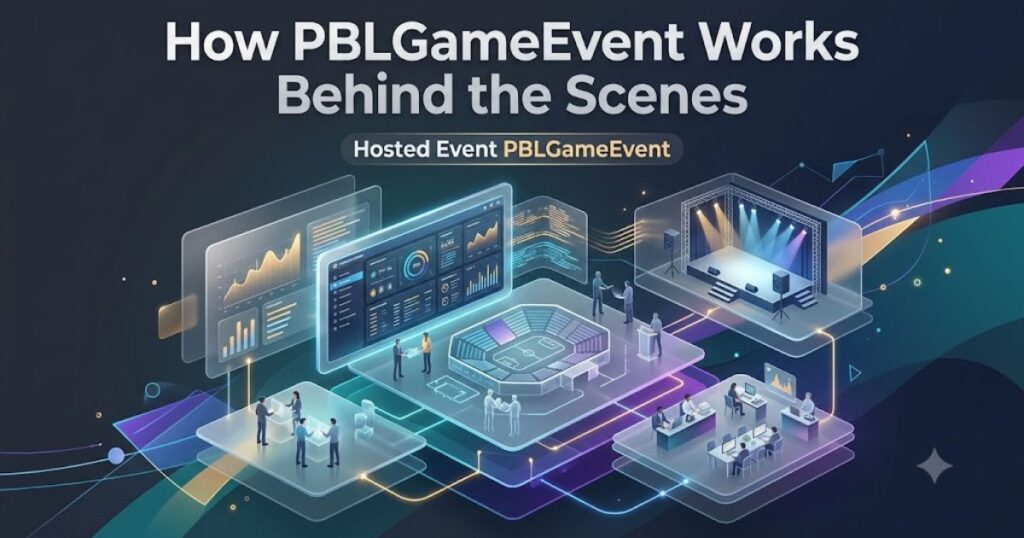
At a basic level, a Hosted Event PBLGameEvent system has three parts:
- The event object – This is the PBLGameEvent itself. It usually holds data, like which player triggered it, a timestamp, or a value (such as points scored).
- The host or dispatcher – This is the central piece that manages the event. It keeps a list of listeners and sends out the event when something calls “fire” or “trigger.”
- The listeners (subscribers) – These are functions or objects that registered interest in the event. When the event fires, each listener runs its own response code.
Here’s a simplified example in pseudocode:
class PBLGameEvent:
    def __init__(self, name, data=None):
        self.name = name
        self.data = data

class EventHost:
    def __init__(self):
        self.listeners = {}

    def subscribe(self, event_name, callback):
        self.listeners.setdefault(event_name, []).append(callback)

    def fire(self, event: PBLGameEvent):
        for callback in self.listeners.get(event.name, []):
            callback(event.data)
In real game engines, this same idea shows up under different names signals, delegates, event buses, or bindable events but the logic is nearly identical.
Setting Up a Hosted Event PBLGameEvent (Step by Step)
Setting up a hosted event usually takes five steps, no matter which engine or language you’re using.
Step 1: Define the event
Decide what information the event needs to carry. A “PlayerScored” PBLGameEvent might carry the player’s ID and the number of points earned.
Step 2: Create the host
Set up one central object that manages subscriptions and firing. Most projects use a single global event host, or a small number of them organized by category (UI events, gameplay events, network events).
Step 3: Register your listeners
Any script that cares about the event should subscribe to it during setup, usually when the game or scene loads.
Step 4: Fire the event at the right moment
Trigger the PBLGameEvent exactly when the action happens in your game logic for example, right after a score update is calculated.
Step 5: Clean up listeners
Unsubscribe listeners when they’re no longer needed, such as when a player leaves or an object is destroyed. Skipping this step is one of the most common sources of bugs (more on that below).
Quick Checklist for a Working Hosted Event PBLGameEvent
- Event name is clear and unique
- Data payload is small and simple
- Listeners are registered before the event can fire
- Listeners are removed when no longer needed
- Errors in one listener don’t crash the others
Must Read This Post: JoinCRS com: Review 2026 What It Really Is, How It Works, and Whether Your Classroom Needs It
Hosted Events vs Local Events
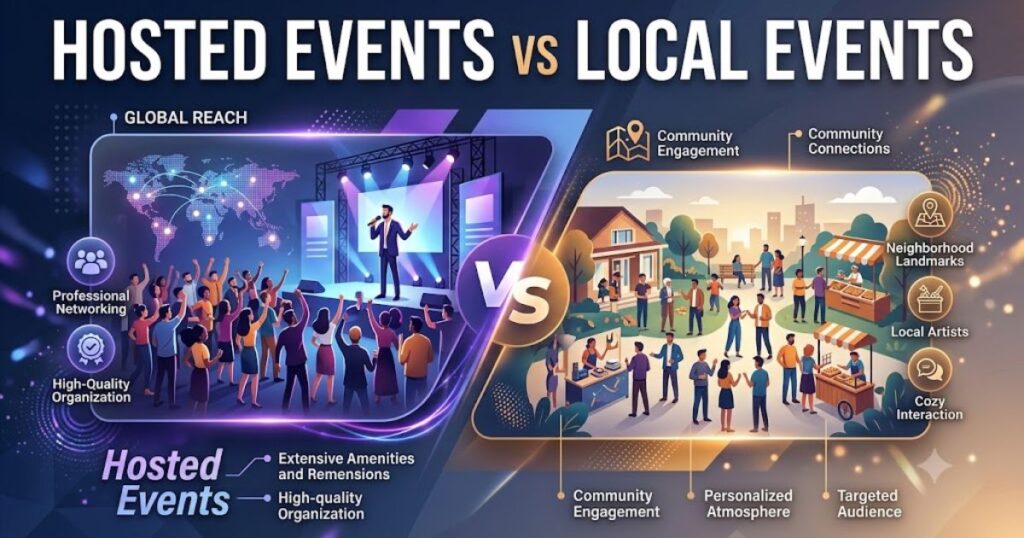
A hosted event is broadcast through a central system so many parts of the game can react. A local event (sometimes called a direct callback) is a one-to-one message between two specific pieces of code.
| Feature | Hosted Event (PBLGameEvent) | Local Event / Direct Callback |
|---|---|---|
| Number of listeners | Many, unlimited | Usually one |
| Coupling | Loose sender doesn’t know listeners | Tight sender must reference receiver |
| Best for | Game-wide moments (score, win, join) | Simple parent-child interactions |
| Debugging | Slightly harder to trace | Easier to trace directly |
| Setup effort | More upfront setup | Very little setup |
Neither approach is “better” in every case. Local events are fine for small, contained interactions. Hosted events shine when many independent systems need to know about the same moment.
Common Use Cases
Hosted Event PBLGameEvent systems are commonly used for:
- Score and progress tracking – updating the UI, leaderboard, and achievement system at once
- Player join/leave events – notifying chat systems, matchmaking, and analytics simultaneously
- Level completion – triggering save systems, UI transitions, and sound effects together
- Item pickups and inventory changes – syncing inventory UI, sound, and quest logic
- Multiplayer state changes – letting different clients or systems react to a shared game state update
Pros and Cons
Pros:
- Keeps game systems independent and easier to maintain
- Makes it simple to add new features without editing old code
- Encourages cleaner, more testable code structure
- Works well for both single-player and multiplayer games
Cons:
- Can be harder to trace bugs since the flow isn’t linear
- Overusing events for simple logic can add unnecessary complexity
- Forgetting to unsubscribe listeners can cause memory leaks or duplicate reactions
- Team members need to agree on naming conventions to avoid confusion
Common Mistakes to Avoid
- Not unsubscribing listeners. This causes “ghost” reactions where old, destroyed objects still respond to events.
- Overloading the event with too much data. Keep the payload focused send an ID or a small object, not your entire game state.
- Using hosted events for everything. Simple, direct interactions don’t need a full event system. Save it for cases with multiple listeners.
- Firing events before listeners are ready. Make sure your subscription code runs before the event can possibly fire.
- No error handling in listeners. One broken listener shouldn’t stop every other listener from running.
Expert Tips for Reliable Hosted Events
- Name your events clearly and consistently, like
PlayerScoredorLevelCompleted, not vague names likeEvent1. - Keep a central document or code comment listing all active hosted events in your project this saves huge amounts of time as your team grows.
- Add basic logging when an event fires during development, then remove or disable it for production builds.
- Test each PBLGameEvent in isolation before wiring up multiple listeners, so you know the core system works.
- Group related events together (for example, all UI events in one host) rather than using one giant global event bus for everything.
FAQs about Hosted Event PBLGameEvent
What does “hosted” mean in Hosted Event PBLGameEvent?
“Hosted” means a central system manages the event and distributes it to every listener, instead of code calling other code directly.
Is PBLGameEvent tied to a specific game engine?
No single engine “owns” this exact name. The pattern a hosted event object carrying game data to multiple listeners appears across many engines and custom frameworks under various names.
Do I need a hosted event system for a small game?
Not always. For very small or simple projects, direct function calls may be enough. Hosted events become more valuable as your project grows and more systems need to react to the same moments.
Can hosted events cause performance problems?
They can, if overused or if listeners do heavy work every time an event fires. Keep listener code light and avoid firing events too frequently in a single frame.
What’s the difference between a hosted event and a callback function?
A callback is usually a direct link between two pieces of code. A hosted event allows any number of unrelated listeners to react to the same trigger without direct references.
How do I debug a Hosted Event PBLGameEvent that isn’t firing?
Check three things first: the listener is actually subscribed, the event name matches exactly, and the firing code runs after subscriptions are set up.
Should every listener unsubscribe automatically?
Build cleanup into your object’s destroy or disable logic so listeners are removed automatically instead of relying on developers to remember manually.
Can hosted events be used in multiplayer games?
They’re especially useful for syncing UI, sound, and secondary systems in response to a shared multiplayer state change.
Is it okay to have multiple event hosts in one project?
Many teams split events by category (UI, gameplay, network) instead of using one giant global host, which keeps things organized.
What data should a PBLGameEvent carry?
Only what listeners actually need for example, a player ID and a score value, not the entire game state object.
Conclusion
A Hosted Event PBLGameEvent is a simple but powerful pattern: a central system broadcasts an event, and any number of listeners react without being directly connected. It keeps your game code organized, easier to test, and simpler to expand as your project grows.
Start small. Define one clear event, connect a couple of listeners, and confirm it works before scaling up. Clean naming, small data payloads, and proper listener cleanup will save you hours of debugging down the road.

Team Home Spacess shares simple, practical design ideas that work for real families. The team focuses on cozy décor, soft colors, and natural textures that make a space feel truly lived-in. From everyday decorating tips to creative home projects, Team Home Spacess is dedicated to helping readers create warm, comfortable, and inviting spaces with a fresh and personal touch.