
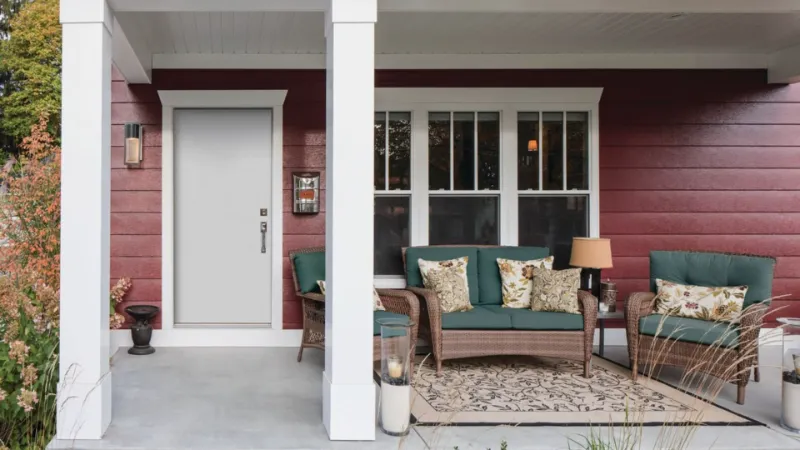
Your front door entryway is the first thing guests see and the last impression you leave as a homeowner. Yet most people treat it as an afterthought, slapping on a generic welcome mat and calling it done. The result? A flat, forgettable entrance that undermines the entire curb appeal of your home. The good news is that transforming your front door area doesn’t require a full renovation or a designer’s budget.
Whether you’re working with a narrow stoop, a wide front porch, or a covered vestibule, the right combination of entryway design ideas can completely redefine how your home feels from the outside. Think of your entrance as the cover of your home’s story it should hint at everything inside while standing beautifully on its own. From front porch styling and outdoor lighting upgrades to planters, paint, and hardware, each detail plays a powerful role.
In this guide, you’ll discover actionable front door entryway ideas that blend style, function, and personality curated with expert insights and real-world scenarios that go far beyond what most design blogs cover. Let’s make your entrance impossible to ignore.
Make a Statement with a Bold Front Door Color
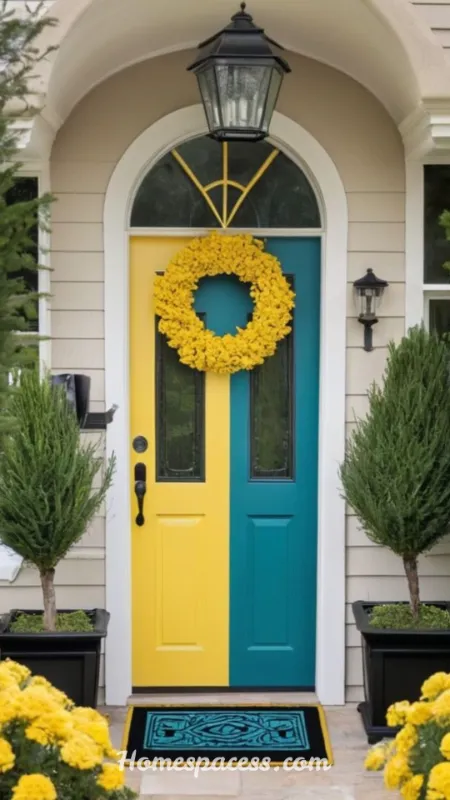
The single most impactful upgrade for any front door entryway is a fresh coat of the right paint color. A bold front door color like deep navy, forest green, burnt terracotta, or even a glossy black creates instant visual contrast against your home’s exterior. Studies in color psychology show that saturated door colors increase buyer interest by up to 7% making this one of the highest-ROI updates you can make to your home’s exterior. The key is choosing a hue that complements your siding, trim, and landscaping rather than fighting against them.
Consider the finish as carefully as the color. A high-gloss finish amplifies drama and reflects light beautifully, making even smaller entryways feel more dynamic. For a more refined, European feel, a matte or satin exterior paint works elegantly on craftsman or colonial-style homes. Real-life example: a homeowner in Austin replaced a faded tan door with a glossy hunter green, which received compliments from neighbors for months and helped the house sell above asking price within two weeks.
Don’t overlook the door frame and trim when repainting. Painting the frame in a contrasting or complementary trim color adds architectural definition and makes the door feel intentional. Crisp white or warm cream trim against a dark door is a classic combination that never goes out of style. Always use exterior-grade paint rated for UV and moisture resistance to ensure the color holds season after season.
🎨 Style Note:
High-gloss finishes work best on smooth, modern doors. If your door has deep grooves or carved panels, a satin finish prevents uneven light reflection.
💡 Pro Tip:
Test your chosen color on a large foam board and prop it against your door during different times of day morning light and evening sun can dramatically change how a color reads.
See Related Articles: Entryway Decor Ideas: Transform Your First Impression Into a Lasting Statement
Upgrade Your Door Hardware for Instant Elegance
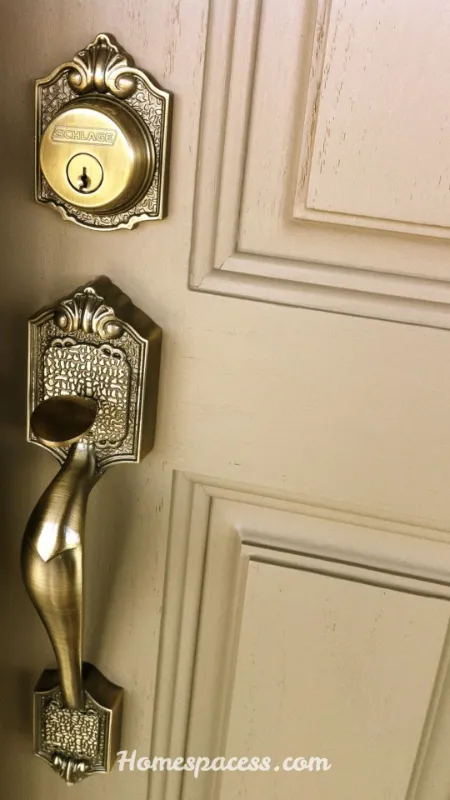
Swapping out dated door hardware is one of the fastest and most cost-effective front door entryway upgrades available. A mismatched or corroded handle, knocker, or house number plate sends subtle signals of neglect that visitors register immediately, even if they can’t name why. Modern door hardware finishes like matte black, brushed brass, satin nickel, and oil-rubbed bronze each carry a distinct design personality and choosing the right one can tie together your entire exterior aesthetic.
For a cohesive look, match your door handle, knocker, mail slot, and house numbers to the same finish. This level of intentionality signals design confidence and elevates even a modest entryway. A classic New England colonial home, for example, was transformed simply by replacing its weathered brass hardware with a full set of matte black pieces the result looked like a professional renovation at a fraction of the cost.
Consider upgrading to a smart lock or keypad entry system that doesn’t sacrifice aesthetics. Many modern smart locks are available in premium finishes and offer the dual benefit of improved security and enhanced curb appeal. Brands like Schlage and Baldwin make architectural-grade hardware that blends security features with high-end design. This is especially valuable for rental properties, vacation homes, and resale-focused renovations.
🎨 Style Note:
Matte black hardware pairs beautifully with warm wood doors and white trim. Brushed brass creates warmth on darker exteriors and Mediterranean-style homes.
💡 Pro Tip:
Measure your existing hardware before buying replacements door handle bores come in standard sizes, but some older homes require custom drilling.
You May Also Like: 20 Stunning Door Painting Ideas That Actually Transform your Home
Frame Your Entryway with Architectural Planters
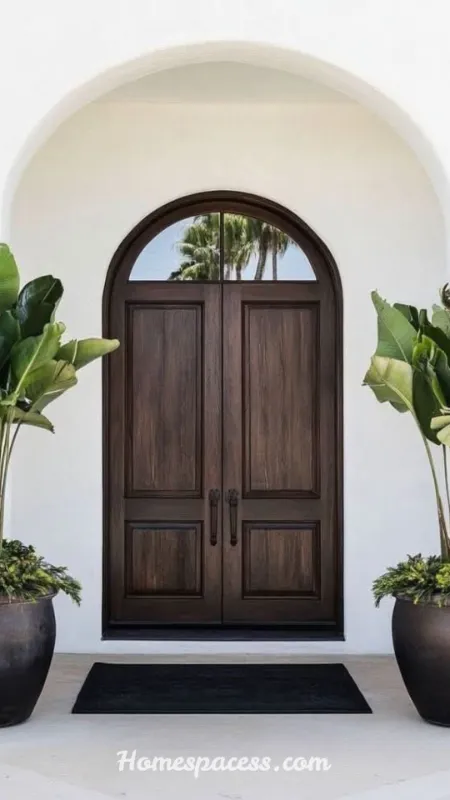
Well-placed front door planters create a natural frame around your entrance, drawing the eye toward the door while softening the hard lines of brick, siding, or concrete. Symmetrical placement using matching containers on either side of the door is the most classic approach it communicates order, intentionality, and a sense of welcome that asymmetrical arrangements rarely achieve. Choose planter materials that complement your home’s style: cast iron urns for traditional homes, sleek rectangular fiberglass pots for modern facades, and terracotta or glazed ceramic planters for Mediterranean or eclectic aesthetics.
Plant selection is just as important as container choice. For year-round structure, combine a tall evergreen topiary or boxwood ball with seasonal underplanting spring tulips, summer trailing petunias, fall mums, and winter cabbage or ornamental kale.
This layered approach ensures your front entryway landscaping looks intentional in every season. A Seattle homeowner transformed a dull concrete stoop into a showpiece using two oversized olive trees in whitewashed concrete planters flanking a cobalt blue door the combination went viral on a neighborhood home-design Instagram page.
Scale matters enormously. Undersized planters next to a tall door look timid and unbalanced. As a rule, your planters should be at least one-third the height of your door when plants are included. For narrow stoops, opt for tall, columnar planters that add vertical interest without consuming floor space. Self-watering inserts are a practical addition for busy homeowners, ensuring your entryway container garden stays lush without constant attention.
🎨 Style Note:
Odd numbers of plants within each planter (1 thriller, 3 fillers, 2 spillers) create dynamic visual interest over flat, single-species plantings.
💡 Pro Tip:
Elevate planters on low risers or decorative platforms to increase their visual height and prevent water damage to your porch or stoop surface.
Recommended for You: 27 Library Room Ideas to Transform Any Space Into a Dream Home Library
Install Layered Outdoor Lighting for Safety and Style
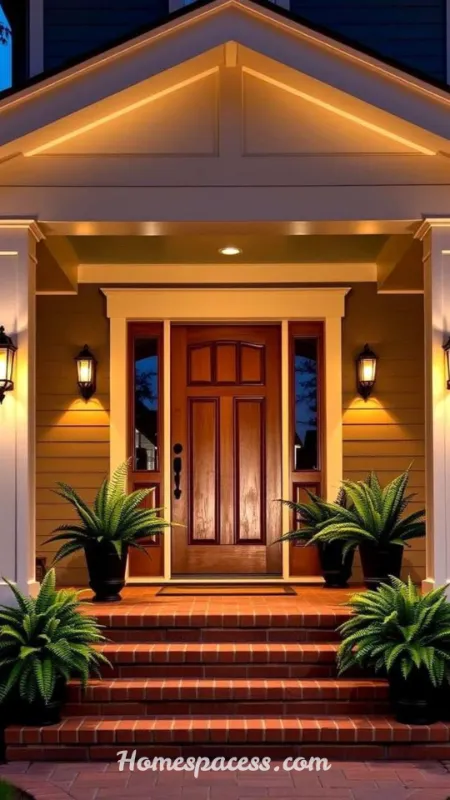
Thoughtful front door lighting does double duty: it improves nighttime safety and security while creating a warm, inviting glow that defines your home’s character after dark. Most homeowners make the mistake of relying on a single overhead fixture but true entryway lighting design uses three layers: ambient lighting from overhead sconces, accent lighting to highlight architectural features or plants, and path lighting to guide visitors safely from the street to the door.
For sconce placement, the ideal height is approximately 66 inches from the ground to the center of the fixture, which aligns with eye level and creates balanced illumination. Matching a pair of wall-mounted lanterns flanking a centered overhead pendant creates the most polished look for traditional and transitional-style homes. For modern exteriors, sleek LED wall sconces with directional light provide a clean, architectural feel. Consider warm white bulbs (2700K–3000K) for a welcoming amber glow rather than cool white, which can feel clinical.
Solar-powered pathway lights have improved dramatically in recent years, making them a practical and sustainable option for guiding visitors to your front door entryway. Embed low-voltage lights along the walkway edges or choose step lighting inserts for staircases leading to the door.
Motion-activated security lights with adjustable sensitivity provide added safety without the harsh, institutional look of traditional floodlights. A homeowner in Chicago used a warm-toned string of Edison bulbs draped along a pergola over the entry path creating an atmospheric tunnel of light that made the entryway feel like an event every time they came home.
🎨 Style Note:
Lantern-style fixtures work beautifully on craftsman and colonial homes, while cylinder or drum pendant fixtures suit modern and minimalist facades.
💡 Pro Tip:
Install a smart dimmer or timer on your entryway lights to create consistent ambiance every evening without manual control many smart switches are compatible with existing wiring.
More on This Topic: 18 Brilliant Laundry Room Ideas That Actually Transform the Space
Design a Layered Welcome Mat and Rug System
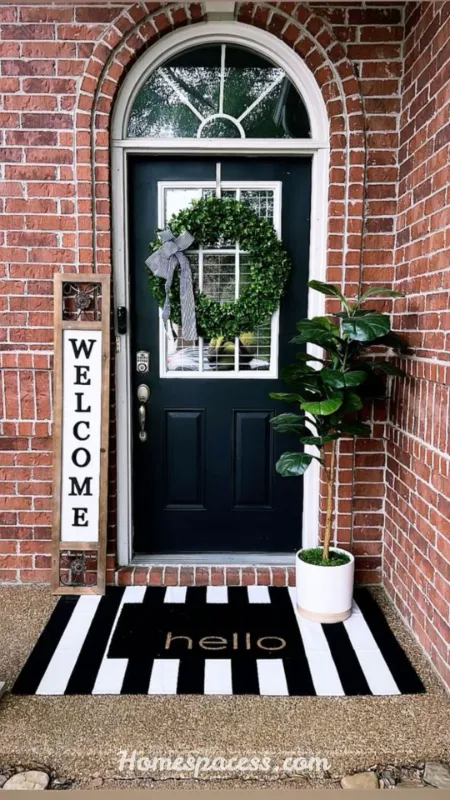
The front door welcome mat is often the most overlooked element in entryway design, yet it’s one of the first things visitors touch. A single thin mat on a bare concrete stoop looks perfunctory. Instead, consider a layered rug system that combines a large, durable outdoor rug as a base with a smaller, decorative mat placed on top a technique borrowed directly from high-end interior designers applied to the exterior. This creates visual depth, defines the welcome zone, and adds a surprising level of polish.
For material choice, coir fiber mats are excellent for scraping dirt from shoes. Polypropylene outdoor rugs resist moisture and fading, making them ideal for covered or open stoops in variable climates. Natural jute adds a warm, organic texture for farmhouse and cottage-style homes but should be limited to fully covered entryways to prevent moisture damage.
A real-world scenario: a Brooklyn brownstone owner layered a black-and-white striped polypropylene runner under a personalized jute monogram mat the combination photographed so well she received three inquiries about the source in a single week.
Size is critical. The mat should be wide enough for two people to stand side by side generally at least 24 inches wide for single doors, and 36 inches or wider for double-door entries. Placement matters too: the mat should sit fully on the surface with no curling edges that could cause tripping. For seasonal entryway decorating, switching the top decorative mat while keeping the functional base layer allows for quick visual refreshes without full replacements.
🎨 Style Note:
Darker base rugs (charcoal, navy, black) are more forgiving of dirt and footprint marks, while lighter-toned mats make a bolder visual statement on darker-stained wood porches.
💡 Pro Tip:
Use rug gripper tape on both layers to prevent sliding, especially on smooth tile or sealed concrete surfaces a sliding mat is both a safety hazard and a design eyesore.
See Also: 25 Home Decor Ideas That Actually Transform Your Space
Add a Porch Swing or Outdoor Bench for Functional Charm
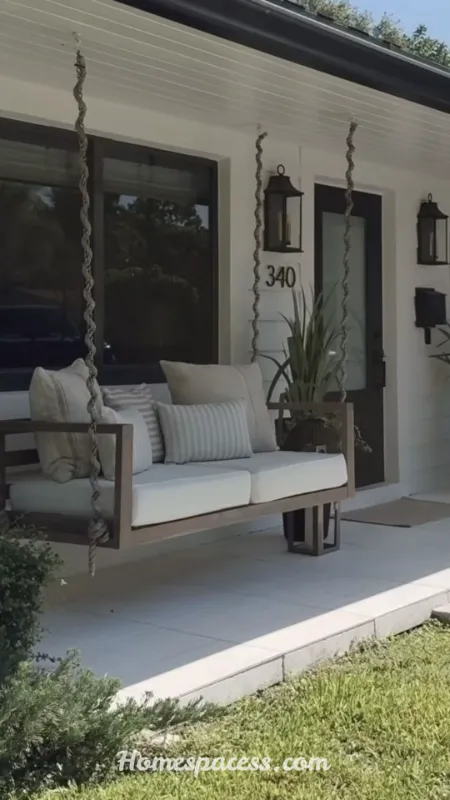
A front porch bench or swing immediately communicates that your home is a welcoming, livable space not just a facade. Functionally, it provides a place to sit while removing shoes, wait for a rideshare, or simply enjoy the neighborhood. Aesthetically, it grounds the entryway with a human-scale element that no decorative accessory can replicate. For covered porches, a classic wooden porch swing with rope or chain hardware adds nostalgic charm, while a sleek metal bench with clean lines suits more contemporary homes.
Seating material should be chosen with longevity in mind. Teak and cedar wood naturally resist moisture and insects, making them excellent choices for outdoor use. Powder-coated steel and aluminum are low-maintenance alternatives that don’t splinter or warp.
Add a waterproof cushion in a durable indoor-outdoor fabric to enhance comfort without sacrificing durability Sunbrella and similar solution-dyed acrylic fabrics resist UV fading and mold. A homeowner in Savannah added a restored vintage wrought-iron bench with a tufted navy cushion to her front stoop the result became a signature feature of the entire street.
For smaller stoops where a full bench isn’t feasible, consider a narrow entryway accent bench (12–14 inches deep) or a folding wall-mounted seat that can be tucked flat when not in use. Pair any seating element with a small side table or drink ledge for the final touch of livability. These additions signal to every visitor that your front door entryway was designed to be experienced, not just passed through.
🎨 Style Note:
A porch swing hung with black chain hardware against white bead-board ceiling creates the quintessential Southern front porch aesthetic that never goes out of style.
💡 Pro Tip:
If using a hanging swing, ensure your porch ceiling joists can support at least 500 lbs always anchor into structural wood, not just the ceiling finish material.
Use Vertical Elements to Add Height and Drama
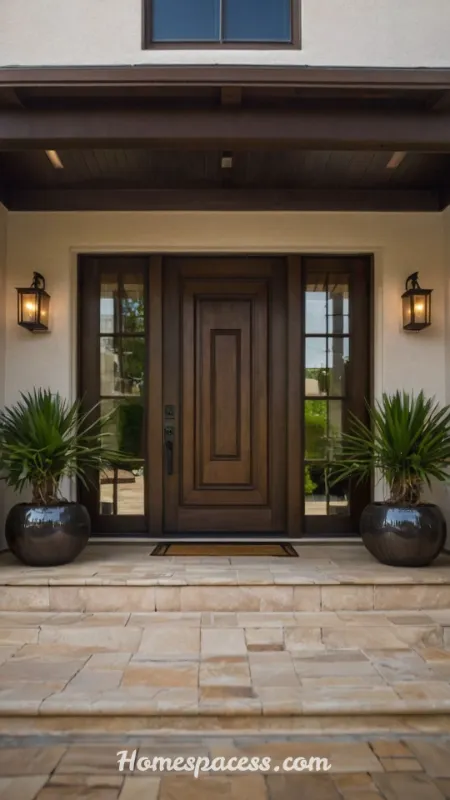
Flat, horizontal entryways feel static and uninviting. Adding vertical design elements draws the eye upward and creates a sense of grandeur that makes even modest homes feel more impressive. Classic options include climbing vines on a trellis, tall columnar planters with ornamental grasses, or architectural columns flanking the door. Each approach adds height, movement, and visual complexity that transforms a flat entry into a composed design moment.
For homeowners who prefer a structured look, pilasters or decorative columns can be added to an existing porch with relative ease fiberglass and PVC columns are available at most home improvement stores and can be painted to match any trim color.
For a more organic approach, train climbing roses, wisteria, or star jasmine up a simple wall-mounted trellis to create a living archway. A cottage homeowner in Devon grew a combination of climbing rose and clematis over a wooden arch the result looked centuries old within three seasons and became the most-photographed home on her block.
Vertical lighting also contributes to this upward visual movement. Installing tall, narrow sconces or a pendant light with a long decorative chain draws the eye from ground level up through the facade. For homes with transom windows above the door, ensure those windows are kept clean and well-maintained they act as a natural vertical extension of the door that few homeowners take full advantage of. Decorative window film or frosted glass treatment on transoms can add privacy and visual interest simultaneously.
🎨 Style Note:
Vertical elements are especially effective on homes with low-pitched rooflines they visually lift the roofline and make single-story homes feel taller.
💡 Pro Tip:
When using climbing plants, install galvanized wire guides or a hidden trellis system flush with the wall this prevents plant tendrils from damaging mortar joints or paint.
Create a Seasonal Wreath and Door Decor System
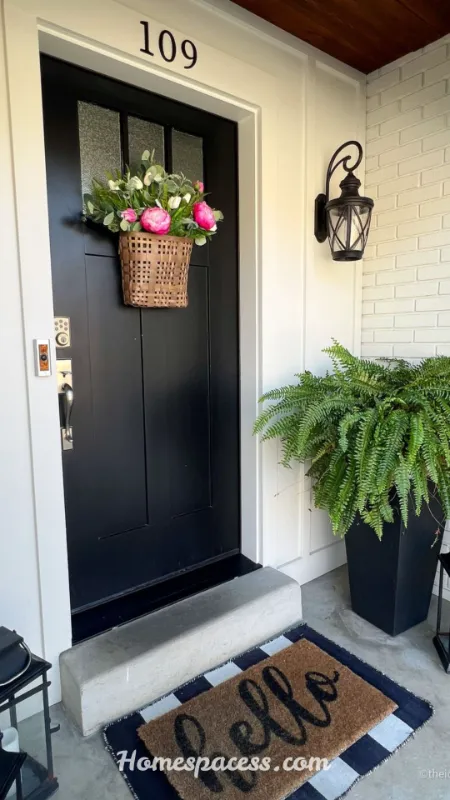
A front door wreath is one of the most universally appealing entryway decorations because it fills the large visual field of the door panel without requiring permanent changes. The key to doing it well is treating it as part of a seasonal door decor system rather than a one-time purchase. Invest in a quality over-the-door hook rated for your door thickness, then build a collection of wreaths that you rotate throughout the year: fresh greenery for winter, spring blooms, dried botanicals for fall, and lightweight willow or rattan for summer.
Beyond wreaths, consider the full door face as a display canvas for entryway seasonal decor. A door with a simple wreath, a hanging planter hook above, and a ribbon-tied bundle of seasonal stems below creates a composed vertical display that feels curated and editorial.
For farmhouse and cottage styles, a greenery garland draped across the top of the door frame adds an abundant, welcoming fullness that single wreaths can’t achieve. Real scenario: a homeowner in Nashville uses six different wreaths, each stored in a labeled box, rotating them on the first day of each major season her neighbors began calling it the ‘door calendar’.
Quality matters enormously with door decor. Cheap wreath forms and artificial flowers look noticeably fake at close range. Budget for preserved or dried natural materials eucalyptus, lavender, dried citrus, and cotton bolls which photograph beautifully and last for months. For a more modern look, an architectural ring wreath made from bent metal, driftwood, or geometric wire forms works beautifully on contemporary and industrial-style homes where traditional floral forms would clash with the aesthetic.
🎨 Style Note:
Scale your wreath diameter to the door width a good rule is to aim for a wreath that fills roughly 50–65% of the door’s width for visual balance.
💡 Pro Tip:
Protect preserved wreaths from direct rain by installing a simple projecting door canopy even a small overhang can extend a quality wreath’s life from weeks to months.
Style Your Entry with Curated House Numbers and Signage
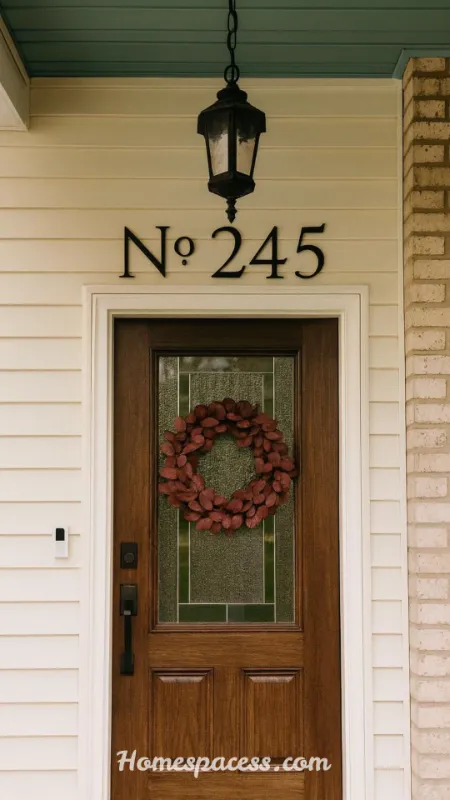
House numbers are one of the most underestimated elements of front door entryway design. The standard stamped aluminum numbers that come with most homes are functional, but they communicate nothing about the personality of the space. Upgraded architectural house numbers in premium finishes cast zinc, brushed stainless, hand-painted ceramic tile, or backlit LED make a strong design statement while also improving address visibility for delivery drivers and emergency services.
Placement and sizing are as important as style. Numbers should be visible from the street at a comfortable reading distance, meaning a minimum height of 4 inches for residential addresses with clear contrast against the mounting surface. Mounting on a dedicated address plaque or number plate creates a more finished look than numbers mounted directly to siding.
For homes set back from the street, consider a secondary set of numbers on the mailbox or gate post in addition to those on the door. A landscape designer in Los Angeles styled large matte black house numbers directly on a white stucco column beside the entry the bold graphic contrast became a defining feature of the property.
Beyond numbers, small welcome signs, family name plaques, or custom door knockers add a personal storytelling dimension to your entry. These should be chosen thoughtfully a hammered copper name plate on a modern farmhouse, a hand-painted ceramic address tile on a Mediterranean villa, or a nautical brass porthole-style knocker on a coastal cottage. Each piece says something about who lives inside.
🎨 Style Note:
For a cohesive look, ensure your house numbers match the finish of your door hardware the same metallic tone ties everything together without effort.
💡 Pro Tip:
Install house numbers on the wall beside the door rather than on the door itself mounted on a stable surface, they stay aligned and visible even when the door is open.
Layer Texture with a Front Door Pergola or Canopy
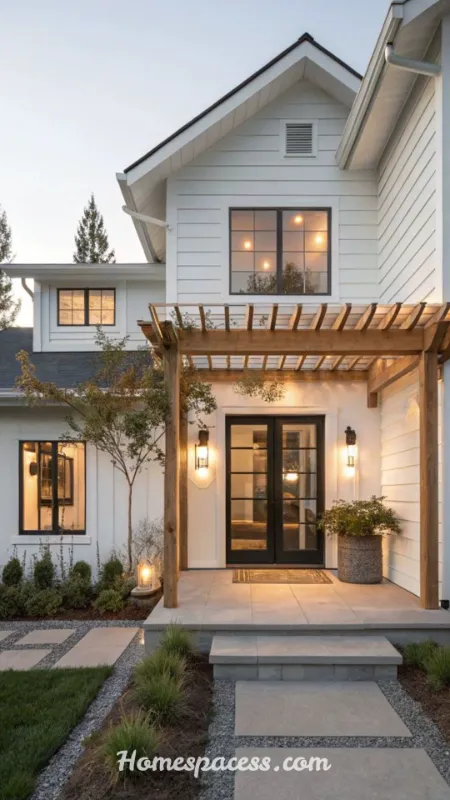
A front door pergola or entry canopy is one of the highest-impact structural additions you can make to a home’s entryway. It provides functional shelter from rain and sun while dramatically elevating the architectural presence of the entrance. Even a simple, narrow pergola just 4 feet deep creates a defined transition zone between the outside world and the home, which designers call a ‘threshold moment’ a psychological cue that you’re entering a curated, intentional space.
Material choice shapes the entire character of the canopy. Cedar or Douglas fir pergolas with open lattice work are classic and suit craftsman, cottage, and colonial styles. Powder-coated steel pergolas with a flat roof profile work beautifully on contemporary and industrial homes.
For a more dramatic effect, a carved wooden portico with classical pediment detailing can transform a featureless flat facade into something with genuine architectural character. A homeowner in Portland added a simple cedar pergola with climbing hydrangeas the addition increased the perceived value of the home by a significant margin according to a subsequent appraisal.
For homes in climates with heavy rainfall, a solid roof canopy with metal or polycarbonate panels provides weatherproofing that open pergolas can’t. These can be styled with wood cladding on the underside for warmth, or left with exposed metal for an industrial-modern look. Adding integrated pendant lighting inside the canopy ceiling creates an intimate, lantern-like effect at night and makes the entryway feel architectural and considered in all lighting conditions.
🎨 Style Note:
Paint a pergola to match your home’s trim color a contrasting pergola color can look busy and disconnected from the overall exterior scheme.
💡 Pro Tip:
Ensure any structural canopy or pergola has a positive slope away from the house (at least 1:10 pitch) to prevent water pooling and potential roof damage.
Coordinate Your Entryway with Cohesive Exterior Design
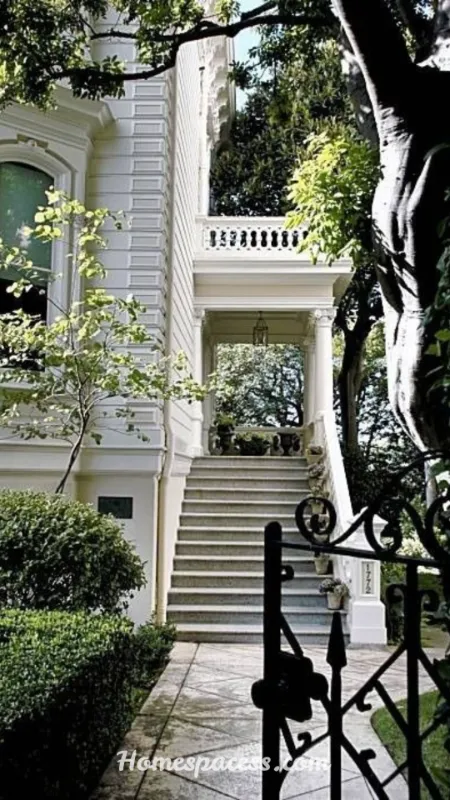
The most beautiful individual elements will fall flat if they don’t work together as a unified exterior entryway design scheme. Cohesion is achieved through a consistent color palette, a shared material language, and a unified design vocabulary across all elements door color, hardware finish, planter material, lighting style, and mat texture should all be pulling in the same direction. Interior designers call this ‘the thread’ a repeating element that ties every piece together.
Start by creating a simple front door mood board using photos of entryways whose overall feel resonates with you. Pin or digitally compile examples of door colors, hardware, lighting, and plants, and look for common threads perhaps you’re drawn to white trim with dark accents and brass details, or to warm terracotta with natural textures and warm lighting.
This exercise takes 30 minutes but saves hours of expensive trial and error. A graphic designer in Seattle created a detailed entryway renovation mood board before buying a single item her final result matched the board almost exactly and photographed like a design magazine spread.
Pay special attention to the visual weight balance of your entryway. A heavy, oversized wreath on a narrow door overwhelms the space; a tiny mat under a grand double door looks comically understated. Every element should feel proportional to the door, the porch, and the home’s overall scale. Use the golden ratio principle roughly 1:1.618 when sizing accessories relative to each other. When in doubt, go slightly larger rather than smaller: generous scale signals confidence and hospitality, which is exactly what a great front door entryway should communicate.
🎨 Style Note:
Limiting your entryway palette to 3 colors maximum one dominant, one secondary, and one accent prevents visual clutter and creates a professionally designed appearance.
💡 Pro Tip:
Photograph your current entryway and review it on your phone screen the small scale of a phone photo reveals compositional imbalances that are easy to miss when standing in front of the space.
Conclusion
A beautifully designed front door entryway is more than just curb appeal it’s a daily act of hospitality toward everyone who arrives at your home, including yourself. The ideas in this guide, from bold door colors and layered lighting to cohesive material palettes and architectural planters, each offer a proven path from forgettable to unforgettable.
Start with one change that excites you most whether that’s a fresh coat of paint or a new set of architectural house numbers and let the momentum carry you toward the entrance your home deserves.
Front Door Entryway Trends: 2026 and Beyond
The front door entryway design trends of 2026 are defined by a tension between maximalism and restraint homeowners are rejecting bland, builder-grade entrances in favor of spaces that make bold personal statements, but the execution is increasingly refined. The standout movement is the rise of biophilic entryway design the intentional integration of natural materials, living plants, and organic textures to create an entrance that feels simultaneously alive and grounded. Moss walls beside the door, water features built into entry pillars, and oversized statement trees in architectural planters are all gaining significant traction among architectural and interior design publications.
Color trends in 2025 are moving toward deep, complex jewel tones for front doors particularly deep plum, rich peacock blue, and warm bronzed ochre replacing the greens and navies that dominated the previous decade. These colors pair unexpectedly well with natural stone and warm wood exteriors, creating entrances that feel sophisticated and globally inspired.
At the same time, a counter-trend toward ultra-minimal white and off-white entries inspired by Scandinavian and Japanese design philosophies is gaining momentum, particularly in urban and suburban contexts where the surrounding environment is visually complex.
Looking forward to 2026–2028, the most significant emerging trend is the tech-integrated entryway. This goes beyond smart locks to include biometric entry systems with concealed sensors, video doorbells integrated invisibly into architectural hardware, solar-harvesting canopy systems that power entryway lighting autonomously, and even AI-powered delivery management systems embedded in entry columns. The future front door entryway will be as intelligent as it is beautiful seamlessly blending technology into materials and forms that look entirely traditional from the outside.
🎨 Style Note:
The biophilic trend favors vertical living walls and oversized tropicals near the door this works exceptionally well in USDA zones 9+ where tropical plants survive mild winters outdoors.
💡 Pro Tip:
Follow design-forward Instagram accounts like @remodelista, @house_beautiful, and @architecturaldigest to track emerging entryway trends before they hit mainstream home improvement stores.
Expert Insights: What Interior Designers Always Do (and Most Homeowners Skip)
Experienced exterior and interior designers who specialize in residential homes consistently emphasize that the biggest mistake homeowners make is designing the front door in isolation without considering the full approach sequence from street to threshold.
A truly great entryway begins at the property line: the driveway material, the front path design, the flanking plantings, and the gate (if present) are all part of the entry experience. Each transition point from street to path, path to porch, porch to door should be marked with a design decision that signals arrival and welcome.
Designers also consistently recommend investing in quality over quantity for entryway elements. One exceptional lantern is infinitely better than two mediocre ones. One architectural-grade planter filled with a curated plant combination outperforms four cheap pots filled with matching annuals.
This principle of ‘considered restraint’ having fewer elements but making each one count is the hallmark of professional entryway styling. It’s also more sustainable and ultimately more economical, since quality pieces last far longer than budget alternatives.
A particularly overlooked expert tip is the importance of the transition zone inside the front door the indoor entry foyer or mudroom. Even the most stunning exterior entry can feel deflating if visitors step inside to chaos. Designers recommend that the visual thread established at the exterior the color palette, material language, and overall tone continues at least partially into the interior entry zone. A console table, mirror, and pendant light just inside the door that harmonize with the exterior creates a seamless transition that makes the entire home feel more cohesive and considered.
🎨 Style Note:
The ‘first impression sequence’ principle from luxury hotel design is highly applicable here every decision from street to interior should feel like an escalating welcome.
💡 Pro Tip:
Use Google Street View to photograph your home at different times of the year this exercise quickly reveals how seasonal changes affect your entryway’s appearance and inspires targeted improvements.
Sustainability and Long-Term Value in Front Door Entryway Design
Sustainability in front door entryway design is no longer just an ethical choice it’s increasingly a financial and practical one. Materials that last longer require fewer replacements, generate less waste, and maintain their appearance better over time. FSC-certified wood for pergolas and benches, recycled composite materials for decking and steps, and low-VOC exterior paints are all examples of sustainable choices that align environmental responsibility with long-term performance.
Native plant landscaping around the entryway offers compelling sustainability advantages. Native plants require dramatically less water once established, need no synthetic fertilizers, support local pollinators, and are naturally adapted to your regional climate meaning they look healthy without constant intervention.
Replacing a high-maintenance tropical display with a thoughtfully curated native plant entry garden can reduce outdoor water usage around the entry by 50–70% while creating a more authentic connection to the local landscape. This approach is also increasingly valued by homebuyers, particularly in drought-prone markets like California, Arizona, and Texas.
From a long-term value perspective, research consistently shows that front door and entryway upgrades deliver some of the highest returns on investment of any home improvement category. The 2024 Remodeling Cost vs. Value report found that front door replacement consistently ranks in the top five highest-ROI projects, with steel door replacement recouping over 100% of cost in many markets. Beyond resale, a beautifully designed entryway enhances daily quality of life the psychological effect of arriving home to a welcoming, attractive entrance is a genuine, if hard-to-quantify, return on your investment.
🎨 Style Note:
Solar-powered entryway lighting is now available in designs that rival hardwired fixtures a practical and sustainable upgrade that requires no electrical work.
💡 Pro Tip:
When selecting exterior paint, choose formulas rated for 15+ years with built-in mildewcides and UV blockers the slightly higher upfront cost pays back immediately in reduced repainting frequency.
The Future of Front Door Entryways: Smart Tech and New Materials
The future of entryway design is being shaped by convergence between architectural materials science and consumer technology. Self-healing exterior paints already in commercial use are expected to reach the residential market by 2027, enabling front door finishes that repair minor scratches and scuffs autonomously.
Thermochromic coatings that subtly shift hue with temperature changes are being developed for architectural applications, offering the potential for a door that literally changes character between morning and evening light.
In the hardware and access space, biometric entry systems are advancing beyond fingerprint readers to include facial recognition integrated into conventional-looking door hardware, palm-vein readers embedded in door handles, and AI-powered visitor recognition that learns family members and trusted contacts automatically.
These systems are becoming increasingly aesthetically integrated designed to look like premium architectural hardware rather than security technology, which is the critical threshold for mainstream residential adoption.
The intersection of augmented reality and entryway design is also developing rapidly. AR apps that let homeowners visualize door colors, hardware, and lighting in real time on their actual home exterior photographed on their phone are already available from companies like Sherwin-Williams and Behr, but are rapidly becoming more sophisticated. Within the next 3–5 years, expect full AI-powered entryway styling tools that can generate complete, purchasable entry makeover plans based on a single smartphone photograph of your home’s facade, instantly linked to e-commerce for immediate purchase.
🎨 Style Note:
When investing in smart entry technology, choose open-protocol systems (Z-Wave, Zigbee, Matter-compatible) rather than proprietary platforms to ensure long-term compatibility with evolving smart home ecosystems.
💡 Pro Tip:
Use Sherwin-Williams’ Color Snap Visualizer or Behr’s Color Smart app today to digitally test door colors on your home’s actual exterior photo before committing to any paint purchase.
Common Entryway Mistakes That Undermine Even Beautiful Homes
One of the most common mistakes in front door entryway design is ignoring the condition of surfaces that seem secondary. Cracked concrete walkways, stained or peeling porch decking, or rust-streaked steps undermine even the most beautifully styled door and accessories. Before investing in decorative elements, conduct a surface audit of every surface visible from the street: walkway, steps, porch floor, wall faces, and overhead soffit. Addressing these foundational issues first ensures your decorative investments don’t sit atop a visually damaged foundation.
Another frequently overlooked error is the mismatched scale problem. This happens when an element that looks good in a product photo is purchased without reference to actual dimensions. A lantern that looks substantial on a website can appear doll-house small against a 10-foot exterior wall. Always calculate proportional sizes before purchasing lighting, planters, or hardware as a rule, sconces should be roughly one-quarter to one-third the height of the door, and planters should visually anchor the entry rather than float beside it.
Finally, many homeowners make the mistake of over-decorating. The most powerful front door entryways follow the principle of ‘edited abundance’ each element earns its place and the whole composition has breathing room. When an entryway has a wreath, two planters, a bench, a wind chime, three lanterns, seasonal flags, and a welcome sign simultaneously, the result is visual noise rather than curated style. Choosing 4–5 intentional elements and executing them beautifully creates a far stronger impression than accumulating accessories without editorial discipline.
🎨 Style Note:
If you’ve been adding elements incrementally over the years, try removing everything and restyling from scratch the edit alone often reveals a more elegant composition than gradual accumulation achieves.
💡 Pro Tip:
The ‘one thing rule’ making one element the clear star of your entryway (the door color, an oversized planter, a distinctive lantern) and letting everything else support it is the fastest path from cluttered to composed.

Team Home Spacess shares simple, practical design ideas that work for real families. The team focuses on cozy décor, soft colors, and natural textures that make a space feel truly lived-in. From everyday decorating tips to creative home projects, Team Home Spacess is dedicated to helping readers create warm, comfortable, and inviting spaces with a fresh and personal touch.