

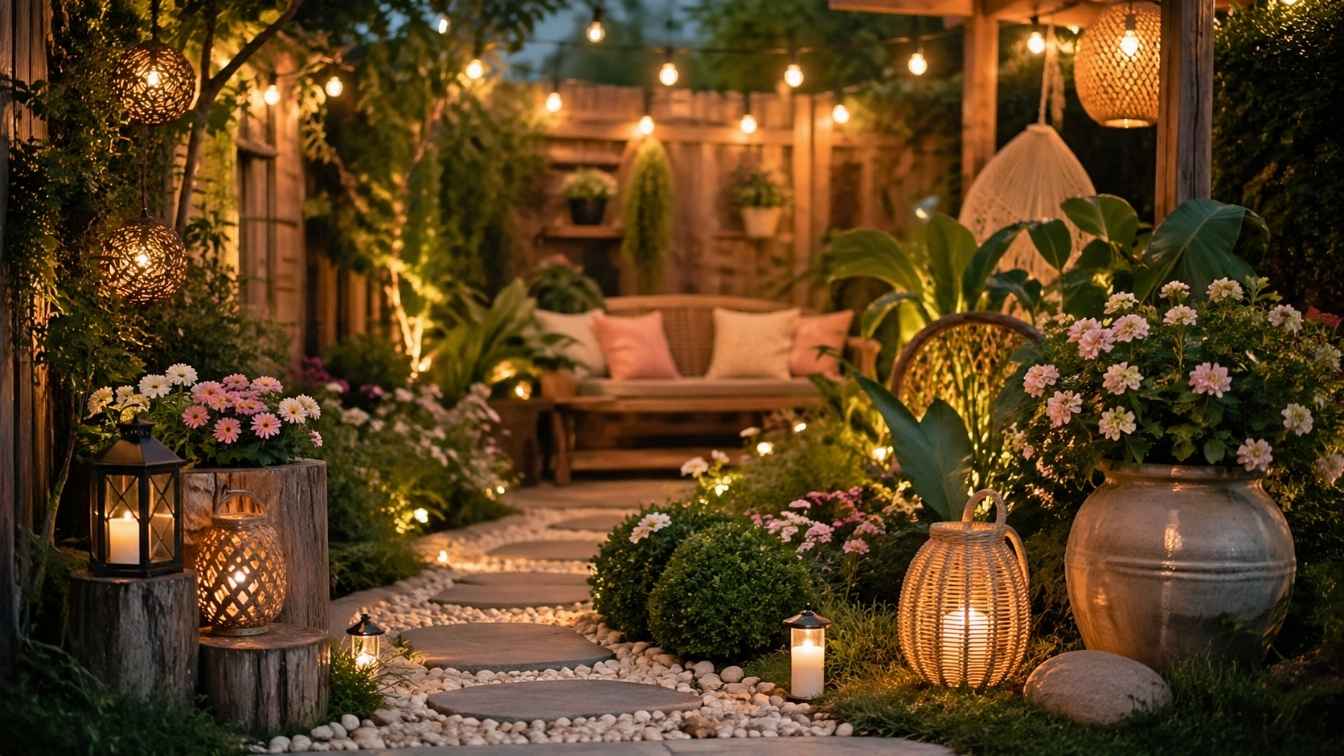
Is your garden feeling flat, forgettable, or just plain uninspiring? You’re not alone most outdoor spaces have untapped potential hiding in plain sight. This expert guide walks you through 8 powerful garden decor ideas that go beyond generic advice, helping you create a space that’s both beautiful and deeply personal.
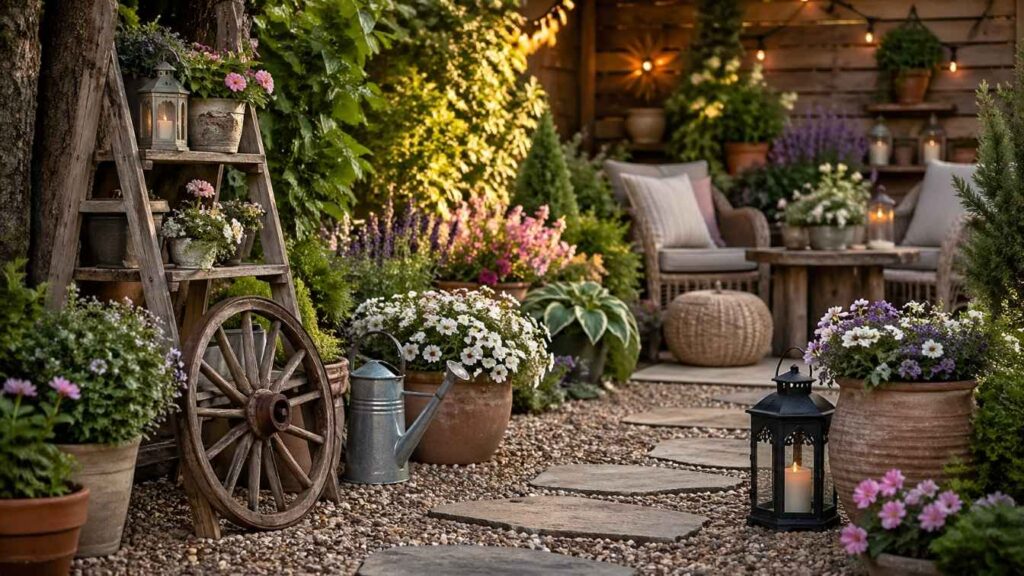
Garden Decor Ideas are simple and creative ways to improve and style your outdoor space. They include adding plants, lights, furniture, pathways, and small decorative items. These ideas help make your garden look clean, fresh, beautiful, and more comfortable for relaxing and spending time.
Do you want a garden that feels peaceful, stylish, and welcoming every day? Even small changes can completely improve the look of your outdoor space. With the right Garden Decor Ideas, you can turn any garden into a calm, beautiful, and enjoyable place for family and friends.
Layered Vertical Gardens
Maximize Beauty in Minimal Space
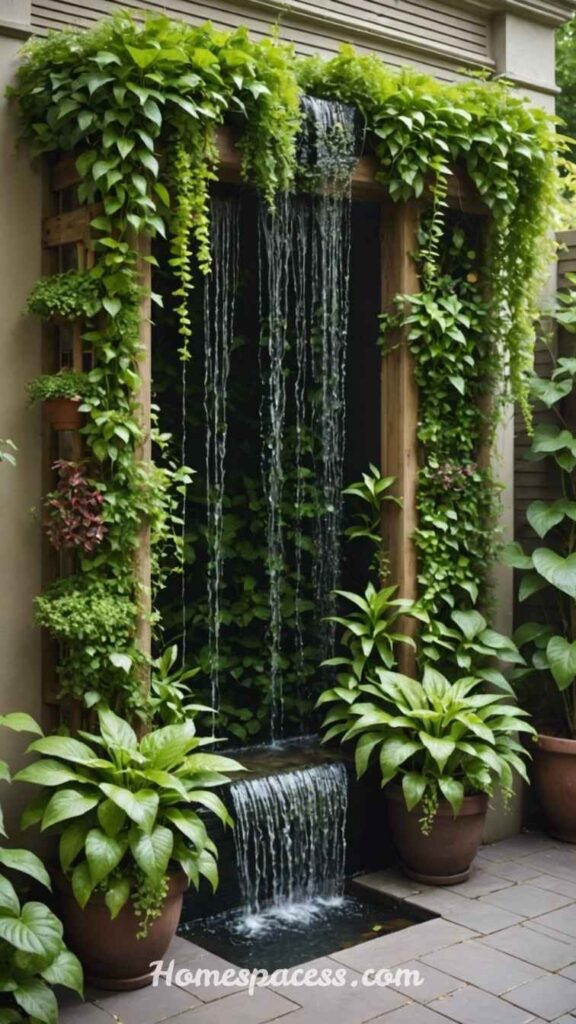
Vertical gardens solve one of the most common outdoor challenges: limited ground space. By stacking plants on trellises, wall-mounted pocket planters, or tiered shelving units, you create visual depth that transforms a plain fence or wall into a living work of art. This approach works exceptionally well in urban gardens, apartment balconies, and compact courtyards.
The key to making a vertical garden look polished not cluttered is intentional layering. Place tall, bold-leafed plants like elephant ears or ferns at the back or top, mid-size trailing plants like pothos in the middle, and compact flowering plants at eye level. This “thriller, filler, spiller” principle, borrowed from container gardening, applies beautifully to vertical setups and is something most budget garden guides overlook.
Pro Insight
Use a drip irrigation strip behind your vertical panel to automate watering this reduces maintenance dramatically and is a trick professional landscape designers use for wall gardens in commercial spaces.
Read More: Simple Bedroom Decor Ideas to Make Your Room Look Modern and Fresh
Outdoor Lighting Design
Set the Mood After Sundown
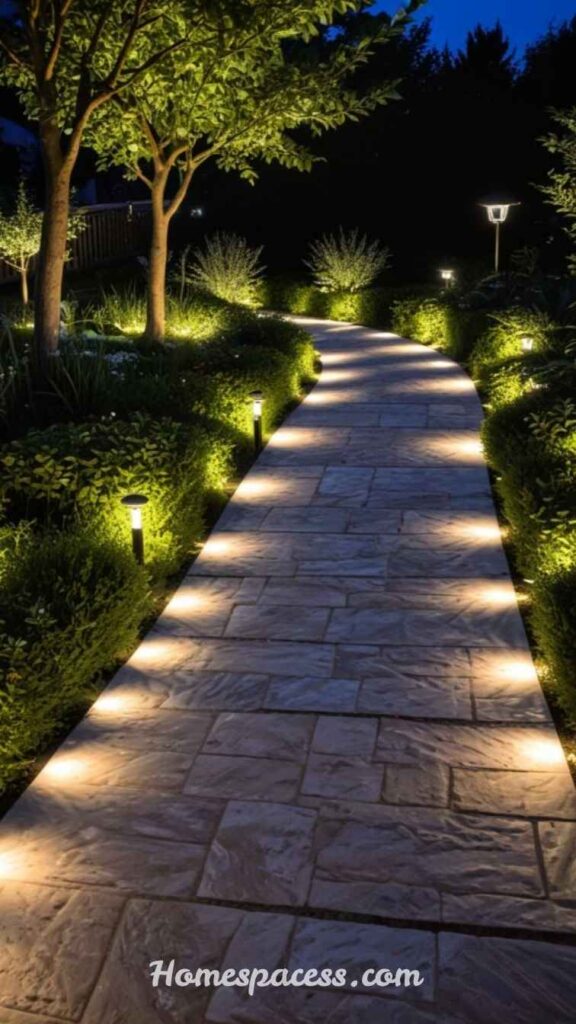
Garden lighting is one of the highest-impact, lowest-cost improvements you can make yet most people only think of it as an afterthought. Strategic garden lighting serves three purposes: safety, ambiance, and architectural drama. Solar fairy lights, path lanterns, uplighting on trees, and underwater pond lights each serve a distinct function, and combining them creates a layered effect that makes your garden feel like an outdoor room.
The biggest mistake homeowners make is using a single light source. Professionals always work in at least three light levels: ambient (overall glow), task (pathways, steps), and accent (specific plants, sculptures). For example, a single uplighter beneath a Japanese maple tree creates a striking silhouette effect at night that transforms an ordinary tree into a sculptural centrepiece. This three-layer approach is rare in beginner guides but standard in garden design practice.
Smart Tip
Choose warm-toned LEDs (2700K–3000K) for garden spaces cooler white LEDs flatten organic textures and make greenery look clinical rather than inviting.
Must Raed: Kitchen Lighting Ideas to Create a Cozy and Modern Cooking Space
Water Features & Fountains
Add Sound and Serenity
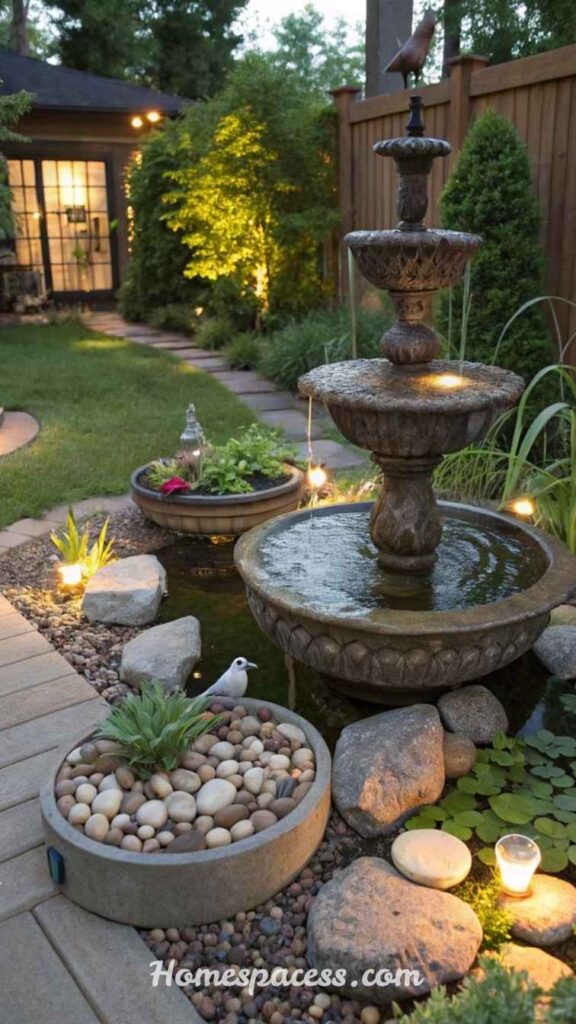
Water features do something no other garden decor element can: they add sound. The gentle trickle of a fountain or the still reflection of a small pond creates an atmosphere that makes your garden feel genuinely restorative. Even a tabletop solar-powered fountain can dramatically change the sensory experience of a small patio. For larger gardens, a naturalistic stream bed or wildlife pond adds genuine ecological value alongside the aesthetic impact.
When choosing a water feature, consider the scale relative to your space. A massive boulder waterfall in a small courtyard can feel overwhelming; a narrow, tall rill (a thin channel of moving water) suits formal gardens perfectly. One underappreciated detail: position your water feature upwind of your seating area the sound travels with the breeze, creating a more immersive experience than most placement guides suggest.
Don’t Skip: Trending Home Decoration Ideas to Upgrade Your Home Instantly
Sculptural Planters
Elevate Your Container Planting
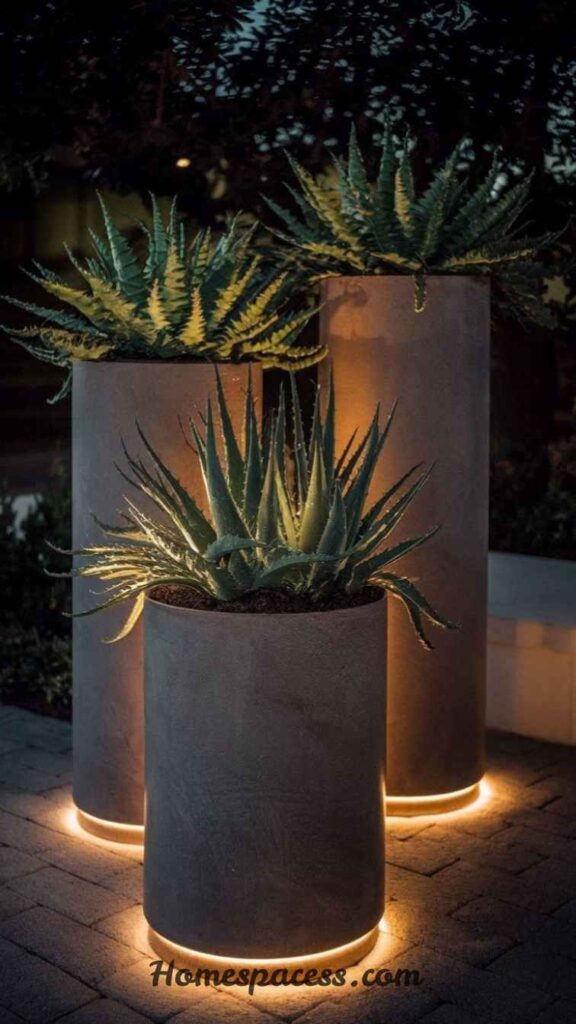
Planters are one of the most flexible garden decor tools available they define zones, create height variation, and introduce materials like terracotta, concrete, galvanised steel, or fibreglass that add textural contrast to an all-green landscape. The shift in recent years has been away from matching sets of identical pots toward a curated mix of shapes and materials that feel collected rather than purchased as a kit.
Think of planters as furniture for your garden. An oversized concrete urn at the end of a pathway acts as a full stop it draws the eye and says “something important is here.” A cluster of three mismatched terracotta pots in varying heights near a doorway creates an informal, welcoming vignette. Group planters in odd numbers (3, 5, 7) and vary their heights by at least 20cm for visual rhythm a detail that separates amateur arrangements from professional-looking displays.
Designer Insight
Dark-coloured planters (charcoal, navy, matte black) make plant colours pop more than terracotta tones, which can compete visually with warm-coloured blooms like orange and red marigolds.
Also Read : Patio Decor Ideas to Upgrade Your Backyard Without Overspending
Pathways & Stepping Stones
Guide Movement with Style
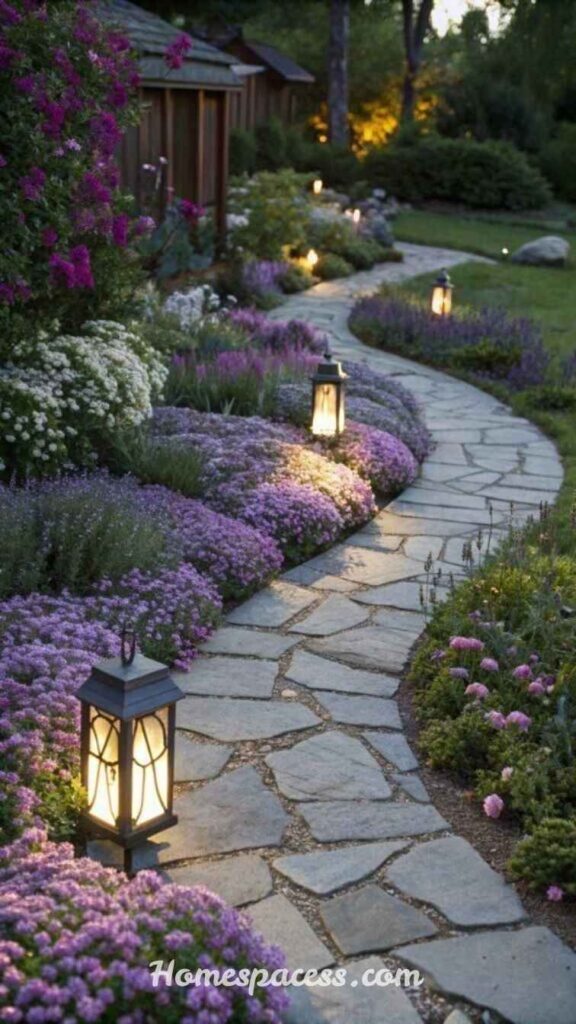
A well-designed pathway does more than get you from A to B it controls the pace at which you experience a garden. Wide, straight paths speed movement; curved, narrower paths slow it down and build anticipation. Garden designers use this principle deliberately: a meandering path through a kitchen garden creates a sense of discovery, while a symmetrical formal path to a focal point like a sundial or bench communicates grandeur and intention.
Materials matter enormously. Reclaimed brick creates a warm, cottage-style feel. Large irregular limestone slabs suggest a relaxed Mediterranean character. Crushed gravel with timber edging reads as contemporary and low-maintenance. For added visual interest, let low-growing plants like thyme, chamomile, or mind-your-own-business creep between stepping stones it softens hard edges and makes the path feel like it belongs to the garden rather than sitting on top of it.
Cozy Seating Corners
Design an Outdoor Room
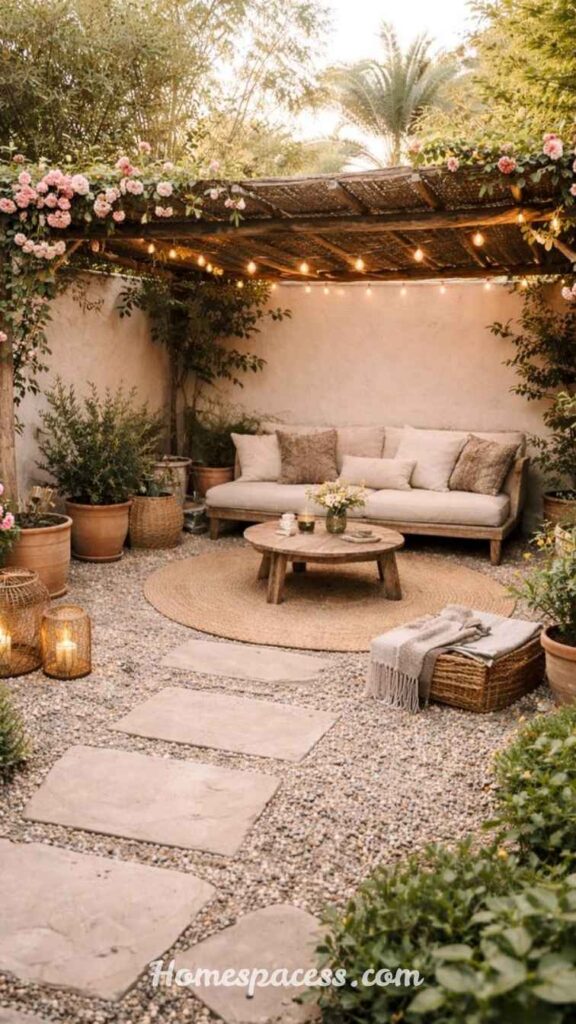
The most memorable gardens have a place to sit and be still. A seating corner even a simple bench tucked into a hedge alcove gives your garden a human anchor and signals that this is a space to inhabit, not just pass through. For more elaborate setups, consider a pergola or timber arbour draped with climbing plants like wisteria or jasmine to create a shaded “outdoor room” with walls, a canopy, and a sense of enclosure without being closed off.
Comfort is often overlooked in outdoor furniture decisions people buy for looks and regret it in summer. Look for weather-resistant cushion fabrics (Sunbrella is the industry standard), and anchor your seating area with an outdoor rug to define the zone and add warmth underfoot. A small side table at chair height, a weather-resistant lantern, and a couple of potted plants create a vignette that feels genuinely inviting rather than simply furnished.
Garden Art & Focal Points
Give the Eye Somewhere to Land
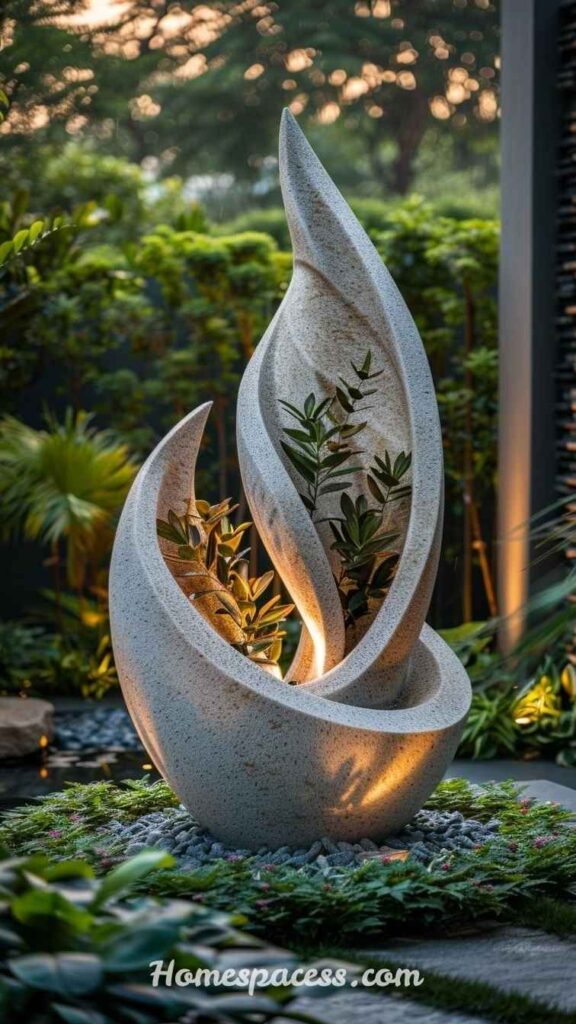
Every well-designed garden has at least one focal point a feature that anchors the composition and draws the eye. This might be a metal sculpture, a painted wall mural, a striking specimen tree, or even a decorative mirror that reflects light and creates an illusion of depth in smaller spaces. The focal point gives structure to what would otherwise be a random collection of plants and objects.
Garden art doesn’t have to be expensive. Weathered wooden totems, hand-painted ceramic tiles, repurposed antique tools mounted on a wall, or a mosaic stepping stone made with children can all serve as meaningful, personal focal points. The key is restraint: one strong focal point per garden zone works far better than several competing accents that cancel each other out a principle that many DIY garden decorating guides completely ignore.
Styling Rule
Place your focal point at the end of a sightline the natural path your eye follows when you enter the garden. This makes small gardens feel larger and more intentional.
Herb & Edible Garden Displays
Beauty That You Can Eat
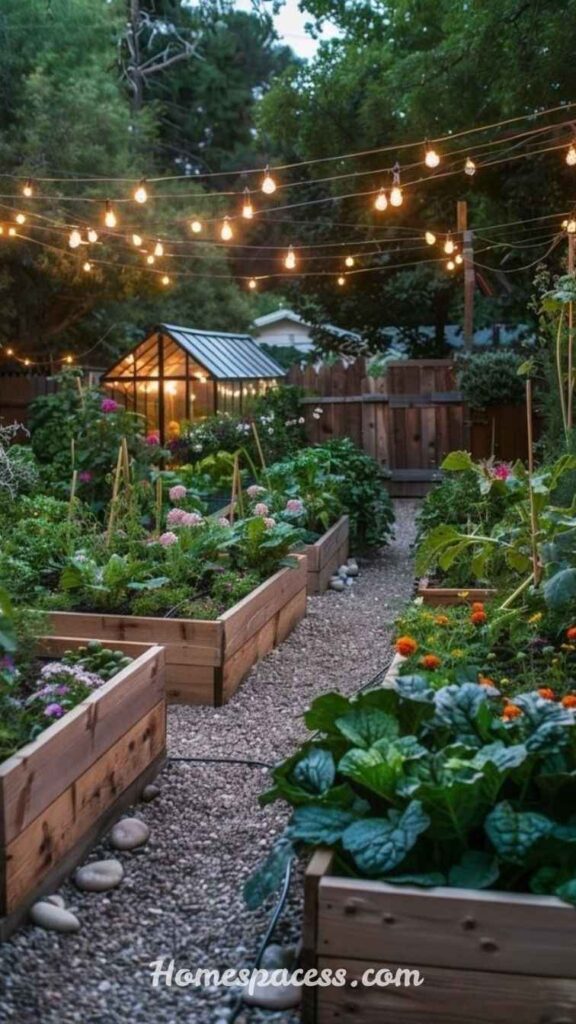
Edible gardens have shed their purely utilitarian image. Today, kitchen gardens designed with structure raised beds made from corten steel or reclaimed timber, espaliered fruit trees on walls, and ornamental vegetable varieties like purple kale and rainbow chard are as visually striking as any ornamental border. This “potager” approach, rooted in French formal kitchen garden design, makes the edible garden a decor statement, not just a food source.
Herbs in particular deserve more design attention. A dedicated herb spiral (a layered spiral mound that creates microclimates for different herb types) is both functional and visually compelling as a garden centrepiece. Rosemary, lavender, and sage double as ornamental plants with interesting textures and seasonal flowers. Interplanting edibles with flowers like nasturtiums and calendula adds colour, attracts pollinators, and creates the kind of informal abundance that feels effortlessly beautiful.
Conclusion
Garden Decor Ideas can help you turn any outdoor space into a beautiful and relaxing place. You do not need a large budget or big changes to see a difference. Simple additions like plants, lights, seating, and small decor pieces can improve the look quickly. With the right Garden Decor Ideas, your garden can feel fresh, clean, and welcoming every day for you and your family.
Using Garden Decor Ideas is an easy way to enjoy your outdoor space more and add personal style. You can try different ideas that match your needs and space size. Keep your design simple and neat for better results. A well-decorated garden can bring peace, comfort, and joy, making your home feel more complete and enjoyable.
Trend Analysis 2026 & Beyond
What’s Driving Garden Decor in 2026 and Where It’s Headed
The dominant garden decor trend of 2026 is “considered wildness” spaces that look natural and untamed but are carefully designed and maintained. This is a direct reaction to the over-manicured, symmetrical gardens of the previous decade. Ornamental grasses, seed heads left standing through winter, naturalistic planting combinations, and recycled-material structures are all rising fast in professional garden design circles and filtering into mainstream home gardening.
Looking ahead to 2026–2028, the integration of technology will accelerate. Smart solar garden lighting with app control, self-watering planters with soil sensors, and even AI-assisted planting design tools (which can suggest companion plants based on your local climate and soil type) will become affordable for home gardeners. Expect climate-adaptive design choosing drought-tolerant or flood-resilient plants and materials to become a standard consideration rather than a niche one, driven by increasingly unpredictable weather patterns across Europe and Asia.
Expert Insights
Practical Tips That Garden Designers Use (Rarely Shared Online)
Professional garden designers work with a concept called “the borrowed landscape” deliberately framing views of trees, hills, or structures beyond your garden boundary to make your space feel larger. This is achieved by trimming hedges low at specific angles, choosing gate and fence designs that allow a view through, or planting taller specimen trees that connect visually with neighbours’ canopies. It costs nothing but changes the entire spatial experience.
Another overlooked professional technique is “colour zoning.” Rather than mixing plant colours randomly, designers assign specific colour palettes to different garden zones: warm tones (reds, oranges, yellows) near the house to create energy; cool tones (blues, purples, silvers) at the far end of the garden to enhance a sense of distance and depth. This makes even small gardens feel longer and more considered without adding a single new plant or structure.
Sustainability & Long-Term Value
Building a Garden That Grows Better With Age
The most sustainable garden decor choices are those that improve with time rather than degrading. Natural materials stone, hardwood, corten steel, terracotta weather beautifully and develop character. In contrast, cheap plastic decor fades, cracks, and adds to landfill within a few years. Investing in one quality piece (a stone birdbath, a hand-forged steel gate) is both more economical and more environmentally sound over a 10-year horizon than cycling through cheap plastic alternatives.
From an ecological standpoint, garden decor choices have real-world consequences. Choosing permeable paving materials instead of solid concrete helps manage rainwater runoff, reducing flood risk in dense urban areas. Installing a wildlife pond, even a small one, can support 1,000+ invertebrate species within two to three years. These choices transform garden decor from a purely aesthetic exercise into a contribution to local biodiversity something that has measurable value and is increasingly recognised in property valuations and planning conversations.
Future Predictions
Upcoming Innovations That Will Change Outdoor Spaces
The next wave of garden innovation will blur the line between technology and nature. Living walls with integrated humidity and air quality sensors are already appearing in commercial spaces and will move into residential gardens within the next three to five years. Modular garden furniture systems where you reconfigure components app-free using QR-code instructions will replace fixed seating arrangements, giving smaller gardens seasonal flexibility.
Perhaps most exciting is the rise of biodesign in garden decor: materials grown from mycelium (mushroom roots) that can be shaped into planters and sculptures, then composted at end of life. Companies are already producing mycelium packaging; garden applications are a natural next step. Alongside this, “night gardens” designed specifically around phosphorescent and moonlight-reflective plants are gaining traction as an alternative to energy-heavy lighting a trend that bridges aesthetics, ecology, and innovation in a genuinely novel way.
Common Mistakes
Garden Decor Mistakes Most People Make (And How to Avoid Them)
- Buying everything at once. Rushed, same-day garden purchases create a uniform, unlayered look. Great gardens are assembled over seasons, allowing plants to grow into their spaces and new ideas to develop organically.
- Ignoring winter structure. Most garden decor guides focus on summer. But gardens need year-round interest ornamental grasses, evergreen shrubs, and sculptural bare branches are what make a garden beautiful in January, not just July.
- Undersizing furniture and features. A small bistro set in a large garden looks lost; a grand fountain in a tiny courtyard feels oppressive. Scale is the most commonly misjudged factor in garden decor.
- Neglecting the view from inside. Your garden is visible from your windows year-round. Design with interior sightlines in mind what you see from your kitchen or living room should be as considered as the experience of being in the garden itself.
- Overcomplicating the plant palette. A garden with 40 different plant species looks chaotic; one with 8–12 species repeated in bold drifts looks designed. Repetition is the most powerful tool in plant composition, and it’s almost always underused.

Team Home Spacess shares simple, practical design ideas that work for real families. The team focuses on cozy décor, soft colors, and natural textures that make a space feel truly lived-in. From everyday decorating tips to creative home projects, Team Home Spacess is dedicated to helping readers create warm, comfortable, and inviting spaces with a fresh and personal touch.