

Most home improvement budgets fail before the first contractor shows up. The list of projects grows, every item feels equally pressing, and the numbers come from guesses. A better plan starts with a simple order of operations, then adds real quotes, a cushion for surprises, and a calendar that works with the seasons instead of against them.
This guide walks through that process in the order you would actually use it in 2026, whether you are fixing up the home you live in or getting one ready to sell.
Start with a project list, then rank it by urgency
Walk through the house with a notepad and write down everything that bothers you, from a sagging gutter to a dated kitchen. Do not price anything yet. The goal is a complete list, because you cannot rank what you have not written down.
Then sort the list into three tiers, in this order.
Tier one: safety and water
Anything that can hurt someone or let water into the structure goes first. That includes a roof that leaks, failing flashing, a cracked foundation that lets in groundwater, outdated or overloaded electrical panels, gas leaks, and missing handrails. Water is the most expensive enemy of a house because it keeps working while you wait. A small leak that costs little to fix this month can turn into rotted framing, mold, and ruined drywall by next year.
If a problem is in tier one, it does not compete with a new patio. It gets done first, even if that delays the projects you were more excited about.
Tier two: energy and systems
Once the house is safe and dry, look at what it costs to run. Air sealing, attic insulation, an aging furnace or water heater, drafty windows, and old appliances all belong here. These projects often pay you back through lower utility bills, and some qualify for rebates or tax incentives that change from year to year. Check your utility company and your state energy office before you sign anything, since programs differ by location and can expire.
Tier three: looks and comfort
Paint, flooring, cabinets, countertops, landscaping, and a finished basement come last. These are the projects most people want to do first, and they are also the easiest to postpone without harm. Doing them after tiers one and two protects the finished surfaces. Nobody wants to install new floors and then tear them up to chase a pipe leak.
Get realistic cost ranges before you call anyone
Before you ask a contractor for a number, it helps to know what a reasonable number looks like for your area. Costs vary a lot by region, house age, and the scope of the job, and contractors will not always tell you when a quote is high. Reading a few local cost guides first, such as the state-by-state breakdowns on BetterHouse, gives you a rough range to compare against so a quote that is far above or below it stands out right away.
Treat any published range as a starting point, not a promise. Your own house will land somewhere inside it or occasionally outside it, depending on access, materials, and what is hiding behind the walls.
Collect three comparable quotes
Three quotes is a good habit, but only if they are comparable. A quote that covers different work than the other two tells you nothing. To keep them comparable:
- Write a short scope document and give the same one to every contractor: what is being done, what materials or brands you expect, and what you want finished by when.
- Ask each contractor to list labor, materials, permits, disposal, and cleanup as separate lines.
- Ask who pulls the permits and who is responsible if an inspection fails.
- Confirm that each one is licensed where your state requires it, and ask for proof of liability insurance and workers’ compensation coverage.
- Ask that any change order be agreed in writing before work starts, not after.
When the quotes come back, do not just pick the lowest. A much lower bid often leaves something out, assumes cheaper materials, or sets up change orders later. If one quote is far from the others in either direction, call and ask why. The answer is usually informative.
Build a contingency buffer into the budget
Every project has surprises. Walls reveal old wiring, floors reveal rot, and permits turn out to need an extra drawing. A contingency is money you set aside, separate from the quoted price, for exactly those moments.
How much to set aside depends on the job. A cosmetic update in a newer house has few places for problems to hide, so a smaller cushion is reasonable. Opening up walls in an older house, moving plumbing, or working on a foundation deserves a much larger one. When you are unsure, lean larger. Unspent contingency is simply savings, while an empty one halfway through a project forces bad decisions, like cutting corners or stopping with the kitchen torn apart.
Time projects around the seasons
Season affects both price and quality of work, and the right timing depends on the job and where you live.
- Roofing, siding, painting, and exterior concrete need dry, moderate weather. Spring through early fall is the busy window in most of the country, so book early.
- HVAC replacement is often easier to schedule in the shoulder seasons, when contractors are less swamped by emergency calls during heat waves and cold snaps.
- Interior work such as kitchens, bathrooms, and flooring can happen any time of year, and winter is often a slower period for contractors who do it, which can mean better availability.
- Landscaping and planting do best in spring or fall in many regions, when temperatures are mild and plants establish roots without stress.
Do not let a season push you into a rushed decision. If a roof is leaking in February, you fix it in February. The calendar matters most for tier-three projects where you have a choice.
Think about what buyers tend to care about
If a sale is on your horizon, even a few years away, it is worth ranking projects by how a buyer will see them. In general, buyers react well to a house that looks cared for and has no obvious problems. That means a sound roof, working systems, and no signs of water damage matter more than a trendy finish. These are the same tier-one and tier-two items you would prioritize anyway.
On the cosmetic side, fresh neutral paint, clean and consistent flooring, updated lighting, and a tidy, well-kept exterior tend to help a home show well without a big budget. A kitchen or bath refresh, such as new hardware, faucets, and surfaces, often makes more sense than a full gut renovation, especially when the neighborhood does not support a higher price.
Before a large spend, ask a local real estate agent which upgrades are actually valued in your area. What buyers want in a dense city differs from what they want in a suburb or a rural market.
Put it together in one page
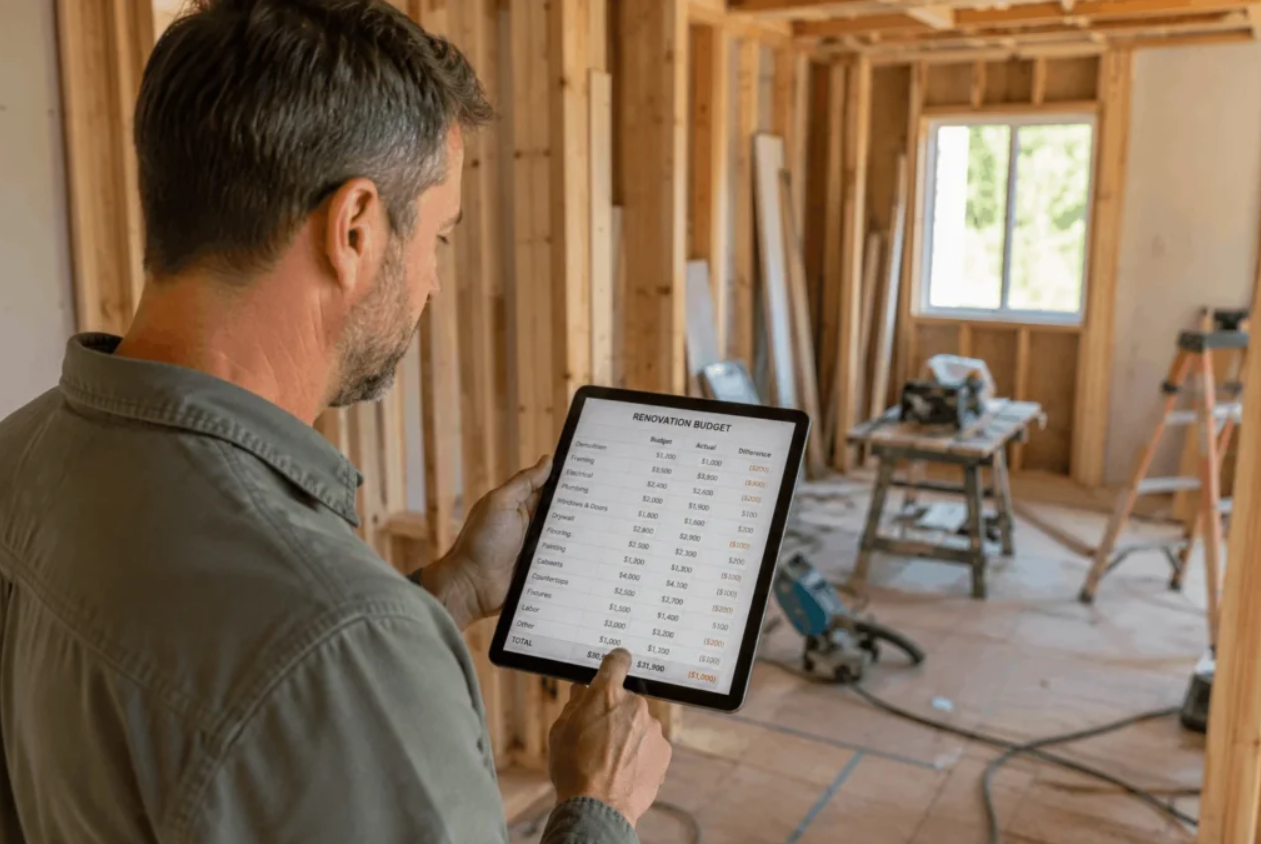
When you finish, you should have a single page: your ranked project list, a cost range for each item, three comparable quotes for the larger jobs, a contingency line, and a rough calendar. Review it every few months, because prices, priorities, and your own plans will shift.
The point of all this is not to spend less for its own sake. It is to spend in the right order, on work you understand, with enough room left over that one bad surprise does not derail the whole project.

Team Home Spacess shares simple, practical design ideas that work for real families. The team focuses on cozy décor, soft colors, and natural textures that make a space feel truly lived-in. From everyday decorating tips to creative home projects, Team Home Spacess is dedicated to helping readers create warm, comfortable, and inviting spaces with a fresh and personal touch.