

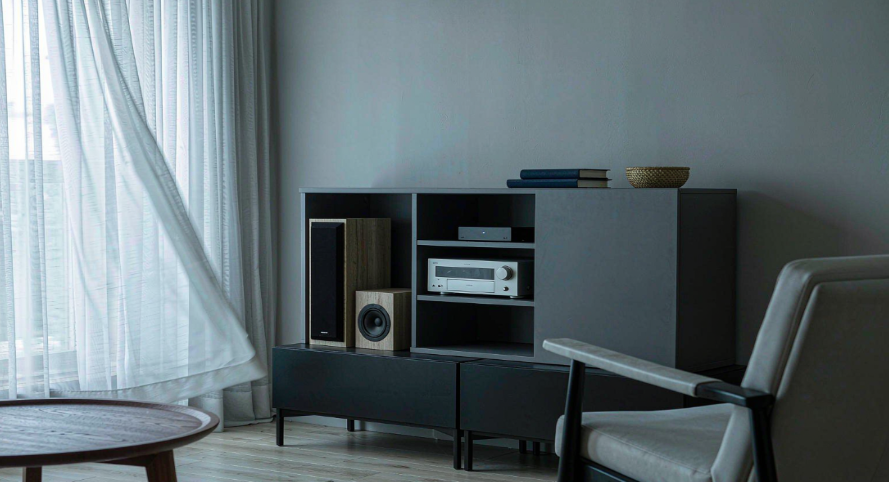
A media setup sounds simple until you feel the heat coming off the receiver and notice the gaps the slim cabinet leaves around your gear, and media console with ventilation solves the heat and the looks at the same time, giving the electronics room to breathe while the front of the room stays clean.
I have watched too many living rooms ruined by a cabinet that boxed the equipment in. The gear runs hot, the fan kicks on, and the whole wall hums. The fix is not to leave everything on open shelves, which looks unfinished. It is a console designed around airflow from the start. That distinction separates a finished media wall from a server closet. It is a mistake that is easy to make and annoying to live with once the noise sets in for good.
Heat Is the Hidden Killer of AV Gear
Receivers and game consoles pump out real warmth that builds through an evening of use. Confined spaces trap it against the components and the cabinet walls. Over time, heat degrades those components faster than any spec sheet admits. It also triggers the loud cooling fans nobody wants in a living room during a film after dark. I treat ventilation as a primary spec, not an afterthought added at the end of the build. A console that moves air around the equipment protects the investment you made in the gear. It also protects the calm of the room, because cool gear is steady gear that does its job without complaint. The furniture should work as part of the cooling plan, not against it in a sealed box. The cabinet you choose decides how long the electronics last through the years.
Vented Panels Beat Open Shelves
You could leave the gear on bare shelves and call that ventilated, but the room looks unfinished and the dust moves in within days. A console with vented side or rear panels keeps air moving while the doors stay closed on the front. I look for designs that channel airflow rather than just leaving random holes in the wood. The result is a piece that reads as furniture, not a server rack you would be embarrassed to show a guest. Your equipment stays cool and your guests see a finished wall instead of a tangle of boxes. That balance is the whole appeal of a ventilated console, and it is why most buyers end up happier with a closed, breathing cabinet than with open shelving. Open shelving always looks like a work in progress nobody finished before the guests arrived for dinner and noticed the mess behind the screen they came to watch together.
Depth Gives the Air Somewhere to Go
Shallow cabinets trap heat because there is no room behind the gear for air to rise and escape. A deeper console creates a rear channel where warm air climbs and leaves the cabinet through the top or the back. I plan the depth around the tallest component on the shelf, because clearance is what makes ventilation real rather than theoretical. When the equipment sits with space behind it, the heat leaves instead of building against the components hour after hour. The room stays comfortable and the fan stays off during the film. Depth and airflow are the same conversation, not two separate ones you can ignore. The furniture has to answer both if you want the system to run smoothly for years without a service call. That is a timeline most people care about only once something has already failed and the repair bill arrives with the heat still rising through the cabinet you chose on a whim.
Match the Console to the Room
A ventilated console still has to look right in the space you put it, or the engineering is wasted on a piece nobody wants to see. I choose a finish that echoes the floor or the trim so the cabinet disappears into the room. The hardware stays subtle and the piece sits below the screen like it was specified for the wall, not dropped in after the fact by a tired installer. When the console matches the decor, the ventilation story disappears into the design entirely. You get the engineering without the industrial look that ruins a living room. That is the standard worth holding when you buy for a living room rather than a den or a basement. The room has to welcome people who walk through the front door, not announce its machinery to everyone who takes a seat on the sofa and looks up at the screen above the cabinet you chose with such care.
The Small Habits That Help
Even the best console benefits from a little care from the people who live with it. I keep the rear area clear of stray boxes and cables that block the path of the air. Blockage is blockage regardless of how good the panel is on the outside. A quick dust of the vents each season keeps airflow honest and free of buildup. I also avoid stacking components directly on top of each other, because that blocks the rise path the heat needs to escape. These are small moves, but they keep the system running cool years after the install when the excitement has worn off. The furniture sets the baseline and the habits protect it from slow decline. The two together deliver the steady operation you paid for when you bought the piece.
What to Verify Before Buying
Ask whether the ventilation is real or merely decorative before you hand over the money. Look for actual openings with a path to the outside, not a painted slat that does nothing for the air. Confirm the shelves are adjustable so you can create clearance where the gear needs it most. Check that the rear is accessible for routing power and signal without a struggle. A confident product shows you the airflow in the listing with a diagram or a photo. If the seller cannot explain how the heat escapes, assume it does not and walk away from the purchase. The questions up front save the warm, noisy regret later when the warranty has expired and the fan starts to whine. That whine arrives right as you settle in for the gentle parts of the film you were finally watching in peace with the lights down and the room exactly as you wanted it to be for once.
Why It Pays Off
A ventilated console costs a little more than a closed box with no thought behind it. It returns far more than the difference in the long run of ownership. Your gear lasts longer and runs without complaint through every season of use. The room stays calm during the scenes that matter most to you on a calm night. You stop opening the cabinet to check if things are melting behind the doors. That peace is the real value of the purchase, because the right furniture turns a hot, messy corner into a cool, finished wall. You get to enjoy the setup instead of worrying about it every time the credits roll on a film you love. That is what you actually paid for when you built the room around the screen and the sound you wanted to hear without interruption from a fan or a worry about the electronics you trusted to the cabinet.
Choose a console built around airflow, and the heat stops being a threat to the gear or the room. Cool, concealed, and done, so the only thing the wall asks of you is a movie to watch. The company to watch it with on a calm night is the bonus you forgot you were missing.

Team Home Spacess shares simple, practical design ideas that work for real families. The team focuses on cozy décor, soft colors, and natural textures that make a space feel truly lived-in. From everyday decorating tips to creative home projects, Team Home Spacess is dedicated to helping readers create warm, comfortable, and inviting spaces with a fresh and personal touch.