

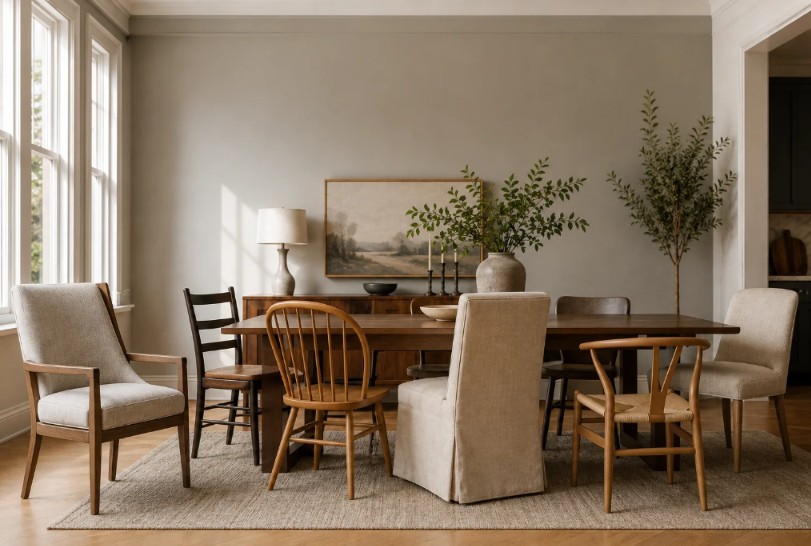
A dining room is more than a place to sit down for meals. It is where families catch up at the end of the day, friends gather over long conversations, and everyday occasions become lasting memories. The furniture in this space needs to do more than look attractive. It should be comfortable, practical, and durable enough to handle years of regular use.
Dining chairs are especially important because they influence both the appearance and functionality of the room. The right design can make a simple dining table feel thoughtfully styled, while the wrong size or shape can make even a beautiful dining area uncomfortable.
Wooden chairs remain a popular choice because they bring natural warmth, versatility, and a sense of permanence to an interior. They are available in a wide range of silhouettes, finishes, and construction styles, making it possible to find options for traditional, modern, rustic, and transitional homes.
However, choosing the right ones involves more than picking a wood finish that matches the table. Seat height, room dimensions, back support, maintenance, and overall proportions all deserve attention. This guide explains what to consider before investing in wooden dining chairs and how to create a dining space that looks inviting while working beautifully every day.
Why Wooden Dining Chairs Remain a Timeless Choice
Interior trends change frequently, but natural wood continues to have a place in well-designed homes. Unlike materials that depend heavily on a particular decorating trend, wood can adapt to different color palettes and furniture styles.
One of its biggest advantages is visual warmth. The grain, texture, and natural variations in wood make a dining room feel more welcoming. Even a simple chair can add character through its material and craftsmanship.
Wooden dining chairs also offer several practical benefits:
- Versatile styling: They work with traditional, contemporary, farmhouse, rustic, and minimalist interiors.
- A range of finishes: Natural, stained, painted, and darker finishes create different moods.
- Long-term appeal: Simple wooden designs are less likely to feel tied to a short-lived trend.
- Repair potential: Depending on the construction and finish, some wooden chairs can be refinished or repaired rather than replaced.
- Design variety: Options range from slim, understated frames to substantial chairs with shaped backs and upholstered seats.
The important distinction is that not all wooden chairs for dining tables are made in the same way. Material quality, joinery, construction, and finishing all affect how a chair performs over time.
1. Match the Chairs to Your Dining Table’s Height
Before considering color or style, check whether the chairs will fit your dining table comfortably. A chair that looks perfect in a photograph may be awkward to use if the seat is too high or too low.
For many standard dining tables, which are commonly around 28–30 inches high, a chair seat measuring approximately 17–19 inches is a useful starting point. The goal is to leave roughly 10–12 inches between the seat and the tabletop, although the ideal fit depends on the actual table and chair dimensions.
Do not rely only on the advertised table height. Measure the space beneath the tabletop as well. A thick apron, support rail, or unusual table base can reduce legroom and prevent a chair from sliding underneath.
Before ordering, check:
- The height from the floor to the chair seat.
- The height from the floor to the underside of the table.
- The available space for knees and thighs.
- Whether the chair can slide under the table when not in use.
- Whether armrests will clear the table apron.
If possible, test the chair with the table. Your feet should rest comfortably on the floor, your knees should have enough room, and your arms should reach the tabletop without forcing your shoulders upward.
2. Choose a Wood Type That Suits Your Lifestyle
The type of wood used in a dining chair influences its appearance, weight, durability, and maintenance requirements. Different species have distinctive grain patterns and colors, so the right choice depends on both practical needs and personal preference.
Oak
Oak is widely appreciated for its pronounced grain and traditional character. It works particularly well in classic, Craftsman, Mission, and farmhouse-inspired interiors. Depending on the finish, oak can look light and understated or rich and traditional.
Walnut
Walnut is known for its deeper brown tones and attractive grain. It often creates a more refined appearance and pairs well with neutral upholstery, warm lighting, and contemporary furniture.
Maple
Maple typically has a lighter, more subtle grain. Its clean appearance makes it suitable for bright interiors and understated contemporary spaces.
Cherry
Cherry wood is valued for its warm color and smooth grain. Its appearance can deepen over time, making it an appealing option for traditional and transitional dining rooms.
Other wood options
Some chairs use other hardwoods or engineered materials, while others combine wooden frames with upholstered seats. The important thing is to check the manufacturer’s material information rather than assuming every chair described as wooden is made entirely from solid timber.
3. Find a Chair Style That Complements Your Interior
Wooden dining chairs come in many designs, and each can change the atmosphere of a dining room. Instead of choosing a style simply because it is popular, consider the architecture, furniture, and overall mood of your home.
Traditional wooden chairs
Traditional designs often feature shaped backrests, decorative details, and substantial frames. They work well in formal dining rooms, classic homes, and interiors with detailed woodwork.
Modern wooden chairs
Modern designs tend to favor clean silhouettes, simple construction, and restrained detailing. They can make a dining room feel open and uncluttered, particularly when paired with a streamlined table.
Farmhouse-style chairs
Farmhouse chairs often have a relaxed appearance, straightforward forms, and natural or distressed finishes. They pair naturally with rustic tables, woven textures, and warm neutral colors.
Mission and Craftsman-inspired chairs
Mission-inspired designs emphasize geometric forms, visible structure, and practical construction. Their straightforward appearance makes them a strong choice for homeowners who appreciate traditional craftsmanship without excessive ornamentation.
Mid-century-inspired chairs
These designs often feature tapered legs, curved backrests, and lighter visual proportions. They can bring a sense of movement and simplicity to a dining area.
A cohesive dining room does not require every piece of furniture to come from the same design period. A traditional wooden table can work with simpler contemporary chairs if their proportions and finishes complement one another.
4. Consider Comfort Before Choosing a Backrest Design
Dining chairs should be comfortable enough for more than a quick meal. If your household enjoys long dinners, board games, or conversations around the table, back support and seat design become especially important.
A chair’s comfort depends on several features:
Backrest shape: A backrest that supports the natural position of your back can make longer periods of sitting more comfortable. Some people prefer straight backs, while others find gently curved designs more supportive.
Seat depth: A seat that is too deep may make it difficult for shorter users to sit back comfortably. A shallow seat may not provide enough support for taller users.
Seat width: Make sure the chair provides enough room without taking up so much space that people feel crowded around the table.
Seat surface: A shaped wooden seat can offer a simple, low-maintenance option. Upholstered or padded seats may provide additional cushioning, but fabric choice and cleaning requirements should be considered.
Armrests: Armchairs can feel more relaxed and substantial, but they need enough clearance beneath the table. Armless chairs are often easier to arrange around smaller dining tables.
If comfort is a priority, try sitting in a chair for several minutes rather than judging it by appearance alone.
5. Measure Your Dining Area Before Buying
A dining chair needs enough room not only to fit beneath the table but also to move in and out comfortably. This is particularly important in open-plan homes, apartments, and compact dining areas where furniture shares space with walkways.
Begin by measuring the table and the available floor area. Then consider the chair’s overall width and depth, including how far it extends when someone is seated.
As a practical starting point, allow around 24 inches of table edge per person where possible. This helps provide enough personal space for plates, elbows, and comfortable movement. You should also leave sufficient clearance behind occupied chairs so people can stand up and others can pass without constantly moving furniture.
A few layout tips can make a noticeable difference:
- Choose slimmer chair frames for narrow dining spaces.
- Consider armless designs when fitting several chairs around a small table.
- Check the position of table legs, since they can restrict where chairs fit.
- Leave clear walkways between the dining area and nearby doors or kitchen spaces.
- Measure the room with chairs pulled out, not just when everything is pushed in.
For round tables, think about the chair’s width and the curve of the tabletop. For rectangular tables, check whether the table legs interfere with chairs at the corners or ends.
6. Should Your Dining Chairs Match Your Table?
Matching dining tables and chairs can create a coordinated, traditional appearance, but it is not the only way to design an attractive dining room.
Mixing furniture can make the space feel more individual. The trick is to establish a visual connection between the different pieces.
For example, you could pair a dark wooden table with lighter chairs that share a similar design language. Alternatively, a natural oak table can work with chairs that have upholstered seats in a complementary neutral shade.
If you want to mix and match, use one or two consistent elements:
- Wood tone: Choose finishes with compatible warmth, even if they are not identical.
- Shape: Repeat similar curves, straight lines, or tapered legs.
- Color: Use upholstery or cushions to connect different furniture finishes.
- Design influence: Keep the pieces within a compatible style family.
- Visual weight: Avoid combining a very heavy table with chairs that look disproportionately delicate.
Another popular approach is to use matching side chairs along the table and different armchairs at the ends. This creates a focal point while keeping the arrangement balanced.
7. Choose the Right Finish for Your Home
A chair’s finish has a major effect on how it looks within the dining room. Natural wood finishes highlight grain and texture, while darker stains can make a space feel more traditional or dramatic. Painted finishes offer another way to introduce color.
When choosing a finish, look at the room as a whole. Consider the flooring, dining table, cabinetry, wall color, and nearby furniture.
A few combinations worth considering include:
- Light wood with warm white: Creates a bright, relaxed atmosphere.
- Walnut with cream or beige: Adds depth without making the room feel too dark.
- Natural oak with muted green: Brings together earthy materials and soft color.
- Dark wood with pale walls: Creates contrast and gives traditional furniture a more defined presence.
- Painted chairs with a natural table: Adds personality while preserving the warmth of wood.
Lighting also changes how wood appears. A finish may look different under natural daylight than it does beneath warm evening bulbs, so consider both when planning the room.
8. Think About Maintenance and Everyday Durability
Dining chairs are exposed to regular movement, spills, friction, and repeated use. Choosing a design that suits your household’s routine can help keep the furniture looking good for longer.
For wooden frames, follow the manufacturer’s cleaning and care instructions. In general, avoid leaving spills on the surface, use a soft cloth for routine cleaning, and keep the finish away from harsh cleaning products unless they are specifically recommended.
A few additional habits can help:
- Use felt pads or suitable floor protectors beneath chair legs.
- Avoid dragging chairs across the floor.
- Keep wooden furniture away from prolonged exposure to excessive moisture or direct heat.
- Tighten loose fittings when needed, following the manufacturer’s guidance.
- Address scratches and finish damage before they become more noticeable.
If you have young children or frequently entertain guests, consider how easily the chair can be cleaned. A simple wooden seat may be easier to maintain than a heavily upholstered design, while a removable or easy-clean seat covering can offer a useful compromise.
Durability also depends on construction. Look for stable joints, a well-supported seat, and a frame that does not wobble. A chair should feel solid when you sit down and move naturally without creaking or shifting excessively.
9. Style Wooden Dining Chairs with the Right Accessories
Once the chairs are in place, a few carefully chosen accessories can bring the dining room together. The aim is to complement the wood rather than hide it.
A rug beneath the dining table can define the eating area, especially in an open-plan layout. Choose a size that allows chairs to remain on the rug when pulled back. A rug that is too small can catch chair legs and make movement awkward.
Lighting is another important detail. A pendant fixture above the table creates a focal point, while wall lights or nearby lamps can add a softer atmosphere in the evening.
For the tabletop, consider natural materials such as linen, ceramic, glass, or simple greenery. Keep the centerpiece low enough that guests can see one another across the table.
If the chairs have upholstered seats, use colors that connect with the rest of the room. Neutral shades are versatile, while a restrained accent color can introduce personality without making the dining area feel busy.
10. A Simple Checklist Before You Buy
Before choosing a set of wooden dining chairs, take a moment to review the details that matter most.
| What to check | Why it matters |
| Seat height | Helps the chair fit comfortably with the table |
| Table apron clearance | Prevents the seat or armrests from catching underneath |
| Chair width | Determines how many chairs fit comfortably |
| Seat depth | Influences comfort and posture |
| Backrest design | Affects support during longer meals |
| Frame material | Helps you understand the chair’s construction |
| Finish | Determines how well the chair complements the room |
| Maintenance | Helps match the furniture to your daily routine |
| Floor protection | Reduces the risk of scratches and marks |
Taking measurements and comparing product specifications before purchasing can prevent common mistakes. It is much easier to identify a sizing problem before delivery than after the chairs arrive.
Frequently Asked Questions
Are wooden dining chairs comfortable for everyday use?
Yes. Comfort depends on the seat shape, height, depth, backrest, and overall construction rather than the material alone. A well-designed wooden chair can be suitable for daily meals, especially when its proportions match the user and dining table.
What is the ideal seat height for wooden dining chairs?
For many standard dining tables, a seat height of approximately 17–19 inches is a useful starting point. The more important measurement is the clearance between the chair seat and the underside of the table. Around 10–12 inches is a common guideline, but always check the actual dimensions.
Should wooden dining chairs match the dining table?
They do not have to match exactly. Chairs can complement a table through similar wood tones, related shapes, or coordinating colors. Mixing styles can create a more personal look when the proportions remain balanced.
Are solid wood dining chairs better than other options?
Solid wood can offer durability and the possibility of repair or refinishing, depending on the design and finish. However, quality construction matters just as much as the material. Check the frame, joints, and manufacturer’s specifications before deciding.
How many dining chairs can fit around a table?
The answer depends on the table’s shape, length, leg placement, and chair width. Allowing around 24 inches of table edge per person is a useful starting point for many arrangements, but wider chairs may require more room.
How do you protect wooden dining chairs from scratches?
Use appropriate floor pads beneath the legs, avoid dragging chairs, clean spills promptly, and follow the manufacturer’s care instructions. Regularly checking joints and fittings can also help maintain stability.
Can wooden dining chairs work in a modern home?
Absolutely. Simple wooden silhouettes, lighter finishes, and understated details fit naturally into modern interiors. Pairing them with contemporary lighting, neutral upholstery, and clean-lined tables can create a balanced look.
Final Thoughts
The best dining chairs are the ones that make your dining room feel complete while supporting the way you actually live. They should fit the table, leave enough room to move, provide comfortable seating, and complement the character of the home.
Wooden dining chairs offer an appealing combination of natural texture, versatility, and lasting design potential. Whether you prefer a traditional dining room, a relaxed farmhouse setting, or a clean contemporary interior, the right shape and finish can make a meaningful difference.
Take time to measure your table, compare construction details, and consider how the chairs will be used every day. With those practical decisions in place, it becomes much easier to choose seating that looks beautiful and remains a pleasure to use for years to come.

Team Home Spacess shares simple, practical design ideas that work for real families. The team focuses on cozy décor, soft colors, and natural textures that make a space feel truly lived-in. From everyday decorating tips to creative home projects, Team Home Spacess is dedicated to helping readers create warm, comfortable, and inviting spaces with a fresh and personal touch.