

Key Takeaways
- Many window-treatment problems are repairable when the frame, fabric, and mounting points are still sound.
- Replacement is often wiser when damage is widespread, parts are unavailable, or safety needs have changed.
- Safety, privacy, comfort, light control, and long-term reliability matter as much as appearance.
- A clear inspection and written estimate can help prevent unnecessary spending.
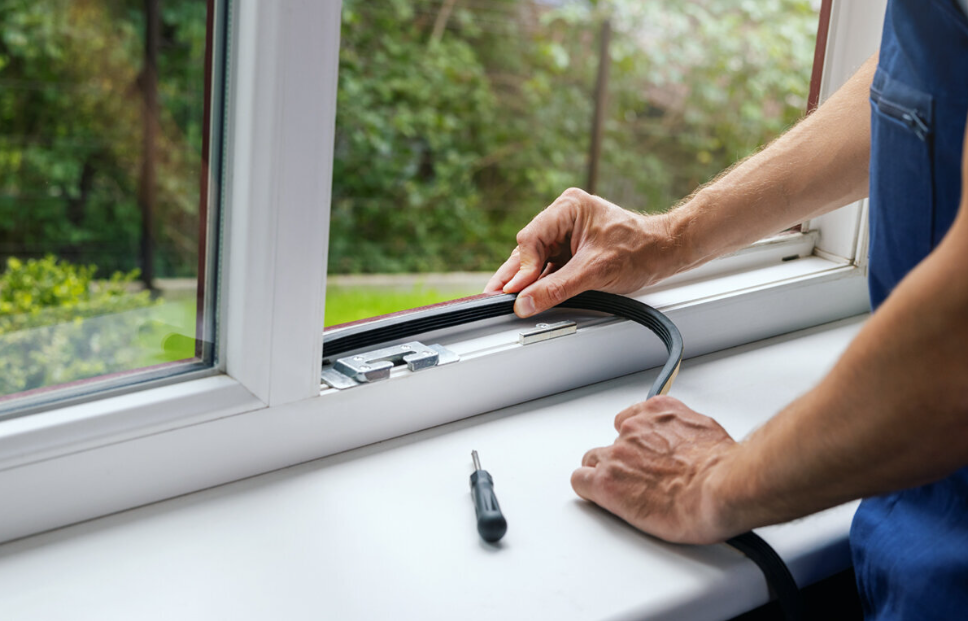
A stuck blind or uneven shade does not automatically mean you need to buy something new. Before replacing a window treatment, identify the actual problem. A loose bracket, bent slat, worn cord, damaged clip, or unresponsive control may be a limited issue that can be addressed through a professional blind repair service.
Start by considering whether the problem affects appearance, operation, safety, or more than one of those areas. For example, a roller shade may still match the room and provide privacy but roll up unevenly. In that case, the mounting hardware, fabric alignment, or operating mechanism may deserve inspection before replacement becomes the default answer.
Start With the Problem, Not the Product
Describe the issue as specifically as possible before requesting help. Note whether the treatment will not raise, lower, tilt, stay in position, or fit securely in its brackets. Also note whether the concern appeared suddenly or developed gradually. Clear details, along with photos of the window covering, label, and mounting area, make it easier to determine whether repair is practical.
Do not force a jammed cord, wand, chain, track, or motorized mechanism. Extra pressure can damage parts that might otherwise have been repaired. A gentle visual check is usually enough to identify obvious concerns, such as a missing bracket, frayed cord, detached slat, cracked valance, or sagging fabric edge.
For a starting point when comparing styles, replacement options, and service needs, https://www.bloominblinds.com/ provides an overview of window-covering solutions that may help frame the decision.
Signs a Repair May Be Enough
Repair is worth considering when the main structure remains in good condition, and the problem is isolated. This may include a small number of bent or broken slats, loose mounting hardware, worn tilt mechanisms, damaged cord guides, minor track problems, or a single control component that has stopped responding.
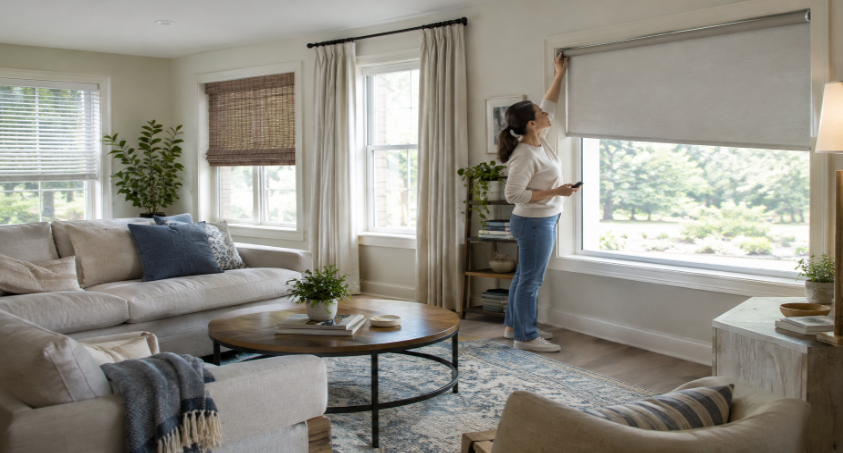
Fabric shades can also be candidates for repair when the fabric is clean, intact, and properly sized for the window. If the shade rolls unevenly but the material itself is not torn, stretched, or severely faded, a technician may be able to address the operating system rather than replace the entire treatment.
Good Reasons to Repair
- The treatment still fits the window correctly.
- The frame, fabric, slats, and mounting points are generally sound.
- The damage is limited to one or two visible components.
- Compatible replacement parts are available.
- The covering still meets your needs for privacy, light control, and room style.
When Replacement Makes More Sense
Replacement may be the better investment when damage is widespread or recurring. Severe fading, warped wood, cracked frames, torn fabric, broken tracks, repeated operating failures, and missing proprietary parts can make repairs less practical. The same is true when a treatment no longer fits after a window replacement or remodeling project.
Think beyond the visible damage. An older blind may still open and close, yet provide poor privacy, limited glare control, or little help with daytime heat. A replacement can make sense when it solves a room problem that repair cannot, such as harsh afternoon sun in a west-facing living room or insufficient light blocking in a bedroom.
Safety Should Come Before Style
Accessible cords and looped chains require special attention in homes where young children live or visit. The safest window coverings when young children are present are cordless, according to U.S. Consumer Product Safety Commission guidance. Move cribs, beds, furniture, and toys away from cords, and do not rely on appearance alone to judge whether a covering is safe.
If a cord tensioner, cleat, stop, or other safety feature is damaged or missing, address that issue promptly. When the product design is unclear, or when the treatment has multiple exposed cords, professional advice can help you decide whether a repair can restore safe use or whether replacement is more appropriate.
Consider Comfort and Energy Use
Window treatments influence glare, daylight, privacy, and perceived comfort. Rooms with strong morning or afternoon sun often benefit from coverings that allow flexible light control. The proper use of interior shades and blinds can reduce unwanted solar heat gain and maximize daylight, but treatments do not correct air leaks, failing seals, or poorly insulated windows.
Consider the direction of the window, how the room is used, and when sunlight is most disruptive. A home office may need glare reduction during work hours, while a bedroom may prioritize privacy and darkness. Those needs can justify an upgrade even when an older treatment can technically be repaired.
What Affects Repair Cost?
Repair pricing varies because window coverings differ widely in size, materials, and mechanisms. A simple bracket or cord-related repair may be less involved than work on a large plantation shutter, a specialty track, or a motorized shade. Age also matters, since older products may require compatible parts that are harder to locate.
- Type of treatment, including blinds, shades, shutters, draperies, and panels.
- Material, size, and accessibility of the window covering.
- Availability of original or compatible parts.
- Manual versus motorized operation.
- Diagnostic time, labor, and the number of treatments being serviced.
Request a written estimate that separates labor, parts, service fees, and optional upgrades. Ask what happens if the issue is more extensive than it first appears, and whether the expected repair is intended as a lasting solution or a short-term fix.
A Simple Repair-or-Replace Decision Test
- Does the treatment still fit and mount securely?
- Is its main structure in good condition?
- Can the damaged component be replaced?
- Does it meet current household safety needs?
- Would replacement solve a comfort, privacy, or light-control issue that repair cannot?
Mostly positive answers generally support repair. Several “no” answers often point toward replacement. For motorized treatments, check batteries, charging connections, remotes, and power sources before assuming the motor has failed. Keep model information and smart-home login details available if service is needed.
Final Checklist Before You Decide
- Photograph the damage and product label.
- Review original paperwork and any active warranty.
- Compare repair and replacement estimates.
- Consider safety, comfort, privacy, durability, and appearance.
- Choose the option that restores dependable use without creating a new hazard.
Repairing a window treatment is often a practical choice when the problem is limited, and the rest of the product remains useful. Replacement is usually the stronger option when damage is extensive, safety is compromised, or the covering no longer works for the room. A careful inspection helps homeowners make a decision that is both functional and financially sensible.

Team Home Spacess shares simple, practical design ideas that work for real families. The team focuses on cozy décor, soft colors, and natural textures that make a space feel truly lived-in. From everyday decorating tips to creative home projects, Team Home Spacess is dedicated to helping readers create warm, comfortable, and inviting spaces with a fresh and personal touch.